Biomechanical Multipurpose Miniscrew Strategy for Simultaneous Distalization in Class II Patients—The BiGa System
Gabriele Di Carlo, Guglielmo Biondi, Ivan Gazzola, Matteo Saccucci

TL;DR
The BiGa system is a new orthodontic strategy using miniscrews to efficiently correct Class II dental issues with fewer devices.
Contribution
The BiGa system introduces a novel method for simultaneous distalization and vertical control using two miniscrews.
Findings
Two miniscrews enabled sequential distalization of upper teeth and correction of the lower arch Spee curve.
The same miniscrews allowed for overbite control and incisor intrusion using a double cantilever.
The BiGa system provides three-dimensional treatment control in Class II patients.
Abstract
An efficient treatment plan using a temporary anchorage device should be built following the principle of reducing the number of tads to obtain a multiple biomechanical advantage. The following case report concerns the Biga system, a strategy that supports orthodontists during class II corrections and vertical control through treatment. A 12-year-old girl with a high angle of skeletal class II was selected. A novel biomechanical strategy was effectively applied using two tads on the upper arch to obtain sequential distalization of the upper teeth and to correct the lower arch spee curve using third-class elastics. Eventually, on the same tads, a double cantilever was applied to control the overbite and intrusion during incisors’ retraction. The Biga system is an easy biomechanical strategy that ensures the three-dimensional control of treatment mechanics in class II patients.
Genes, proteins, chemicals, diseases, species, mutations and cell lines named across the full text — each resolved to its canonical identifier and authoritative record.
Click any figure to enlarge with its caption.
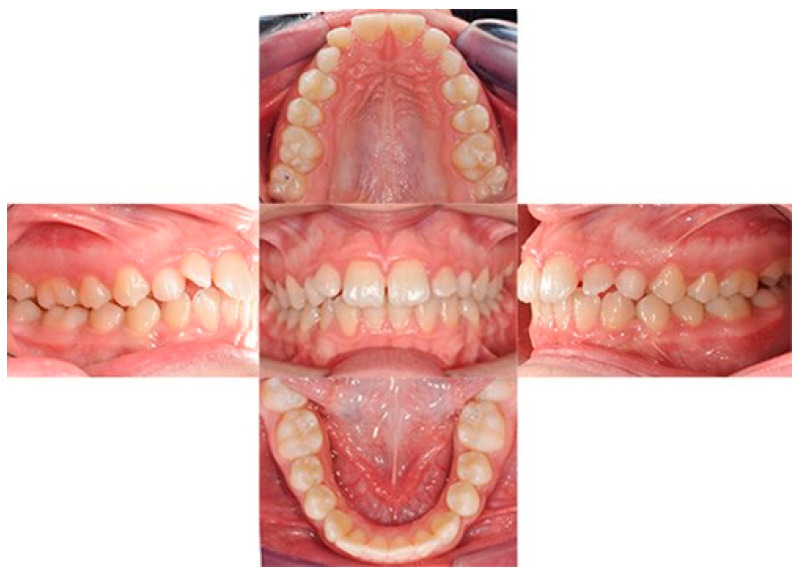 Figure 1
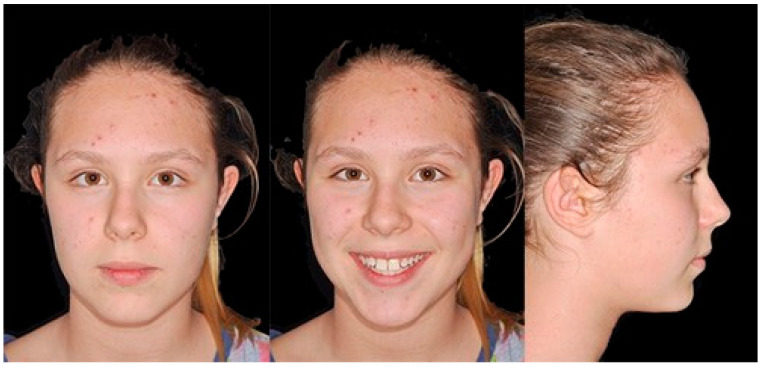 Figure 2
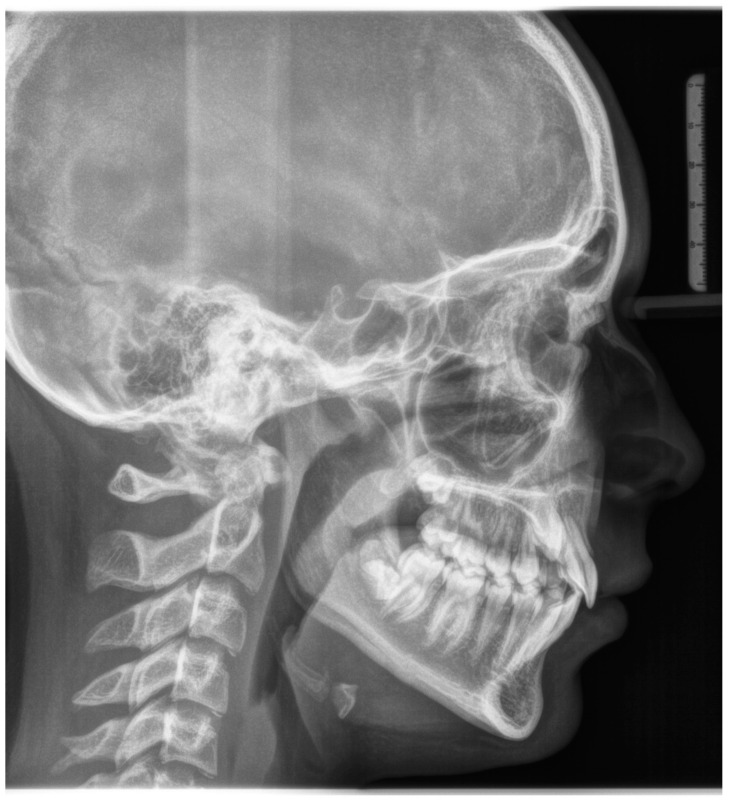 Figure 3
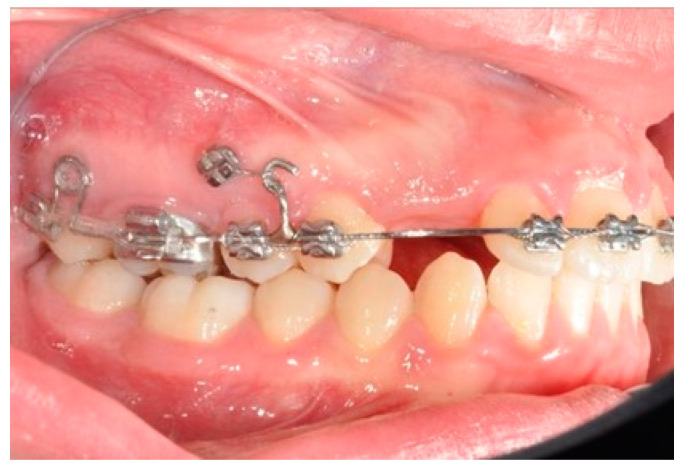 Figure 4
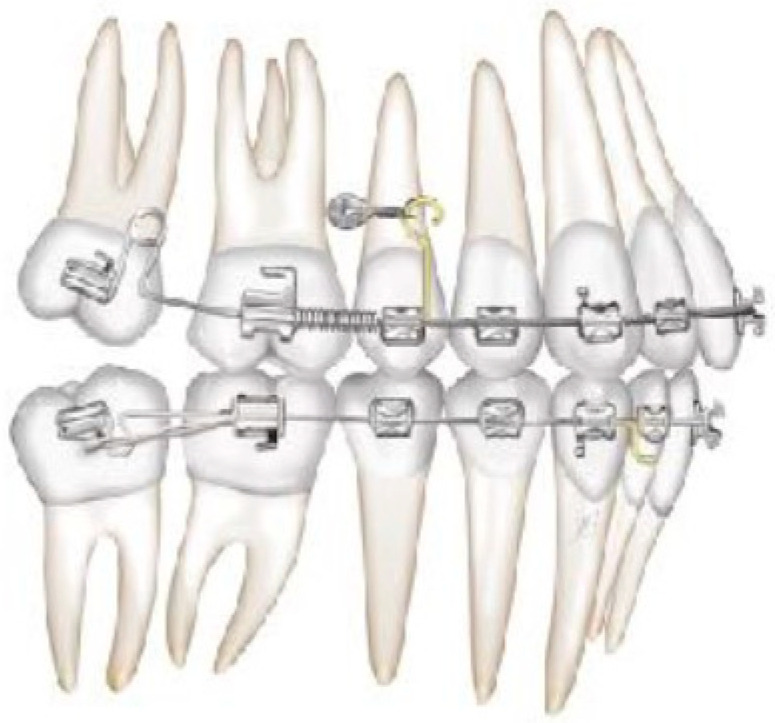 Figure 5
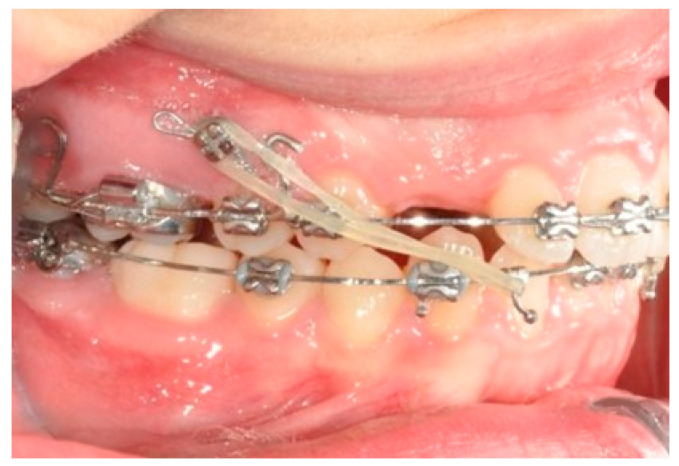 Figure 6
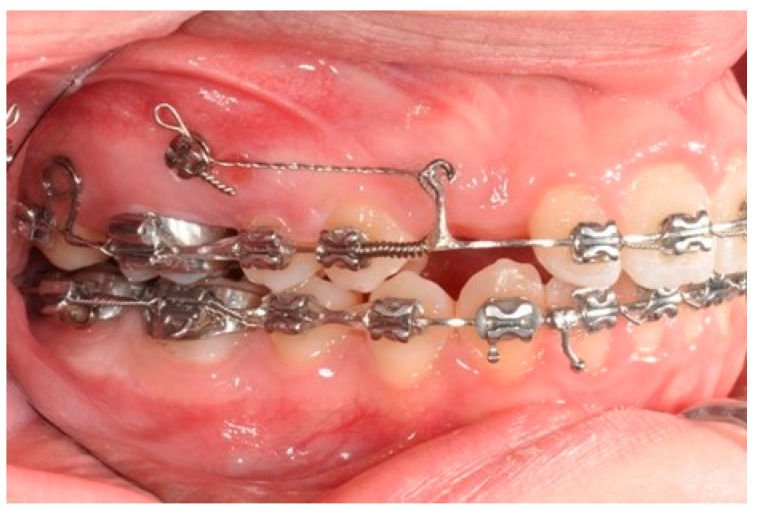 Figure 7
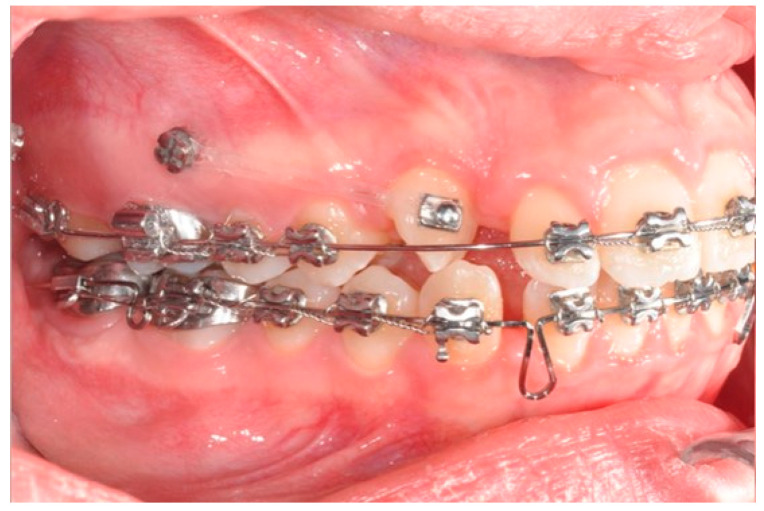 Figure 8
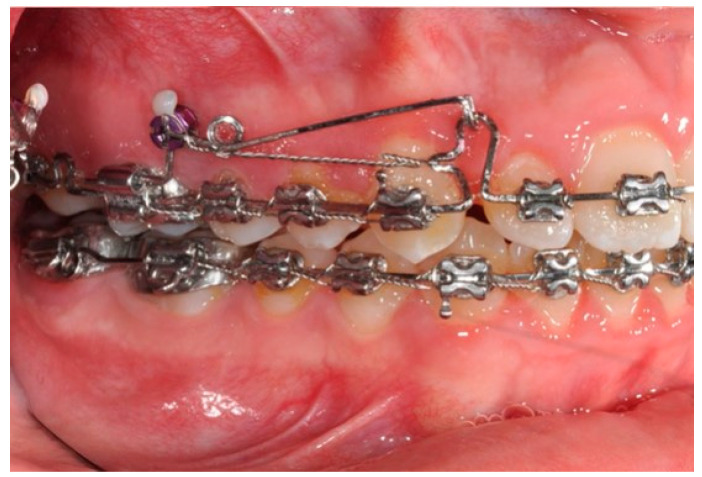 Figure 9
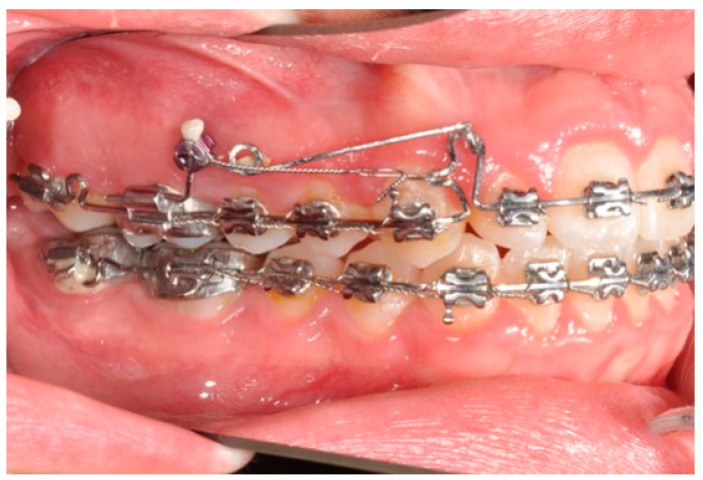 Figure 10
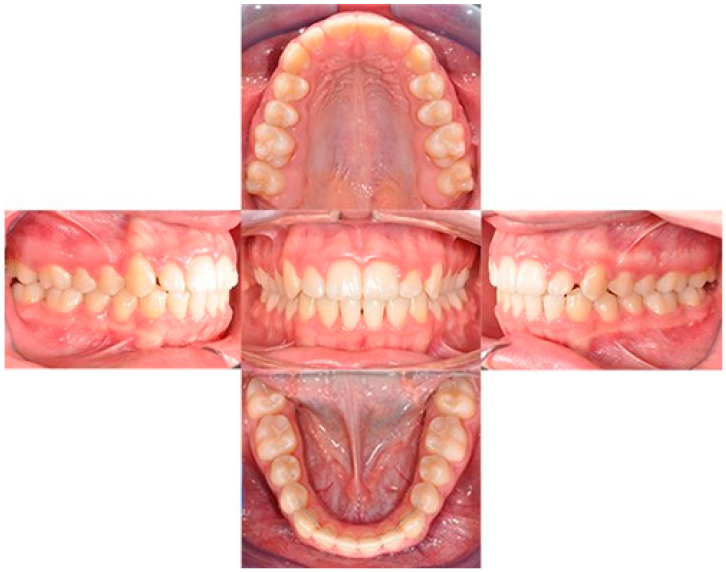 Figure 11
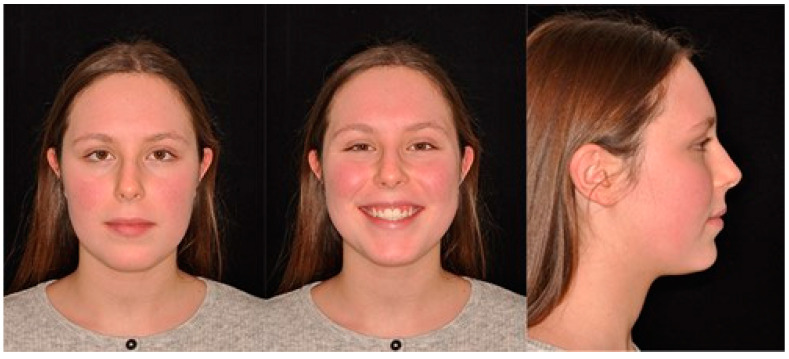 Figure 12
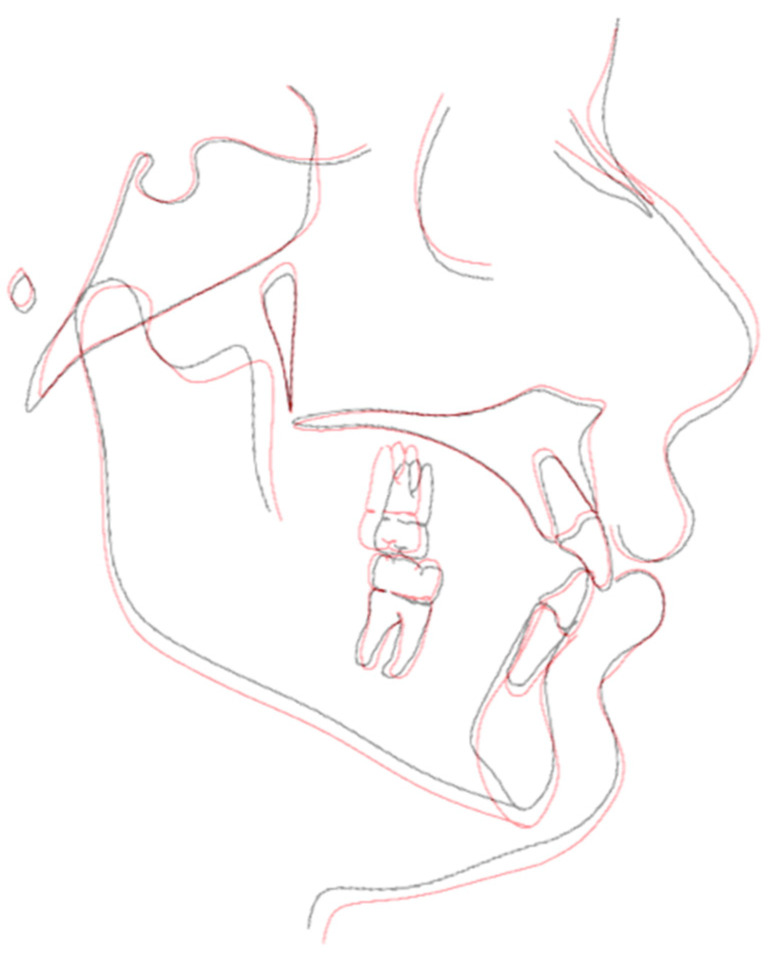 Figure 13
Peer Reviews
No public reviews on file for this paper yet. If you reviewed it on a platform where reviews are public (OpenReview, ICLR, NeurIPS, ICML), you can paste yours below so the community can read it here.
Videos
No videos yet. Explain this paper in a talk, walkthrough, or lecture? Add one.
Taxonomy
TopicsVoice and Speech Disorders · Orthodontics and Dentofacial Orthopedics · Temporomandibular Joint Disorders