The Pathologically Evolving Aggregation-State of Cells in Cancerous Tissues as Interpreted by Fractal and Multi-Fractal Dispersion Theory in Saturated Porous Formations
Marilena Pannone

TL;DR
This paper explores how fractal and multifractal theories can explain the structure of cancerous tissues and blood flow dynamics, suggesting a universal pattern in biological and non-biological systems.
Contribution
The paper introduces a novel application of fractal dispersion theory to model blood perfusion in cancerous and healthy tissues.
Findings
A critical fractal dimension (d ≅ 1.7) is linked to the aggregation state of cells in advanced cancer.
The effective macrodispersion coefficient model shows potential as a descriptor of blood perfusion dynamics.
A multifractal extension is proposed for enhanced diagnostic interpretation.
Abstract
A recent author’s fractal fluid-dynamic dispersion theory in porous media has focused on the derivation of the associated nonergodic (or effective) macrodispersion coefficients by a 3-D stochastic Lagrangian approach. As shown by the present study, the Fickian (i.e., the asymptotic constant) component of a properly normalized version of these coefficients exhibits a clearly detectable minimum in correspondence with the same fractal dimension (d ≅ 1.7) that seems to characterize the diffusion-limited aggregation state of cells in advanced stages of cancerous lesion progression. That circumstance suggests that such a critical fractal dimension, which is also reminiscent of the colloidal state of solutions (and may therefore identify the microscale architecture of both living and non-living two-phase systems in state transition conditions) may actually represent a sort of universal nature…
Genes, proteins, chemicals, diseases, species, mutations and cell lines named across the full text — each resolved to its canonical identifier and authoritative record.
Click any figure to enlarge with its caption.
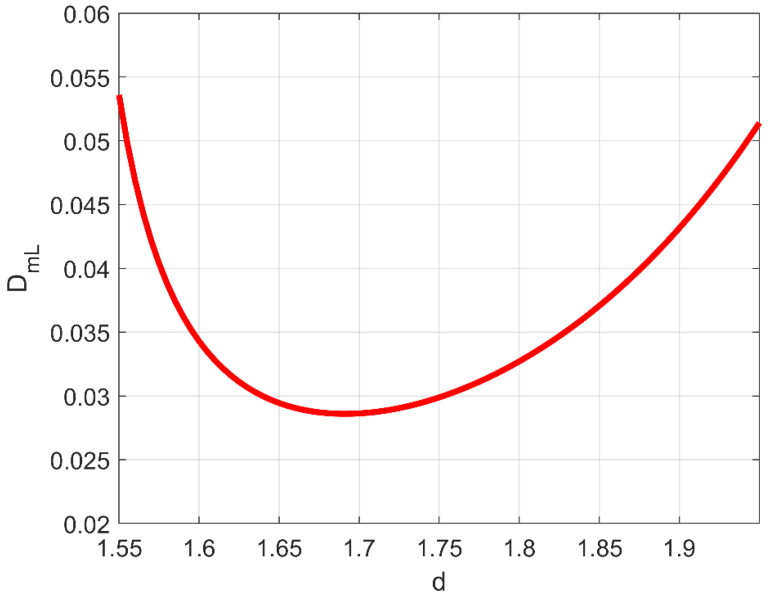 Figure 1
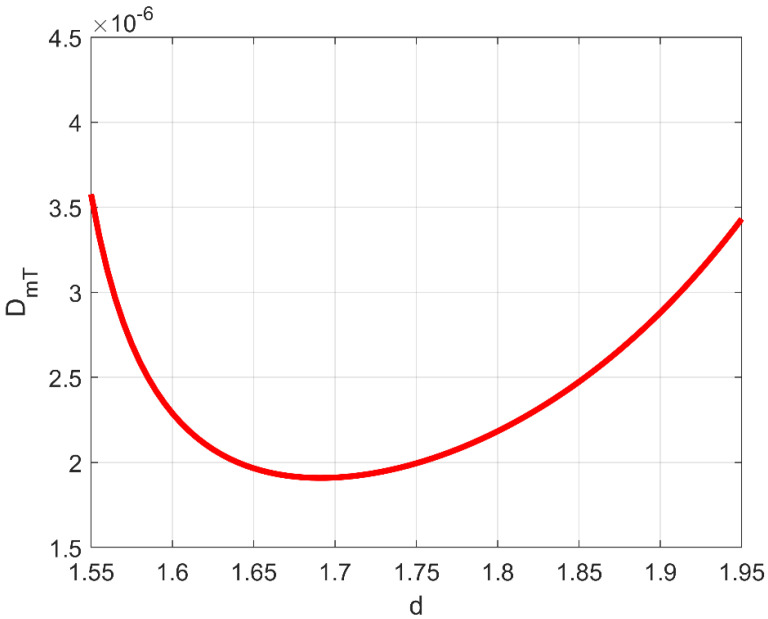 Figure 2
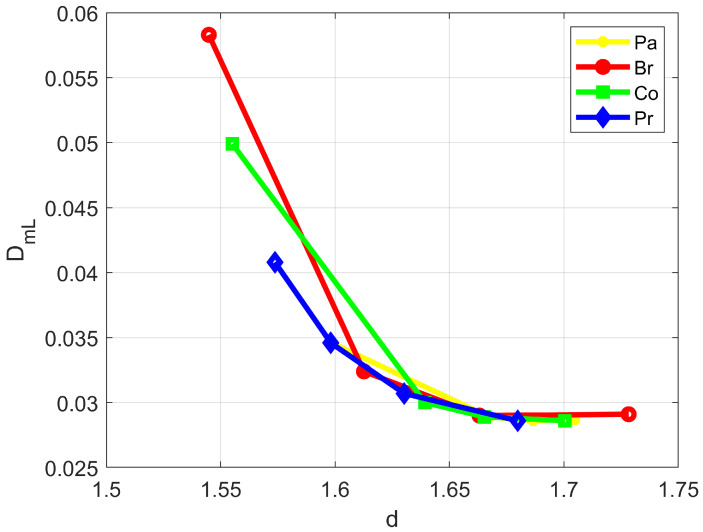 Figure 3
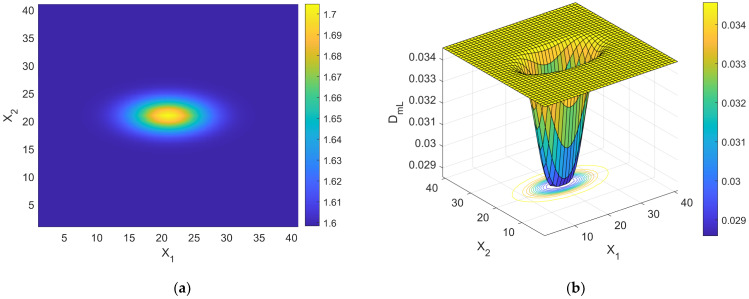 Figure 4
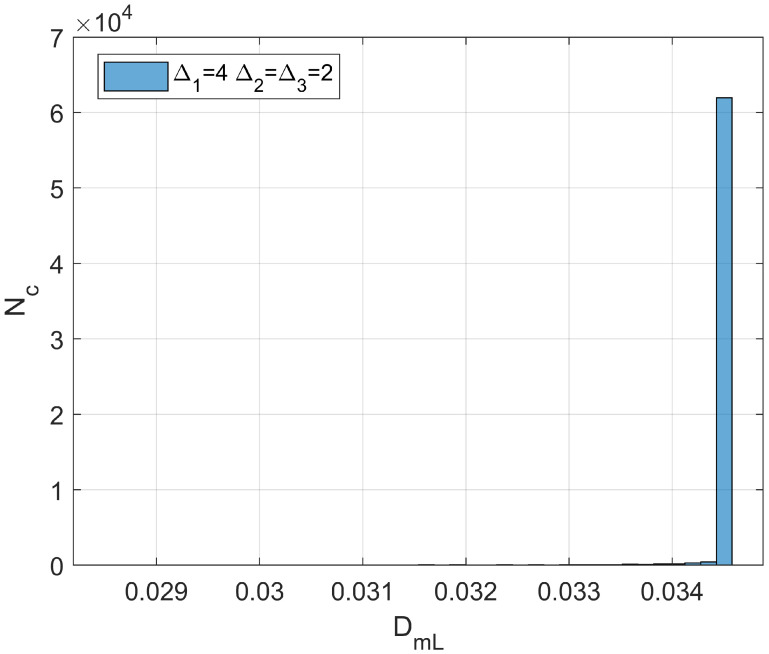 Figure 5
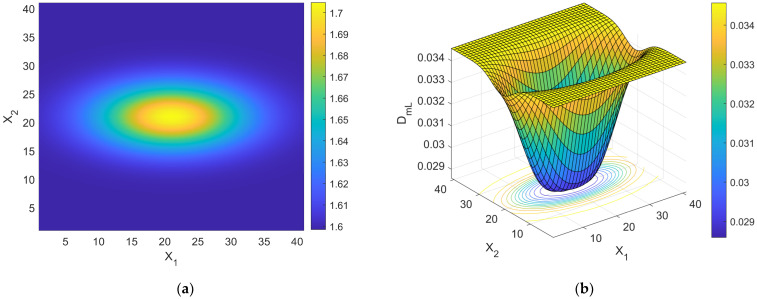 Figure 6
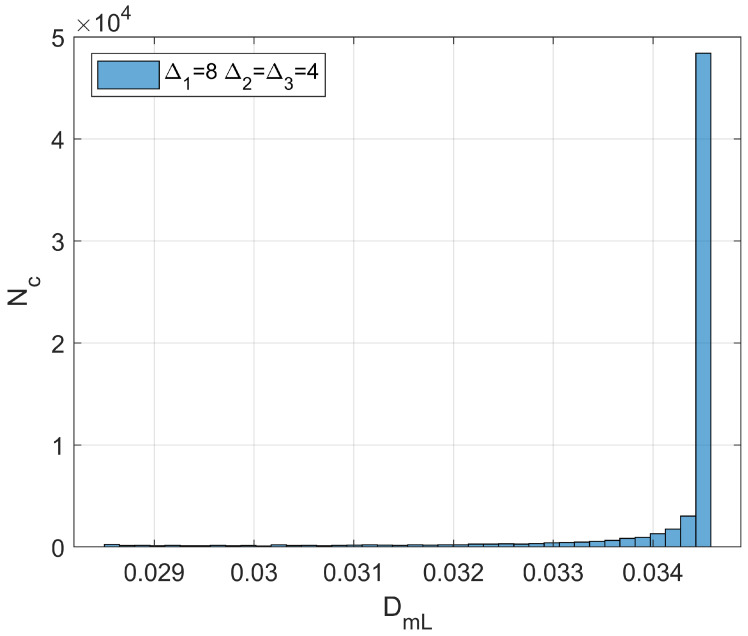 Figure 7
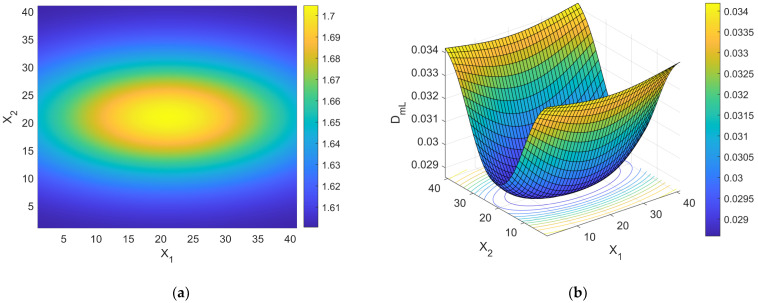 Figure 8
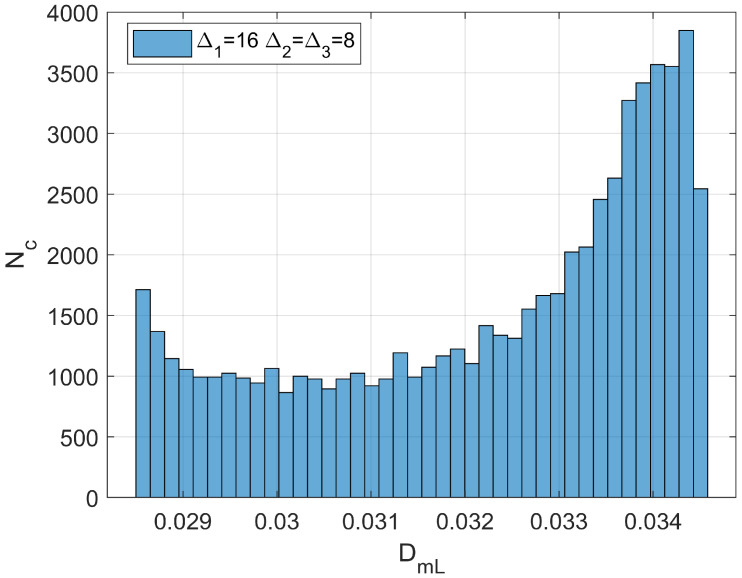 Figure 9
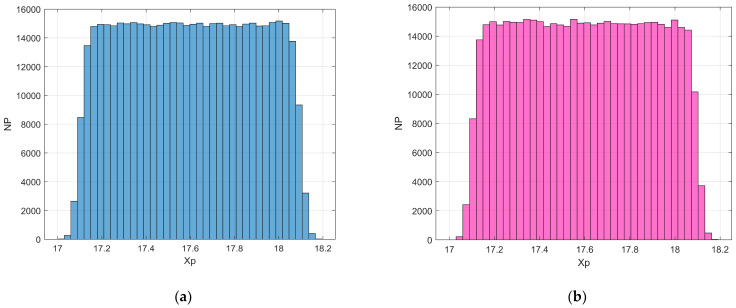 Figure 10
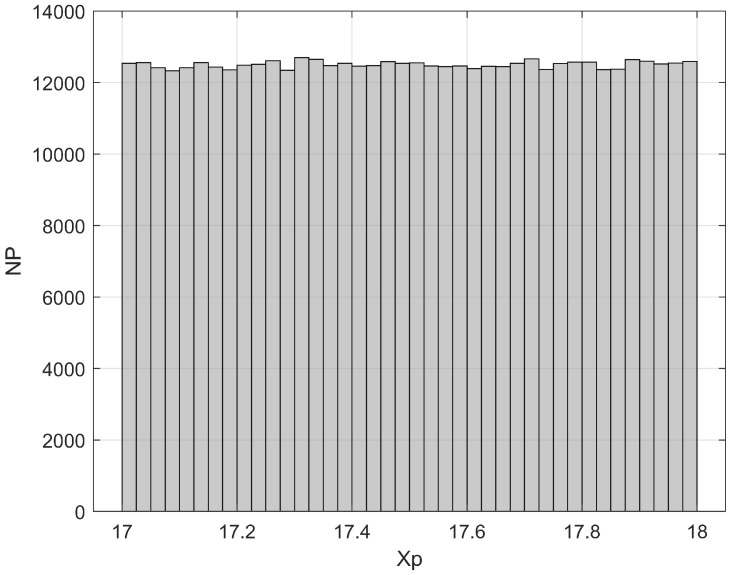 Figure 11
Peer Reviews
No public reviews on file for this paper yet. If you reviewed it on a platform where reviews are public (OpenReview, ICLR, NeurIPS, ICML), you can paste yours below so the community can read it here.
Videos
No videos yet. Explain this paper in a talk, walkthrough, or lecture? Add one.
Taxonomy
TopicsGroundwater flow and contamination studies · Mathematical Biology Tumor Growth · Advanced Mathematical Modeling in Engineering