A Multi-Drug Concentration Gradient Mixing Chip: A Novel Platform for High-Throughput Drug Combination Screening
Jiahao Fu, Yibo Feng, Yu Sun, Ruiya Yi, Jing Tian, Wei Zhao, Dan Sun, Ce Zhang

TL;DR
A new microfluidic device generates multiple drug concentration gradients to efficiently test drug combinations and their effects on cell behavior.
Contribution
A novel microfluidic platform enables high-throughput screening of drug combinations with real-time cell response monitoring.
Findings
Overdosing a single growth factor increases the proportion of differentiated neural stem cells.
Adding additional growth factors modulates the differentiation effects of primary growth factors.
The microfluidic device successfully generates multi-drug gradients for efficient drug combination screening.
Abstract
Combinatorial drug therapy has emerged as a critically important strategy in medical research and patient treatment and involves the use of multiple drugs in concert to achieve a synergistic effect. This approach can enhance therapeutic efficacy while simultaneously mitigating adverse side effects. However, the process of identifying optimal drug combinations, including their compositions and dosages, is often a complex, costly, and time-intensive endeavor. To surmount these hurdles, we propose a novel microfluidic device capable of simultaneously generating multiple drug concentration gradients across an interlinked array of culture chambers. This innovative setup allows for the real-time monitoring of live cell responses. With minimal effort, researchers can now explore the concentration-dependent effects of single-agent and combination drug therapies. Taking neural stem cells (NSCs)…
Genes, proteins, chemicals, diseases, species, mutations and cell lines named across the full text — each resolved to its canonical identifier and authoritative record.
Click any figure to enlarge with its caption.
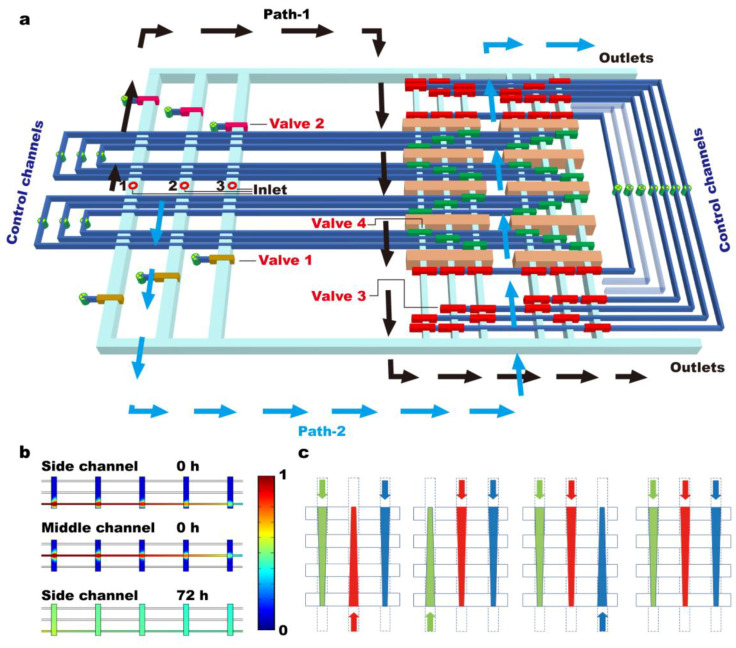 Figure 1
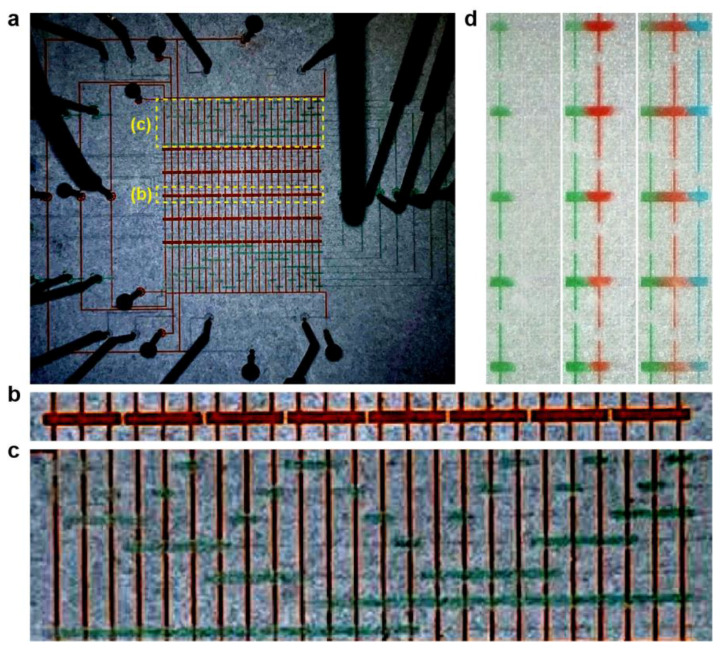 Figure 2
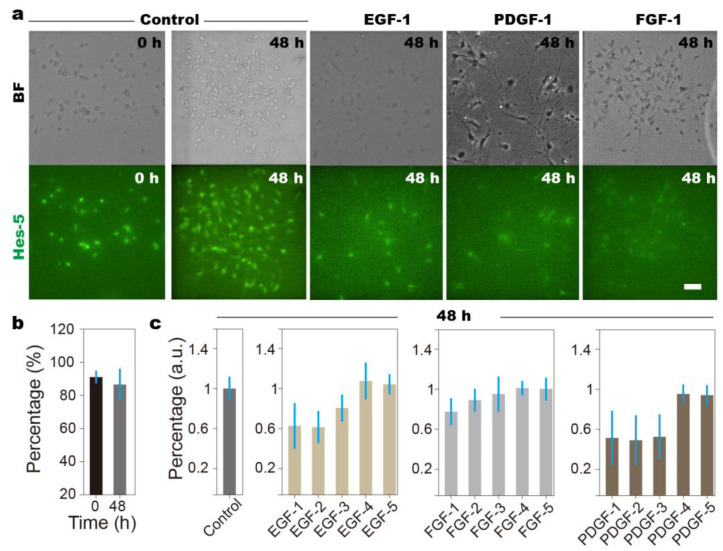 Figure 3
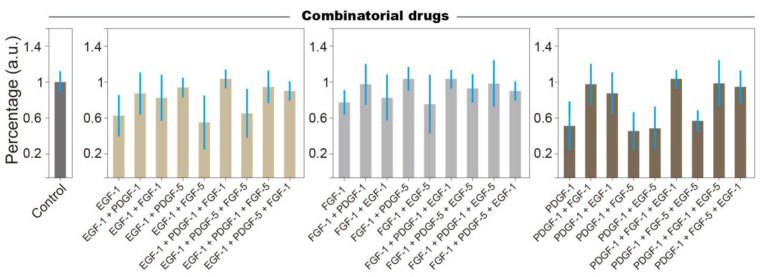 Figure 4
Peer Reviews
No public reviews on file for this paper yet. If you reviewed it on a platform where reviews are public (OpenReview, ICLR, NeurIPS, ICML), you can paste yours below so the community can read it here.
Videos
No videos yet. Explain this paper in a talk, walkthrough, or lecture? Add one.
Taxonomy
TopicsNuclear and radioactivity studies