Platelet phosphatidylserine exposure and microparticle production as health bioindicators in marine mammals
Mar Felipo-Benavent, Mónica Valls, Maria Céu Monteiro, Beatriz Jávega, Daniel García-Párraga, Consuelo Rubio-Guerri, Alicia Martínez-Romero, José-Enrique O’Connor

TL;DR
This paper introduces a new method to assess platelet function in marine mammals, which could help diagnose and monitor health issues linked to environmental or anthropogenic factors.
Contribution
A novel methodology for real-time assessment of platelet phosphatidylserine exposure and microparticle formation in marine mammals.
Findings
The method was successfully applied to species like dolphins, belugas, walruses, and sea lions.
Changes in platelet microparticle levels correlated with specific pathologies and environmental factors.
The approach shows promise as a diagnostic and monitoring tool for marine mammal health.
Abstract
In human medicine, various pathologies, including decompression sickness, thrombocytopenia, and rheumatoid arthritis, have been linked to changes in cellular microparticles (MP) formation, particularly platelet microparticles (PMP). Similar disorders in marine mammals might be attributed to anthropogenic threats or illnesses, potentially impacting blood PMP levels. Thus, detecting platelet phosphatidylserine (PS) exposure and PMP formation could serve as a crucial diagnostic and monitoring approach for these conditions in marine mammals. Our group has developed a methodology to assess real-time PS exposure and PMP formation specifically tailored for marine mammals. This method, pioneered in species such as bottlenose dolphins, beluga whales, walruses, and California sea lions, represents a novel approach with significant implications for both clinical assessment and further research…
Genes, proteins, chemicals, diseases, species, mutations and cell lines named across the full text — each resolved to its canonical identifier and authoritative record.
Click any figure to enlarge with its caption.
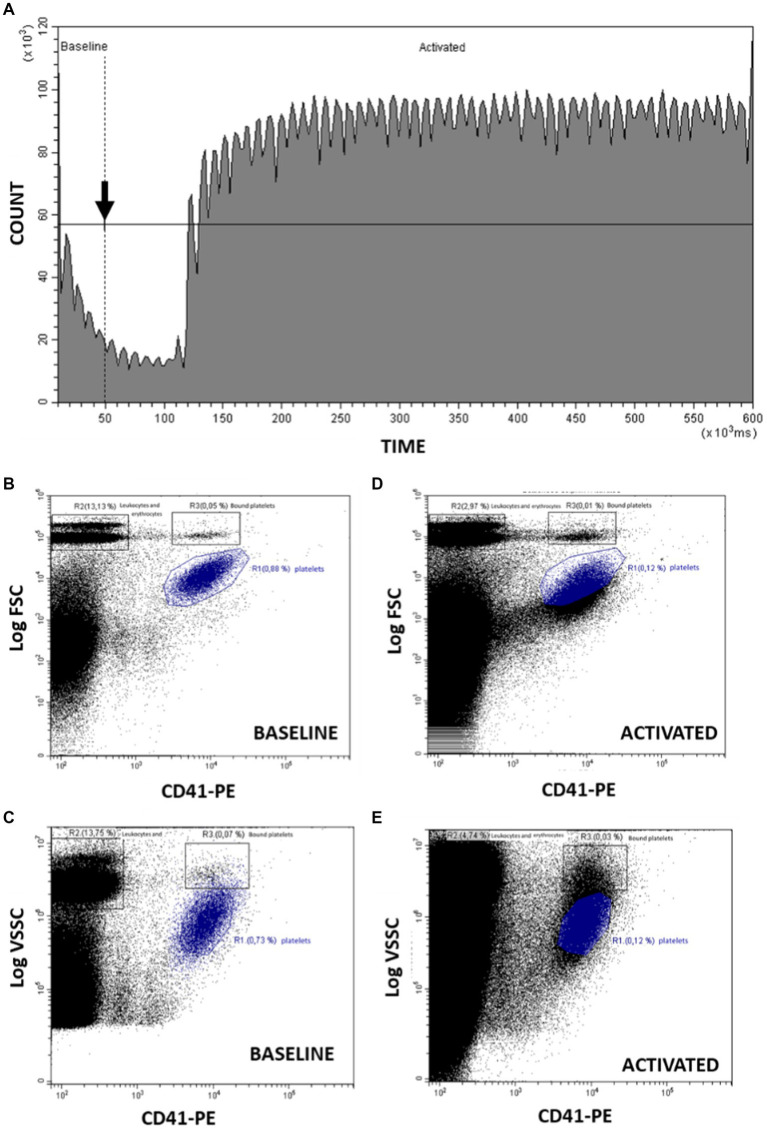 Figure 1
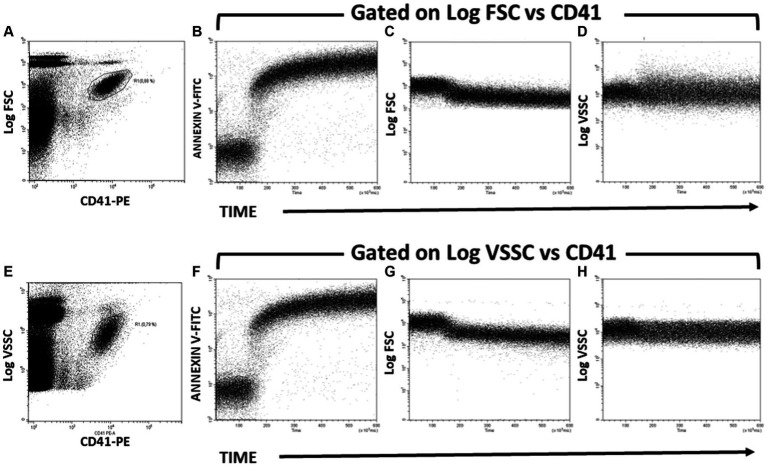 Figure 2
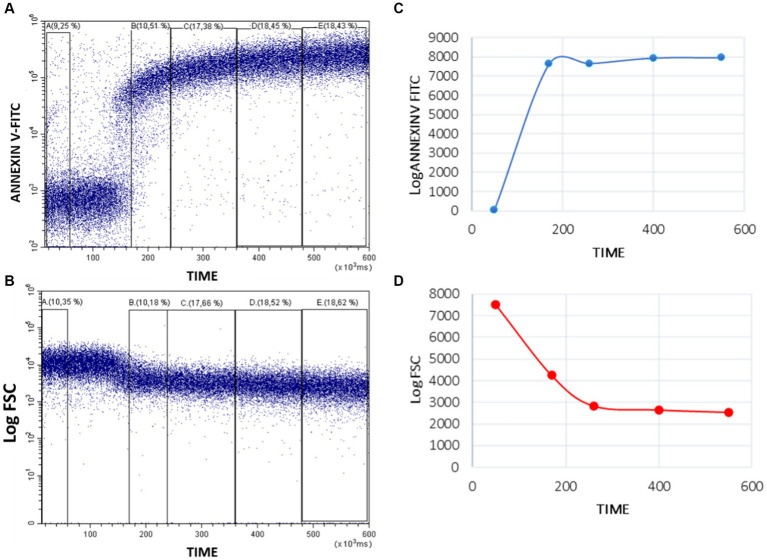 Figure 3
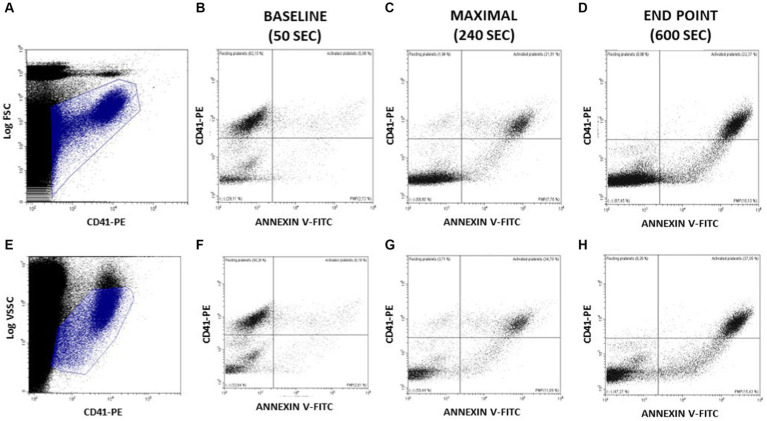 Figure 4
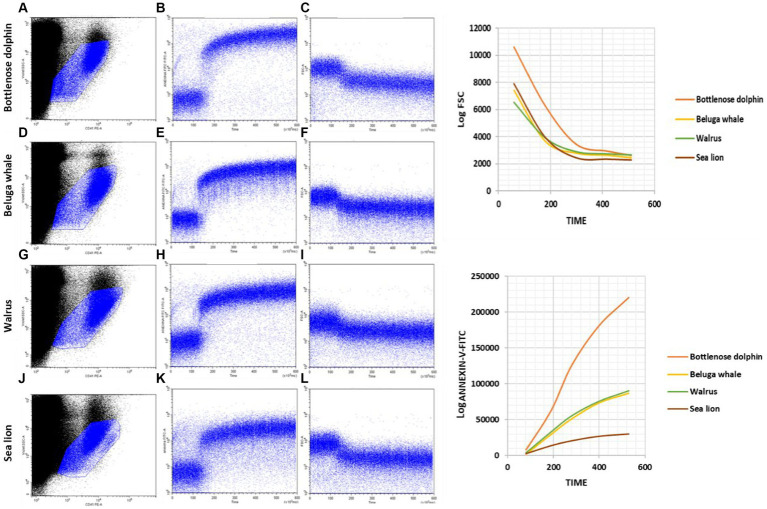 Figure 5
 Figure 6
Peer Reviews
No public reviews on file for this paper yet. If you reviewed it on a platform where reviews are public (OpenReview, ICLR, NeurIPS, ICML), you can paste yours below so the community can read it here.
Videos
No videos yet. Explain this paper in a talk, walkthrough, or lecture? Add one.
Taxonomy
TopicsMarine animal studies overview · Underwater Vehicles and Communication Systems · Fish Ecology and Management Studies