Awakening a Molecular Mummy: The Inter-and Intramolecular Photochemistry of Pyromellitic Diimides with Alkyl Carboxylates
Wolfgang H. Kramer, Donya Razinoubakht, Gurjit Kaur, Axel Klein, Simon Garbe, Jörg Neudörfl, Sabrina Molitor, Anne Zimmer, Axel G. Griesbeck

TL;DR
This paper explores how pyromellitic diimides react with alkyl carboxylates through electron transfer processes, leading to various radical products and structural changes.
Contribution
The study reveals new insights into the photochemistry of pyromellitic diimides, including their radical anion properties and degradation pathways.
Findings
Pyromellitic diimides oxidize alkyl carboxylates via intermolecular electron transfer, forming benzylation products.
Intramolecular electron transfer leads to cyclization products like 10 from GABA substrate 9c.
The green pyromellitimide radical anion is stable in the dark but degrades under photochemical conditions.
Abstract
Pyromellitic acid diimides are not as chemically unreactive as conjecturable (and presupposed) from their numerous applications as electron acceptor units or electron carriers in molecular donor–acceptor dyads or triads. Similar to the corresponding phthalimides, electronically excited pyromellitic diimides oxidize alkyl carboxylates in aqueous solution via intermolecular electron transfer (PET) processes, which eventually results in radical–radical combination products, e.g., the benzylation product 6 from N,N′-dimethyl pyromellitic diimide 5. The analogous product 7 was formed with pivalic acid as tert-butyl radical source. One additional product 8 was isolated from alkylation/dearomatization and multiple radical additions, respectively, after prolonged irradiation. In intramolecular versions, from N-carboxyalkylated pyromellitic diimides 9a–e (C1 to C5-spaced), degradation processes…
Genes, proteins, chemicals, diseases, species, mutations and cell lines named across the full text — each resolved to its canonical identifier and authoritative record.
Click any figure to enlarge with its caption.
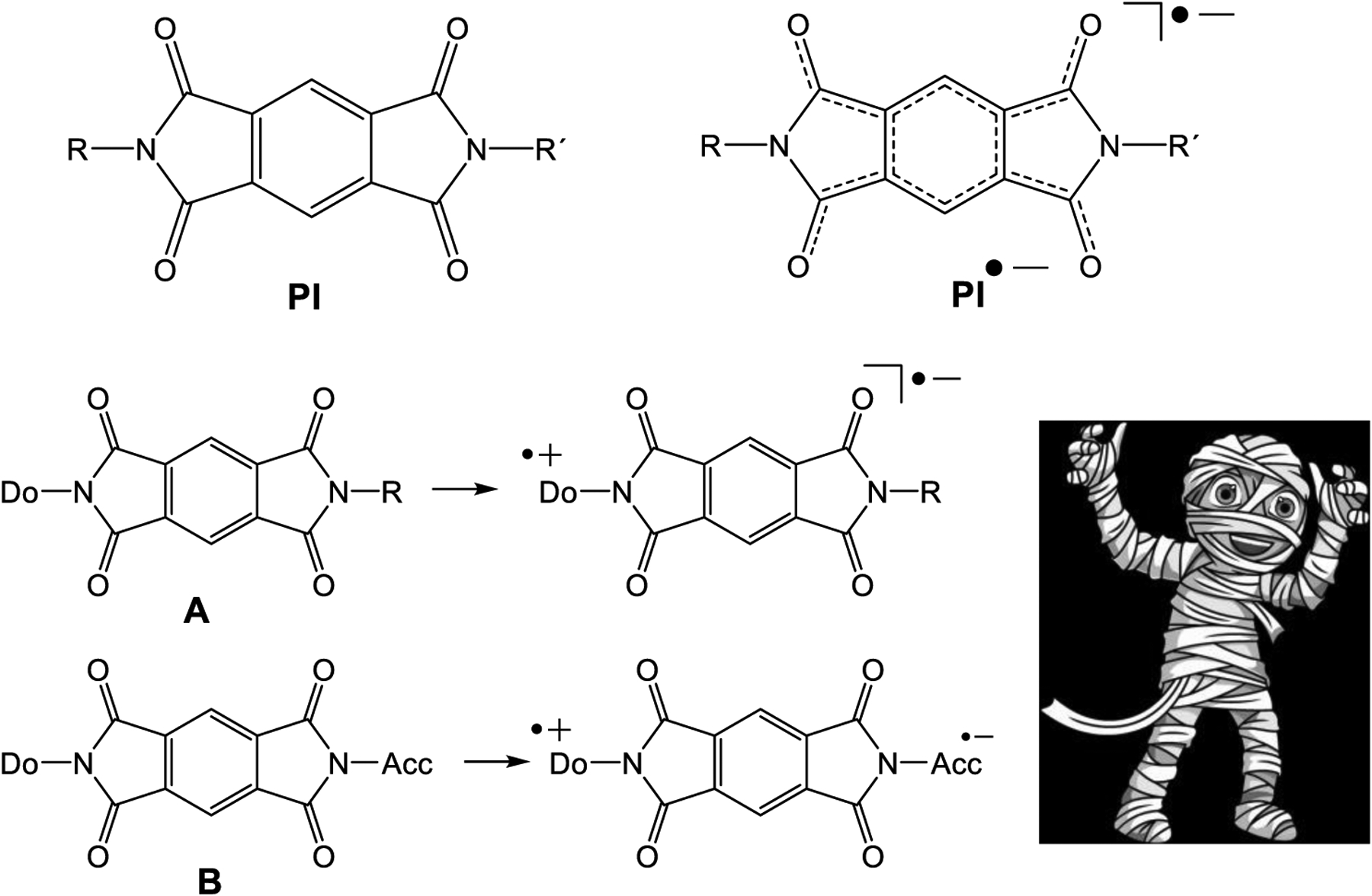 Figure 1
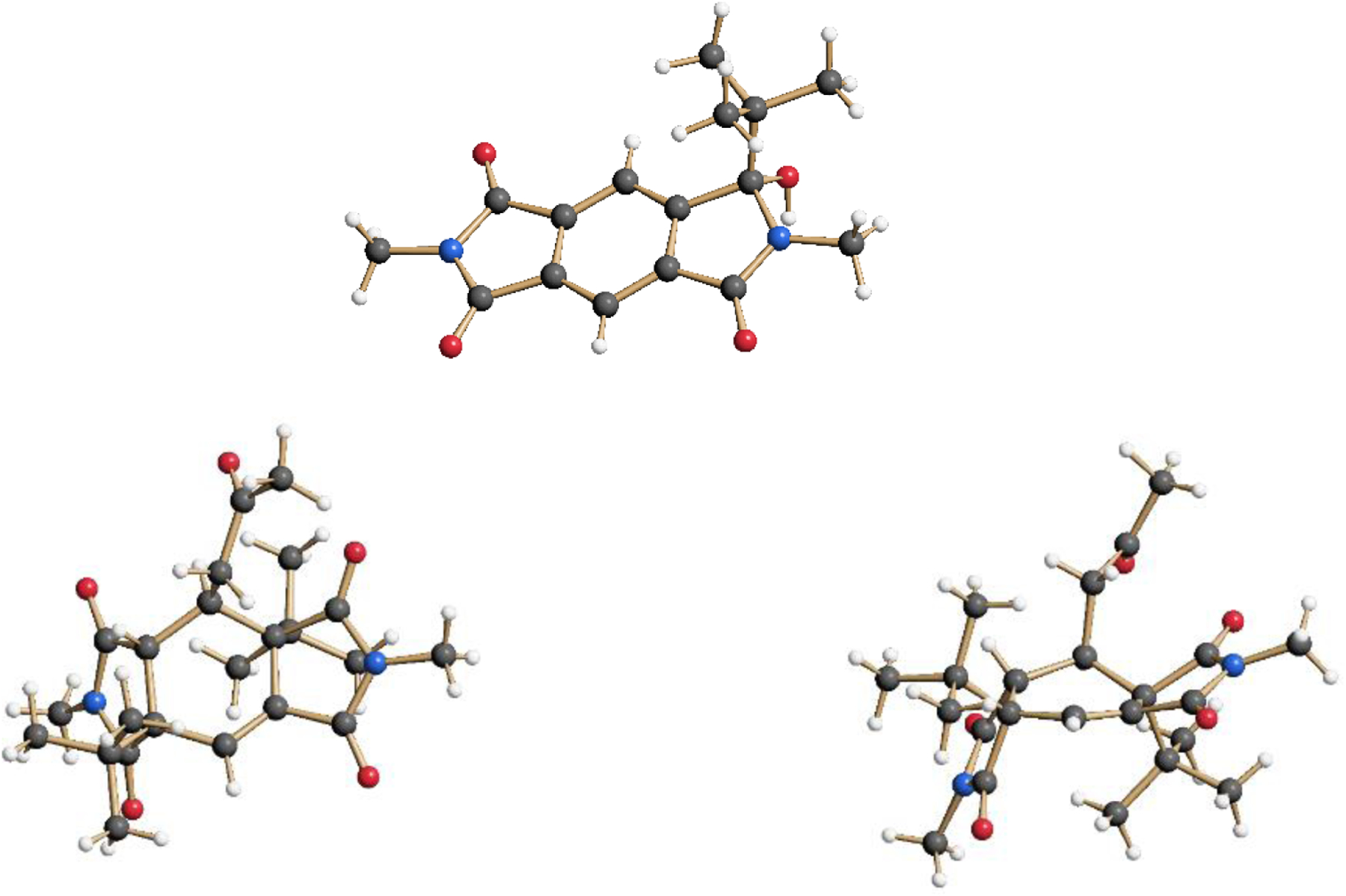 Figure 2
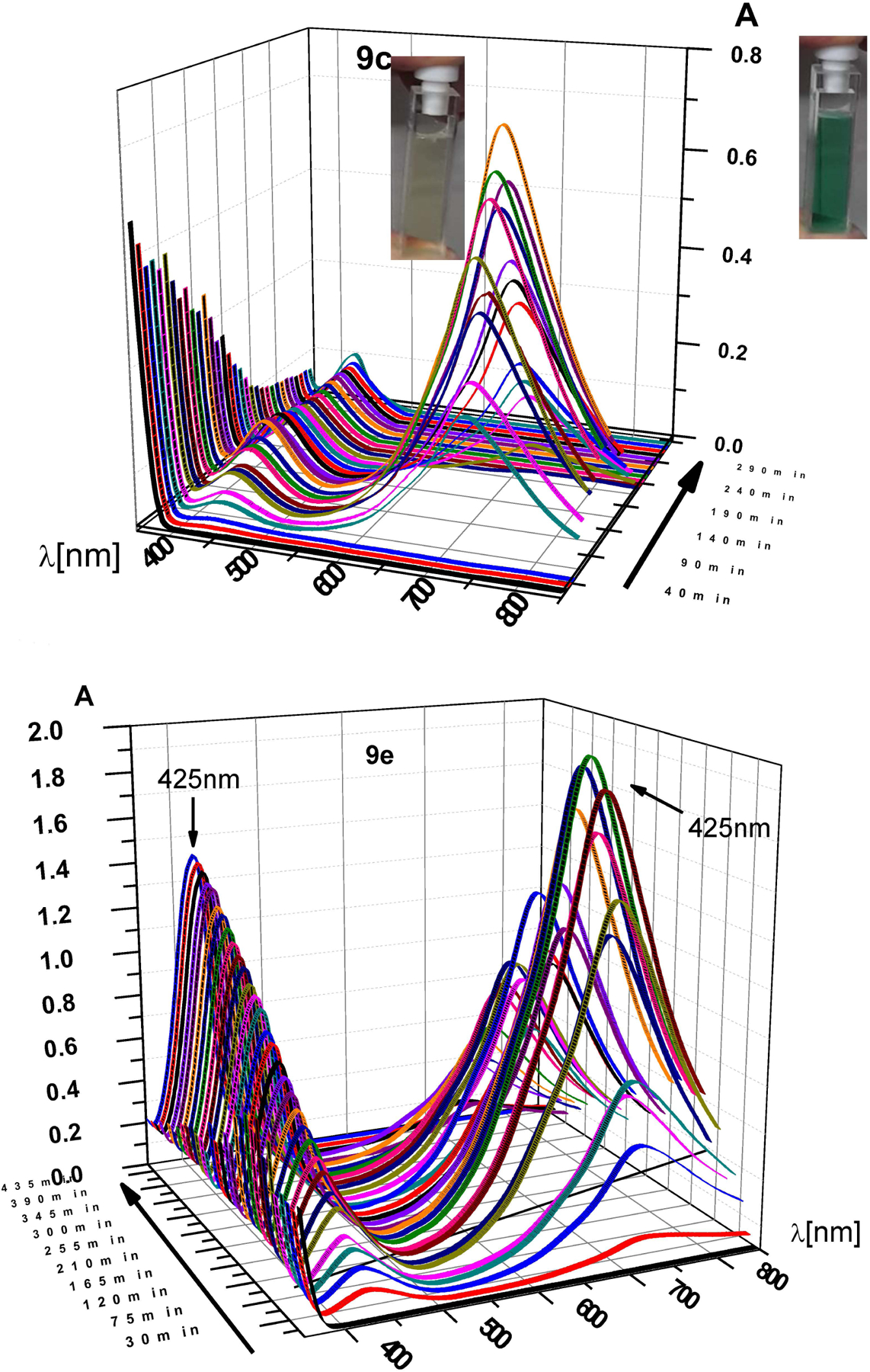 Figure 3
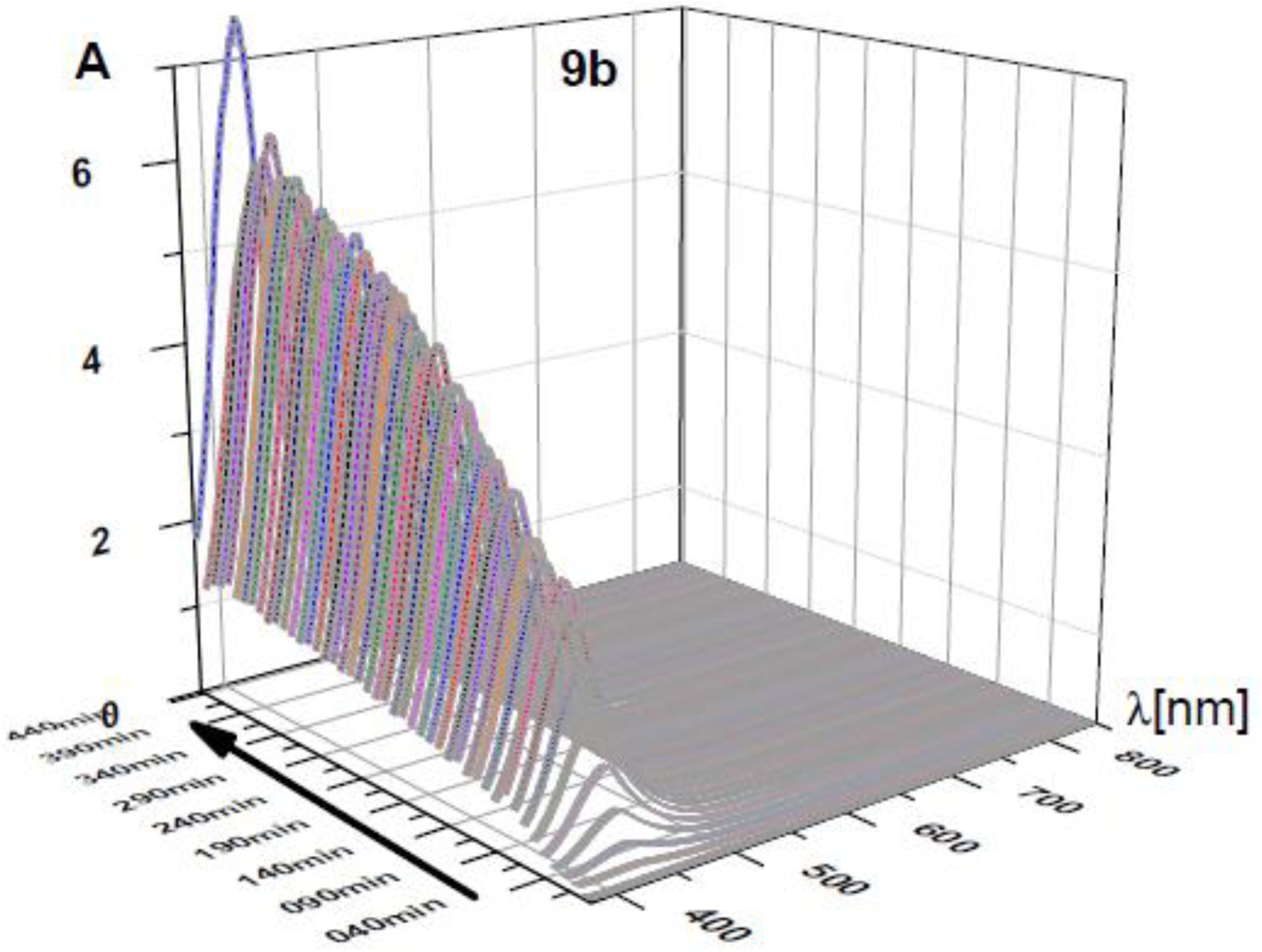 Figure 4
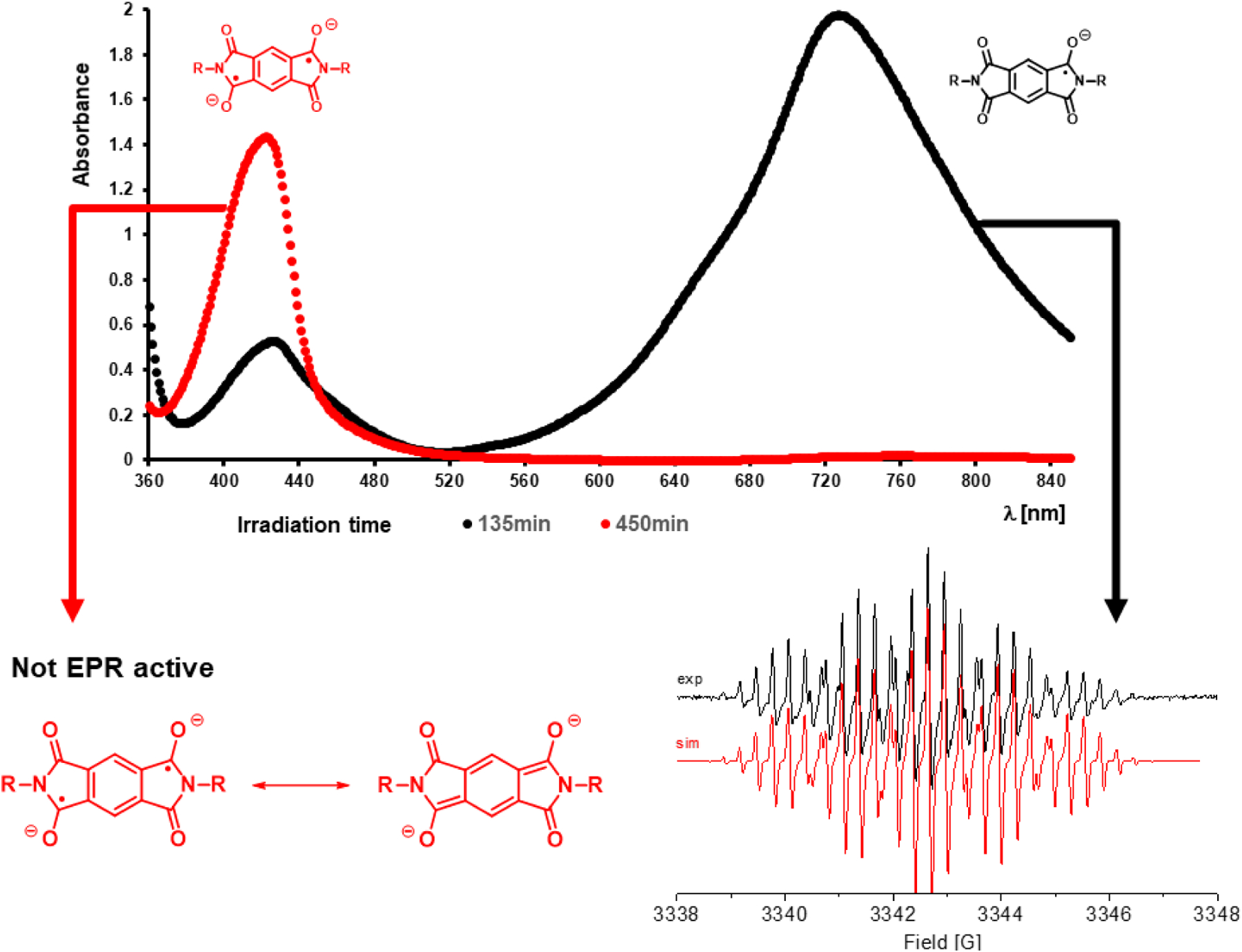 Figure 5
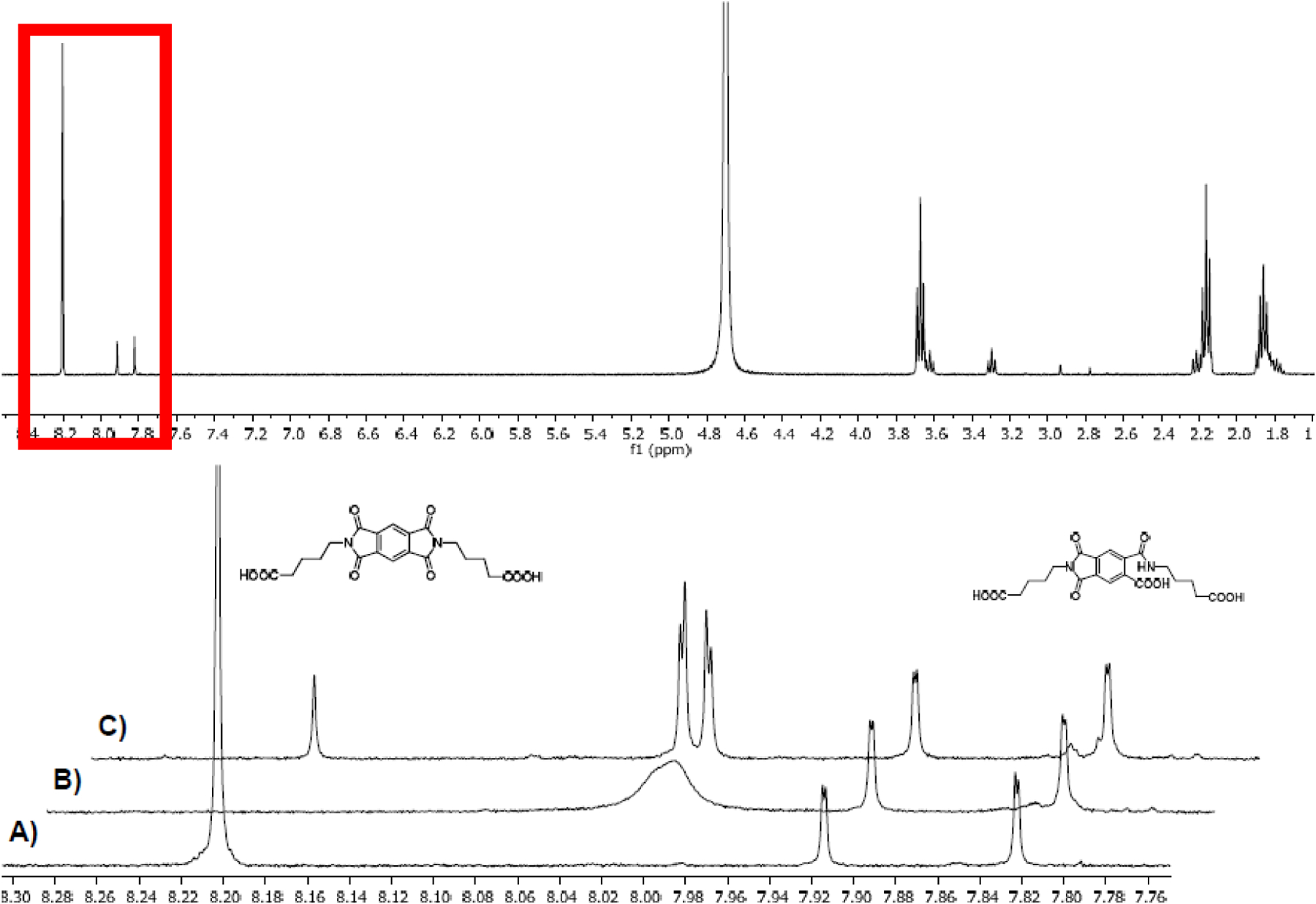 Figure 6
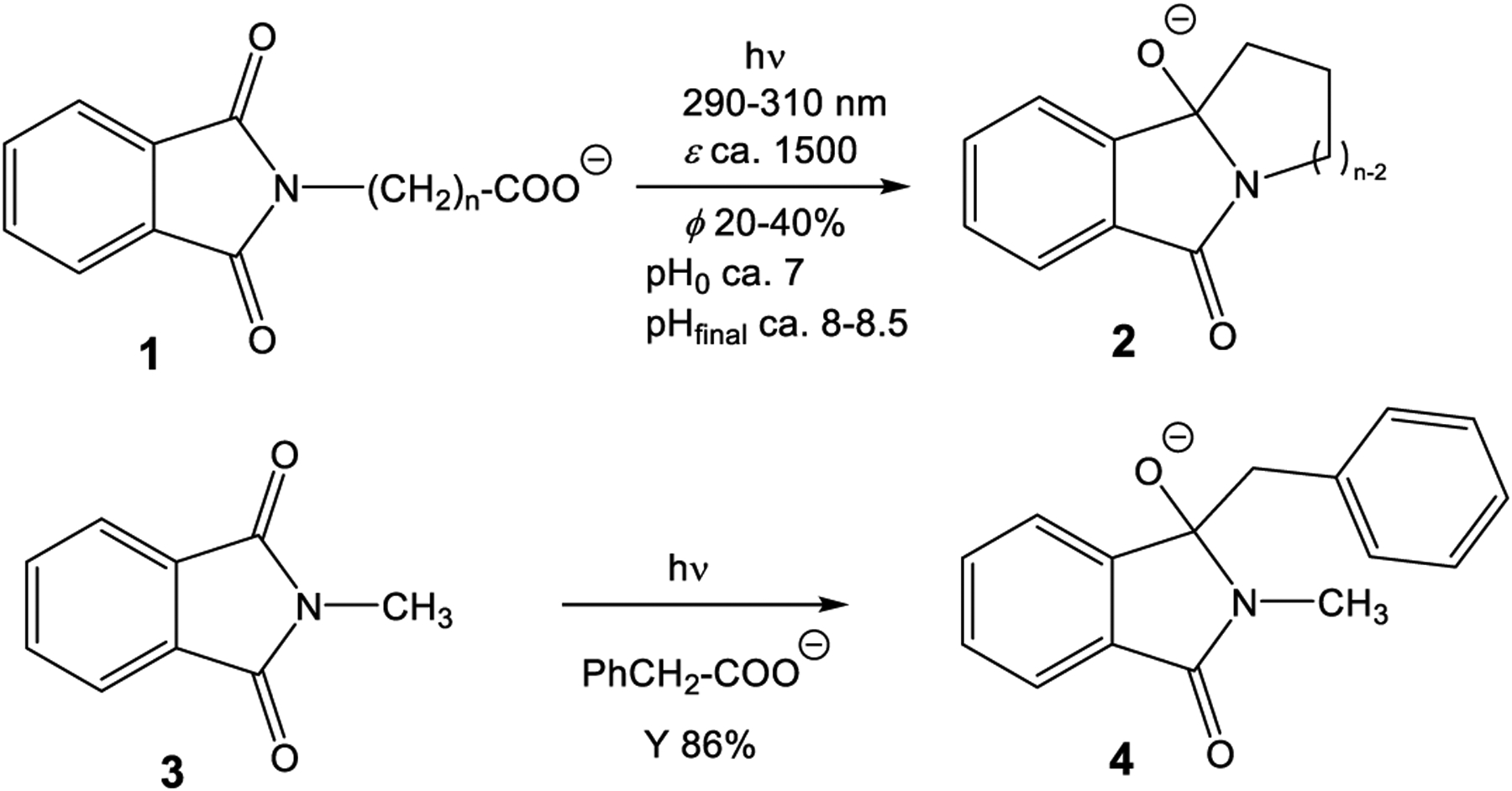 Figure 7
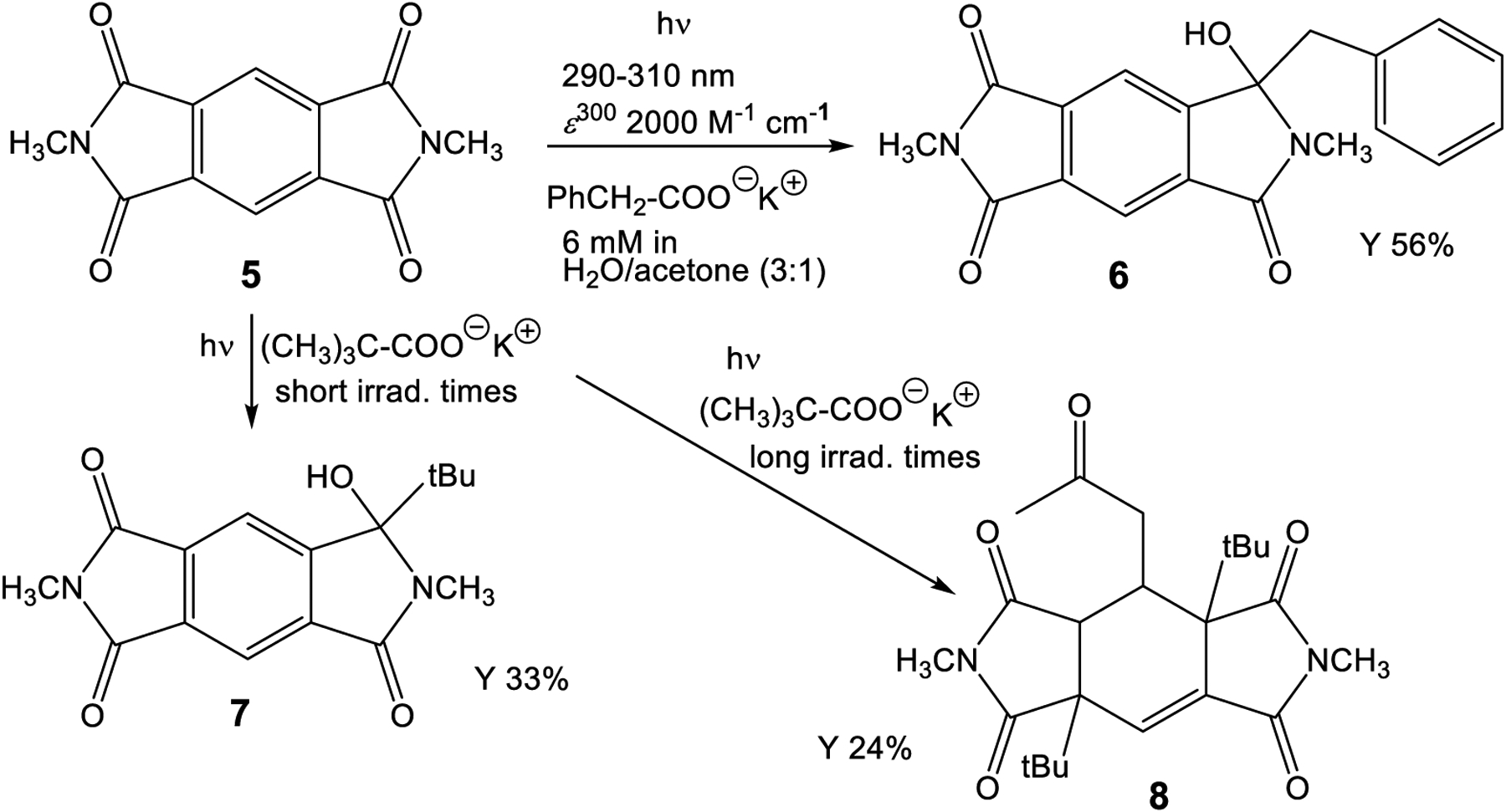 Figure 8
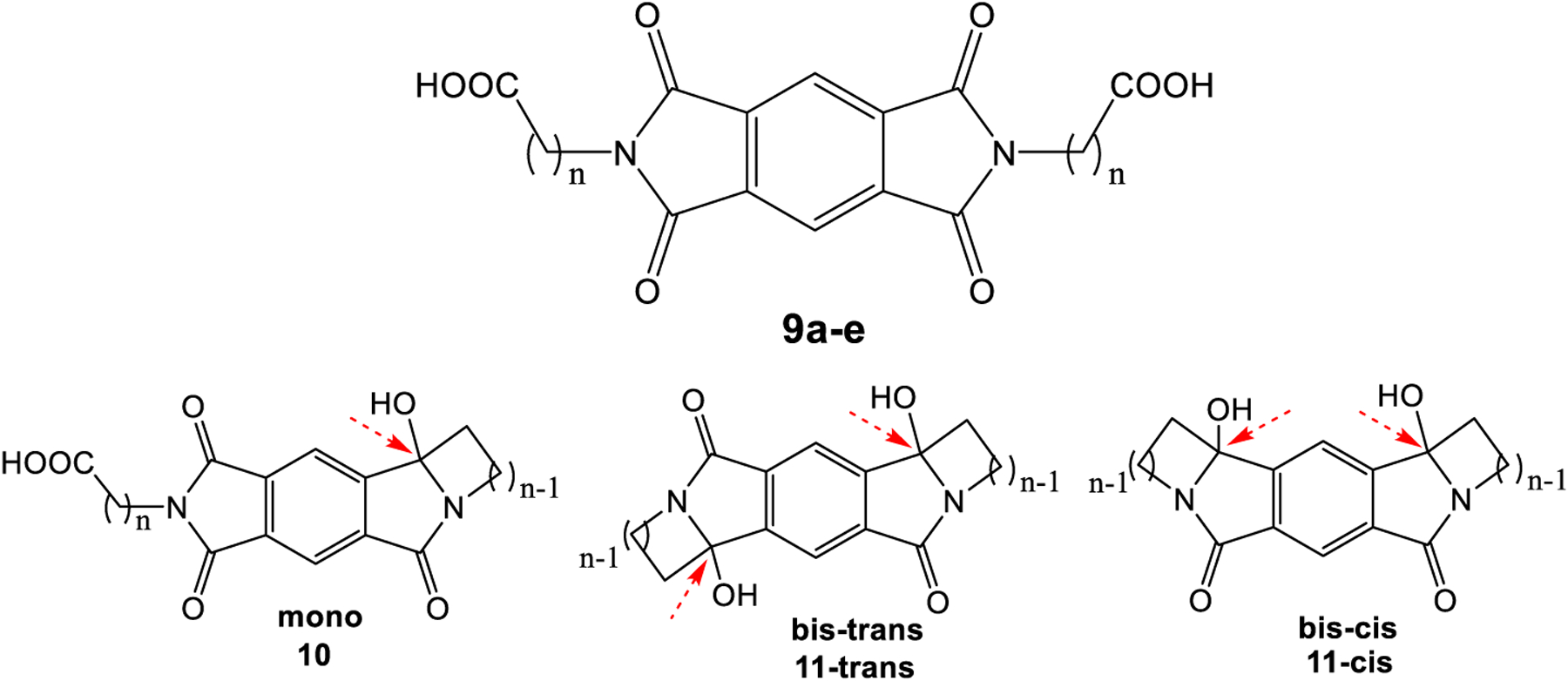 Figure 9
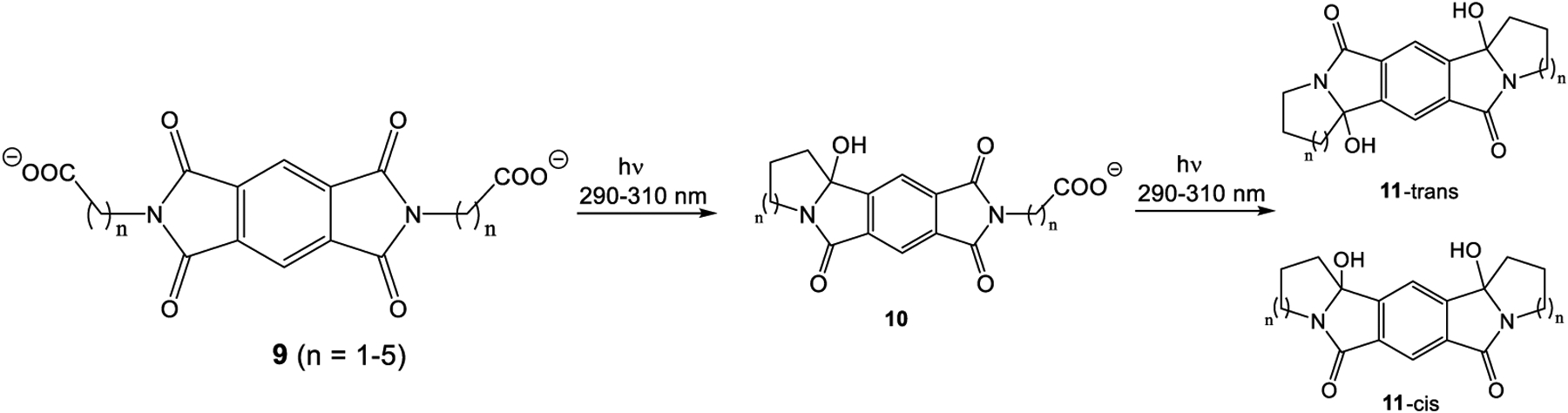 Figure 10
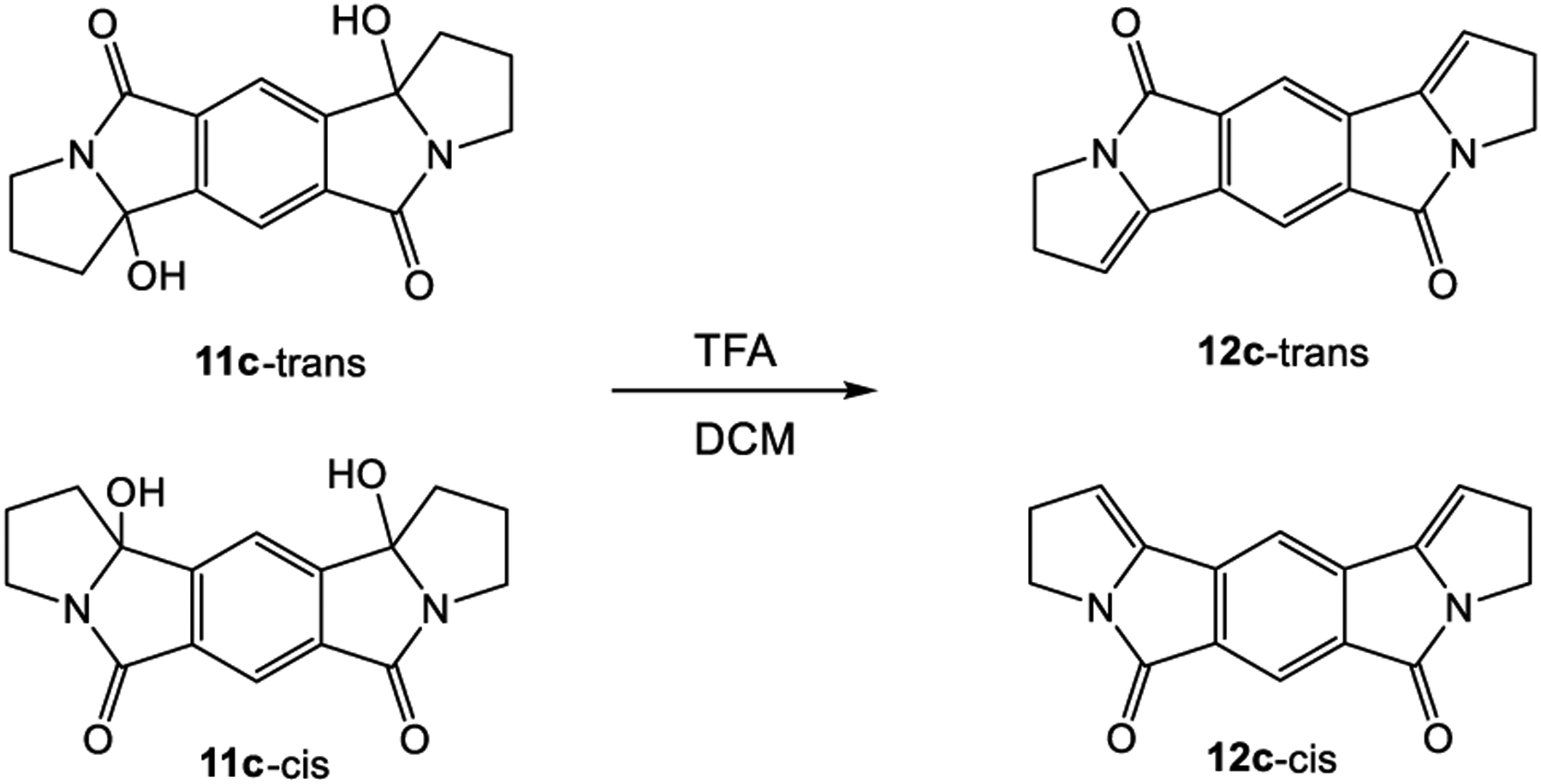 Figure 11
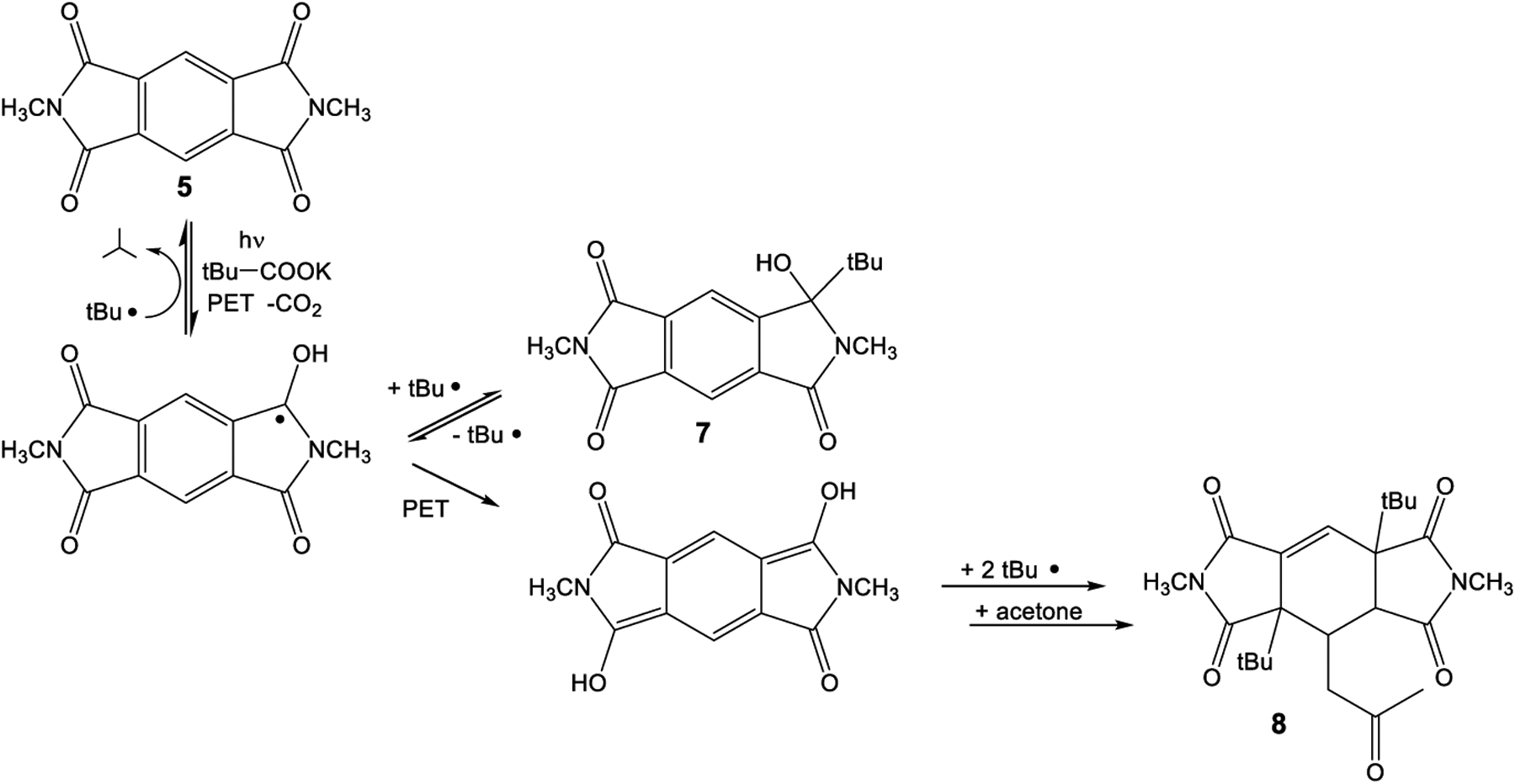 Figure 12
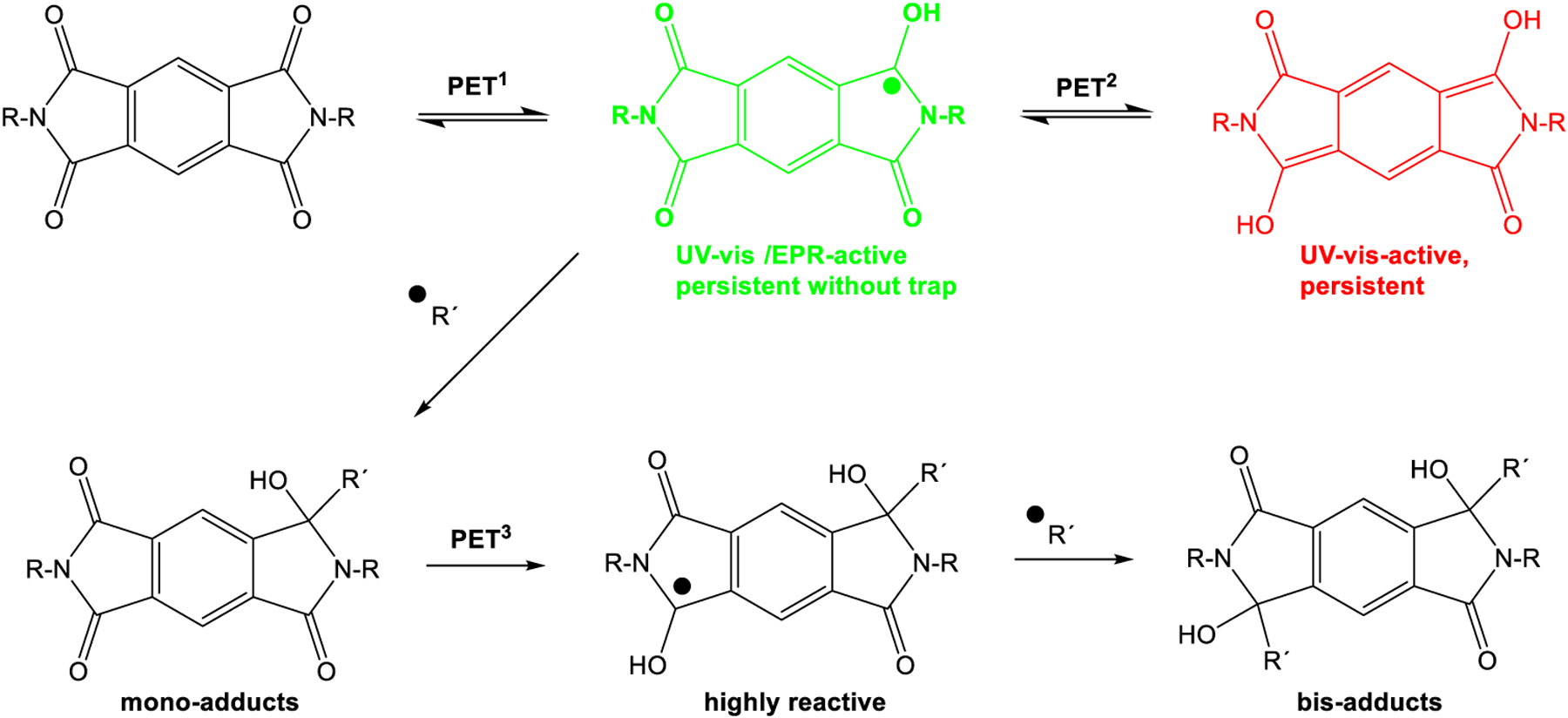 Figure 13
Peer Reviews
No public reviews on file for this paper yet. If you reviewed it on a platform where reviews are public (OpenReview, ICLR, NeurIPS, ICML), you can paste yours below so the community can read it here.
Videos
No videos yet. Explain this paper in a talk, walkthrough, or lecture? Add one.
Taxonomy
TopicsRadical Photochemical Reactions · Photochemistry and Electron Transfer Studies · Fluorine in Organic Chemistry