An RNA-seq study in Friedreich ataxia patients identified hsa-miR-148a-3p as a putative prognostic biomarker of the disease
Chiara Vancheri, Andrea Quatrana, Elena Morini, Caterina Mariotti, Alessia Mongelli, Mario Fichera, Alessandra Rufini, Ivano Condò, Roberto Testi, Giuseppe Novelli, Florence Malisan, Francesca Amati

TL;DR
This study identifies hsa-miR-148a-3p as a potential biomarker for predicting disease progression in Friedreich ataxia patients.
Contribution
The study introduces hsa-miR-148a-3p as a novel prognostic biomarker for Friedreich ataxia.
Findings
hsa-miR-148a-3p is significantly upregulated in Friedreich ataxia patients compared to healthy individuals.
Combining hsa-miR-148a-3p with hsa-miR-223-3p yields a high AUC of 0.86 for distinguishing FRDA patients from healthy controls.
hsa-miR-148a-3p is over-expressed in intermediate and late-onset Friedreich Ataxia patients.
Abstract
Friedreich ataxia (FRDA) is a life-threatening hereditary ataxia; its incidence is 1:50,000 individuals in the Caucasian population. A unique therapeutic drug for FRDA, the antioxidant Omaveloxolone, has been recently approved by the US Food and Drug Administration (FDA). FRDA is a multi-systemic neurodegenerative disease; in addition to a progressive neurodegeneration, FRDA is characterized by hypertrophic cardiomyopathy, diabetes mellitus and musculoskeletal deformities. Cardiomyopathy is the predominant cause of premature death. The onset of FRDA typically occurs between the ages of 5 and 15. Given the complexity and heterogeneity of clinical features and the variability of their onset, the identification of biomarkers capable of assessing disease progression and monitoring the efficacy of treatments is essential to facilitate decision making in clinical practice. We conducted an…
Genes, proteins, chemicals, diseases, species, mutations and cell lines named across the full text — each resolved to its canonical identifier and authoritative record.
Click any figure to enlarge with its caption.
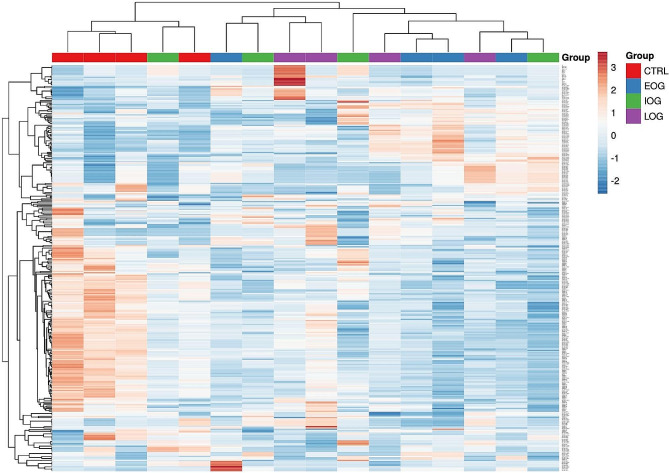 Figure 1
 Figure 2
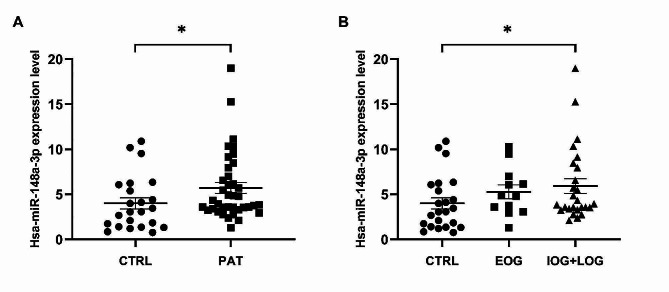 Figure 3
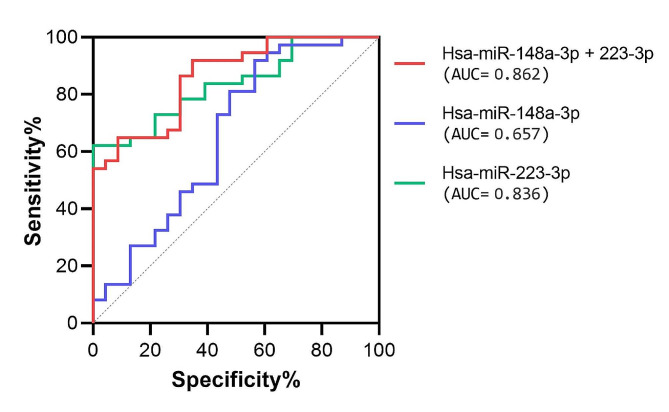 Figure 4
Peer Reviews
No public reviews on file for this paper yet. If you reviewed it on a platform where reviews are public (OpenReview, ICLR, NeurIPS, ICML), you can paste yours below so the community can read it here.
Videos
No videos yet. Explain this paper in a talk, walkthrough, or lecture? Add one.
Taxonomy
TopicsGenetic Neurodegenerative Diseases · Mitochondrial Function and Pathology · RNA regulation and disease