A novel multi-strategy ameliorated quasi-oppositional chaotic tunicate swarm algorithm for global optimization and constrained engineering applications
Vanisree Chandran, Prabhujit Mohapatra

TL;DR
This paper introduces an improved version of the Tunicate Swarm Algorithm to solve complex optimization problems more efficiently.
Contribution
The novel QOCTSA algorithm combines quasi-oppositional learning and chaotic local search to enhance optimization performance.
Findings
QOCTSA outperforms TSA in convergence accuracy and speed on benchmark test functions.
The algorithm shows superior performance in solving real-world engineering design problems.
Statistical tests confirm QOCTSA's effectiveness compared to other competing algorithms.
Abstract
Over the last few decades, a number of prominent meta-heuristic algorithms have been put forth to address complex optimization problems. However, there is a critical need to enhance these existing meta-heuristics by employing a variety of evolutionary techniques to tackle the emerging challenges in engineering applications. As a result, this study attempts to boost the efficiency of the recently introduced bio-inspired algorithm, the Tunicate Swarm Algorithm (TSA), which is motivated by the foraging and swarming behaviour of bioluminescent tunicates residing in the deep sea. Like other algorithms, the TSA has certain limitations, including getting trapped in the local optimal values and a lack of exploration ability, resulting in premature convergence when dealing with highly challenging optimization problems. To overcome these shortcomings, a novel multi-strategy ameliorated TSA,…
Genes, proteins, chemicals, diseases, species, mutations and cell lines named across the full text — each resolved to its canonical identifier and authoritative record.
Click any figure to enlarge with its caption.
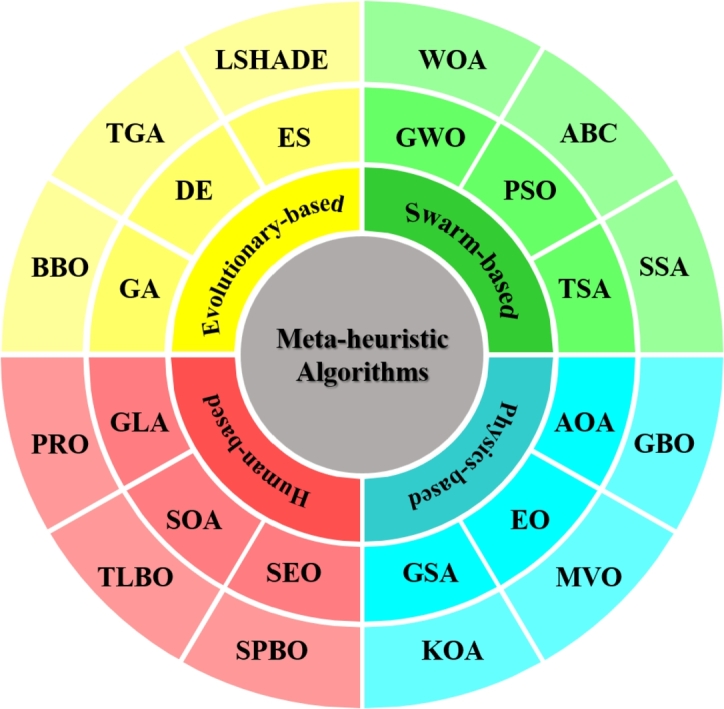 Figure 1
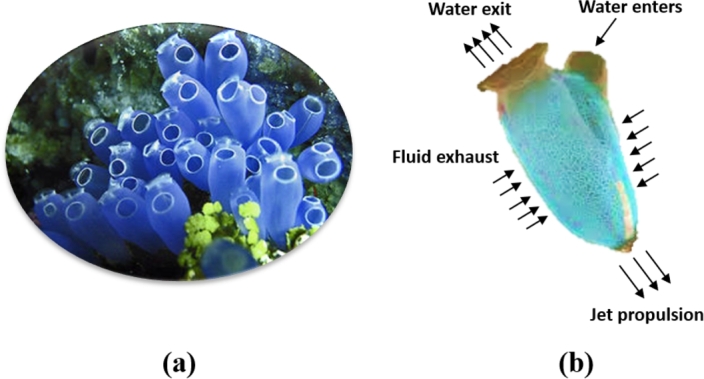 Figure 2
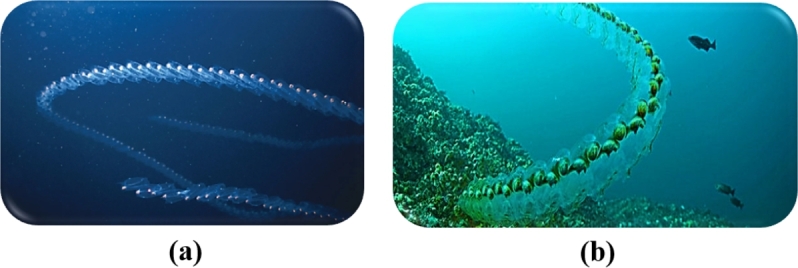 Figure 3
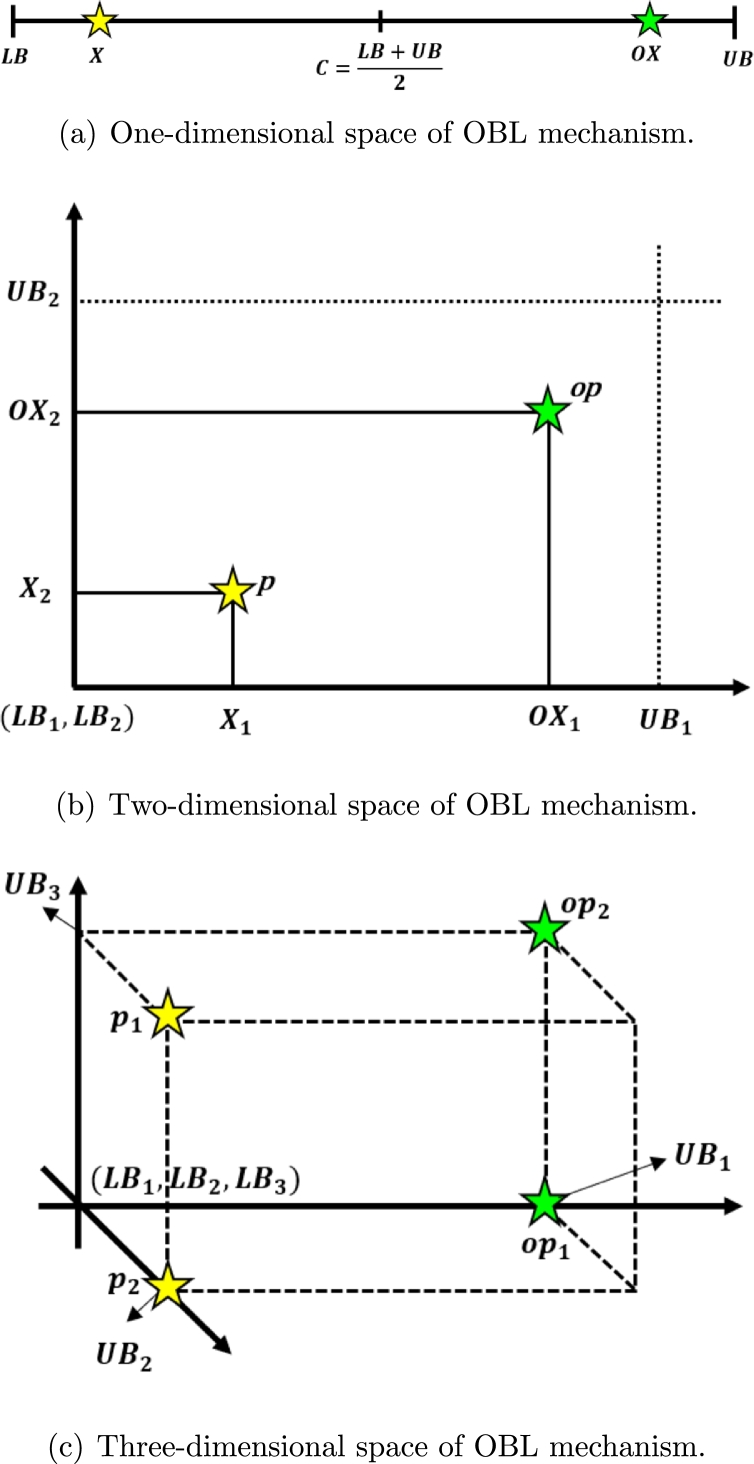 Figure 4
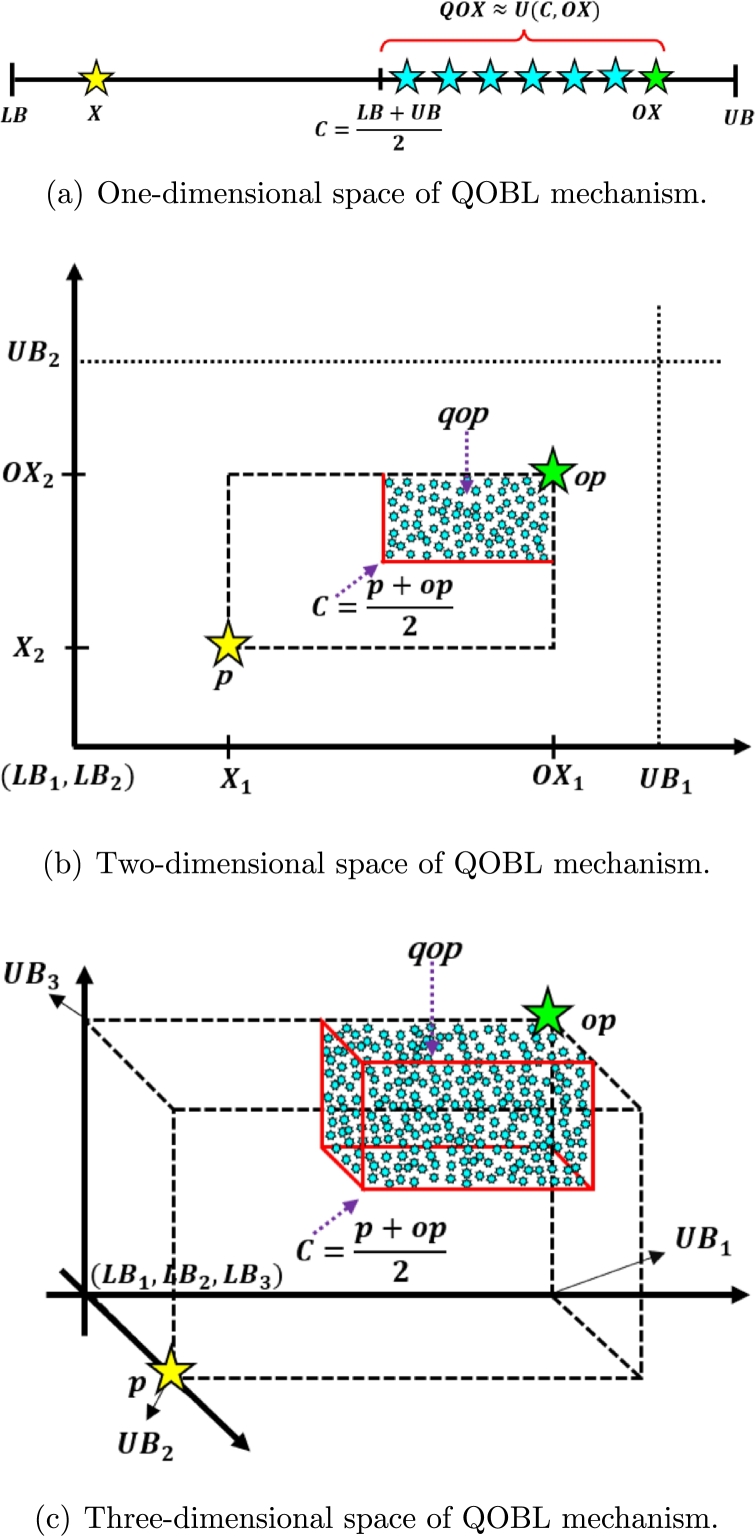 Figure 5
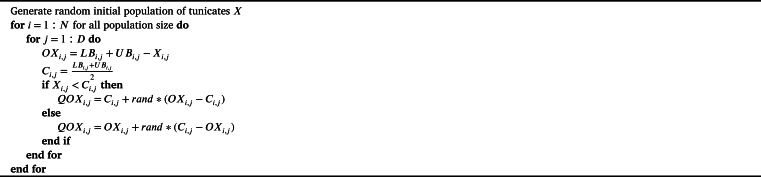 Figure 6
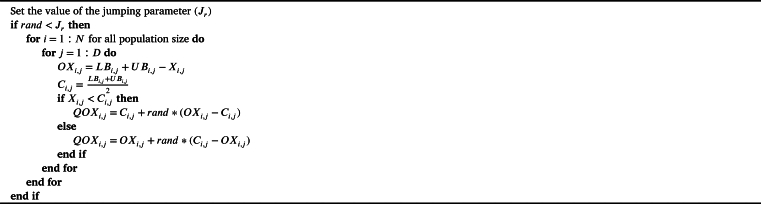 Figure 7
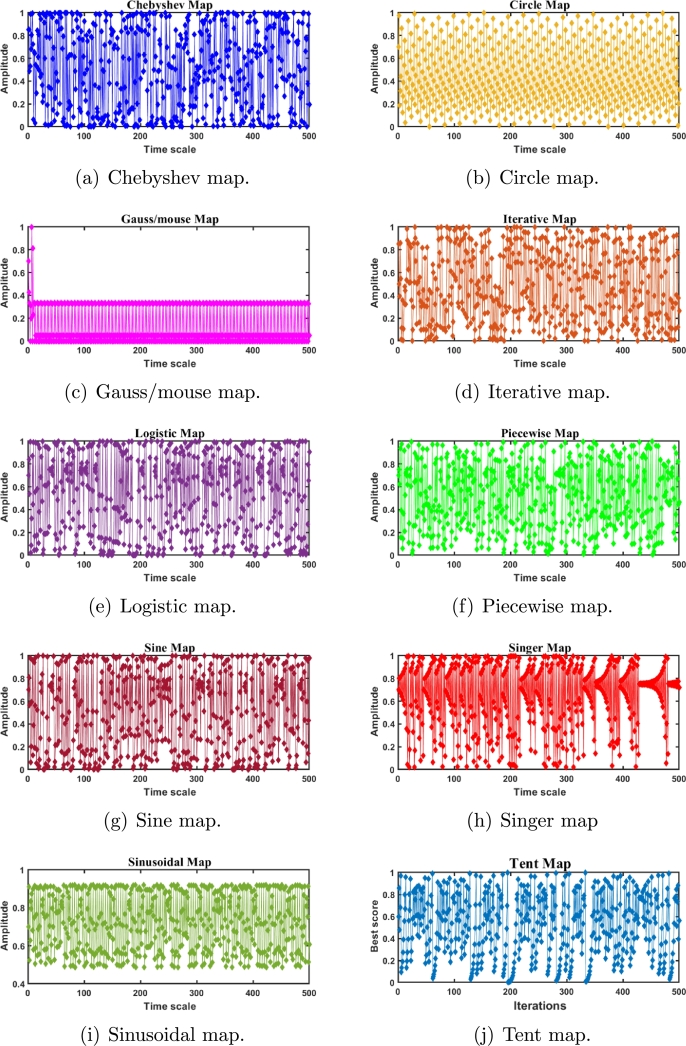 Figure 8
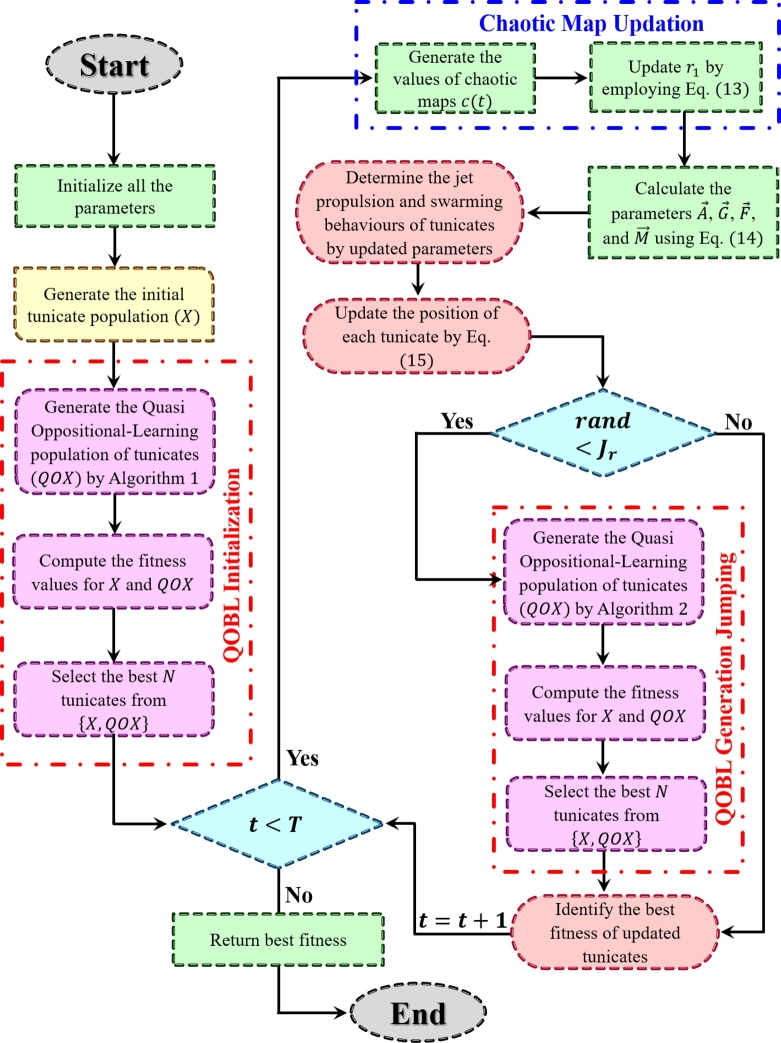 Figure 9
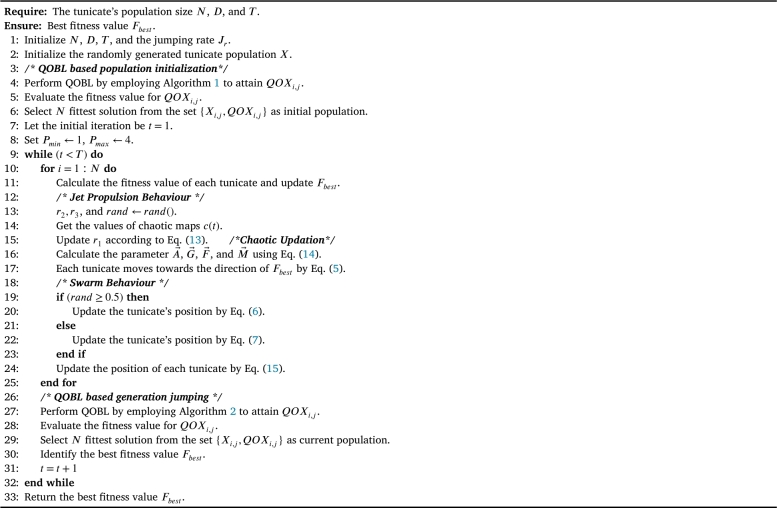 Figure 10
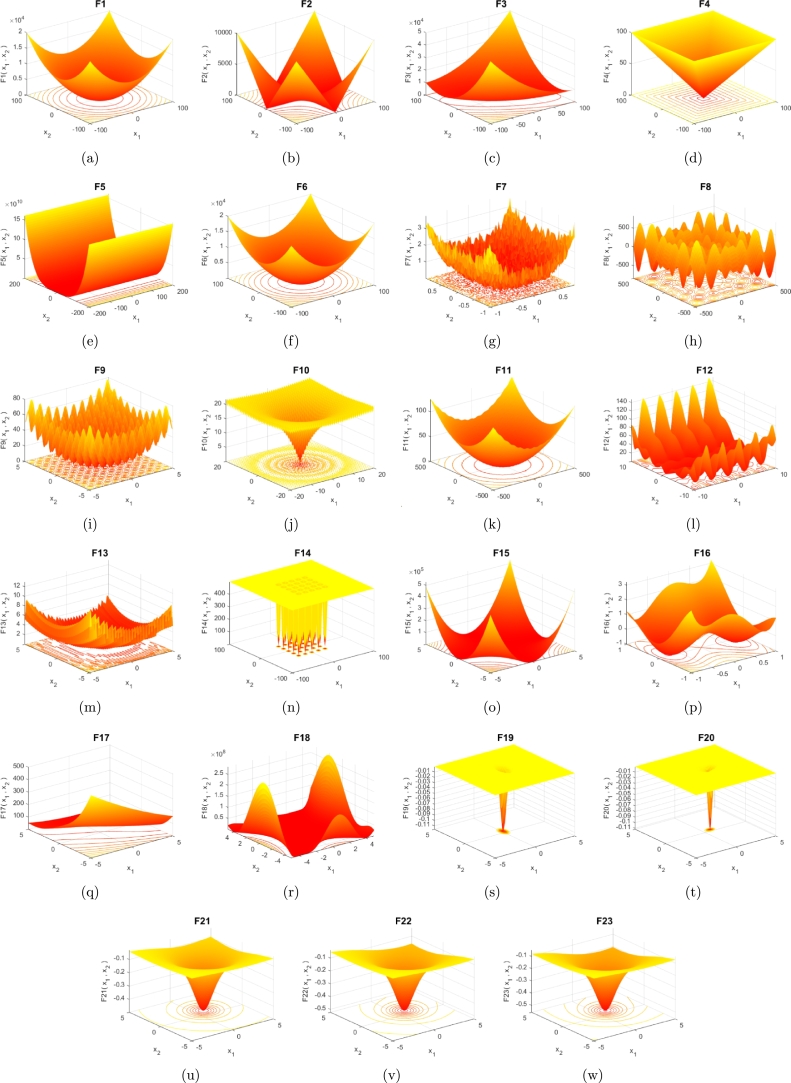 Figure 11
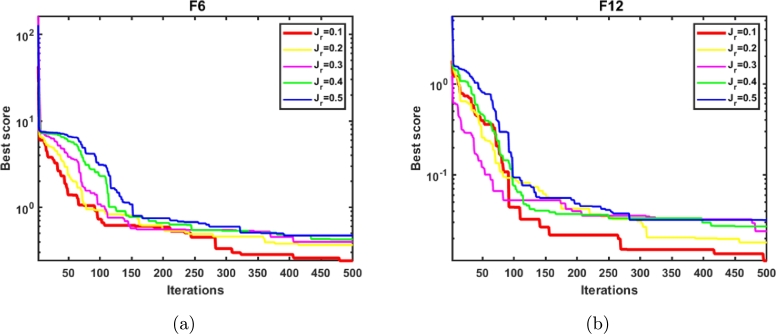 Figure 12
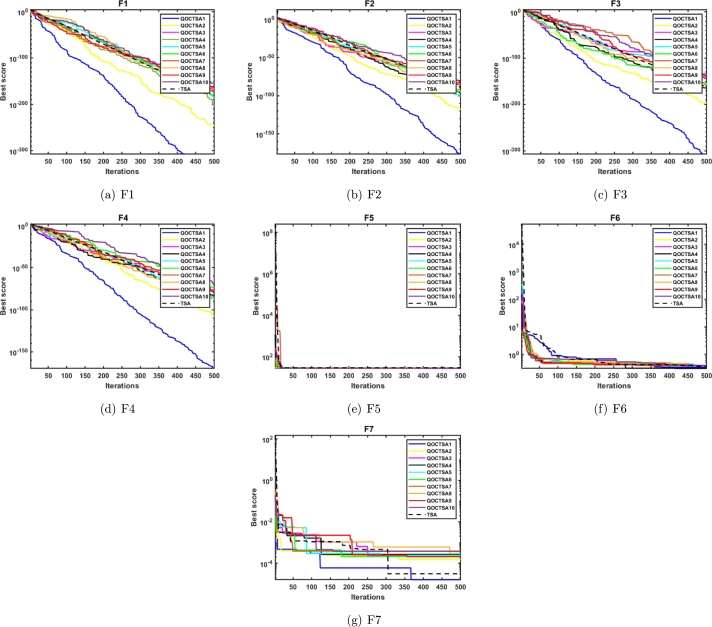 Figure 13
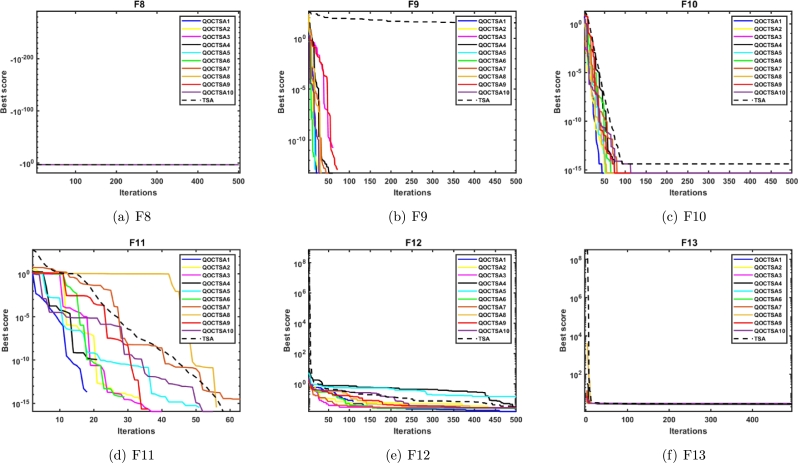 Figure 14
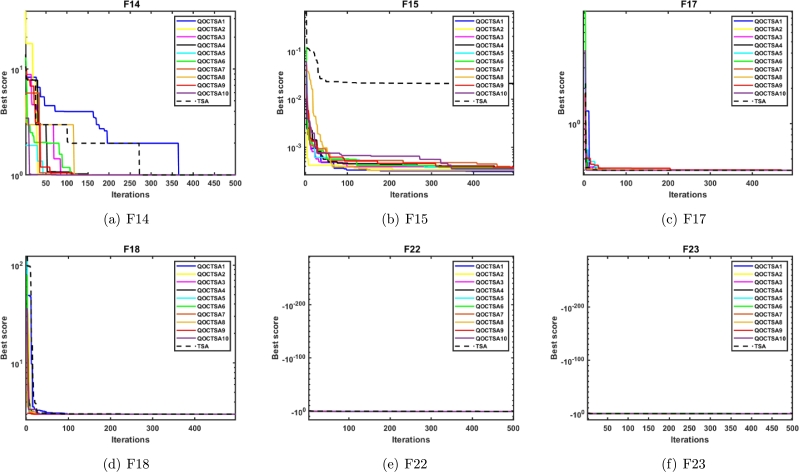 Figure 15
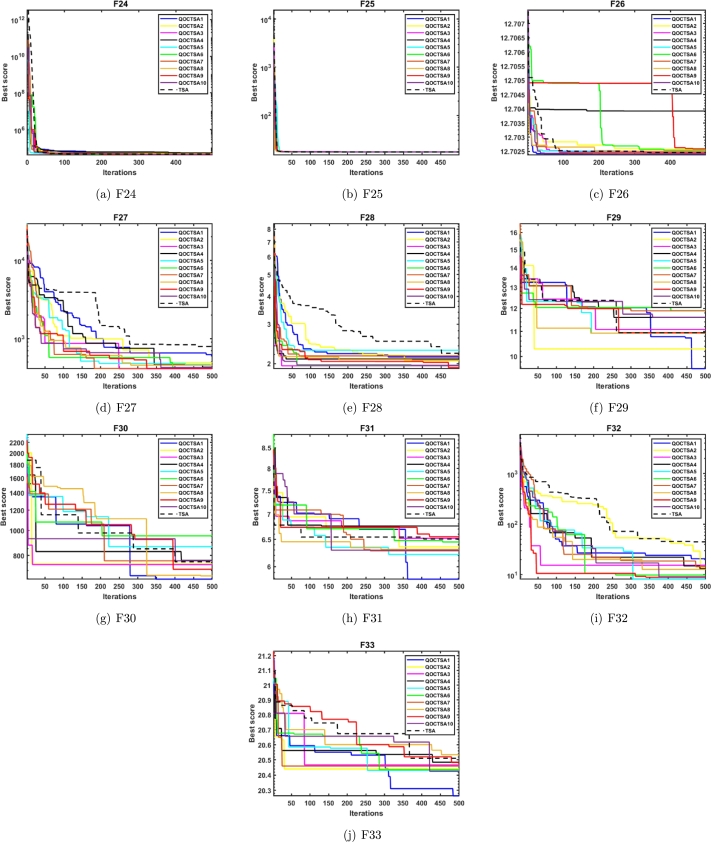 Figure 16
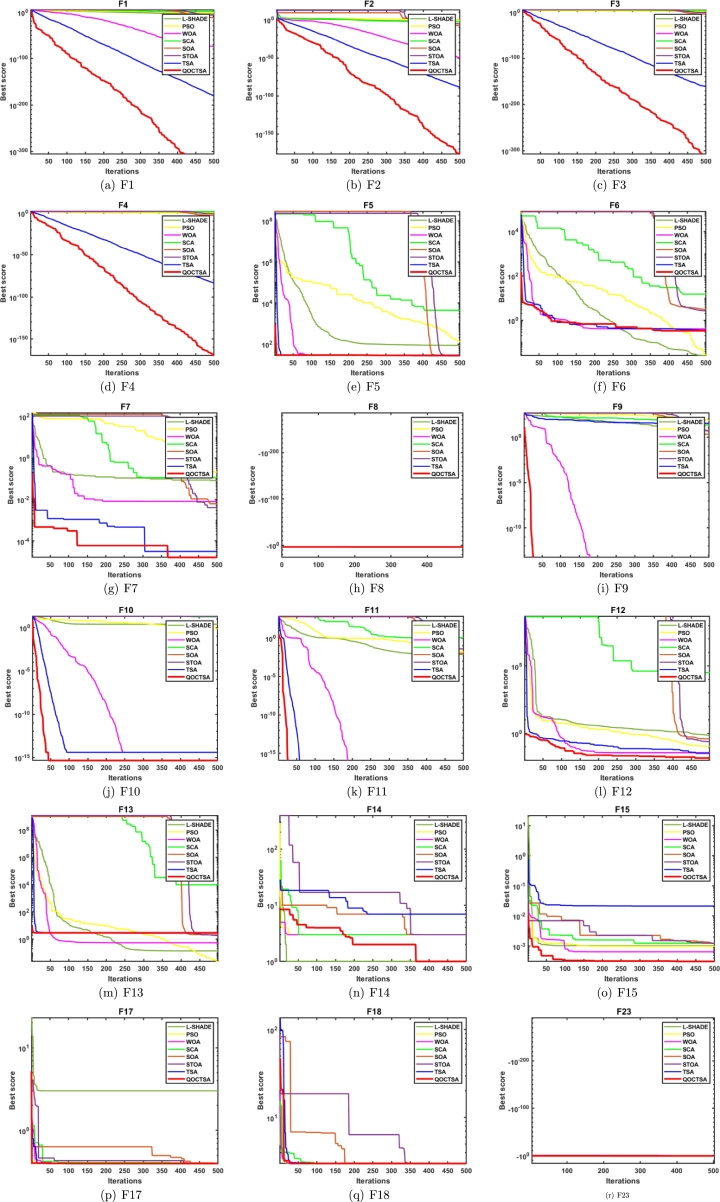 Figure 17
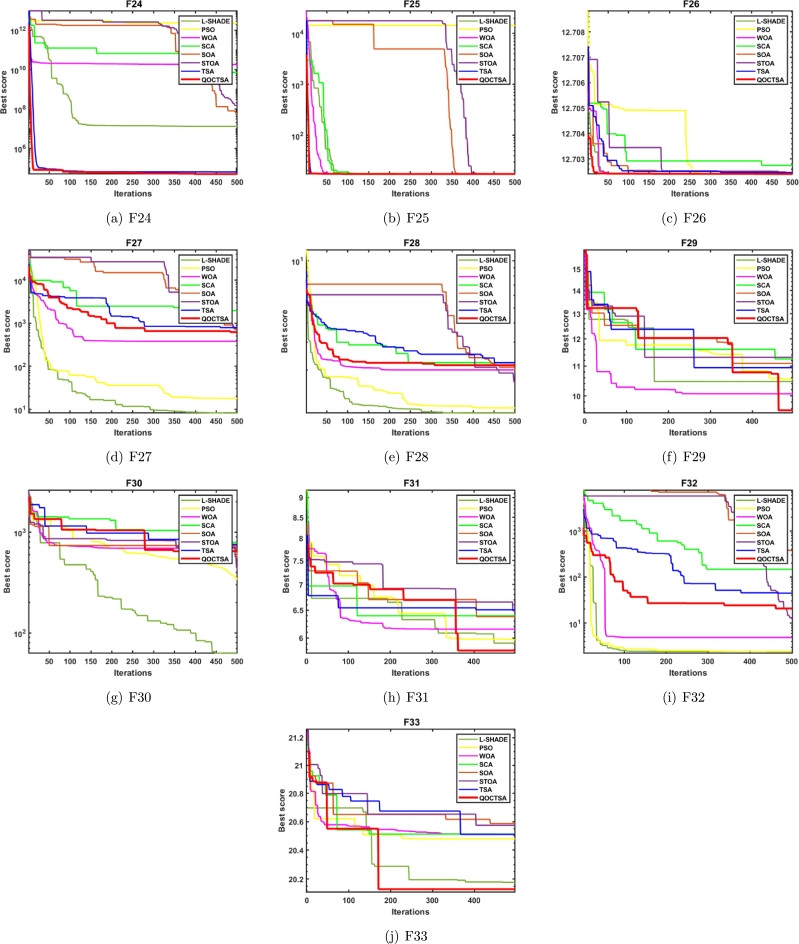 Figure 18
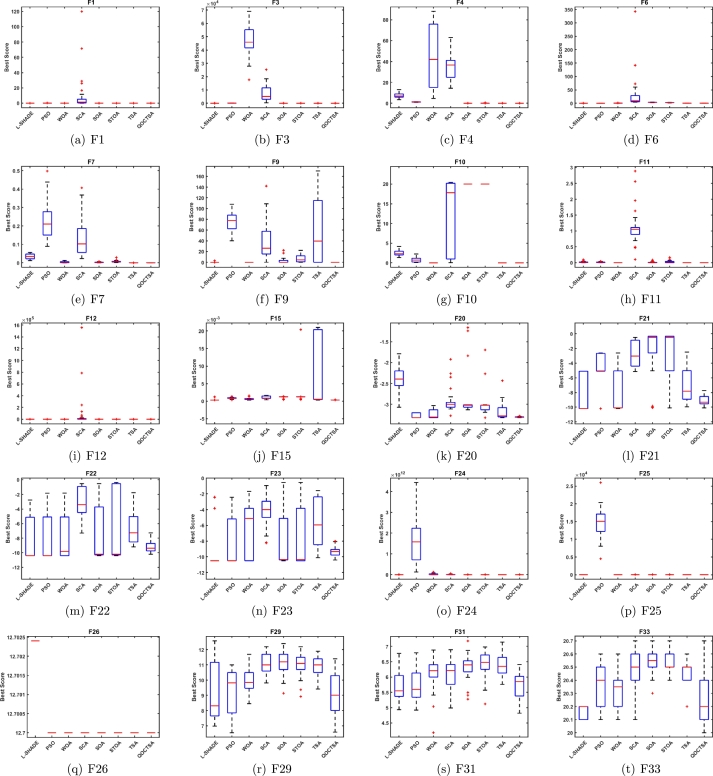 Figure 19
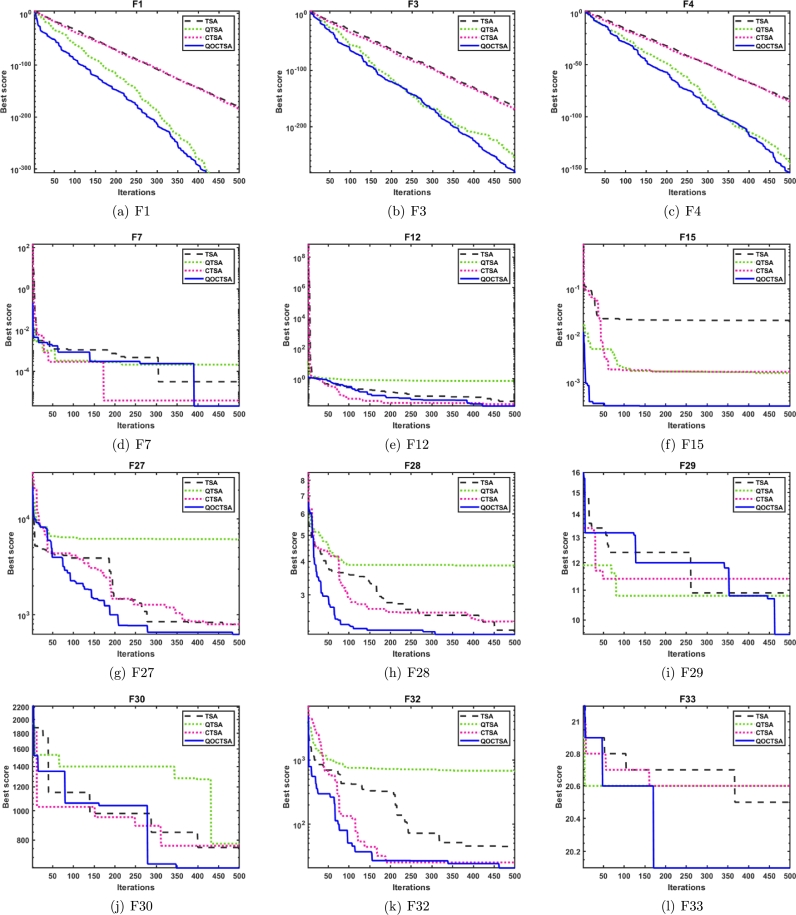 Figure 20
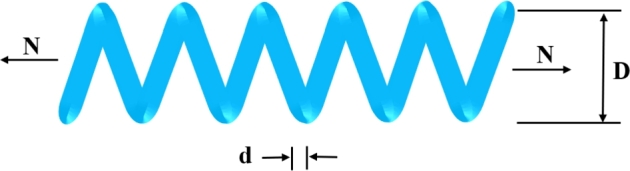 Figure 21
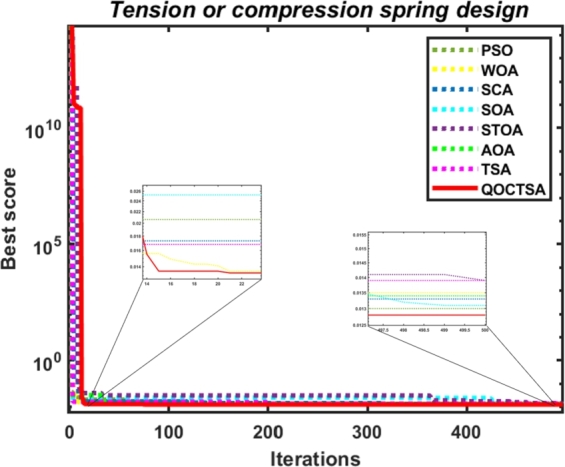 Figure 22
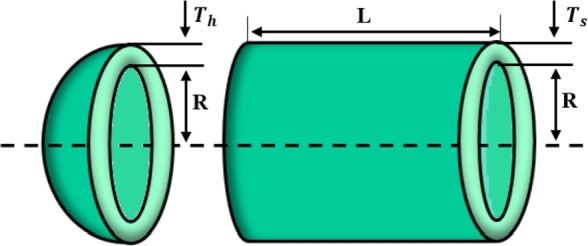 Figure 23
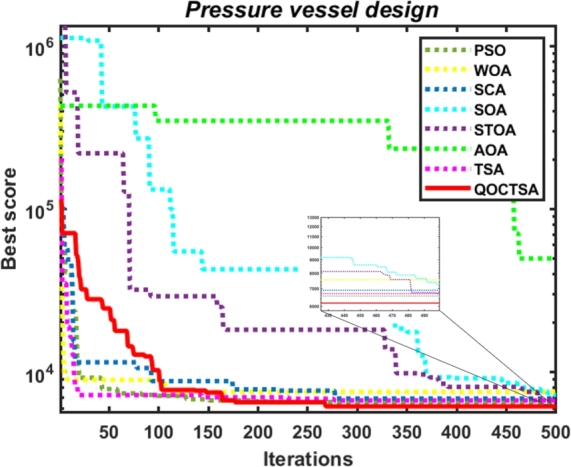 Figure 24
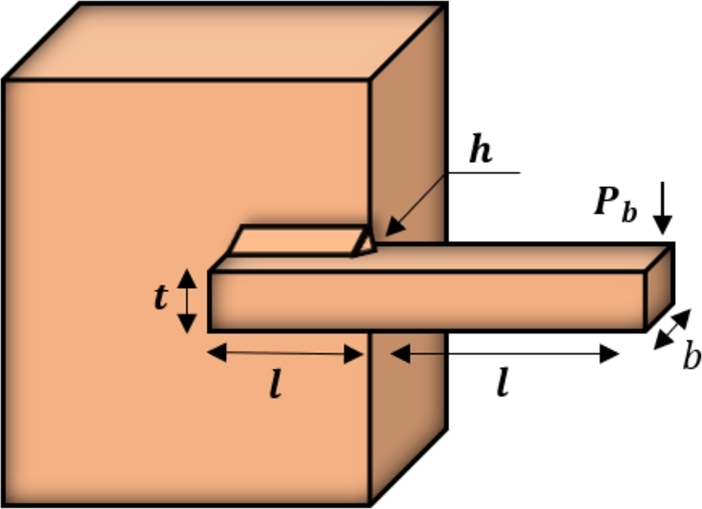 Figure 25
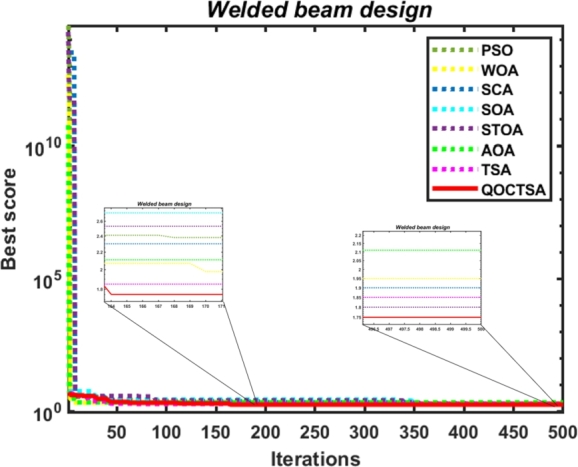 Figure 26
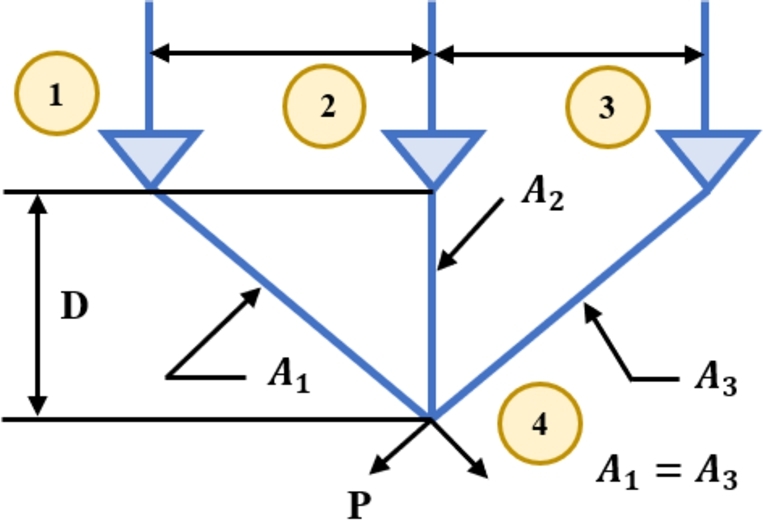 Figure 27
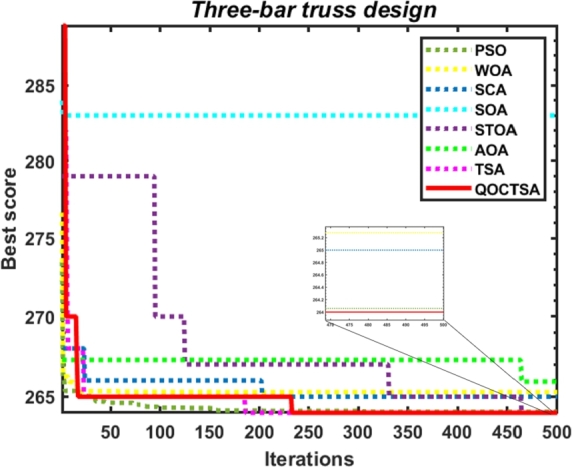 Figure 28
Peer Reviews
No public reviews on file for this paper yet. If you reviewed it on a platform where reviews are public (OpenReview, ICLR, NeurIPS, ICML), you can paste yours below so the community can read it here.
Videos
No videos yet. Explain this paper in a talk, walkthrough, or lecture? Add one.
Taxonomy
TopicsMetaheuristic Optimization Algorithms Research · Scientific and Engineering Research Topics · Evolutionary Algorithms and Applications