The genome sequence of the Grey Poplar Bell, Epinotia nisella (Clerck, 1759)
Douglas Boyes, James Hammond, Jerome H L Hui, Sivasankaran Kuppusamy, Ann-Marie Waldvogel

TL;DR
This paper presents the genome sequence of the Grey Poplar Bell, a species of moth, including its chromosomal structure and gene annotations.
Contribution
The study provides a high-quality genome assembly and gene annotation for Epinotia nisella, including chromosomal pseudomolecules and mitochondrial DNA.
Findings
The genome assembly spans 585.0 megabases and is scaffolded into 28 chromosomal pseudomolecules.
The mitochondrial genome is 15.44 kilobases long and was successfully assembled.
Gene annotation identified 18,952 protein-coding genes using Ensembl.
Abstract
We present a genome assembly from an individual male Epinotia nisella (the Grey Poplar Bell; Arthropoda; Insecta; Lepidoptera; Tortricidae). The genome sequence is 585.0 megabases in span. Most of the assembly is scaffolded into 28 chromosomal pseudomolecules, including the Z sex chromosome. The mitochondrial genome has also been assembled and is 15.44 kilobases in length. Gene annotation of this assembly on Ensembl identified 18,952 protein coding genes.
Genes, proteins, chemicals, diseases, species, mutations and cell lines named across the full text — each resolved to its canonical identifier and authoritative record.
Click any figure to enlarge with its caption.
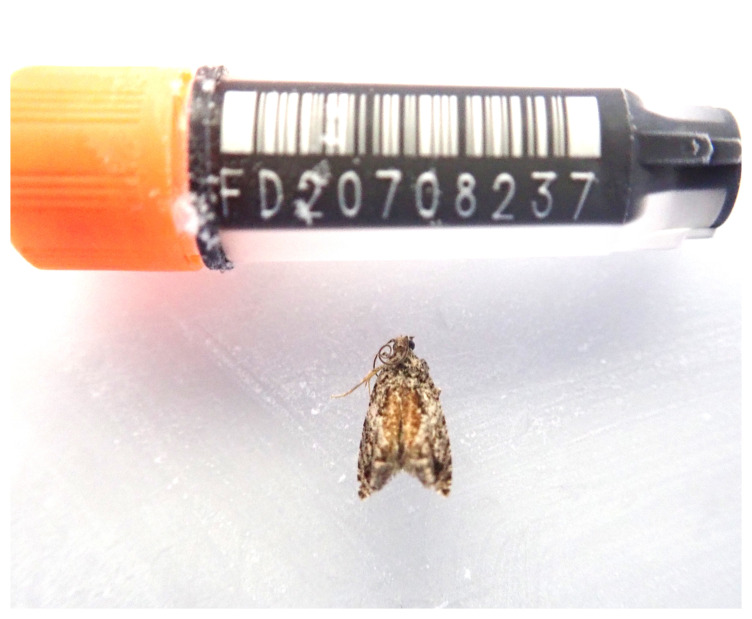 Figure 1
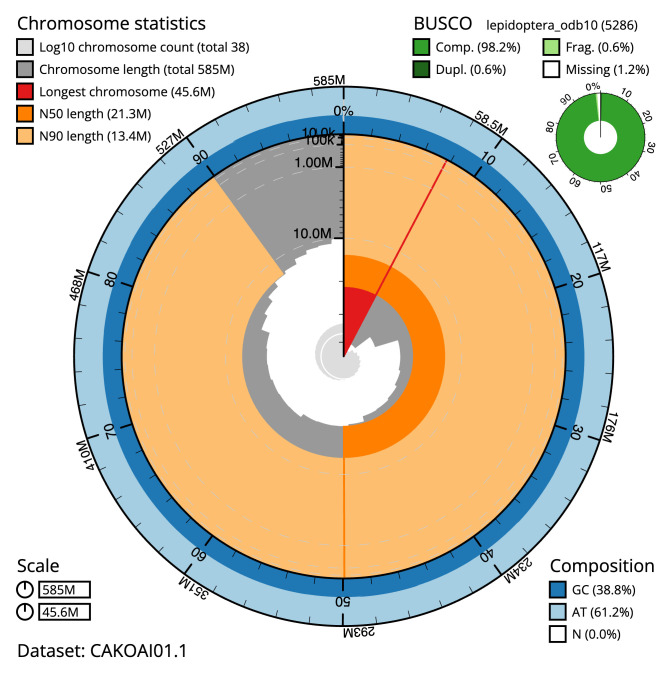 Figure 2
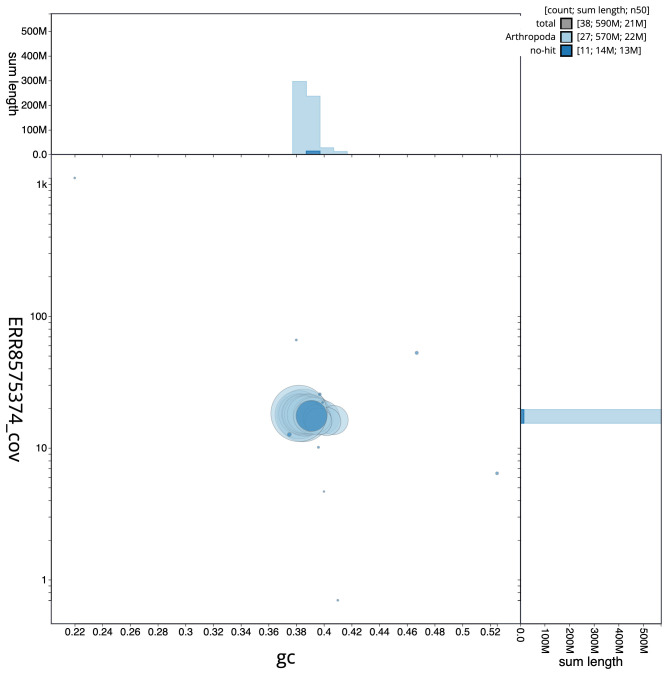 Figure 3
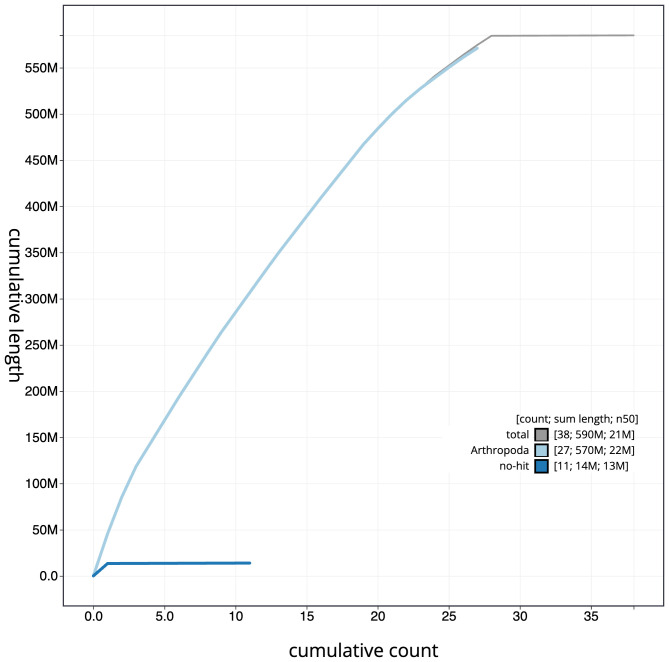 Figure 4
 Figure 5
Peer Reviews
No public reviews on file for this paper yet. If you reviewed it on a platform where reviews are public (OpenReview, ICLR, NeurIPS, ICML), you can paste yours below so the community can read it here.
Videos
No videos yet. Explain this paper in a talk, walkthrough, or lecture? Add one.
Taxonomy
TopicsGenomics and Phylogenetic Studies · Genetic diversity and population structure · Insect and Arachnid Ecology and Behavior