Spatial ecology and microhabitat selection of the nocturnal pitviper Viridovipera stejnegeri (Squamata: Viperidae) in relation to prey
Song‐Wen Tan, Ya‐Yong Wu, Jia‐Jun Wang, Bing Lyu, Min Yu, He Zhang, Peng Guo, Lei Shi

TL;DR
This study explores how the Asian pitviper Viridovipera stejnegeri selects ambush microhabitats for hunting, finding that it prioritizes conditions for successful attacks over areas with the most prey.
Contribution
The study introduces a predictive framework for ambush site selection in an arboreal snake species and challenges the assumption that prey abundance drives habitat choice.
Findings
V. stejnegeri shows strong preferences for 12 out of 13 environmental factors in ambush microhabitats.
The snake's habitat preferences overlap with its prey but are not driven by prey abundance.
Optimal ambush conditions, not food abundance, guide V. stejnegeri's microhabitat selection.
Abstract
Habitat is fundamental for facilitating various life activities in animals, for instance, snakes procure essential energy for survival and reproduction by selecting ambush microhabitats. While there has been extensive research on the selection of microhabitat for feeding in terrestrial and aquatic snakes, little is known about arboreal snakes. In the present study, we analyzed the ambush microhabitat preferences of Viridovipera stejnegeri, a widely distributed Asian pitviper in China, conducted association analysis between snake microhabitat and prey microhabitat and abundance to determine the ro5le of microhabitat selection in feeding. Employing random forest analysis and habitat selection functions, we further constructed a predictive framework for assessing the probability of ambush site selection by V. stejnegeri. Our results revealed that V. stejnegeri exhibited a distinct…
Genes, proteins, chemicals, diseases, species, mutations and cell lines named across the full text — each resolved to its canonical identifier and authoritative record.
Click any figure to enlarge with its caption.
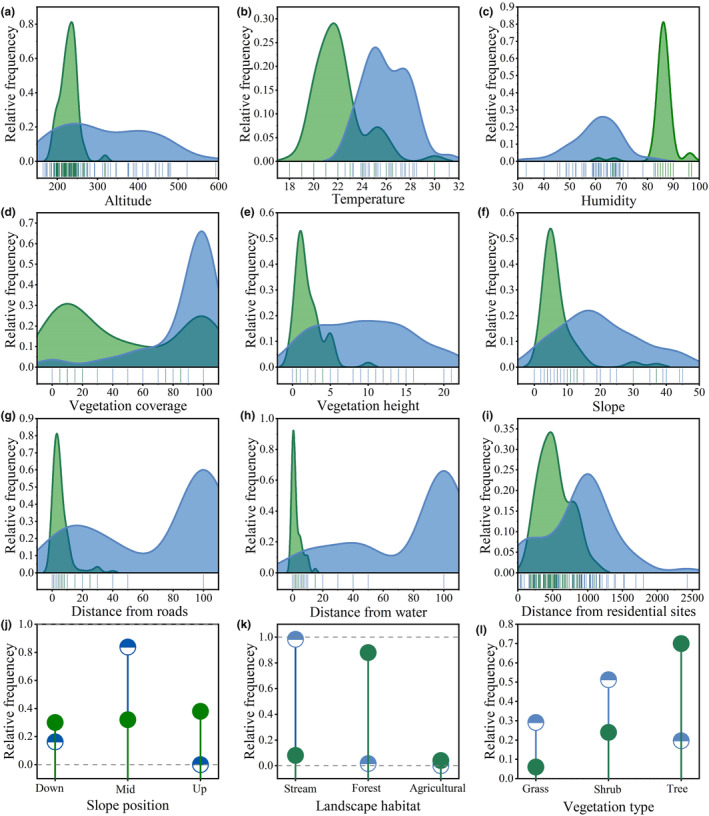 Figure 1
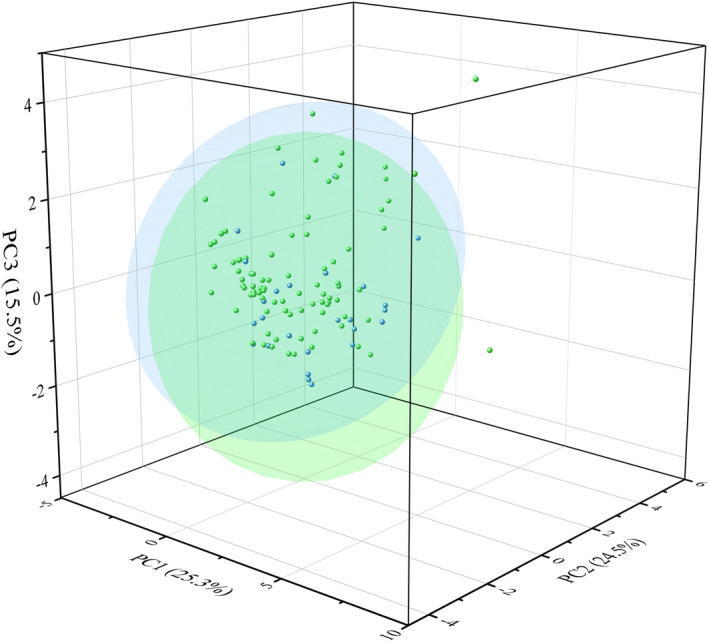 Figure 2
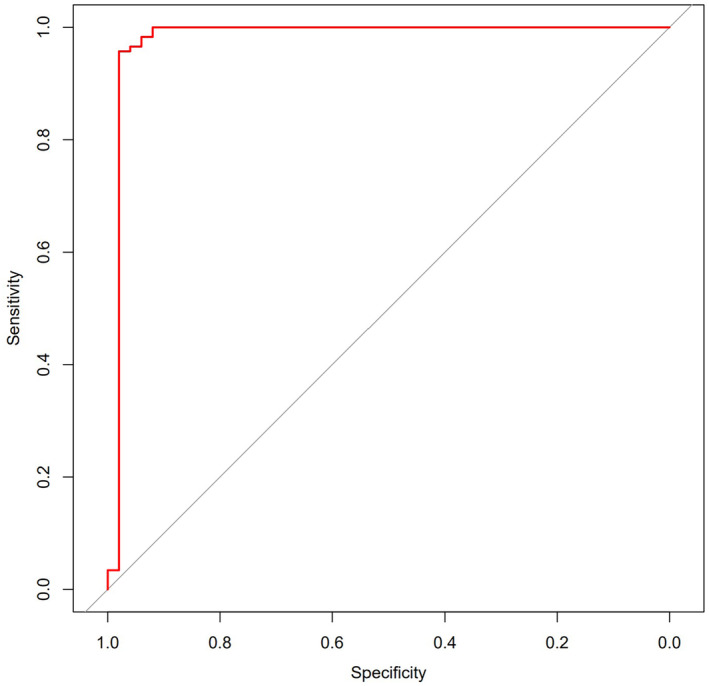 Figure 3
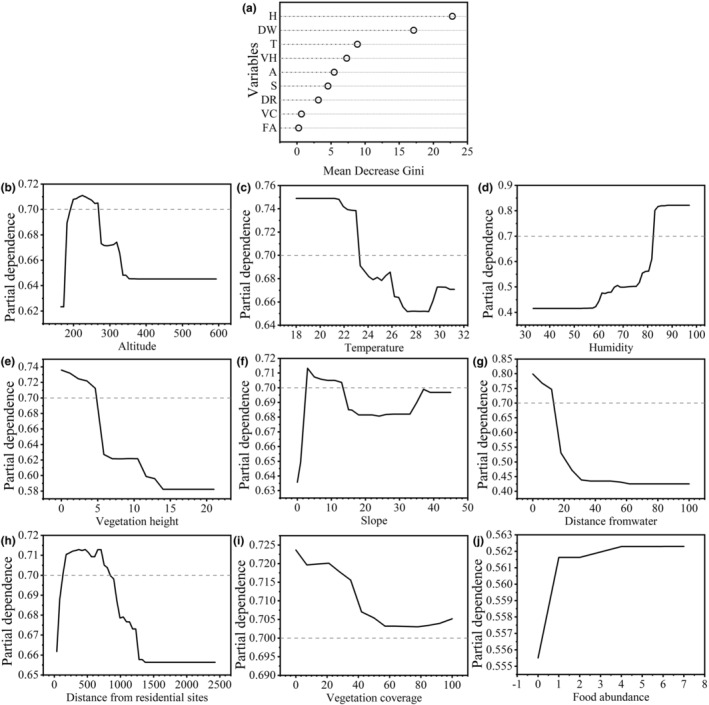 Figure 4
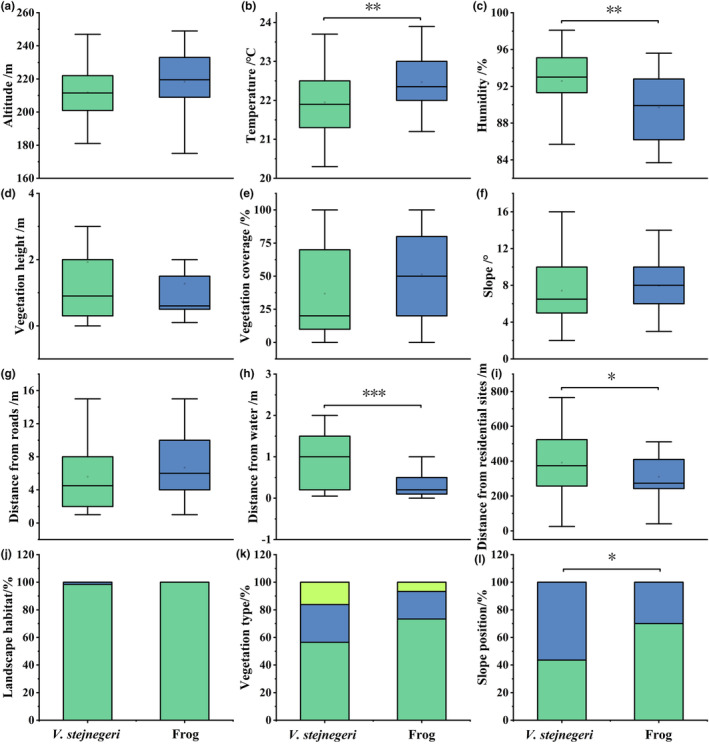 Figure 5
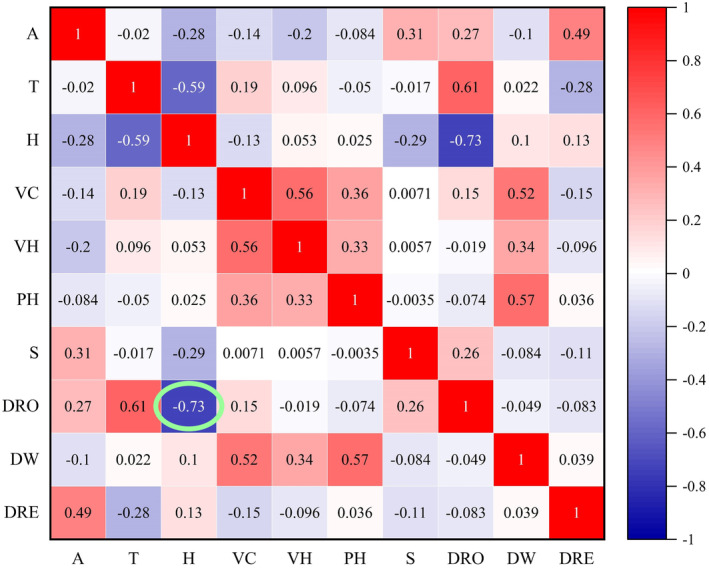 Figure 6
 Figure 7
 Figure 8
Peer Reviews
No public reviews on file for this paper yet. If you reviewed it on a platform where reviews are public (OpenReview, ICLR, NeurIPS, ICML), you can paste yours below so the community can read it here.
Videos
No videos yet. Explain this paper in a talk, walkthrough, or lecture? Add one.
Taxonomy
TopicsAmphibian and Reptile Biology · Wildlife Ecology and Conservation · Animal Behavior and Reproduction