Influence of relatively short-term culture on adult porcine islets for xenotransplantation
Naoaki Sakata, Gumpei Yoshimatsu, Ryo Kawakami, Shohta Kodama

TL;DR
Short-term culture of adult pig islets for 14 days maintains their quality and viability, making them suitable for xenotransplantation in diabetes treatment.
Contribution
Demonstrates that 14-day culture of adult porcine islets preserves function and viability, important for xenotransplantation.
Findings
Morphology and viability of porcine islets remained stable after 14 days of culture.
Glucose-stimulated insulin secretion was preserved, though Ins, Gcg, and Sst gene expressions were reduced.
Islets engrafted successfully in diabetic mice 56 days post-transplantation despite no blood glucose normalization.
Abstract
Porcine islet xenotransplantation is a promising therapy for severe diabetes mellitus. Maintenance of the quality and quantity of porcine islets is important for the success of this treatment. Here, we aimed to elucidate the influence of relatively short-term (14 days) culture on adult porcine islets isolated from three micro-minipigs (P111, P112 and P121). Morphological characteristics of islets changed little after 14 days of culture. The viability of cultured islets was also maintained at a high level (> 80%). Furthermore, cultured islets exhibited similar glucose-stimulated insulin secretion and insulin content at Day 14 were preserved comparing with Day 1, while the expressions of Ins, Gcg and Sst were attenuated at Day 14. Xenotransplantation using diabetic nude mice showed no normalization of blood glucose but increased levels of plasma porcine C-peptide after the transplantation…
Genes, proteins, chemicals, diseases, species, mutations and cell lines named across the full text — each resolved to its canonical identifier and authoritative record.
Click any figure to enlarge with its caption.
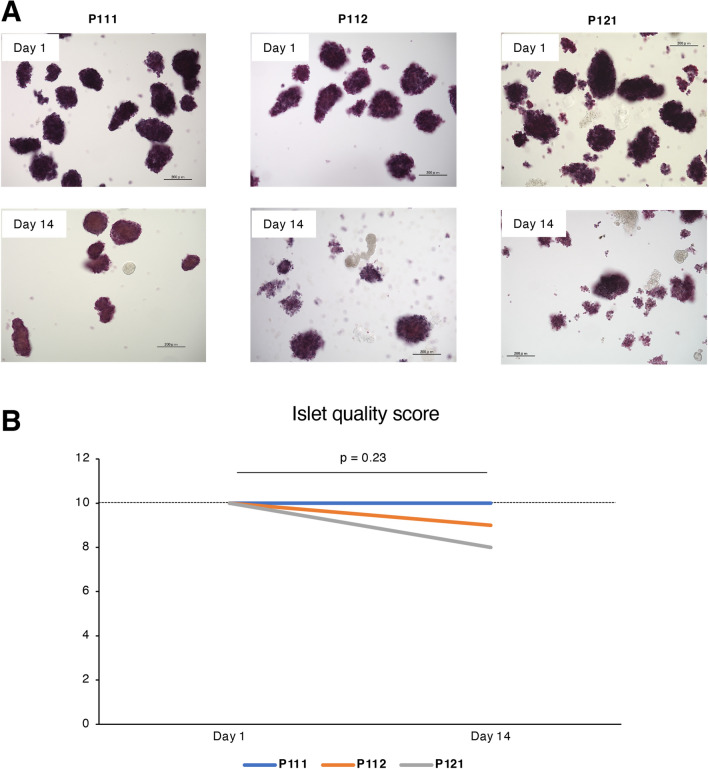 Figure 1
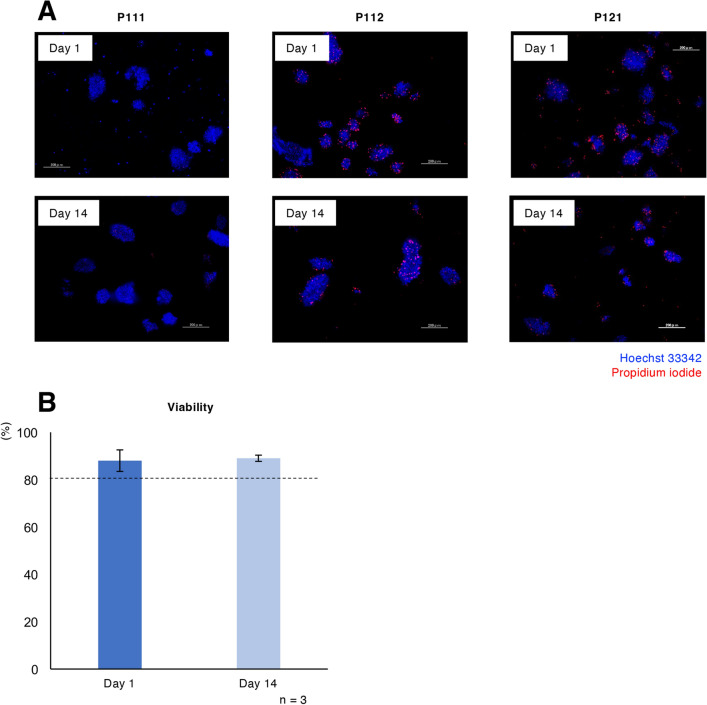 Figure 2
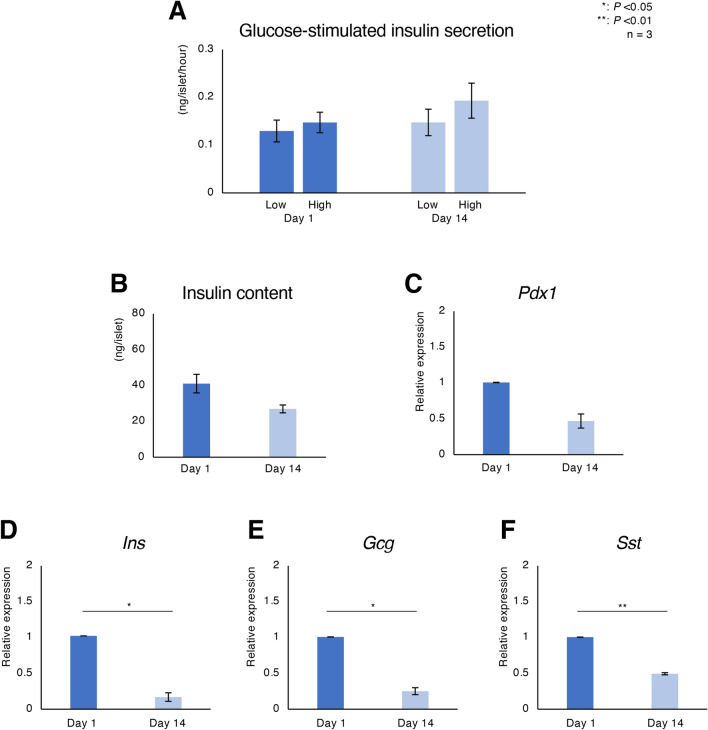 Figure 3
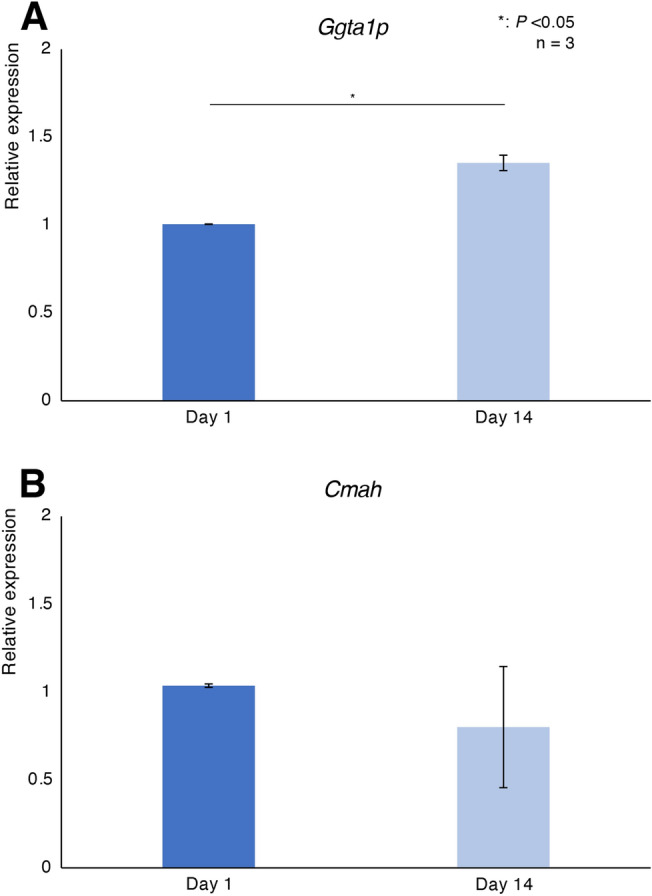 Figure 4
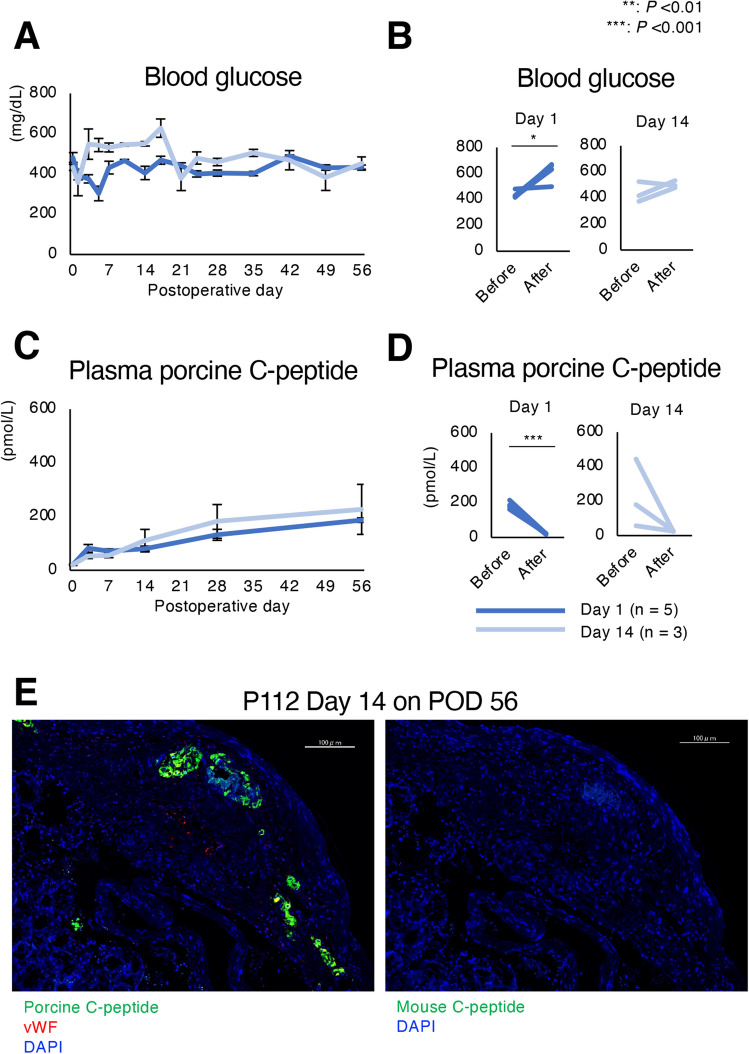 Figure 5
Peer Reviews
No public reviews on file for this paper yet. If you reviewed it on a platform where reviews are public (OpenReview, ICLR, NeurIPS, ICML), you can paste yours below so the community can read it here.
Videos
No videos yet. Explain this paper in a talk, walkthrough, or lecture? Add one.
Taxonomy
TopicsProbiotics and Fermented Foods · Clostridium difficile and Clostridium perfringens research