Cloning and functional characterization of the peptide deformylase encoding gene EuPDF1B from Eucommia ulmoides Oliv
Yumei Wang, De-Gang Zhao

TL;DR
This study clones and characterizes a peptide deformylase gene from a woody plant, showing it promotes growth in transgenic tobacco.
Contribution
The first cloning and functional analysis of a peptide deformylase gene and its promoter from a woody plant species.
Findings
EuPDF1B is a 1176-bp gene encoding a 276-amino acid chloroplast-localized protein.
EuPDF1B expression is enhanced by ABA, MeJA, and GA, and inhibited by shading.
Transgenic tobacco plants overexpressing EuPDF1B show increased photosynthesis and growth.
Abstract
Peptide deformylase can catalyse the removal of formyl groups from the N-terminal formyl methionine of the primary polypeptide chain. The peptide deformylase genes of a few herbaceous plants have been studied to some extent, but the peptide deformylase genes of woody plants have not been studied. In this study, we isolated EuPDF1B from Eucommia ulmoides Oliv. The full-length sequence of EuPDF1B is 1176 bp long with a poly-A tail and contains an open reading frame of 831 bp that encodes a protein of 276 amino acids. EuPDF1B was localized to the chloroplast. qRT‒PCR analysis revealed that this gene was expressed in almost all tissues tested but mainly in mature leaves. Moreover, the expression of EuPDF1B was enhanced by ABA, MeJA and GA and inhibited by shading treatment. The expression pattern of EuPDF1B was further confirmed in EuPDF1Bp: GUS transgenic tobacco plants. Among all the…
Genes, proteins, chemicals, diseases, species, mutations and cell lines named across the full text — each resolved to its canonical identifier and authoritative record.
Click any figure to enlarge with its caption.
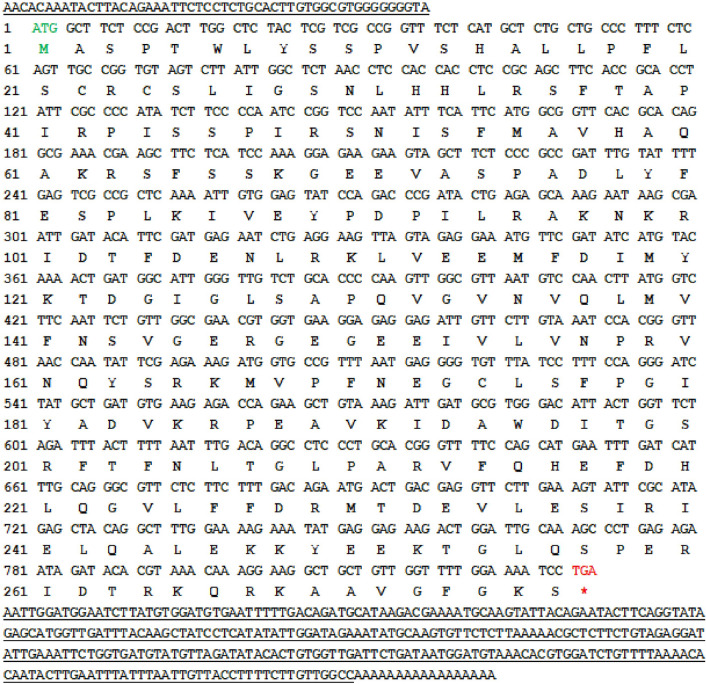 Figure 1
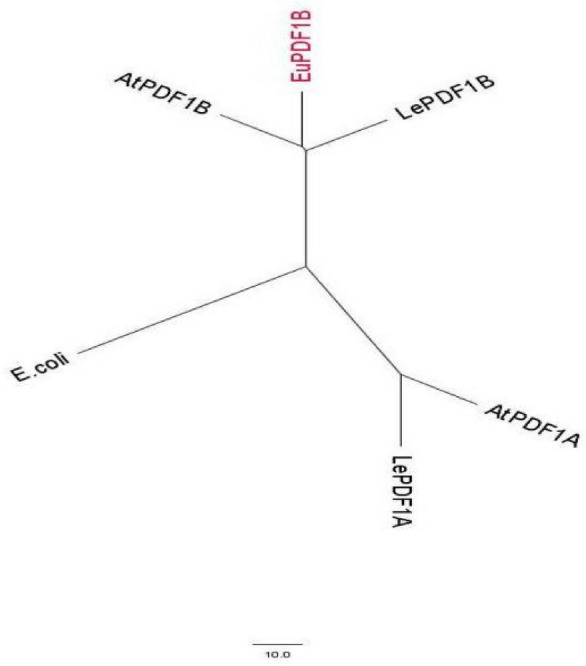 Figure 2
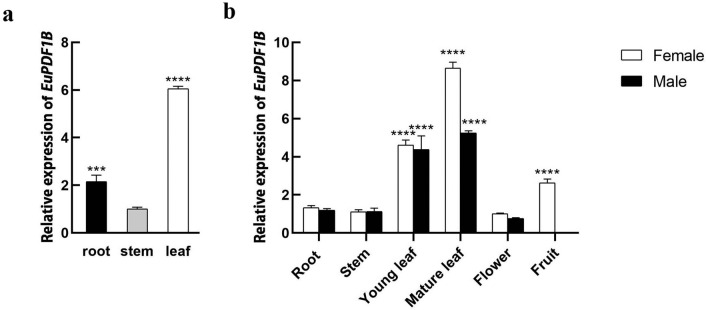 Figure 3
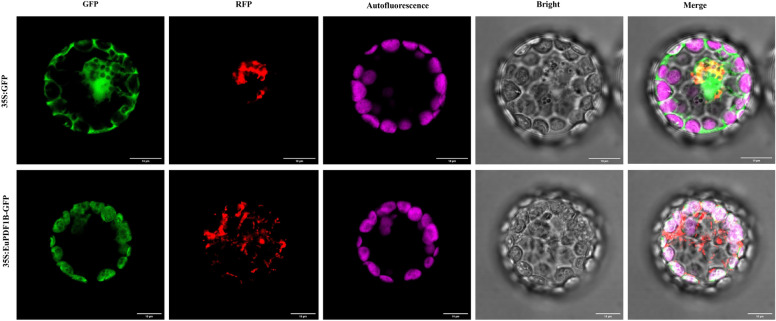 Figure 4
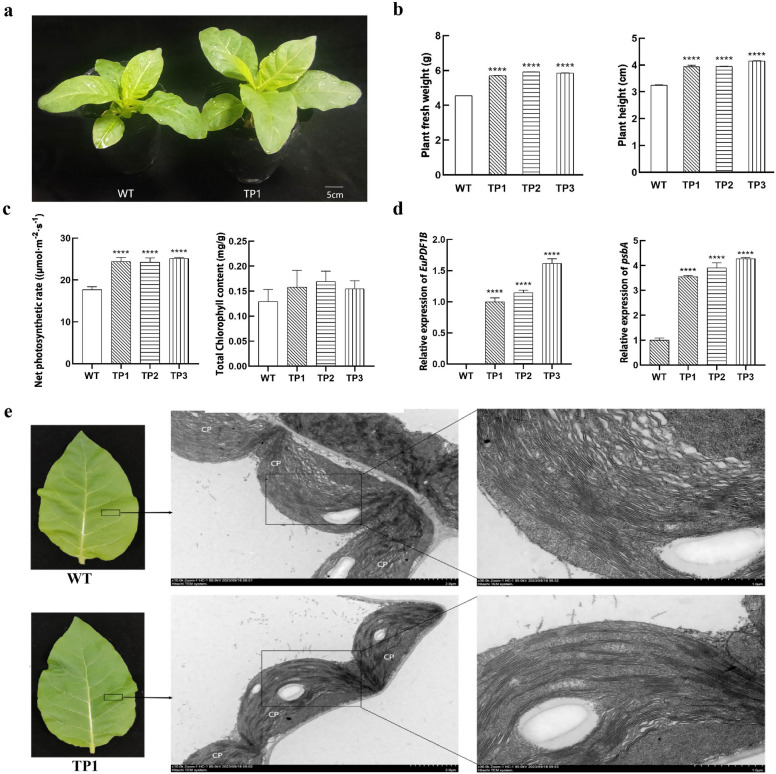 Figure 5
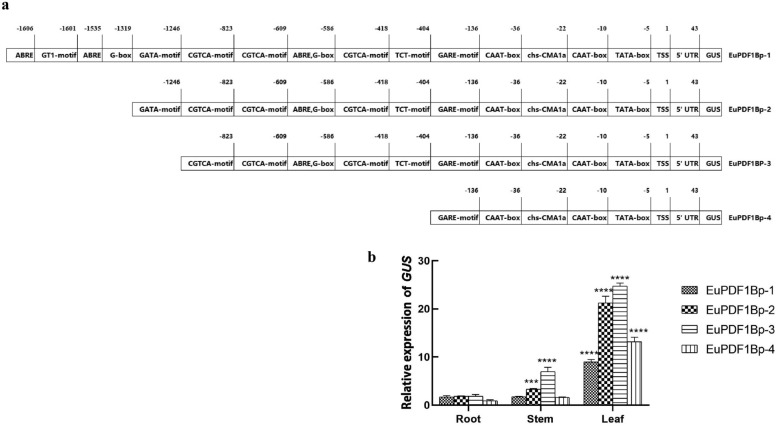 Figure 6
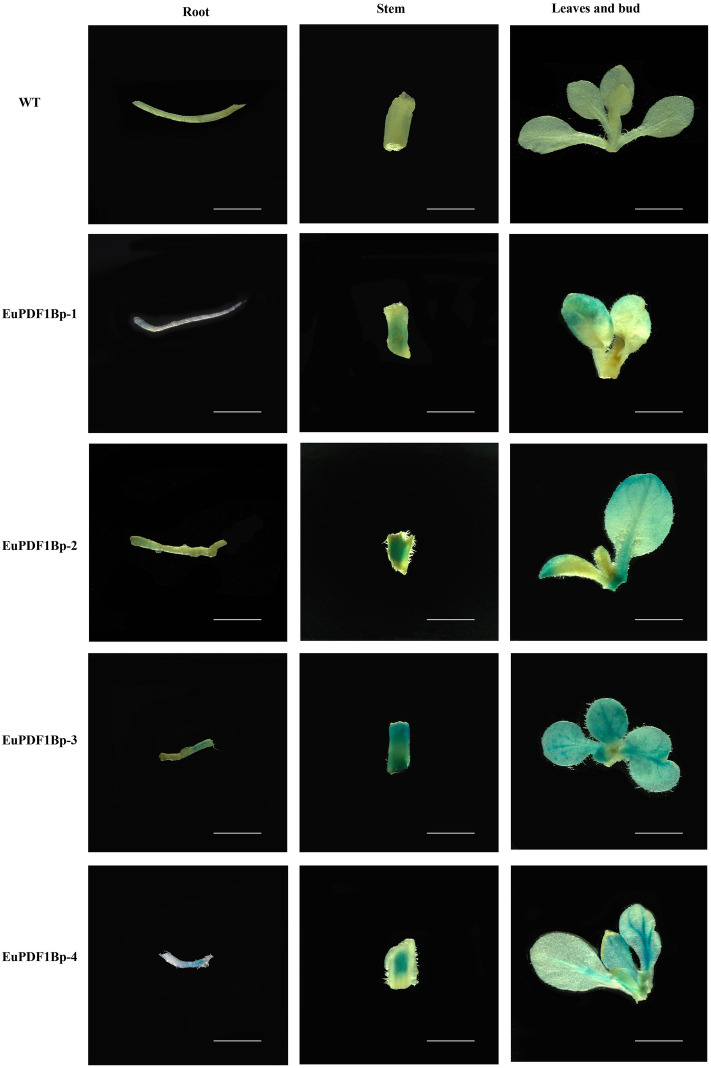 Figure 7
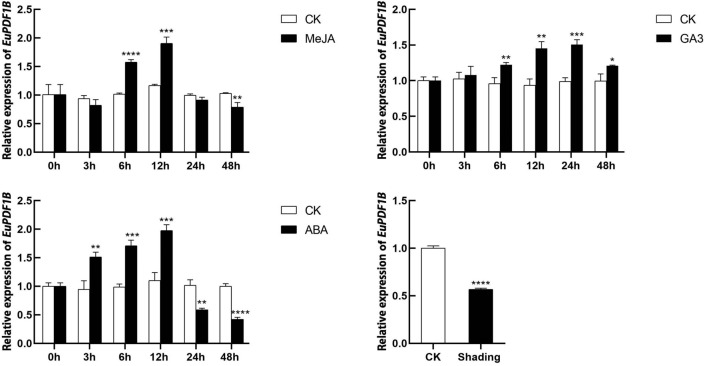 Figure 8
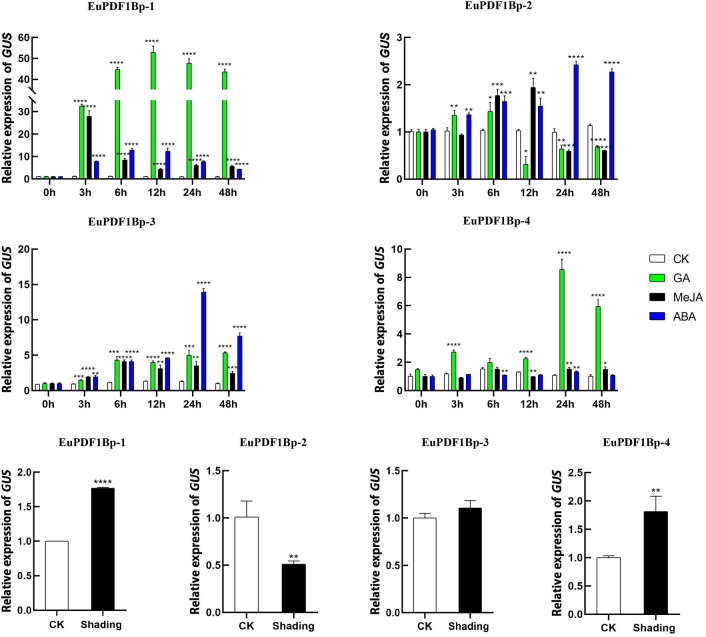 Figure 9
Peer Reviews
No public reviews on file for this paper yet. If you reviewed it on a platform where reviews are public (OpenReview, ICLR, NeurIPS, ICML), you can paste yours below so the community can read it here.
Videos
No videos yet. Explain this paper in a talk, walkthrough, or lecture? Add one.
Taxonomy
TopicsPeptidase Inhibition and Analysis · Signaling Pathways in Disease · Protease and Inhibitor Mechanisms