Ex vivo pharmacokinetic/pharmacodynamic of hexahydrocolupulone against Clostridium perfringens in broiler chickens
Wanying Zhang, Yixing Lu, Minglang Ma, Jinyu Yang, Huiguo Huang, Xianfeng Peng, Zhenling Zeng, Dongping Zeng

TL;DR
This study examines how hexahydrocolupulone fights Clostridium perfringens in broiler chickens and determines the best dosage for treatment.
Contribution
The study introduces a dosing regimen for hexahydrocolupulone based on PK/PD modeling in broiler chickens.
Findings
Hexahydrocolupulone's MIC against C. perfringens ranged from 2 to 16 mg/L in broth and 8 to 64 mg/L in ileal content.
A dosage of 32.9 mg/kg every 24 hours for 3 days is effective if MIC is below 4 mg/L.
The AUC0-24h/MIC values for bacteriostatic, bactericidal, and eradication effects were 36.79, 52.67, and 62.71 hours, respectively.
Abstract
The economic impact of necrotizing enteritis (NE) resulting from Clostridium perfringens infection has been significant within the broiler industry. This study primarily investigated the antibacterial efficacy of hexahydrocolupulone against C. perfringens, and its pharmacokinetics within the ileal contents of broiler chickens. Additionally, a dosing regimen was developed based on the pharmacokinetic/pharmacodynamic (PK/PD) model specific to broiler chickens. Results of the study indicated that the minimum inhibitory concentration (MIC) of hexahydrocolupulone against C. perfringens ranged from 2 mg/L to 16 mg/L in MH broth. However, in ileal content, the MIC ranged from 8 mg/L to 64 mg/L. The mutation prevention concentration (MPC) in the culture medium was found to be 128 mg/L. After oral administration of hexahydrocolupulone at a single dosage of 10–40 mg/kg bodyweight, the peak…
Genes, proteins, chemicals, diseases, species, mutations and cell lines named across the full text — each resolved to its canonical identifier and authoritative record.
Click any figure to enlarge with its caption.
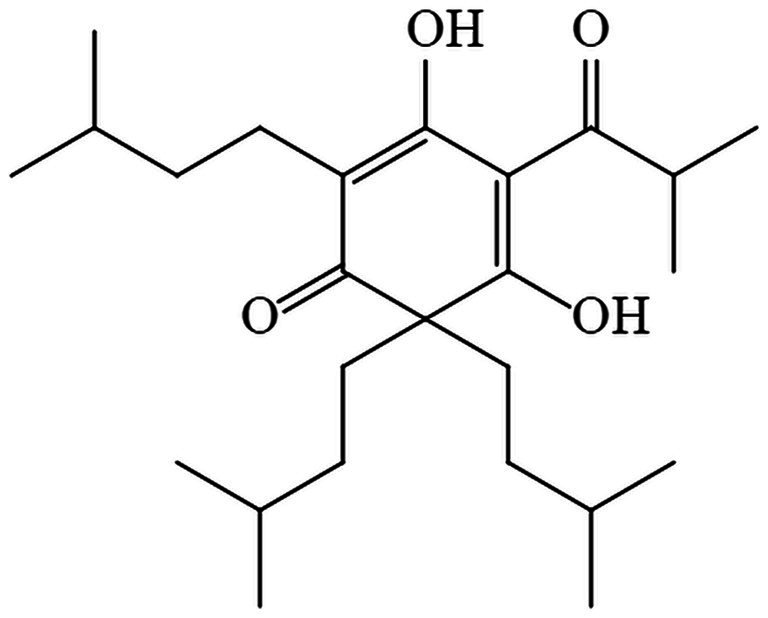 Figure 1
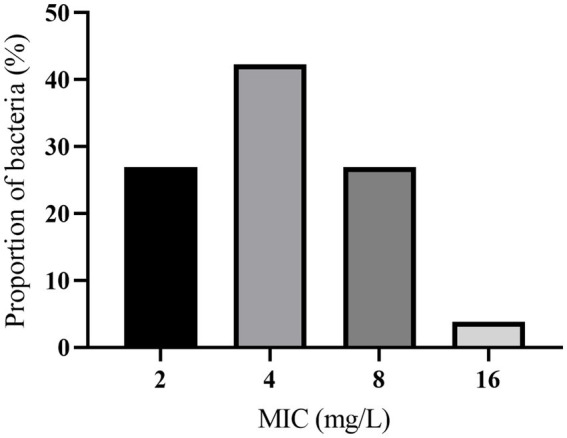 Figure 2
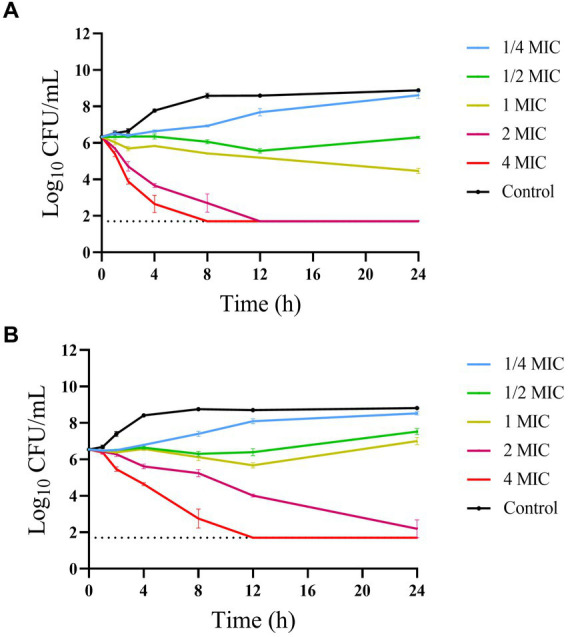 Figure 3
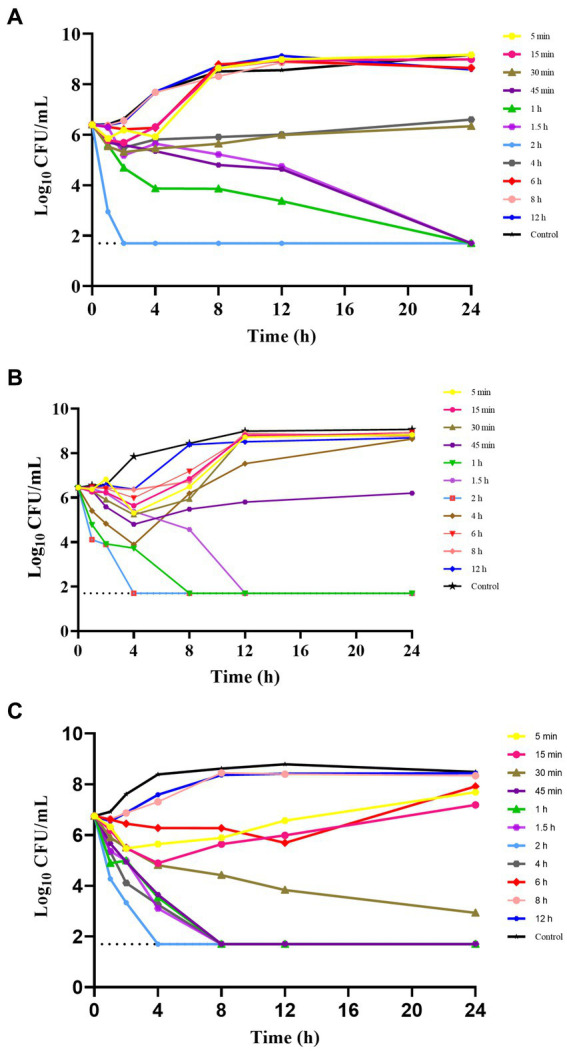 Figure 4
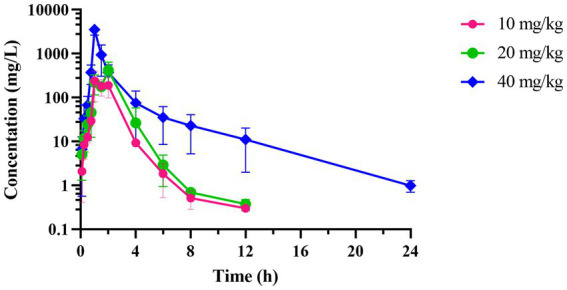 Figure 5
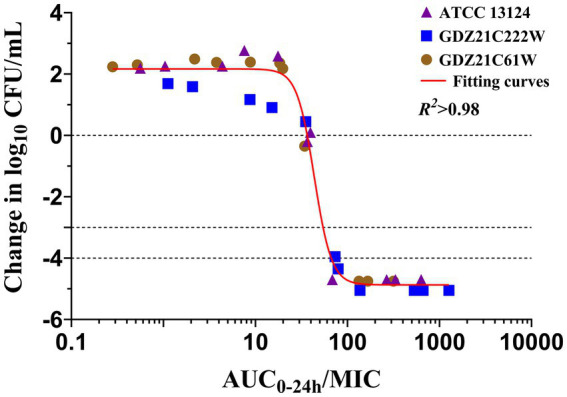 Figure 6
Peer Reviews
No public reviews on file for this paper yet. If you reviewed it on a platform where reviews are public (OpenReview, ICLR, NeurIPS, ICML), you can paste yours below so the community can read it here.
Videos
No videos yet. Explain this paper in a talk, walkthrough, or lecture? Add one.
Taxonomy
TopicsAntibiotics Pharmacokinetics and Efficacy · Clostridium difficile and Clostridium perfringens research · Veterinary medicine and infectious diseases