Oxytetracycline hyper-production through targeted genome reduction of Streptomyces rimosus
Alen Pšeničnik, Lucija Slemc, Martina Avbelj, Miha Tome, Martin Šala, Paul Herron, Maksym Shmatkov, Marko Petek, Špela Baebler, Peter Mrak, Daslav Hranueli, Antonio Starčević, Iain S. Hunter, Hrvoje Petković

TL;DR
Scientists improved antibiotic production in a bacteria by removing parts of its genome, which also activated previously silent genes.
Contribution
This study shows that targeted genome deletions can activate silent biosynthetic gene clusters in bacteria.
Findings
A 145 kb deletion near the OTC gene cluster in Streptomyces rimosus led to massive overproduction of oxytetracycline.
Transcriptome analysis showed increased OTC gene expression, not substrate availability, caused the overproduction.
The deletion also activated other previously silent biosynthetic gene clusters.
Abstract
Most biosynthetic gene clusters (BGC) encoding the synthesis of important microbial secondary metabolites, such as antibiotics, are either silent or poorly expressed; therefore, to ensure a strong pipeline of novel antibiotics, there is a need to develop rapid and efficient strain development approaches. This study uses comparative genome analysis to instruct rational strain improvement, using Streptomyces rimosus, the producer of the important antibiotic oxytetracycline (OTC) as a model system. Sequencing of the genomes of two industrial strains M4018 and R6-500, developed independently from a common ancestor, identified large DNA rearrangements located at the chromosome end. We evaluated the effect of these genome deletions on the parental S. rimosus Type Strain (ATCC 10970) genome where introduction of a 145 kb deletion close to the OTC BGC in the Type Strain resulted in massive OTC…
Genes, proteins, chemicals, diseases, species, mutations and cell lines named across the full text — each resolved to its canonical identifier and authoritative record.
Click any figure to enlarge with its caption.
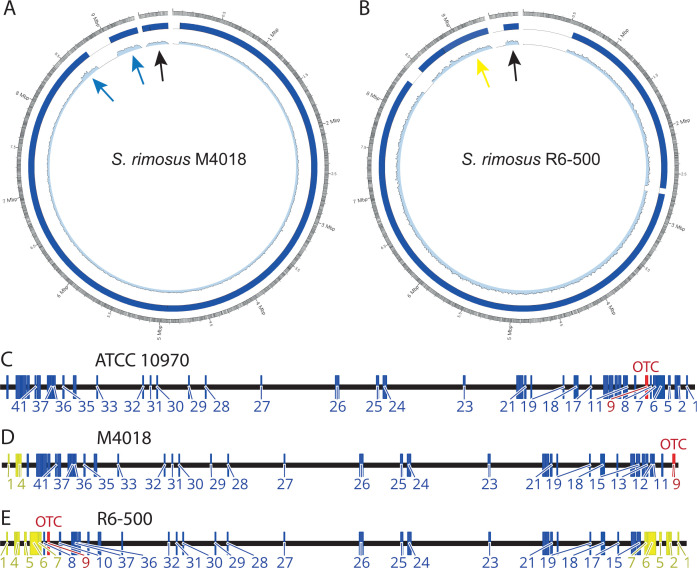 Figure 1
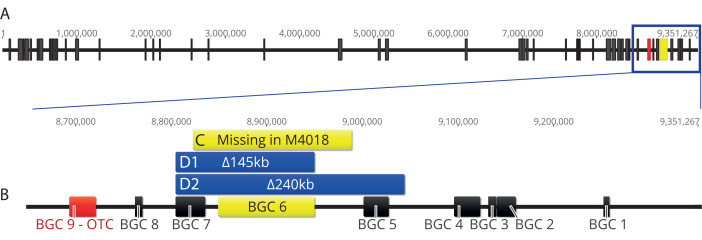 Figure 2
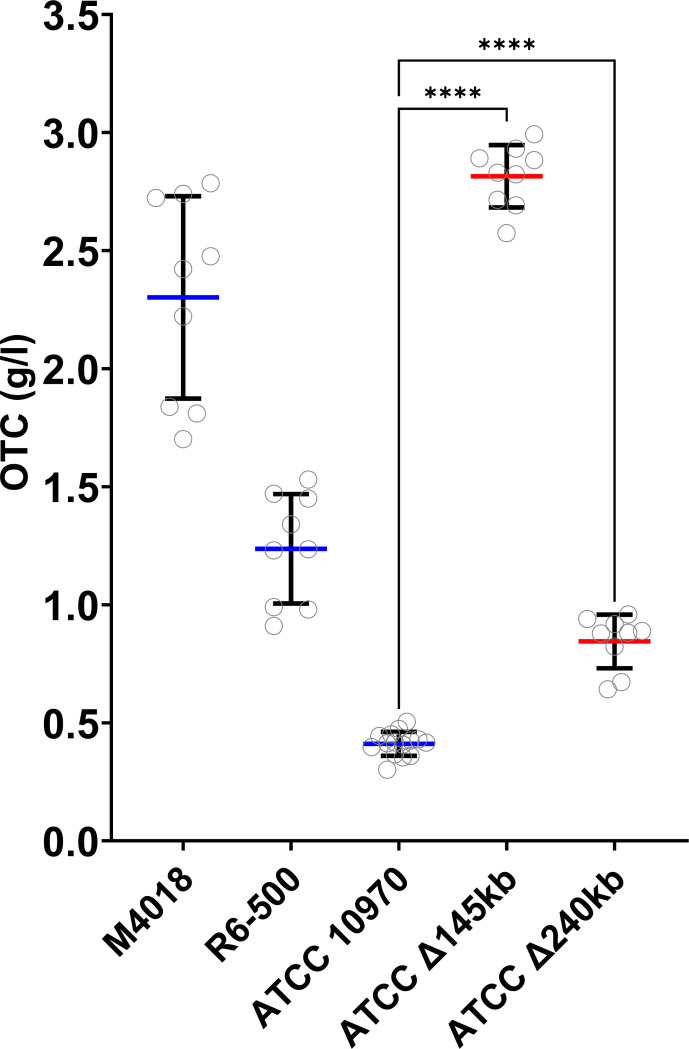 Figure 3
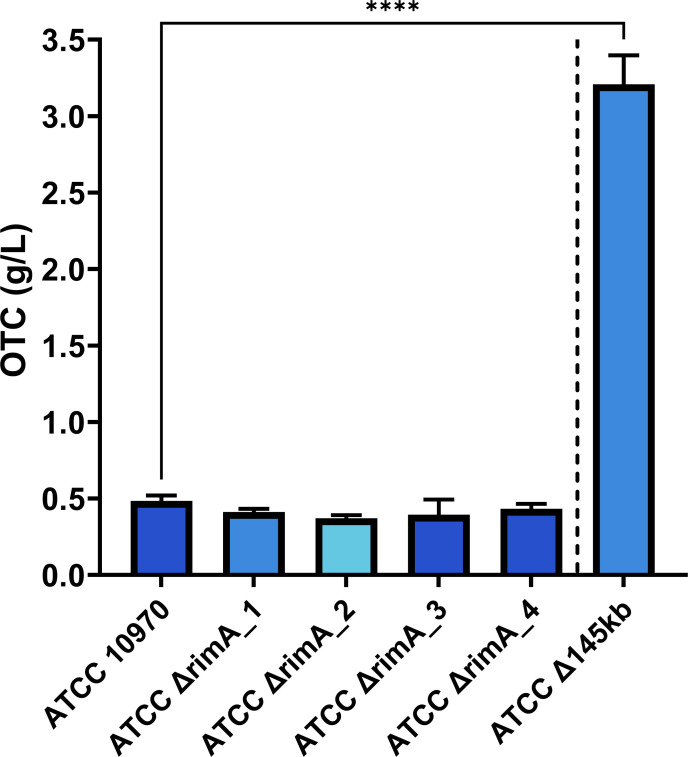 Figure 4
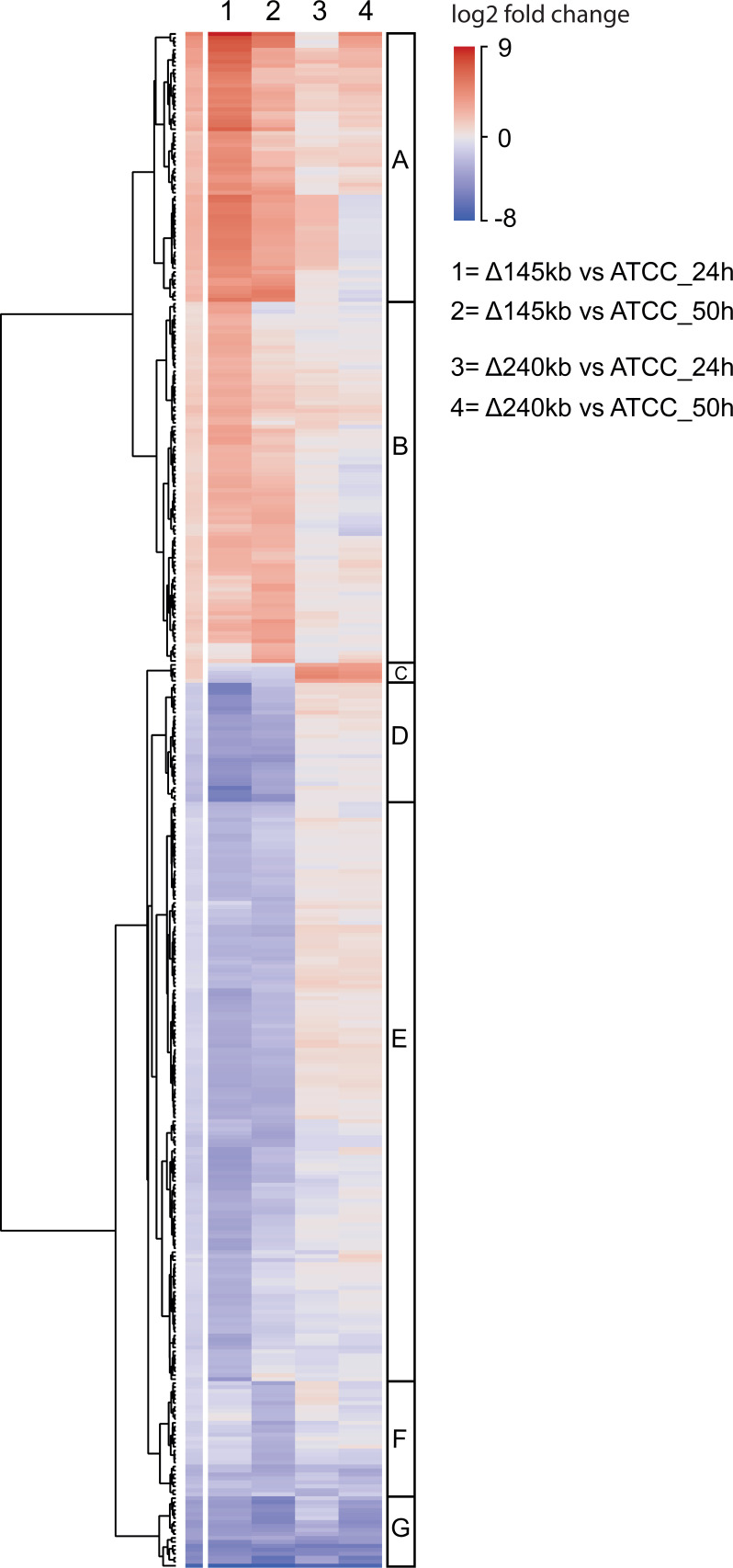 Figure 5
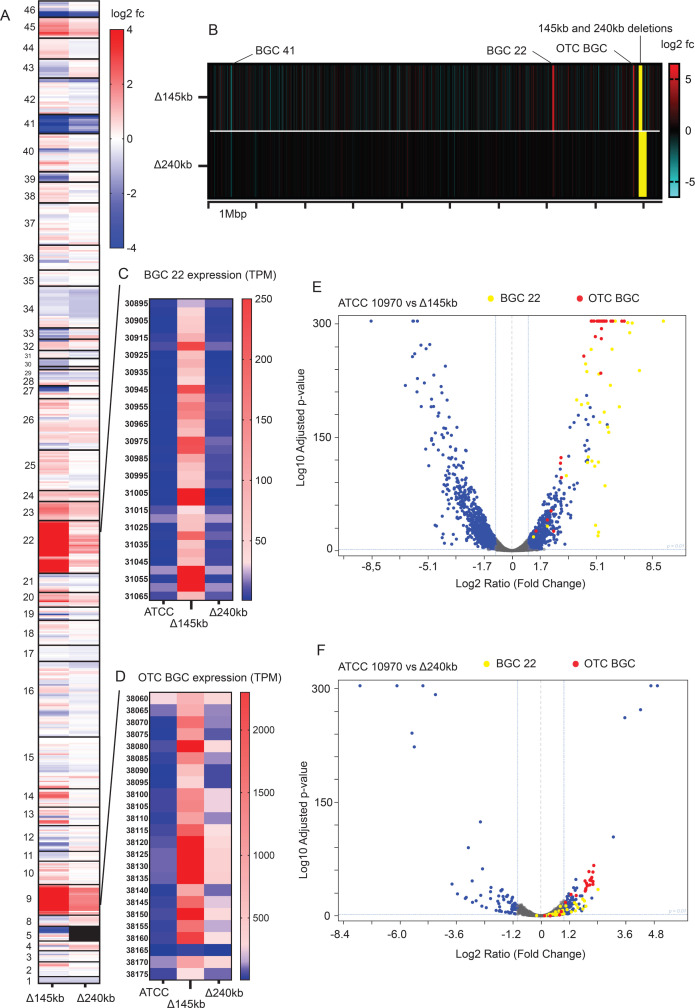 Figure 6
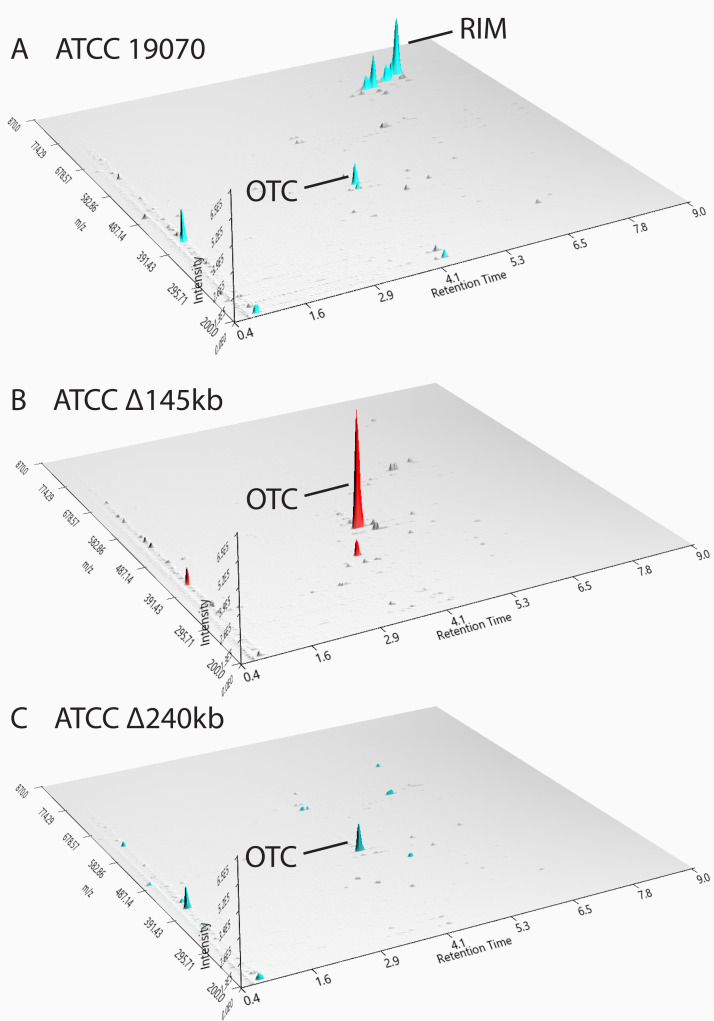 Figure 7
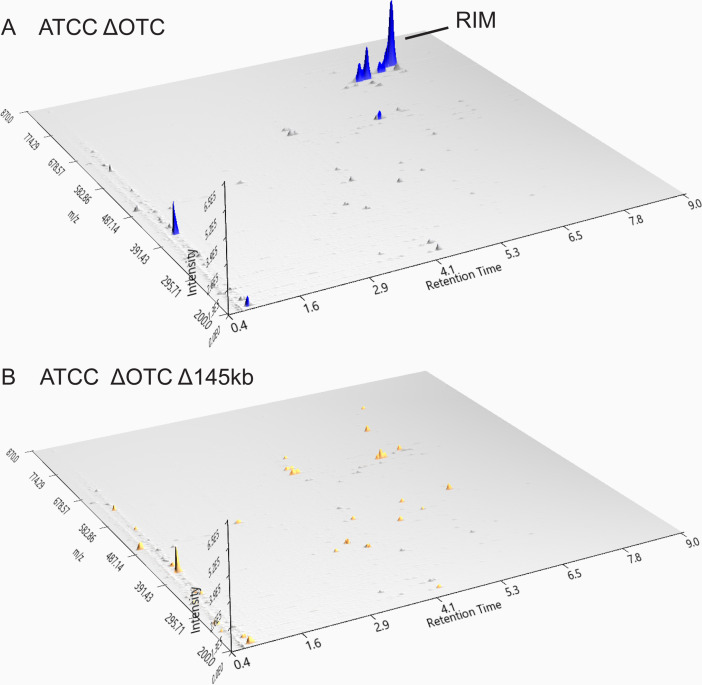 Figure 8
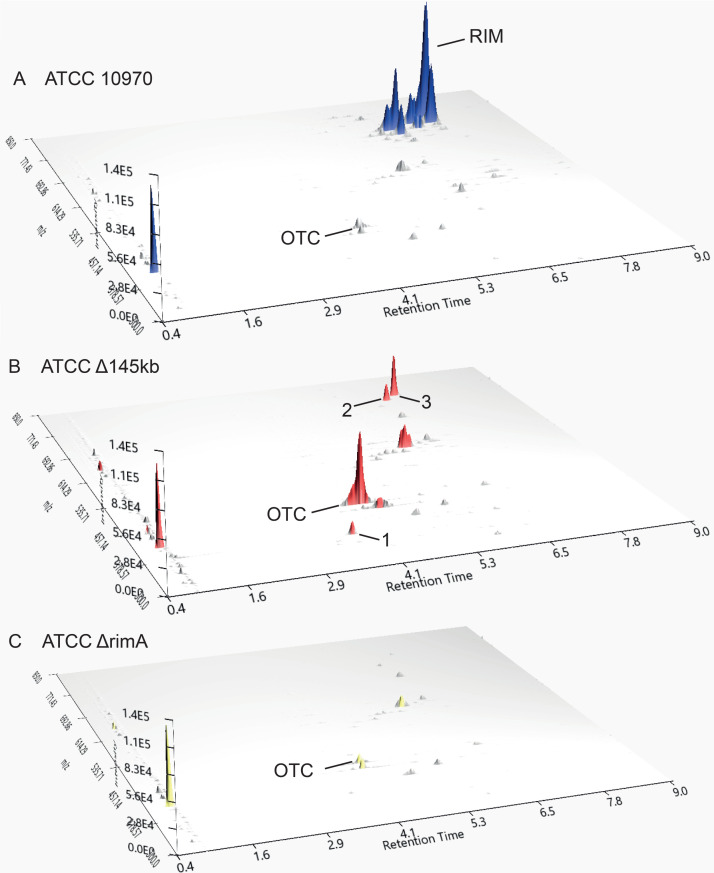 Figure 9
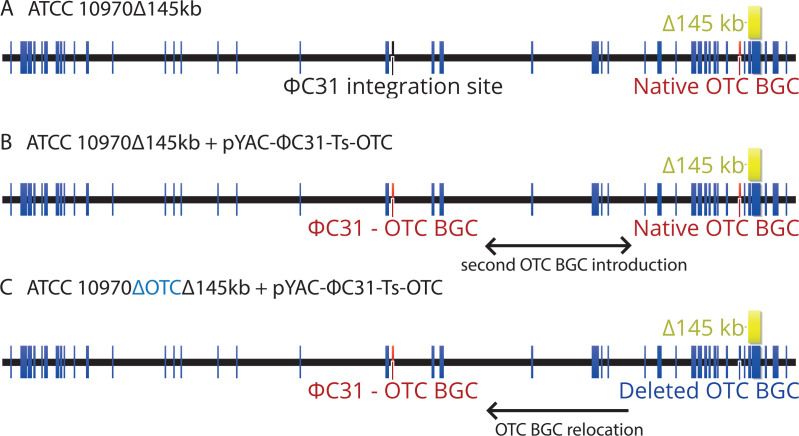 Figure 10
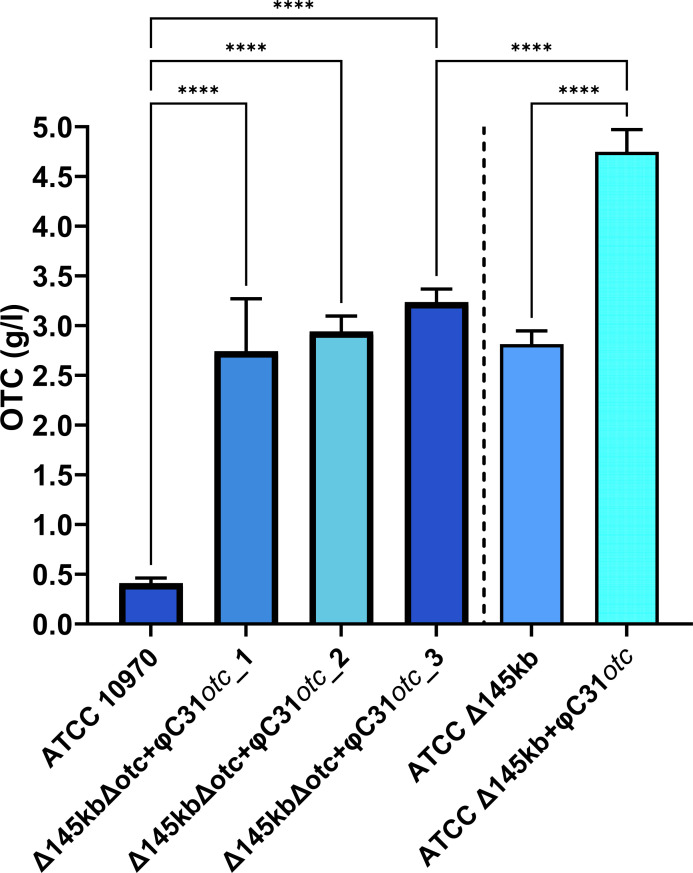 Figure 11
Peer Reviews
No public reviews on file for this paper yet. If you reviewed it on a platform where reviews are public (OpenReview, ICLR, NeurIPS, ICML), you can paste yours below so the community can read it here.
Videos
No videos yet. Explain this paper in a talk, walkthrough, or lecture? Add one.
Taxonomy
TopicsDiscourse Analysis and Cultural Communication · Language, Communication, and Linguistic Studies · Linguistics, Language Diversity, and Identity