Bacteria–organelle communication in physiology and disease
Yi-Tang Lee, Mumine Senturk, Youchen Guan, Meng C. Wang

TL;DR
This review explores how bacteria communicate with cell organelles like mitochondria and how these interactions affect immunity, aging, and disease.
Contribution
The paper provides a comprehensive review of bacterial-organelle communication mechanisms and their physiological and pathological implications.
Findings
Bacteria and mitochondria communicate to regulate immune response and metabolism.
Bacterial interactions with organelles like lysosomes and ER influence host health and disease.
These communications play a role in aging and longevity processes.
Abstract
Meng Wang and colleagues review the intricate communication between bacteria and host organelles and the impact of such communication on immune response, aging, and longevity. Bacteria, omnipresent in our environment and coexisting within our body, exert dual beneficial and pathogenic influences. These microorganisms engage in intricate interactions with the human body, impacting both human health and disease. Simultaneously, certain organelles within our cells share an evolutionary relationship with bacteria, particularly mitochondria, best known for their energy production role and their dynamic interaction with each other and other organelles. In recent years, communication between bacteria and mitochondria has emerged as a new mechanism for regulating the host’s physiology and pathology. In this review, we delve into the dynamic communications between bacteria and host…
Genes, proteins, chemicals, diseases, species, mutations and cell lines named across the full text — each resolved to its canonical identifier and authoritative record.
Click any figure to enlarge with its caption.
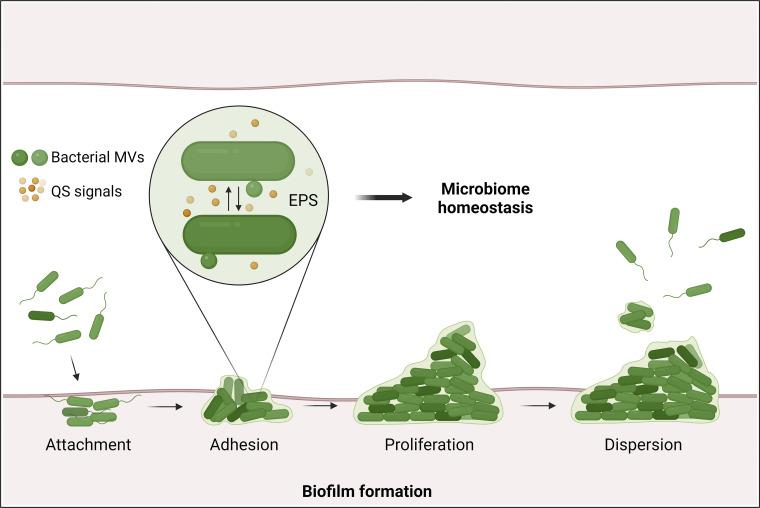 Figure 1
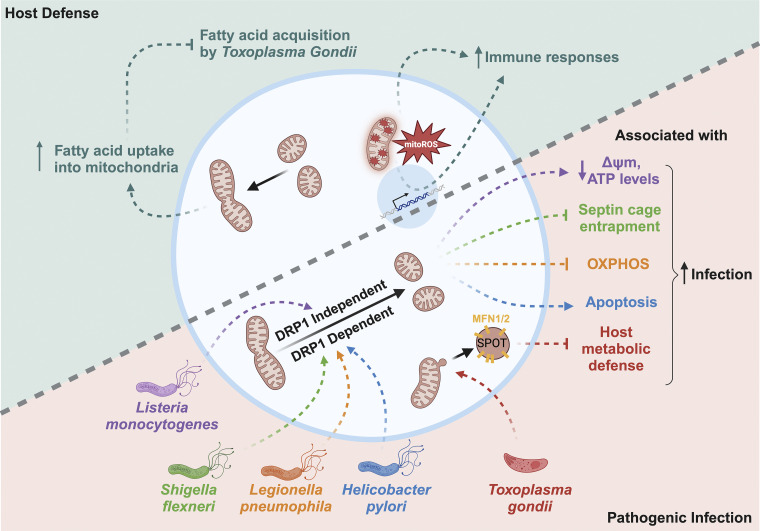 Figure 2
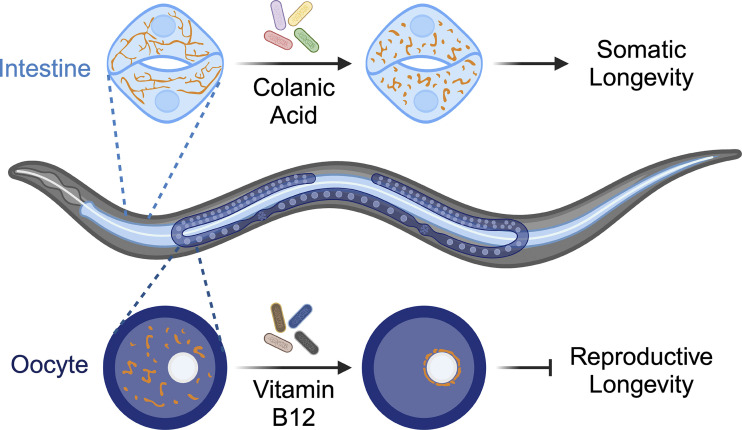 Figure 3
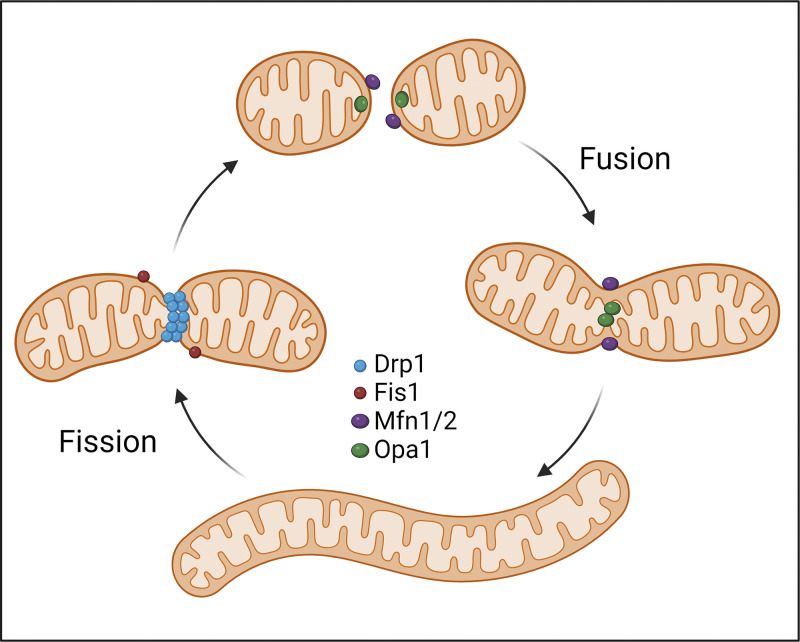 Figure 4
Peer Reviews
No public reviews on file for this paper yet. If you reviewed it on a platform where reviews are public (OpenReview, ICLR, NeurIPS, ICML), you can paste yours below so the community can read it here.
Videos
No videos yet. Explain this paper in a talk, walkthrough, or lecture? Add one.
Taxonomy
TopicsFinite Group Theory Research