The road to evolution of ProTx2: how to be a subtype-specific inhibition of human Nav1.7
Fan Zhao, Yuanyuan Liu, Yiyu Liu, Qi Ye, Hongtao Yang, Mingze Gui, Yongbo Song

TL;DR
Scientists modified a spider venom peptide to reduce muscle side effects while maintaining its pain-relieving potential.
Contribution
The study introduces a modified ProTx2 variant (R13D) with reduced muscle toxicity while preserving analgesic activity.
Findings
The R13D mutant of ProTx2 maintains analgesic effects in mice.
R13D reduces muscle toxicity by avoiding interaction with Nav1.4.
Electrostatic interactions with Nav1.7 explain R13D's subtype specificity.
Abstract
The human voltage-gated sodium channel Nav1.7 is a widely proven target for analgesic drug studies. ProTx2, a 30-residue polypeptide from Peruvian green tarantula venom, shows high specificity to activity against human Nav1.7, suggesting its potential to become a non-addictive analgesic. However, its high sensitivity to human Nav1.4 raises concerns about muscle side effects. Here, we engineered three mutants (R13A, R13D, and K27Y) of ProTx2 to evaluate their pharmacological activities toward Nav1.7 and Nav1.4. It is demonstrated that the mutant R13D maintained the analgesic effect in mice while dramatically reducing its muscle toxicity compared with ProTx2. The main reason is the formation of a strong electrostatic interaction between R13D and the negatively charged amino acid residues in DII/S3-S4 of Nav1.7, which is absent in Nav1.4. This study advances our understanding and insights…
Genes, proteins, chemicals, diseases, species, mutations and cell lines named across the full text — each resolved to its canonical identifier and authoritative record.
Click any figure to enlarge with its caption.
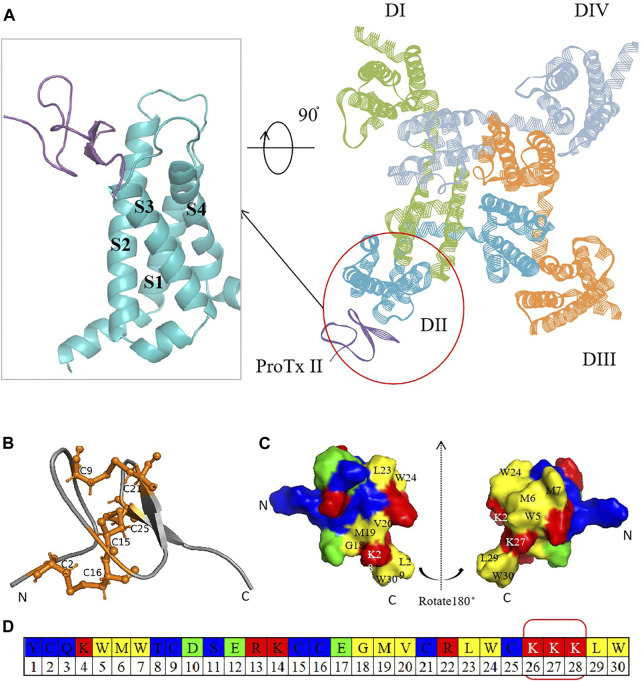 Figure 1
 Figure 2
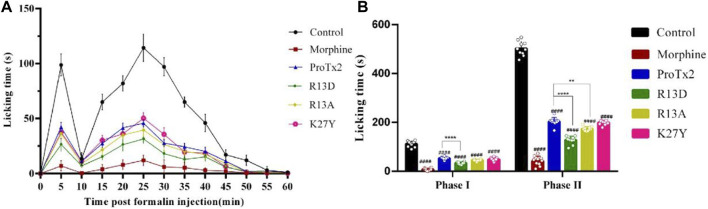 Figure 3
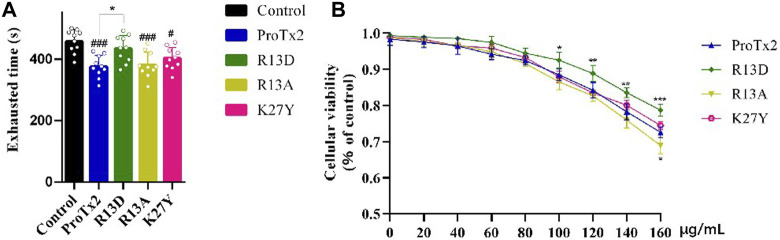 Figure 4
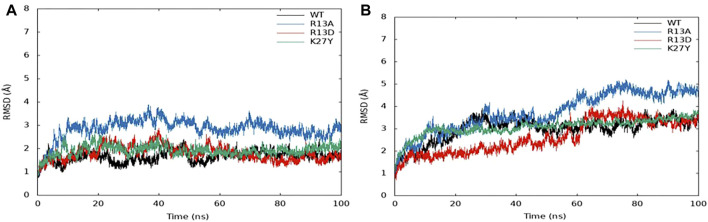 Figure 5
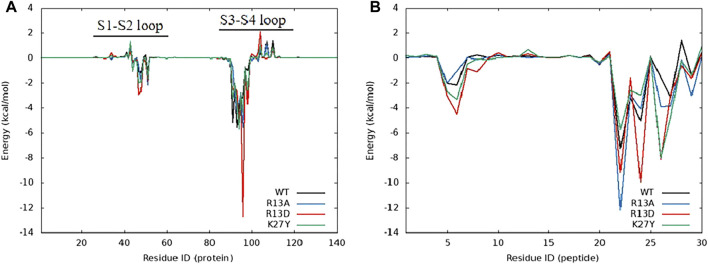 Figure 6
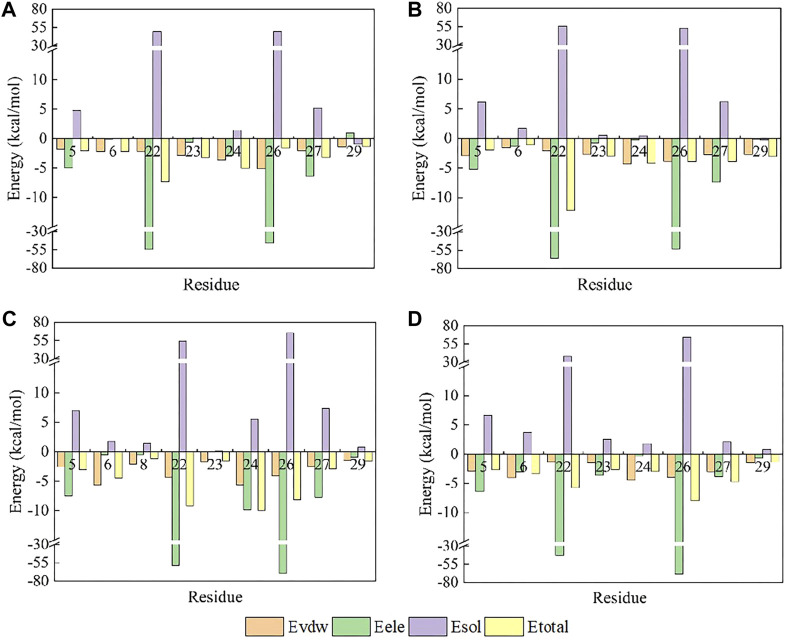 Figure 7
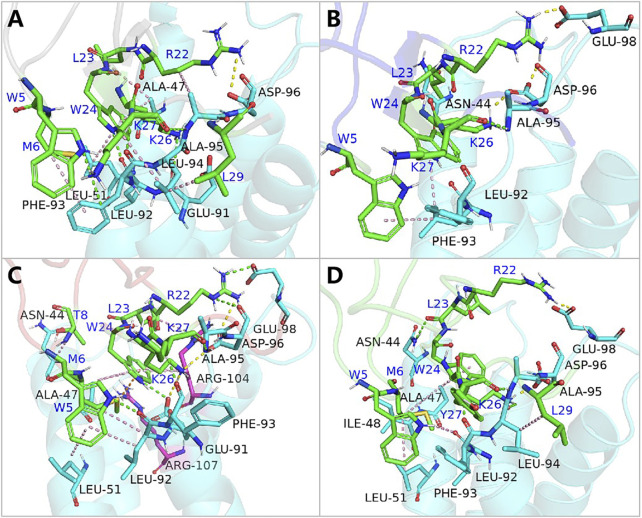 Figure 8
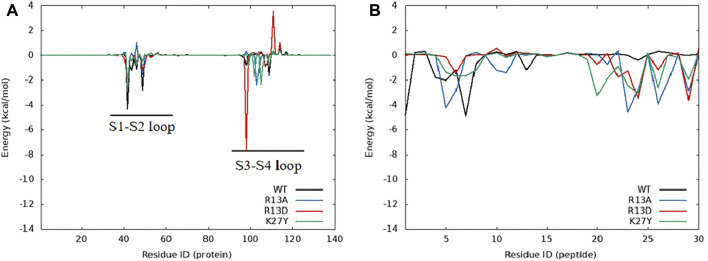 Figure 9
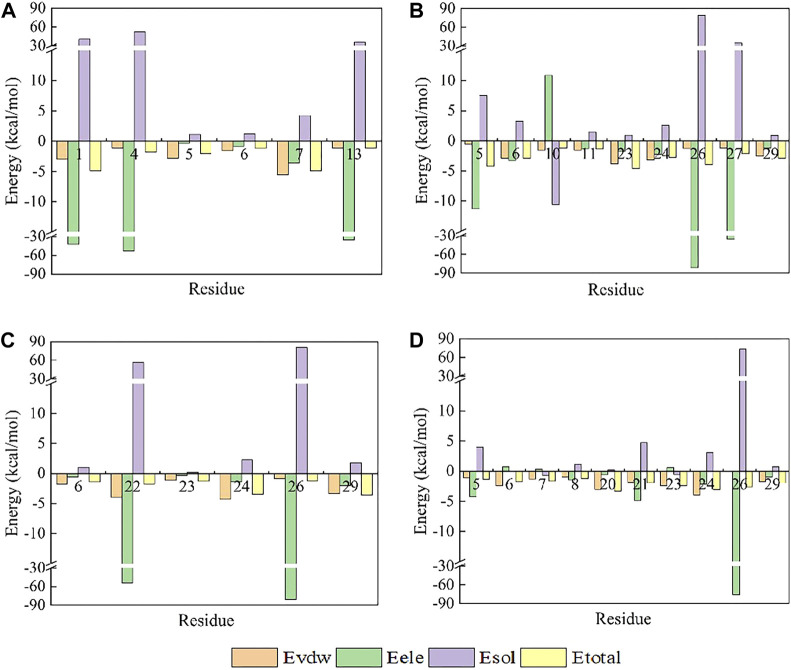 Figure 10
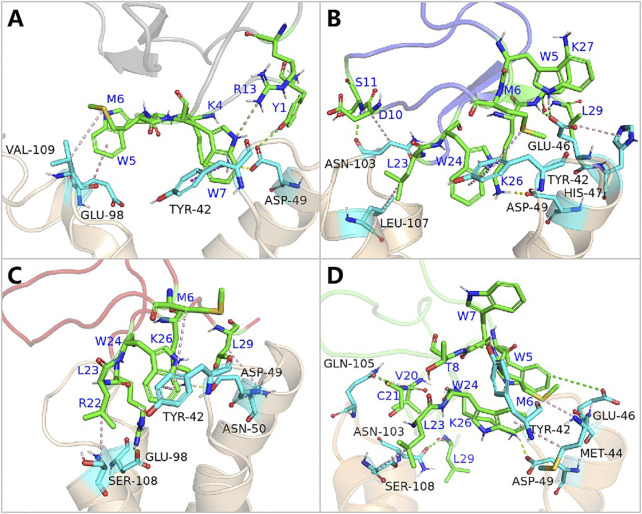 Figure 11
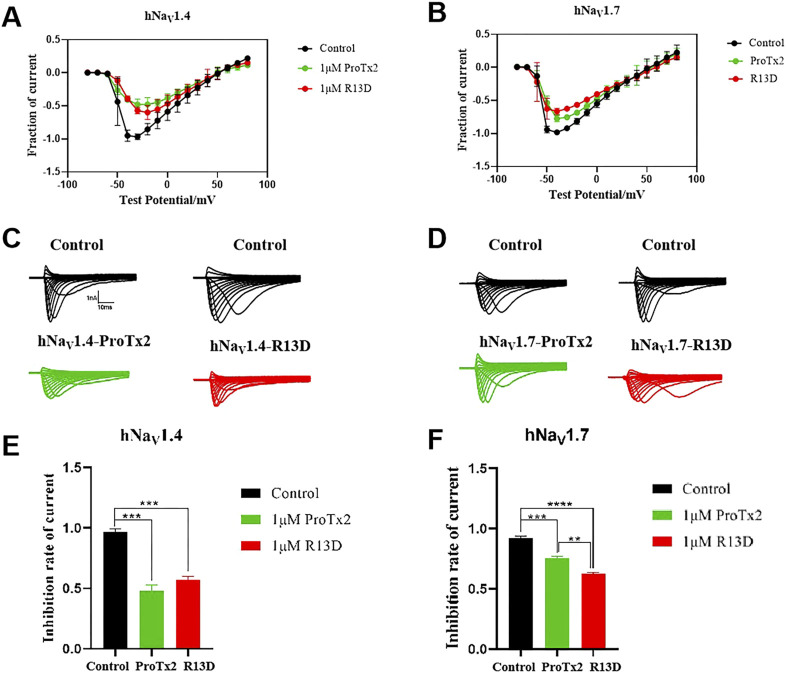 Figure 12
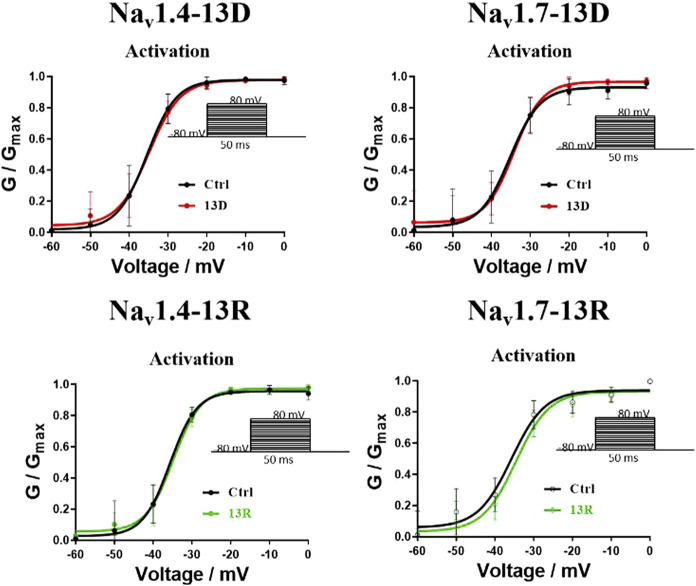 Figure 13
Peer Reviews
No public reviews on file for this paper yet. If you reviewed it on a platform where reviews are public (OpenReview, ICLR, NeurIPS, ICML), you can paste yours below so the community can read it here.
Videos
No videos yet. Explain this paper in a talk, walkthrough, or lecture? Add one.
Taxonomy
TopicsRNA and protein synthesis mechanisms · Signaling Pathways in Disease · Neuroscience and Neuropharmacology Research