Introduced species shed friends as well as enemies
Zoe A. Xirocostas, Jeff Ollerton, Begoña Peco, Eve Slavich, Stephen P. Bonser, Meelis Pärtel, S. Raghu, Angela T. Moles

TL;DR
Introduced species lose both harmful and helpful organisms when moving to new regions, affecting their success.
Contribution
The study shows introduced plants lose more pollinators in new ranges, highlighting mutualist loss as a novel factor in invasions.
Findings
Plants had 2.6 times more pollinator visits in their native range.
Pollinator richness was 1.8 times higher in native than introduced ranges.
Abstract
Many studies seeking to understand the success of biological invasions focus on species’ escape from negative interactions, such as damage from herbivores, pathogens, or predators in their introduced range (enemy release). However, much less work has been done to assess the possibility that introduced species might shed mutualists such as pollinators, seed dispersers, and mycorrhizae when they are transported to a new range. We ran a cross-continental field study and found that plants were being visited by 2.6 times more potential pollinators with 1.8 times greater richness in their native range than in their introduced range. Understanding both the positive and negative consequences of introduction to a new range can help us predict, monitor, and manage future invasion events.
Genes, proteins, chemicals, diseases, species, mutations and cell lines named across the full text — each resolved to its canonical identifier and authoritative record.
Click any figure to enlarge with its caption.
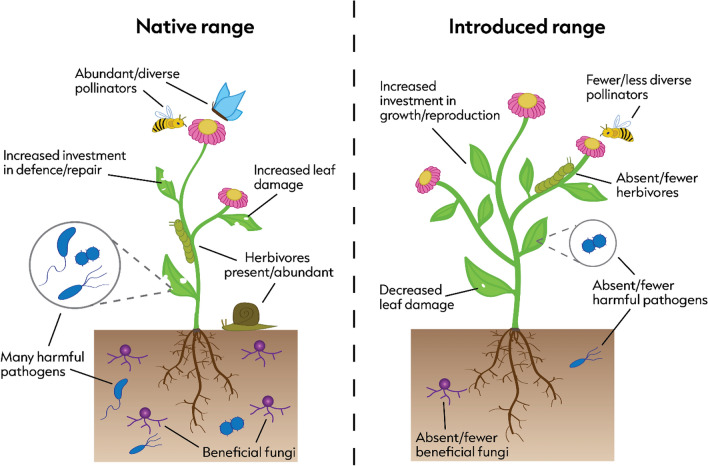 Figure 1
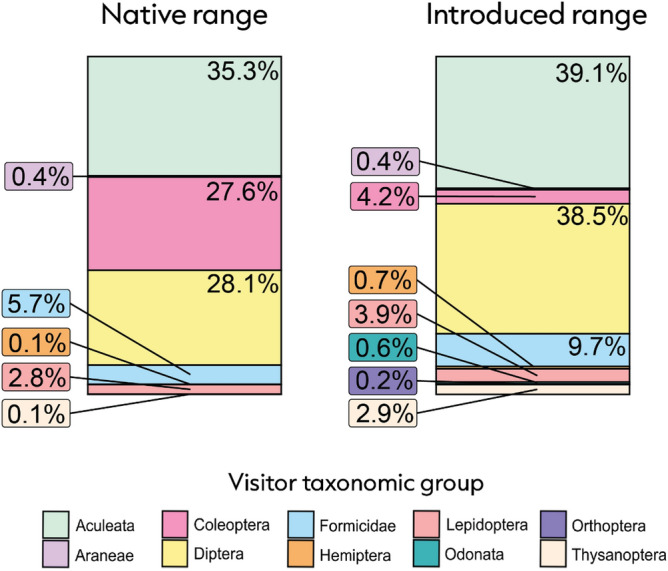 Figure 2
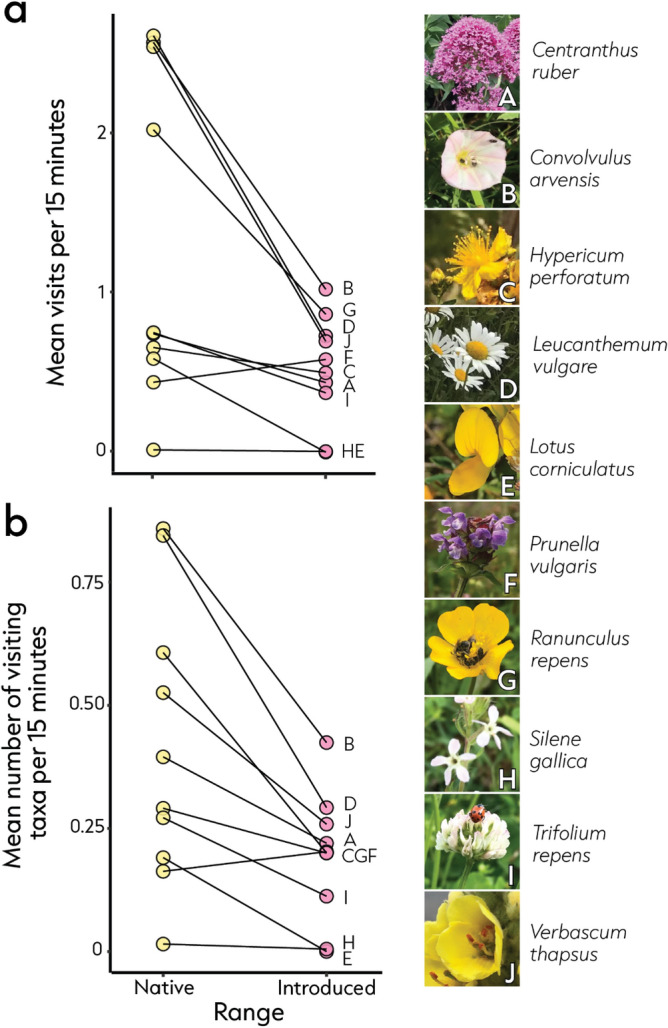 Figure 3
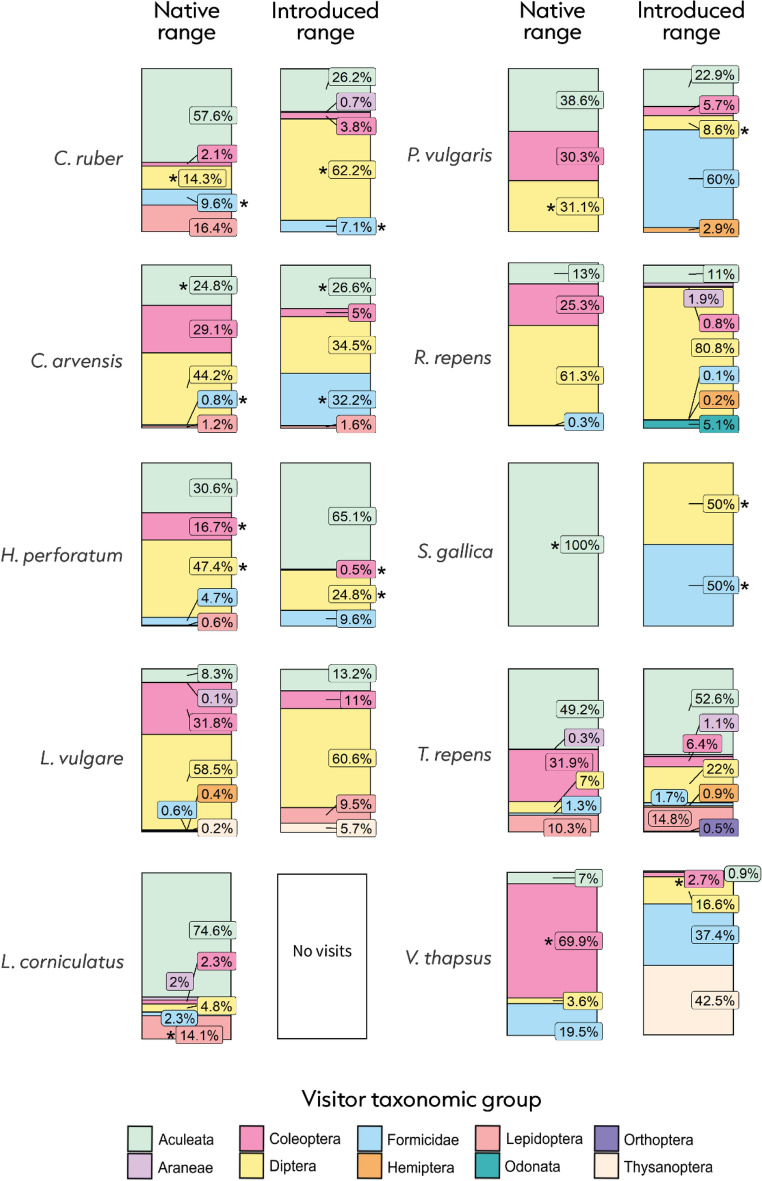 Figure 4
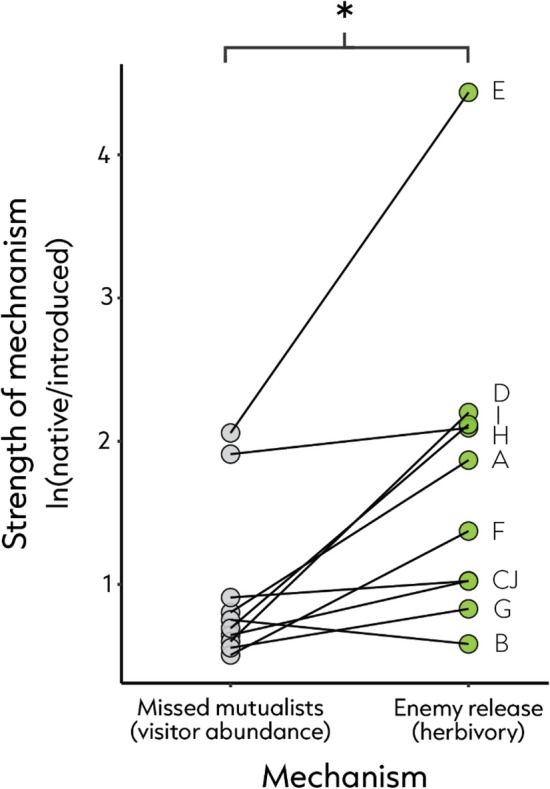 Figure 5
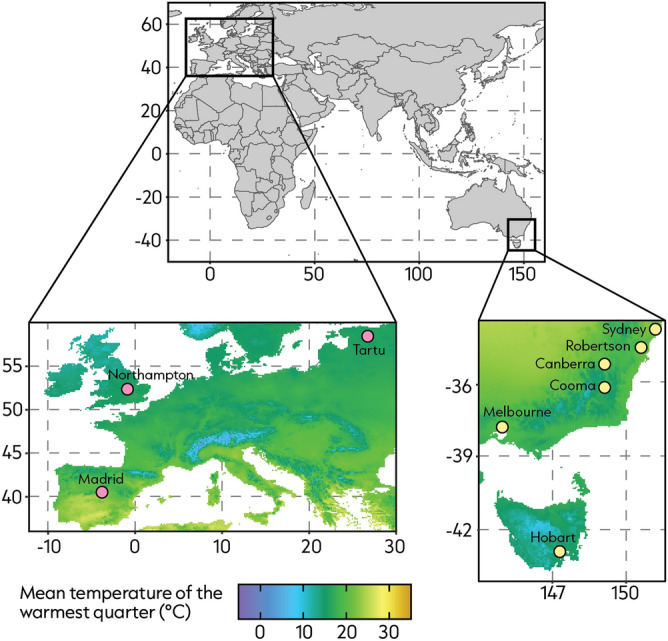 Figure 6
Peer Reviews
No public reviews on file for this paper yet. If you reviewed it on a platform where reviews are public (OpenReview, ICLR, NeurIPS, ICML), you can paste yours below so the community can read it here.
Videos
No videos yet. Explain this paper in a talk, walkthrough, or lecture? Add one.
Taxonomy
TopicsPlant and animal studies · Plant Parasitism and Resistance · Insect and Arachnid Ecology and Behavior