Clinicoradiological Features of Alexia Without Agraphia
Octavio Carranza-Rentería, Marc A Swerdloff

TL;DR
The paper describes two rare cases of a neurological condition where patients cannot read but can still write, caused by brain lesions.
Contribution
The novelty lies in the simultaneous observation of two alexia without agraphia cases in a single hospital within a week.
Findings
Alexia without agraphia is caused by lesions in the splenium of the corpus callosum and often involves left occipital lobe damage.
The syndrome is rare and presents with visual field deficits alongside preserved writing ability.
Two cases were observed in the same week at the authors' hospital.
Abstract
Alexia without agraphia is a striking vascular syndrome of the acquired inability to read words just written down. This syndrome occurs after lesions in the splenium of the corpus callosum that disconnect the angular gyrus from the visual pathway. Most of the time, a lesion in the left occipital lobe is also present, and patients present with a visual field deficit. It is a classic neurological syndrome that is rarely seen. We present two cases of alexia without agraphia seen in our hospital the same week.
Genes, proteins, chemicals, diseases, species, mutations and cell lines named across the full text — each resolved to its canonical identifier and authoritative record.
Click any figure to enlarge with its caption.
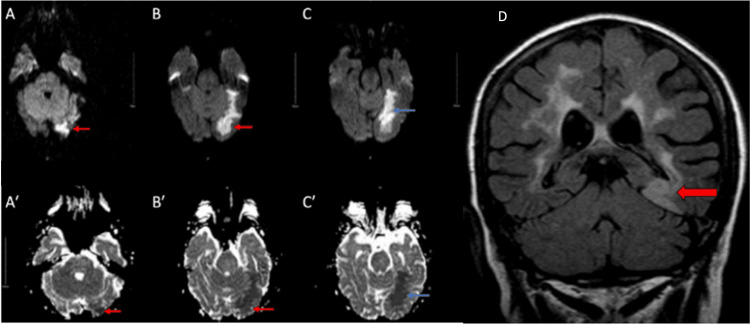 Figure 1
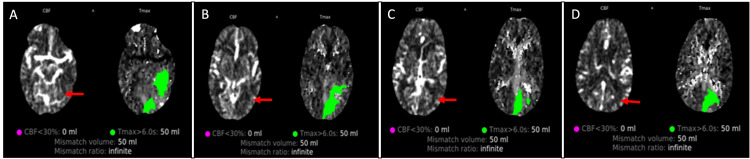 Figure 2
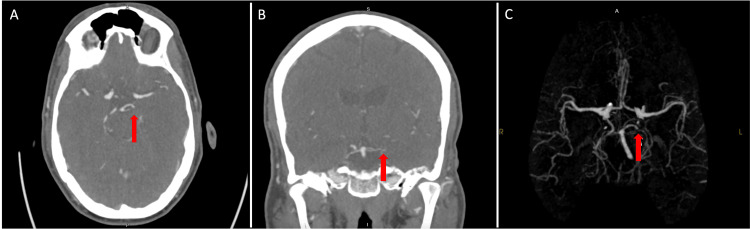 Figure 3
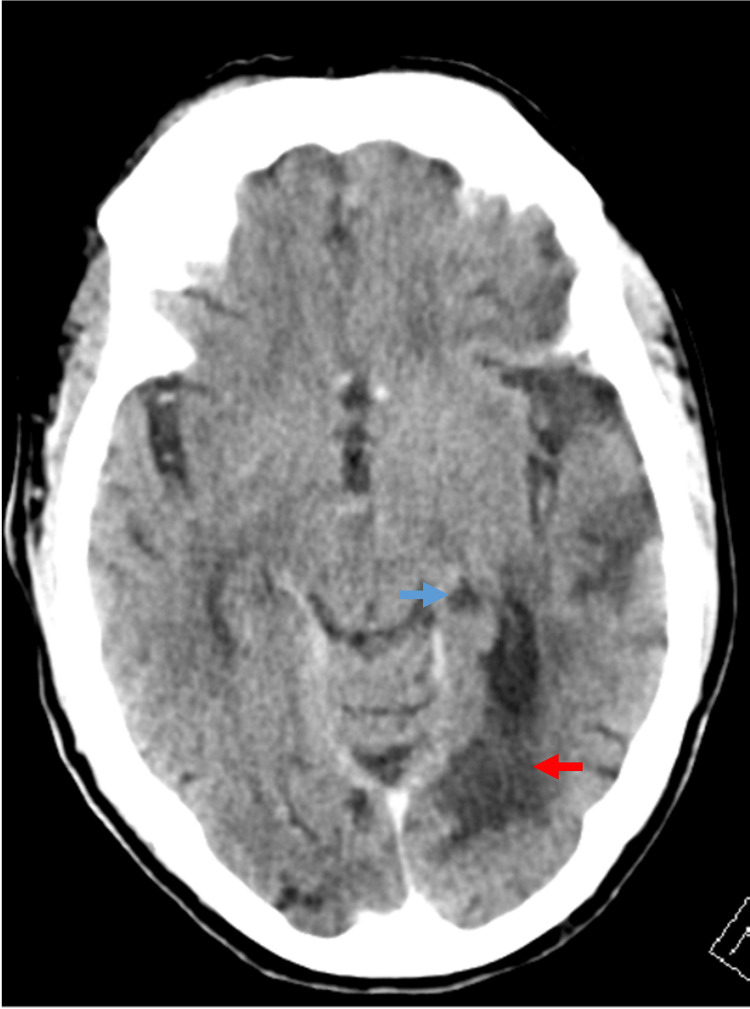 Figure 4
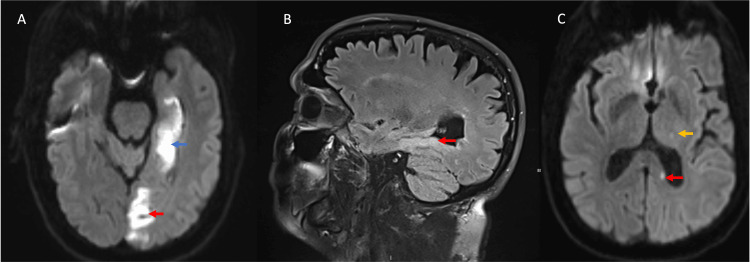 Figure 5
Peer Reviews
No public reviews on file for this paper yet. If you reviewed it on a platform where reviews are public (OpenReview, ICLR, NeurIPS, ICML), you can paste yours below so the community can read it here.
Videos
No videos yet. Explain this paper in a talk, walkthrough, or lecture? Add one.
Taxonomy
TopicsCerebrovascular and Carotid Artery Diseases · Neurological and metabolic disorders · Cerebral Venous Sinus Thrombosis