Two compound heterozygous variants in the CLN8 gene are responsible for neuronal cereidolipofuscinoses disorder in a child: a case report
Federico Baltar, Camila Simoes, Francisco Garagorry, Martín Graña, Soledad Rodríguez, María Haydée Aunchayna, Alejandra Tapié, Alfredo Cerisola, Gabriel González, Hugo Naya, Lucía Spangenberg, Víctor Raggio

TL;DR
A child with a rare brain disorder had two new mutations in the CLN8 gene, suggesting a broader range of symptoms than previously thought.
Contribution
Identified two novel CLN8 gene mutations and challenged traditional classifications of CLN8-related disorders.
Findings
Two novel likely pathogenic mutations in the CLN8 gene were identified.
Findings suggest a continuous phenotypic spectrum rather than distinct classifications for CLN8-related NCL.
Pathological subcellular markers supported the genomic insights.
Abstract
Neuronal Ceroid Lipofuscinosis (NCL) disorders, recognized as the primary cause of childhood dementia globally, constitute a spectrum of genetic abnormalities. CLN8, a subtype within NCL, is characterized by cognitive decline, motor impairment, and visual deterioration. This study focuses on an atypical case with congenital onset and a remarkably slow disease progression. Whole-genome sequencing at 30× coverage was employed as part of a national genomics program to investigate the genetic underpinnings of rare diseases. This genomic approach aimed to challenge established classifications (vLINCL and EPMR) and explore the presence of a continuous phenotypic spectrum associated with CLN8. The whole-genome sequencing revealed two novel likely pathogenic mutations in the CLN8 gene on chromosome 8p23.3. These mutations were not previously associated with CLN8-related NCL. Contrary to…
Genes, proteins, chemicals, diseases, species, mutations and cell lines named across the full text — each resolved to its canonical identifier and authoritative record.
Click any figure to enlarge with its caption.
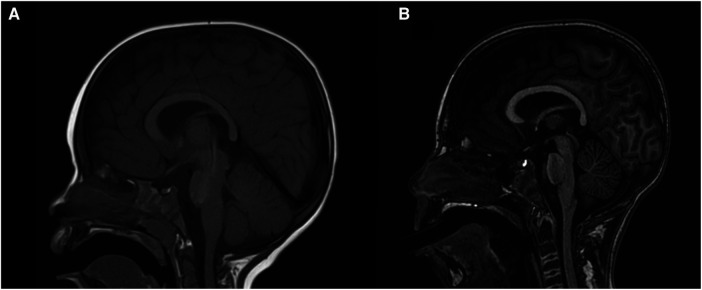 Figure 1
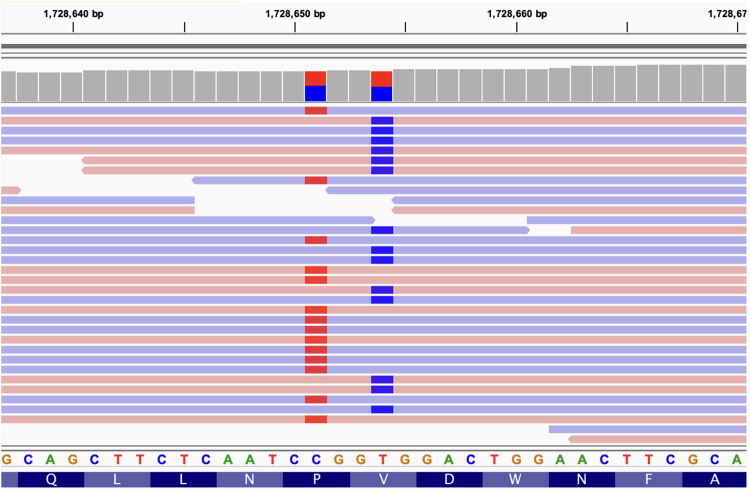 Figure 2
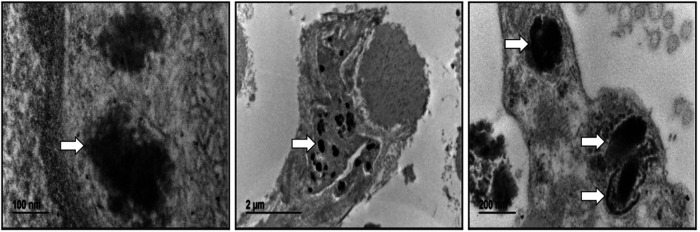 Figure 3
Peer Reviews
No public reviews on file for this paper yet. If you reviewed it on a platform where reviews are public (OpenReview, ICLR, NeurIPS, ICML), you can paste yours below so the community can read it here.
Videos
No videos yet. Explain this paper in a talk, walkthrough, or lecture? Add one.
Taxonomy
TopicsLysosomal Storage Disorders Research · Cellular transport and secretion · Retinal Development and Disorders