Right prefrontal activation associated with deviations from expected lipstick texture assessed with functional near-infrared spectroscopy
Kazue Hirabayashi, Keith Kawabata Duncan, Keiko Tagai, Yasushi Kyutoku, Ippeita Dan

TL;DR
This study shows that brain activity in the right prefrontal area increases when people experience unexpected lipstick textures, suggesting a new way to measure consumer product experiences.
Contribution
The study introduces a novel method using fNIRS to objectively measure consumer experience discrepancies in cosmetics.
Findings
Right inferior frontal gyrus activation correlates with texture incongruency in lipstick application.
Brain activity in the right IFG may serve as an objective measure of consumer product experience.
Incongruency scores increase with deviations from expected lipstick texture.
Abstract
There is a continuous consumer demand for ever superior cosmetic products. In marketing, various forms of sensory evaluation are used to measure the consumer experience and provide data with which to improve cosmetics. Nonetheless, potential downsides of existing approaches have led to the exploration of the use of neuroimaging methods, such as functional near-infrared spectroscopy (fNIRS), to provide addition information about consumers' experiences with cosmetics. The aim of the present study was to investigate the feasibility of a real-time brain-based product evaluation method which detects the incongruency between a product, in this case lipstick, and a consumer's expectations. Thirty healthy, female, habitual lipstick users were asked to apply six different lipsticks varying in softness and to rate the softness of and their willingness to pay (WTP) for each lipstick. Cerebral…
Genes, proteins, chemicals, diseases, species, mutations and cell lines named across the full text — each resolved to its canonical identifier and authoritative record.
Click any figure to enlarge with its caption.
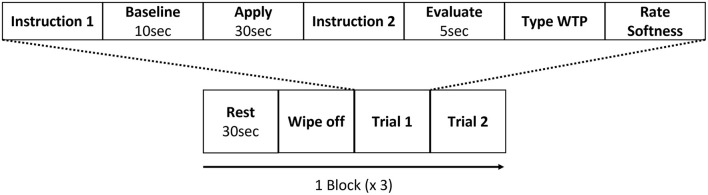 Figure 1
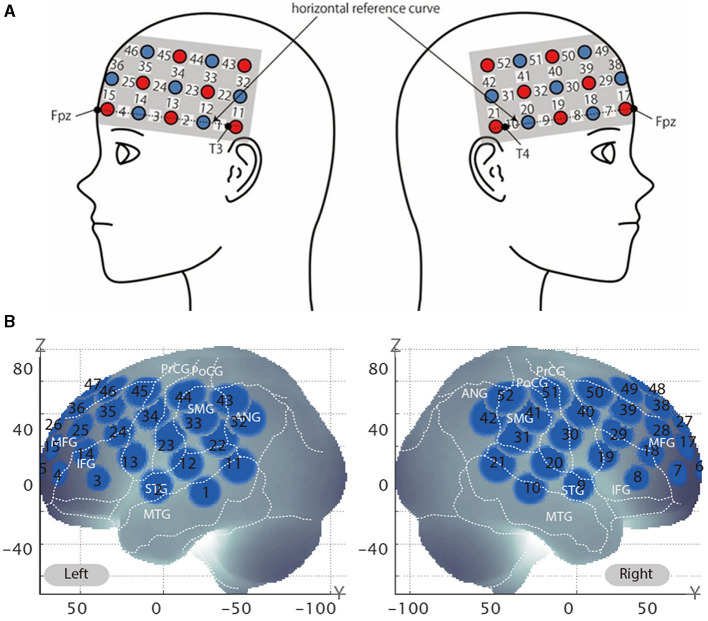 Figure 2
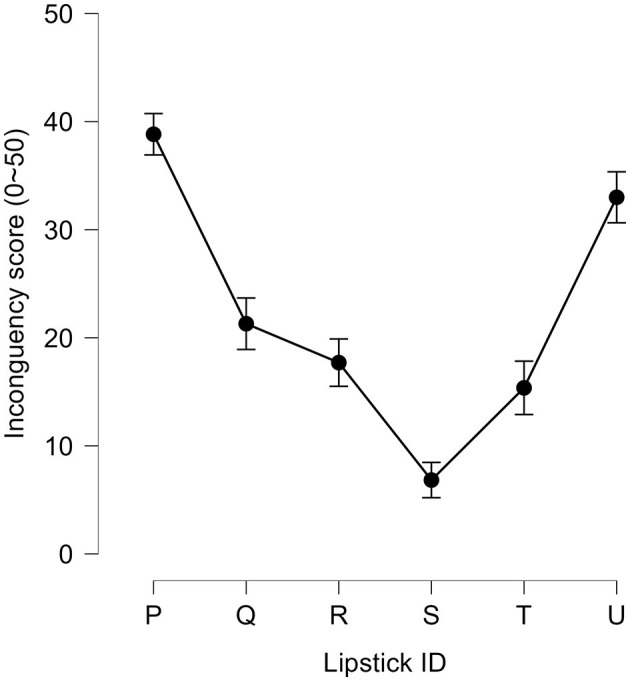 Figure 3
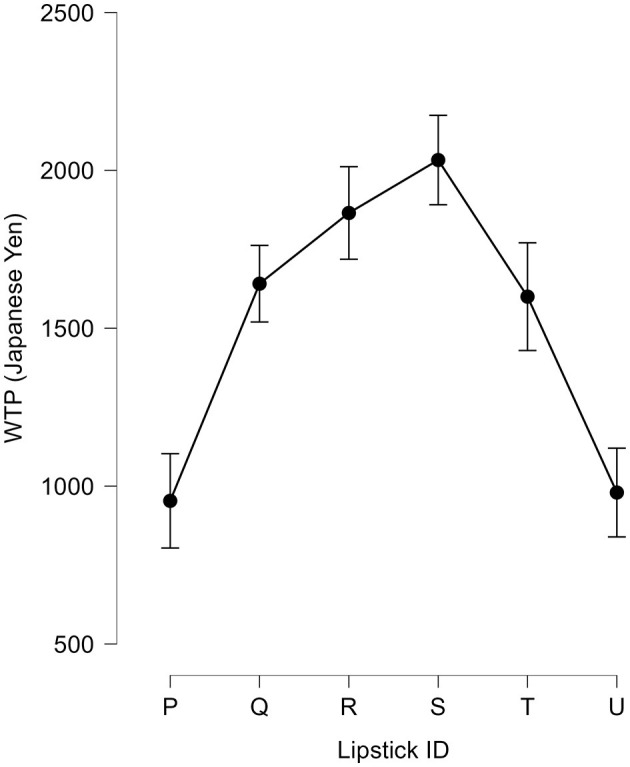 Figure 4
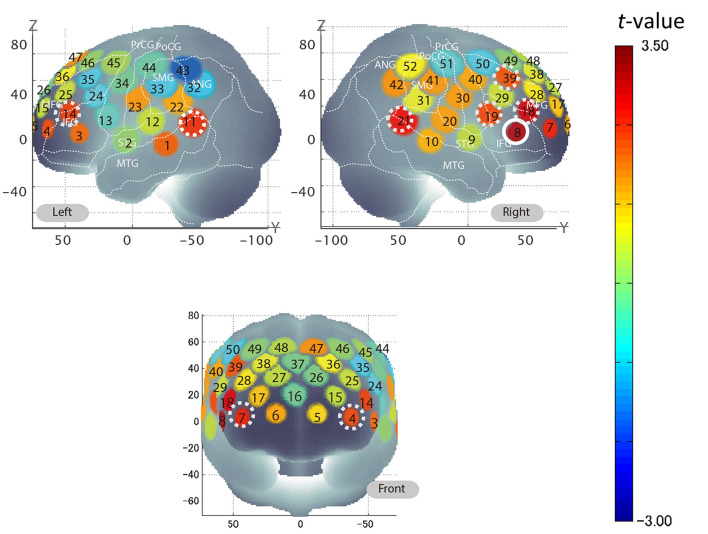 Figure 5
 Figure 6
Peer Reviews
No public reviews on file for this paper yet. If you reviewed it on a platform where reviews are public (OpenReview, ICLR, NeurIPS, ICML), you can paste yours below so the community can read it here.
Videos
No videos yet. Explain this paper in a talk, walkthrough, or lecture? Add one.
Taxonomy
TopicsOlfactory and Sensory Function Studies · Sensory Analysis and Statistical Methods · Multisensory perception and integration