Mcph1, mutated in primary microcephaly, is also crucial for erythropoiesis
Yoann Vial, Jeannette Nardelli, Adeline A Bonnard, Justine Rousselot, Michèle Souyri, Pierre Gressens, Hélène Cavé, Séverine Drunat

TL;DR
The Mcph1 gene is crucial for both brain development and red blood cell formation, and its loss causes anemia and microcephaly in mice.
Contribution
This study reveals that Mcph1 is essential for erythropoiesis and shares pathophysiological mechanisms with neurogenesis defects.
Findings
Mcph1 deficiency causes congenital macrocytic anemia due to impaired terminal erythroid differentiation.
Loss of Mcph1 leads to acytokinetic mitosis in both erythroid and neural progenitor cells.
p53 activation occurs in Mcph1-deficient cells but does not cause anemia or microcephaly.
Abstract
Microcephaly is a common feature in inherited bone marrow failure syndromes, prompting investigations into shared pathways between neurogenesis and hematopoiesis. To understand this association, we studied the role of the microcephaly gene Mcph1 in hematological development. Our research revealed that Mcph1-knockout mice exhibited congenital macrocytic anemia due to impaired terminal erythroid differentiation during fetal development. Anemia’s cause is a failure to complete cell division, evident from tetraploid erythroid progenitors with DNA content exceeding 4n. Gene expression profiling demonstrated activation of the p53 pathway in Mcph1-deficient erythroid precursors, leading to overexpression of Cdkn1a/p21, a major mediator of p53-dependent cell cycle arrest. Surprisingly, fetal brain analysis revealed hypertrophied binucleated neuroprogenitors overexpressing p21 in Mcph1-knockout…
Genes, proteins, chemicals, diseases, species, mutations and cell lines named across the full text — each resolved to its canonical identifier and authoritative record.
Click any figure to enlarge with its caption.
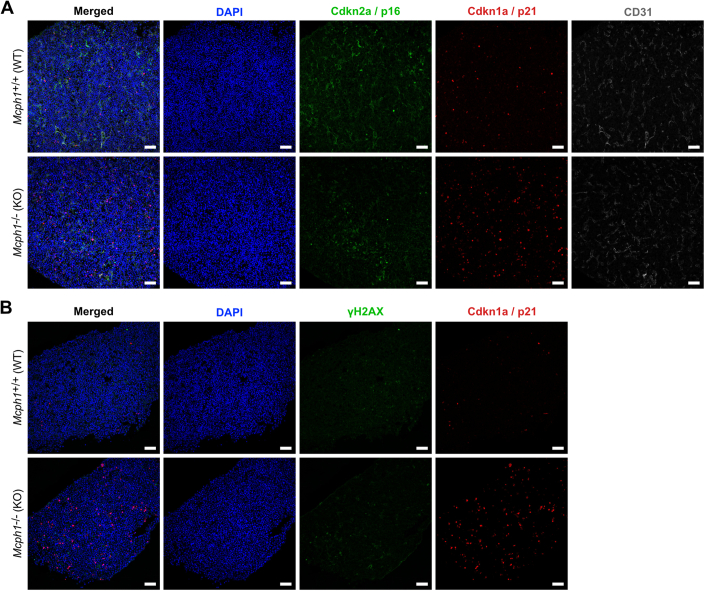 Figure 10
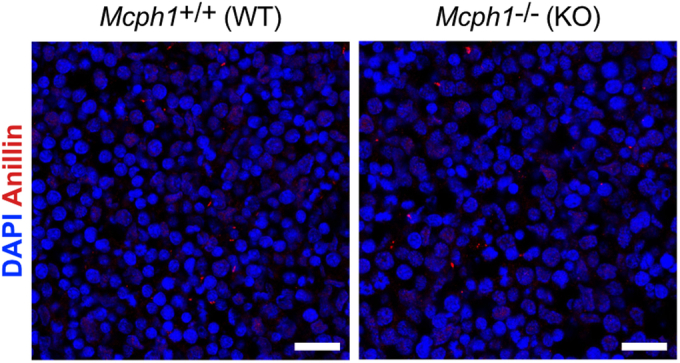 Figure 11
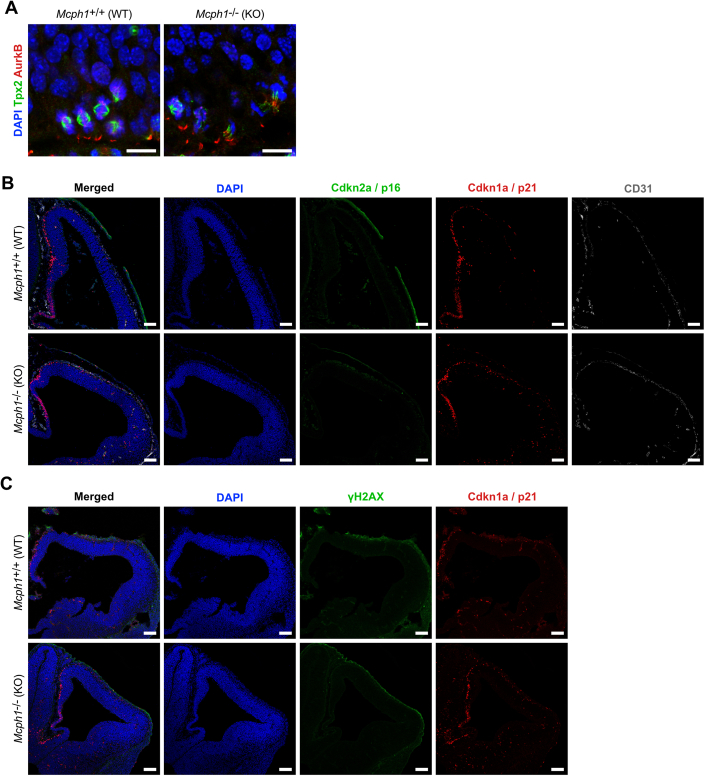 Figure 12
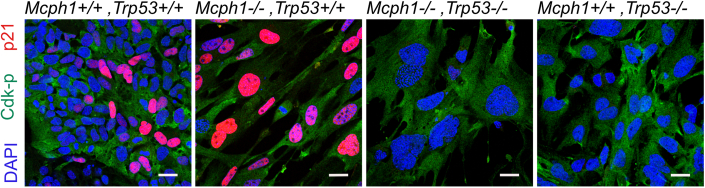 Figure 13
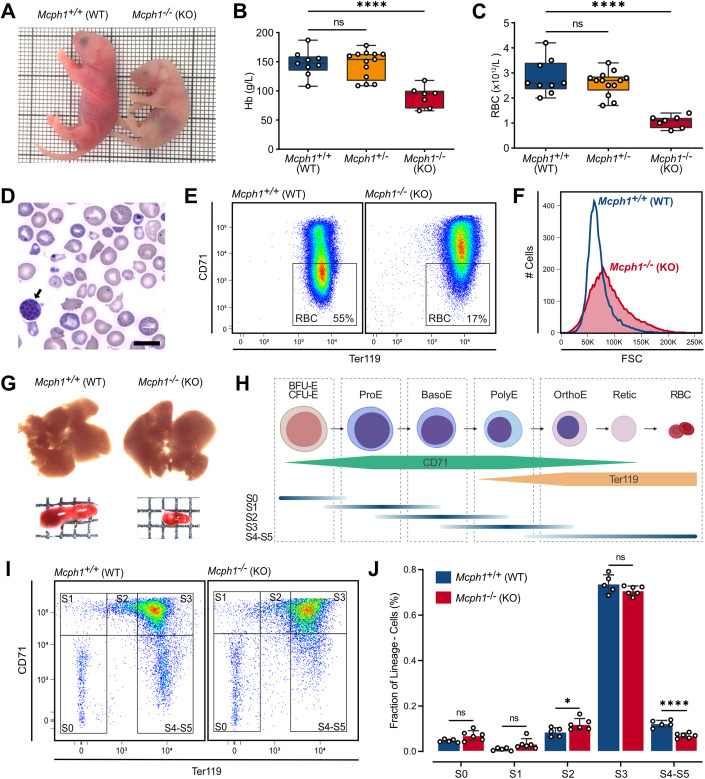 Figure 1
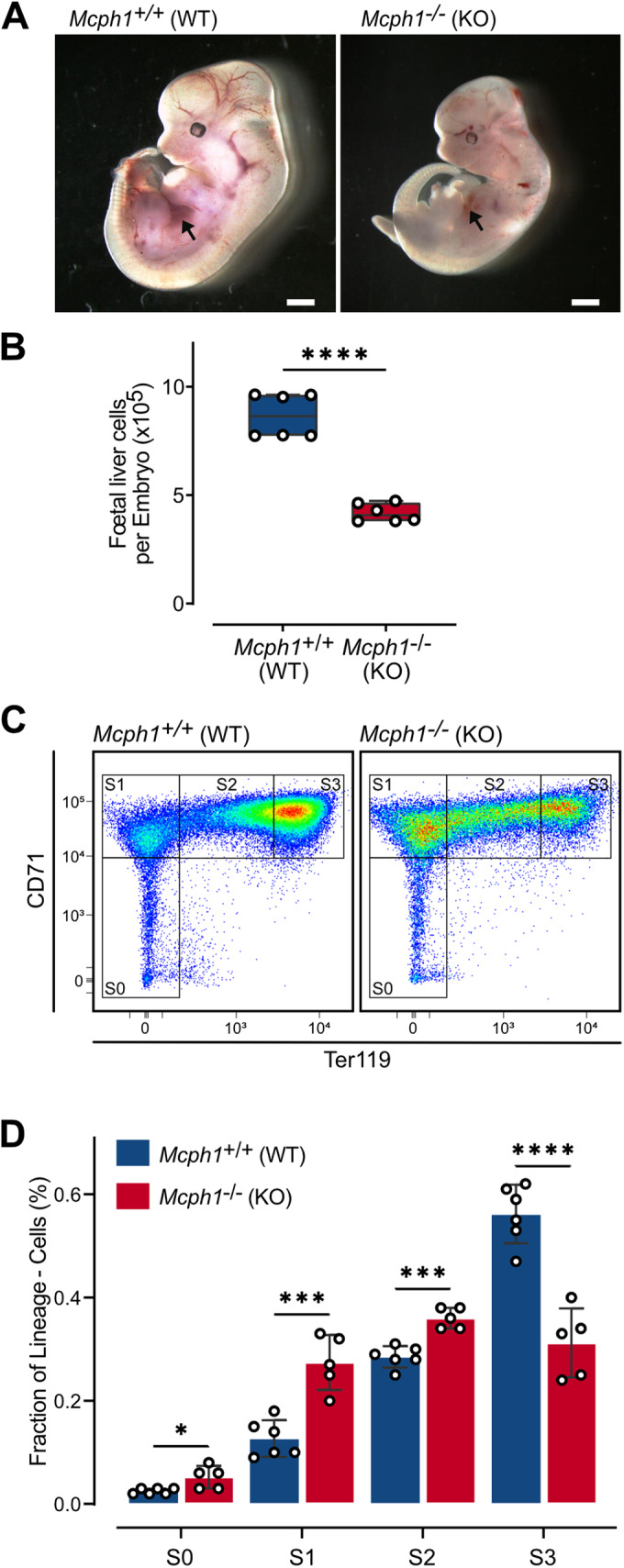 Figure 2
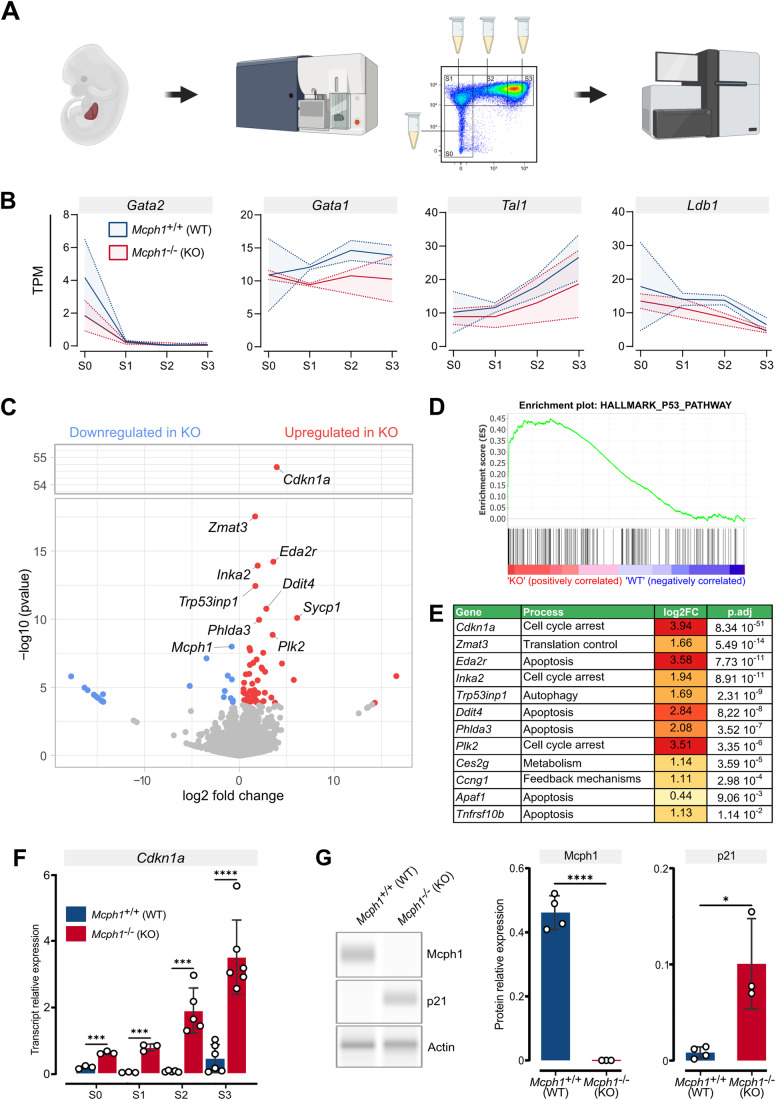 Figure 3
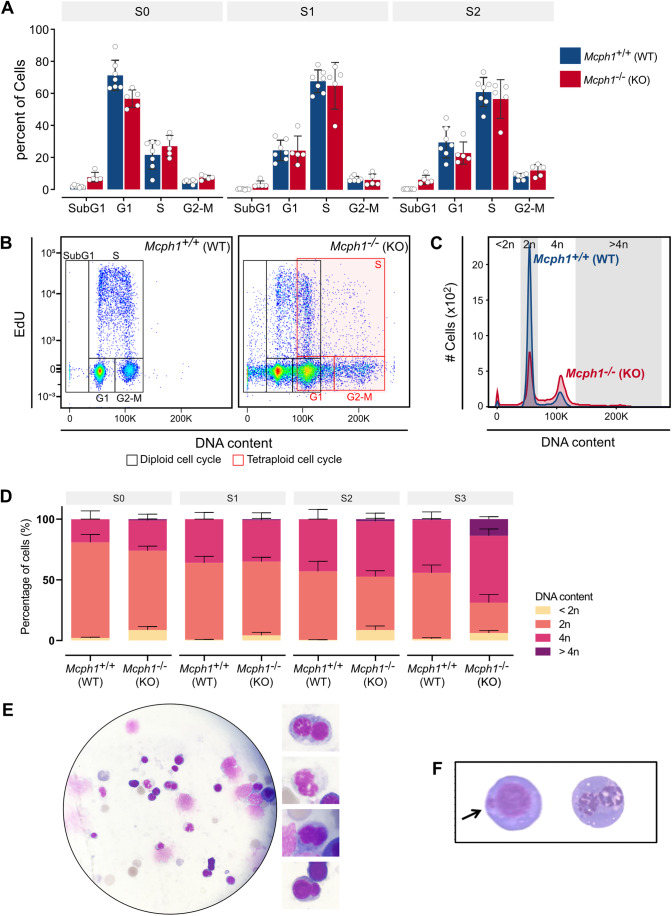 Figure 4
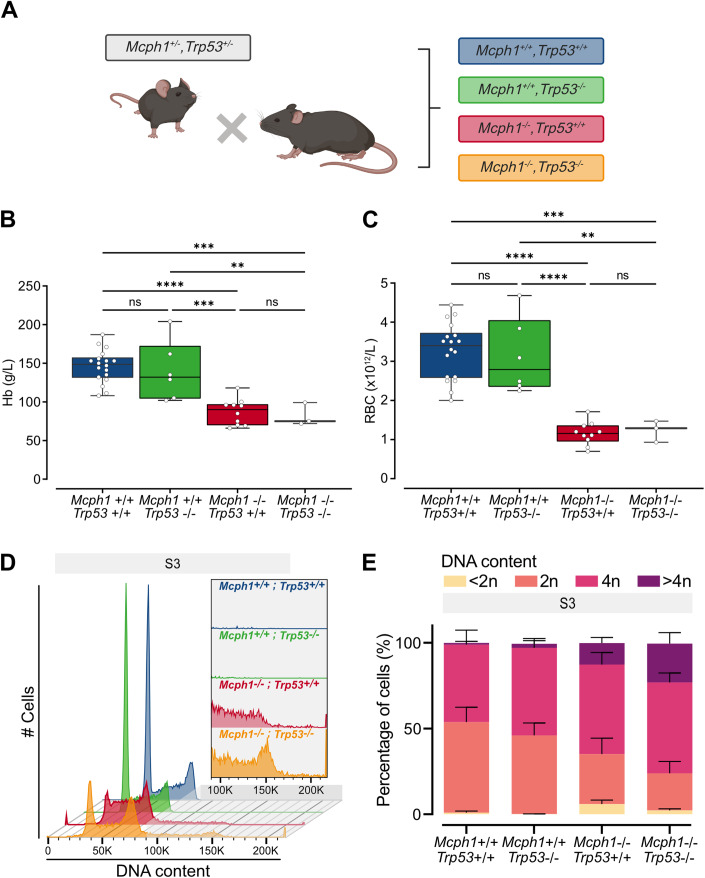 Figure 5
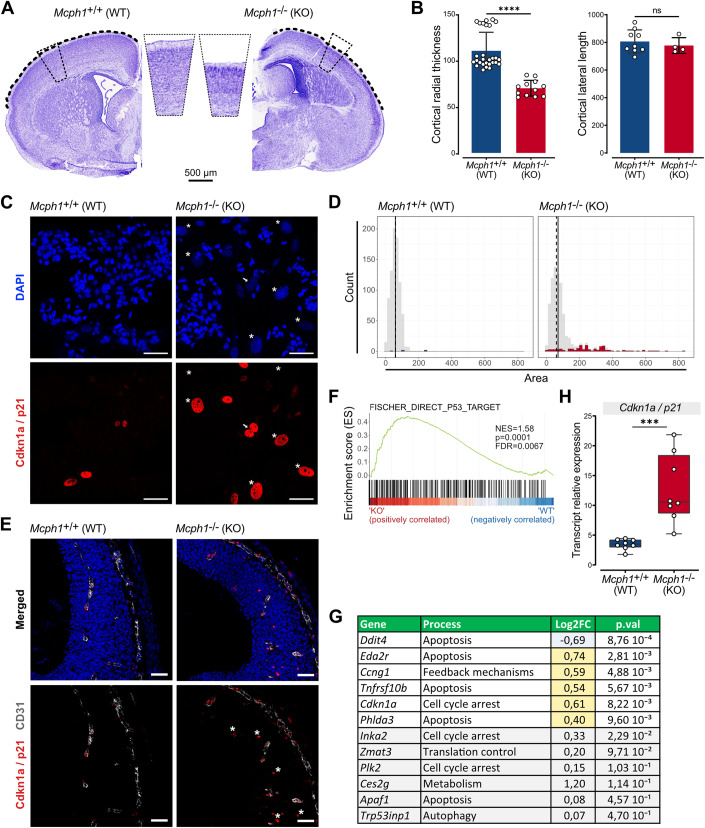 Figure 6
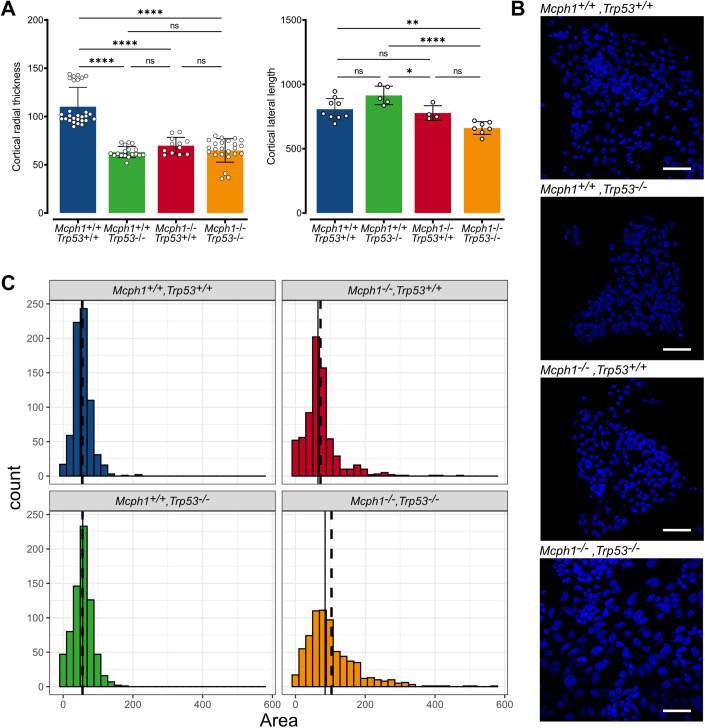 Figure 7
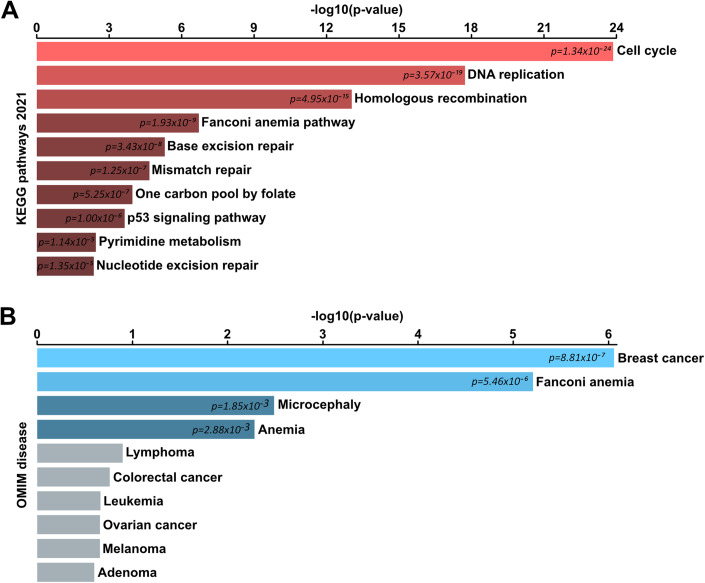 Figure 8
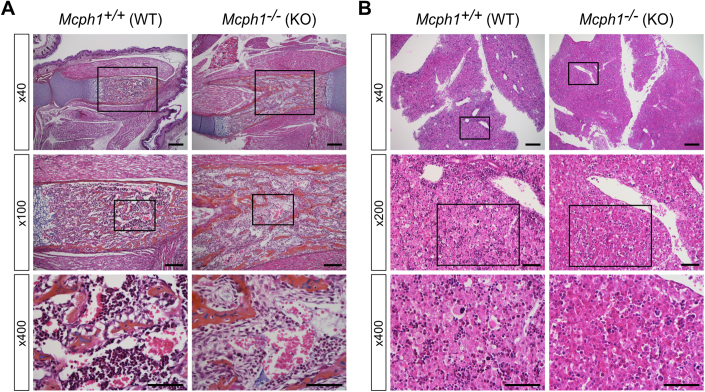 Figure 9
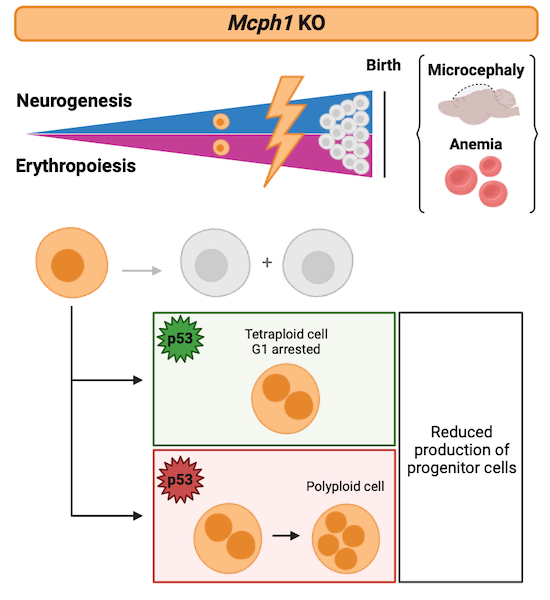 Figure 14
 Figure 15
Peer Reviews
No public reviews on file for this paper yet. If you reviewed it on a platform where reviews are public (OpenReview, ICLR, NeurIPS, ICML), you can paste yours below so the community can read it here.
Videos
No videos yet. Explain this paper in a talk, walkthrough, or lecture? Add one.
Taxonomy
TopicsRNA modifications and cancer · RNA Research and Splicing · Erythrocyte Function and Pathophysiology