Bacteria inhabiting spider webs enhance host silk extensibility
Maryia Tsiareshyna, Te-Hsin Wang, Ying-Sheng Lin, Dakota Piorkowski, Sammi Yen-Ting Huang, Yi-Lun Huang, Wei-Ting Chao, Yuan Jay Chang, Chen-Pan Liao, Pi-Han Wang, I-Min Tso

TL;DR
Bacteria found in spider webs can make spider silk more stretchy, which could be useful for biomedical applications.
Contribution
First evidence that bacteria in spider webs enhance silk extensibility via exopolysaccharides.
Findings
Exposure to Microbacterium sp. or Novosphigobium sp. increased silk extensibility by 58.7%.
Exopolysaccharides were detected only in silk exposed to the bacteria.
Lipid and glycoprotein surface layers are necessary for the bacteria to affect silk properties.
Abstract
Spider silk is a promising material with great potential in biomedical applications due to its incredible mechanical properties and resistance to degradation of commercially available bacterial strains. However, little is known about the bacterial communities that may inhabit spider webs and how these microorganisms interact with spider silk. In this study, we exposed two exopolysaccharide-secreting bacteria, isolated from webs of an orb spider, to major ampullate (MA) silk from host spiders. The naturally occurring lipid and glycoprotein surface layers of MA silk were experimentally removed to further probe the interaction between bacteria and silk. Extensibility of major ampullate silk produced by Triconephila clavata that was exposed to either Microbacterium sp. or Novosphigobium sp. was significantly higher than that of silk that was not exposed to bacteria (differed by 58.7%). This…
Genes, proteins, chemicals, diseases, species, mutations and cell lines named across the full text — each resolved to its canonical identifier and authoritative record.
Click any figure to enlarge with its caption.
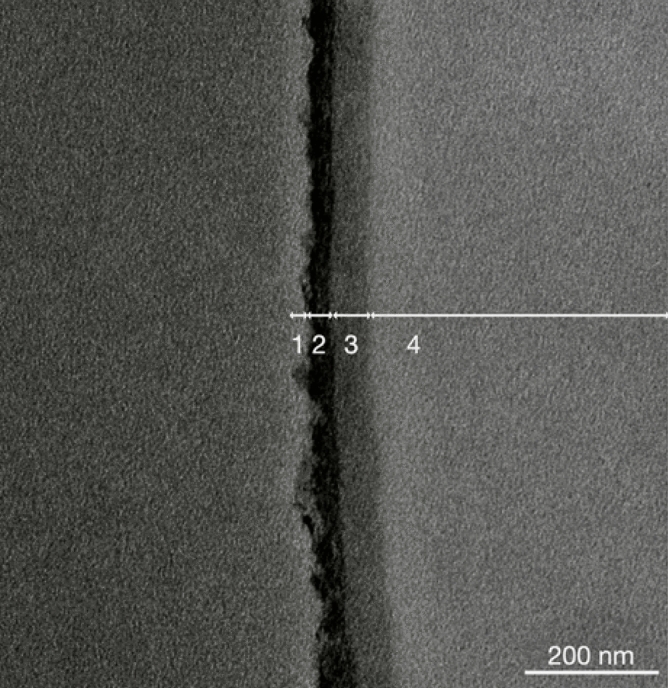 Figure 1
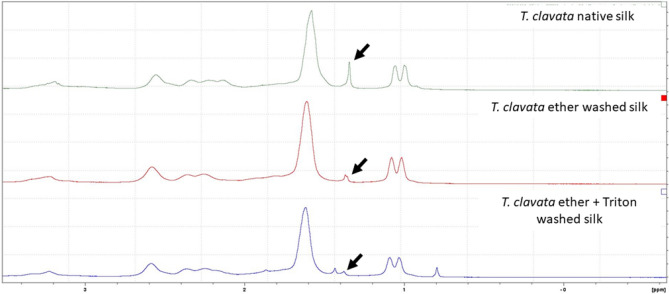 Figure 2
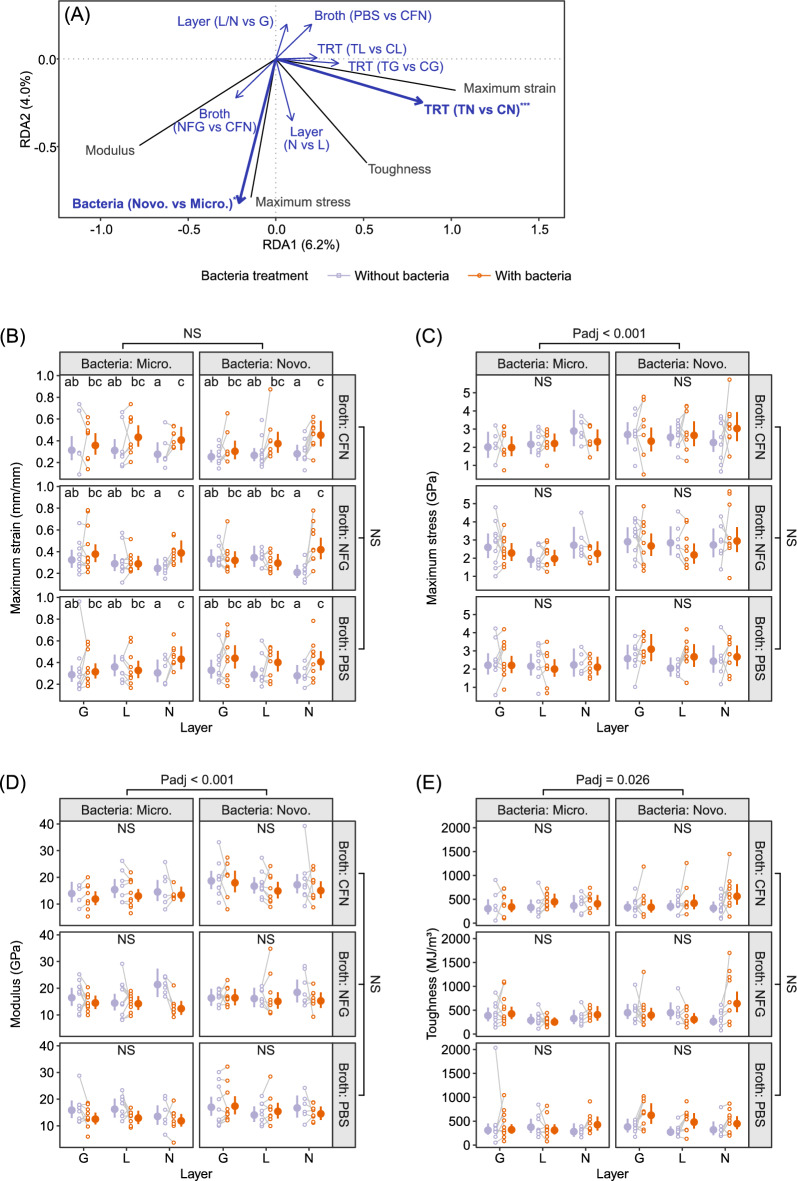 Figure 3
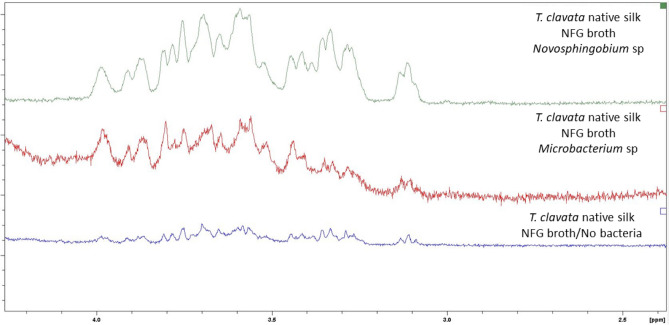 Figure 4
Peer Reviews
No public reviews on file for this paper yet. If you reviewed it on a platform where reviews are public (OpenReview, ICLR, NeurIPS, ICML), you can paste yours below so the community can read it here.
Videos
No videos yet. Explain this paper in a talk, walkthrough, or lecture? Add one.
Taxonomy
TopicsKruppel-like factors research · Chronic Myeloid Leukemia Treatments · Cancer-related gene regulation