Primary focal segmental glomerulosclerosis in a patient with ankylosing spondylitis: A rare presentation requiring a broad differential in nephrotic syndrome
Pooya Zardoost, Sana Tyabuddin, Austin Cantu, Musa Abu‐Jubara, Jackson Mittlesteadt, Henry Wehrum

TL;DR
A rare case of kidney disease called focal segmental glomerulosclerosis is reported in a patient with ankylosing spondylitis.
Contribution
Highlights FSGS as a rare but important differential diagnosis in AS patients with nephrotic syndrome.
Findings
FSGS is a rare but possible cause of kidney disease in patients with ankylosing spondylitis.
Renal failure in AS is more commonly due to amyloidosis or IgA nephropathy.
Clinicians should consider FSGS in the differential diagnosis for AS patients with nephrotic syndrome.
Abstract
Ankylosing spondylitis (AS) presents with renal failure and proteinuria in a minority of cases, usually due to secondary amyloidosis or IgA nephropathy. While focal segmental glomerulosclerosis (FSGS) is less common, it should still be in the differential regardless of the patient's clinical profile.
Genes, proteins, chemicals, diseases, species, mutations and cell lines named across the full text — each resolved to its canonical identifier and authoritative record.
Click any figure to enlarge with its caption.
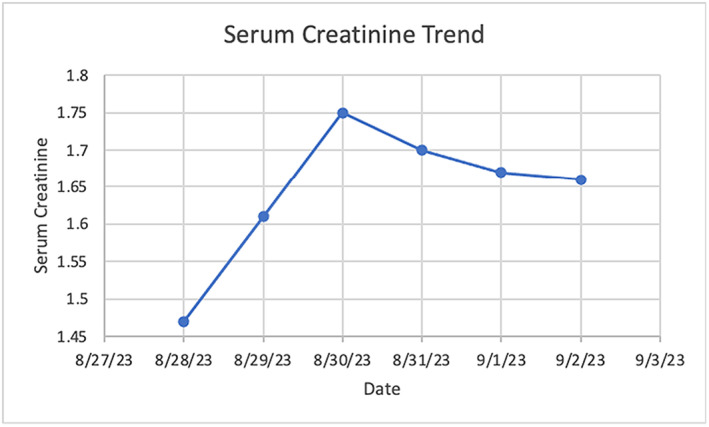 Figure 1
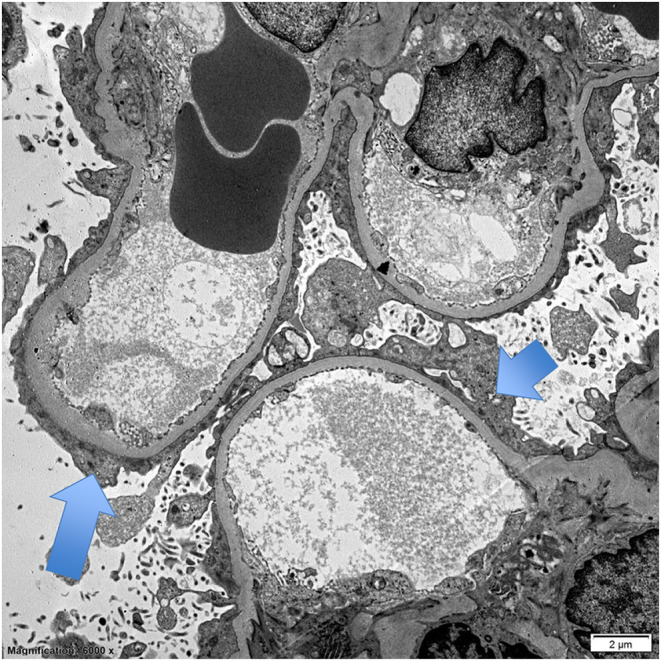 Figure 2
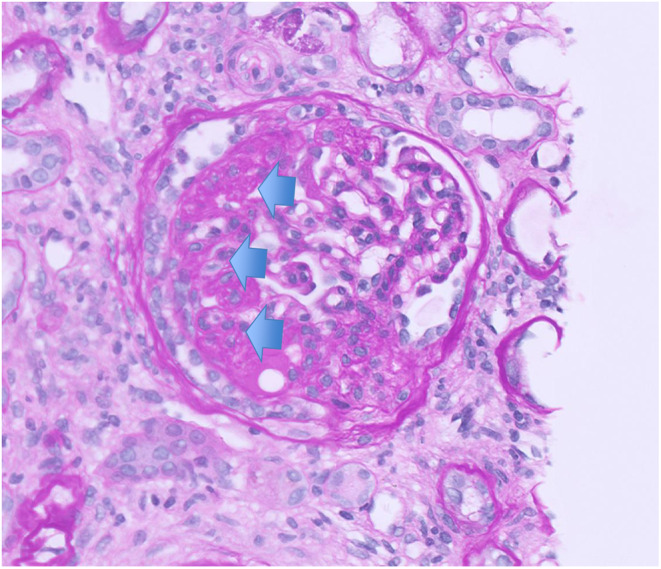 Figure 3
Peer Reviews
No public reviews on file for this paper yet. If you reviewed it on a platform where reviews are public (OpenReview, ICLR, NeurIPS, ICML), you can paste yours below so the community can read it here.
Videos
No videos yet. Explain this paper in a talk, walkthrough, or lecture? Add one.
Taxonomy
TopicsAmyloidosis: Diagnosis, Treatment, Outcomes · Renal Diseases and Glomerulopathies · Autoimmune Bullous Skin Diseases