Continuous quality evaluation of the Asanté rapid test for recent infection for robust kit lot quality verification
Amy Zheng, Mervi Detorio, Trudy Dobbs, Vedapuri Shanmugam, Xiaojuan Tan, Jeni Vuong, Robert A. Domaoal, Kemba Lee, LaTasha Williams, Keisha Jackson, Bharat Parekh, Ernest L. Yufenyuy

TL;DR
This study evaluates the quality control of the Asanté HIV rapid test to ensure accurate and consistent performance before field use.
Contribution
The study introduces additional quality assurance practices for verifying the performance of new Asanté test kit lots.
Findings
CDC-ILB passed 91% of the evaluated Asanté kit lots after quality checks.
Regression analyses showed consistent performance with R2 ≥ 0.92 for both test lines.
Inter-rater reliability and Bland-Altman analyses confirmed strong agreement and minimal bias.
Abstract
The Sedia Biosciences Asanté rapid test for recent infection (RTRI) can identify HIV infections and characterize HIV-1 as recent or long-term infection via the positive verification (V) line and long-term line (LT) line, respectively. Tracking with Recency Assays to Control the Epidemic (TRACE) program uses RTRI assays. Successful implementation of TRACE requires high-quality test performance. The goal of this study is to evaluate the additional quality practices established for new kit lots prior to field use. Asanté lot quality control data from the manufacturer is reviewed by the Centers for Disease Control and Prevention International Laboratory Branch (CDC-ILB) in the Division of Global HIV and TB using. If a lot passes manufacturer quality control and CDC-ILB review, test kits are sent to CDC-ILB for further evaluation. Evaluation by CDC includes inter-rater reliability and linear…
Genes, proteins, chemicals, diseases, species, mutations and cell lines named across the full text — each resolved to its canonical identifier and authoritative record.
Click any figure to enlarge with its caption.
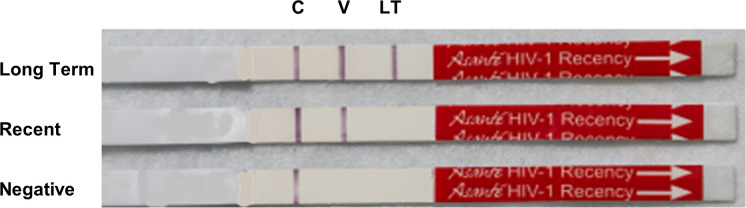 Figure 1
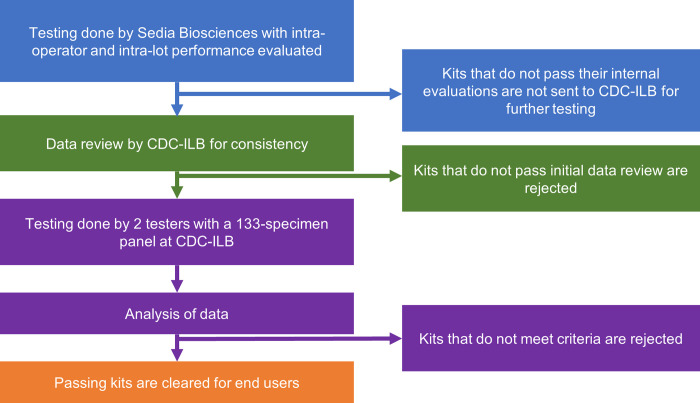 Figure 2
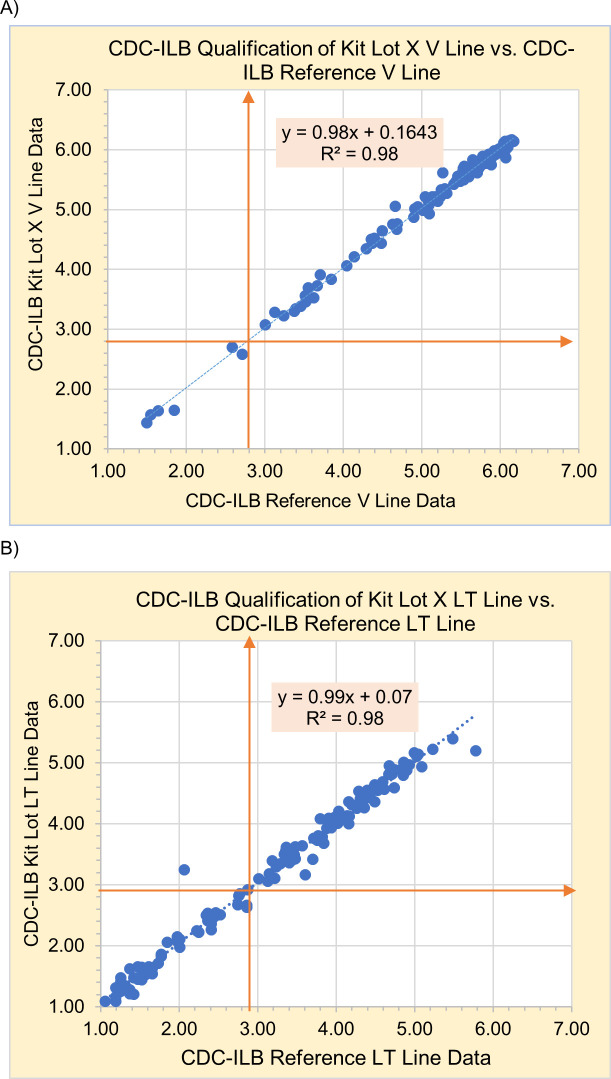 Figure 3
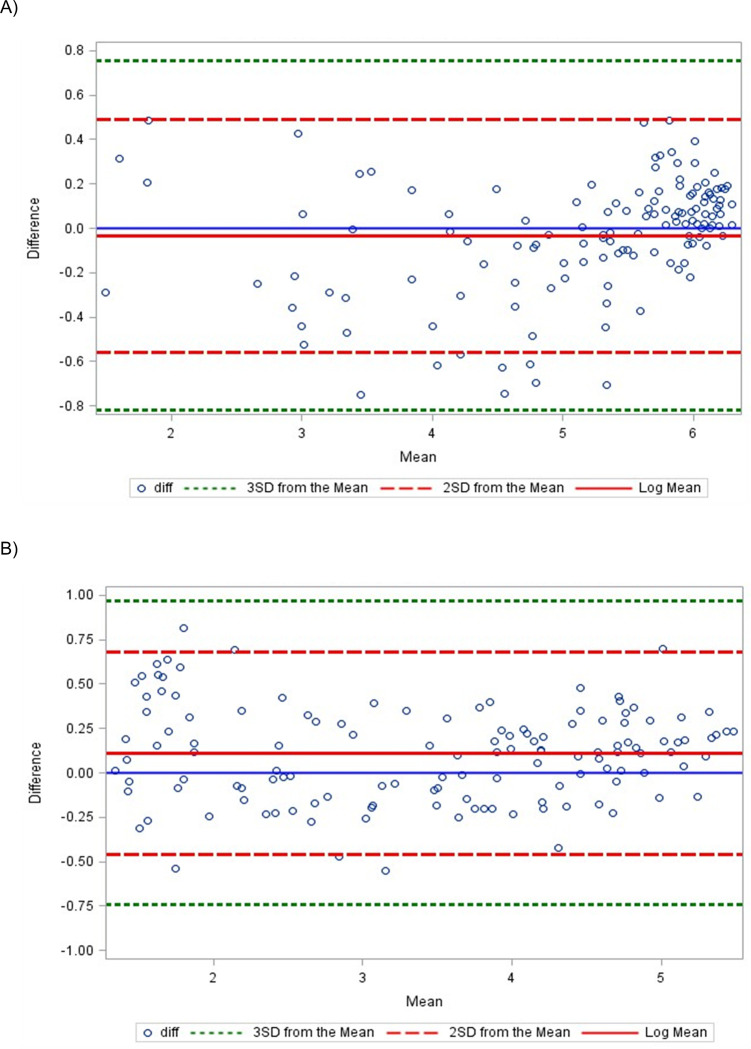 Figure 4
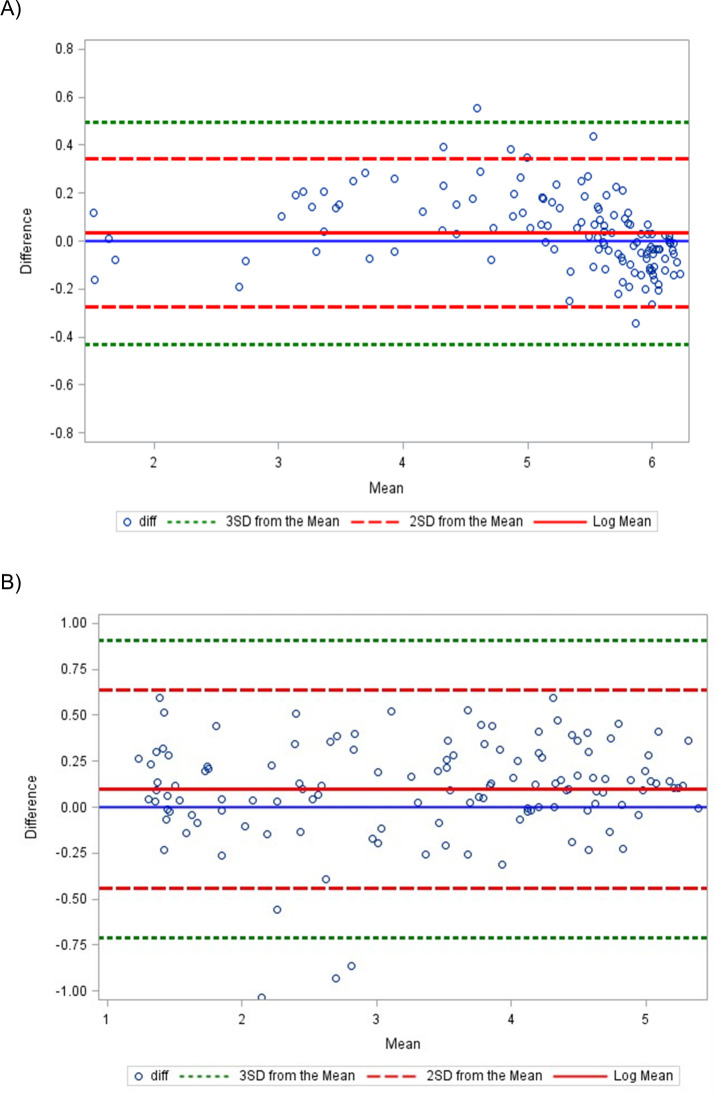 Figure 5
Peer Reviews
No public reviews on file for this paper yet. If you reviewed it on a platform where reviews are public (OpenReview, ICLR, NeurIPS, ICML), you can paste yours below so the community can read it here.
Videos
No videos yet. Explain this paper in a talk, walkthrough, or lecture? Add one.
Taxonomy
TopicsHIV/AIDS Research and Interventions · HIV Research and Treatment · HIV, Drug Use, Sexual Risk