Investigating the effect of anatomical variations in the response of the neonatal brachial plexus to applied force: Use of a two-dimensional finite element model
Sarah J. Wright, Michele J. Grimm

TL;DR
This study uses a 2D model to understand how anatomical variations affect the risk of neonatal brachial plexus injury during birth.
Contribution
The paper introduces a validated 2D finite element model to analyze stress in the neonatal brachial plexus.
Findings
C5 and C6 nerve roots experience the highest stress and displacement, matching clinical injury patterns.
Small variations in nerve root angles significantly affect stress levels in the brachial plexus.
The model is a first step toward a 3D model for more accurate injury risk assessment.
Abstract
The brachial plexus is a set of nerves that innervate the upper extremity and may become injured during the birthing process through an injury known as Neonatal Brachial Plexus Palsy. Studying the mechanisms of these injuries on infant cadavers is challenging due to the justifiable sensitivity surrounding testing. Thus, these specimens are generally unavailable to be used to investigate variations in brachial plexus injury mechanisms. Finite Element Models are an alternative way to investigate the response of the neonatal brachial plexus to loading. Finite Element Models allow a virtual representation of the neonatal brachial plexus to be developed and analyzed with dimensions and mechanical properties determined from experimental studies. Using ABAQUS software, a two-dimensional brachial plexus model was created to analyze how stresses and strains develop within the brachial plexus.…
Genes, proteins, chemicals, diseases, species, mutations and cell lines named across the full text — each resolved to its canonical identifier and authoritative record.
Click any figure to enlarge with its caption.
 Figure 1
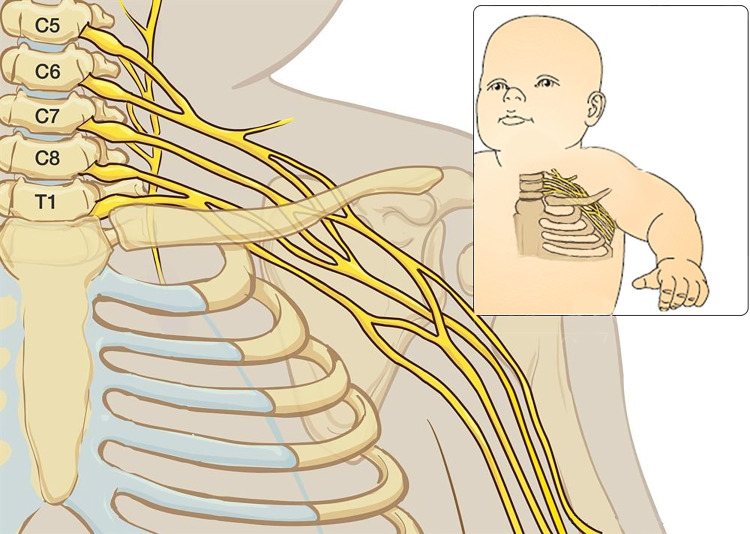 Figure 2
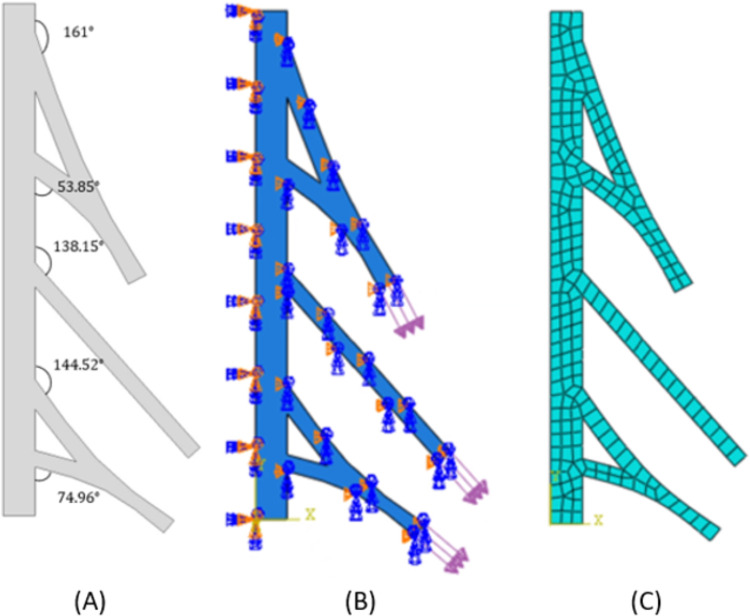 Figure 3
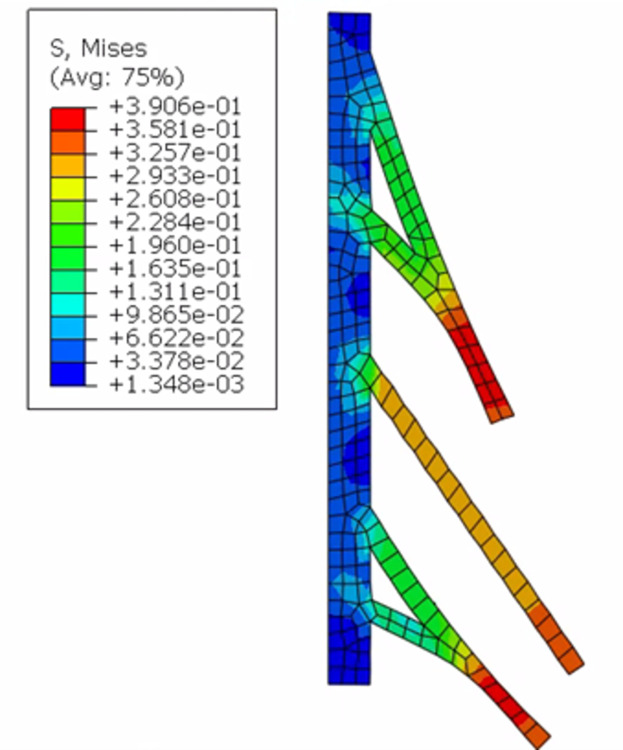 Figure 4
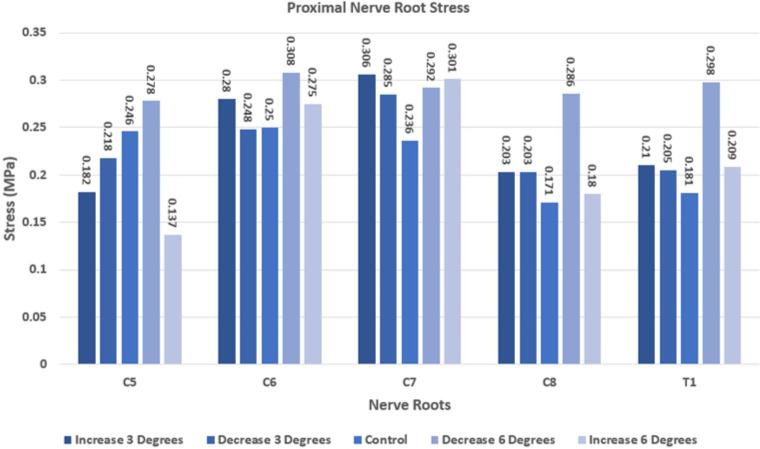 Figure 5
 Figure 6
 Figure 7
 Figure 8
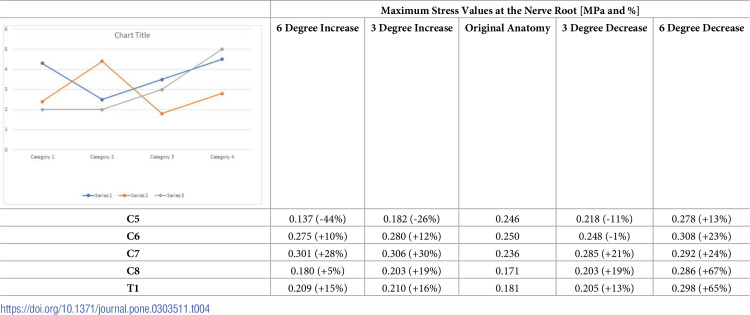 Figure 9
 Figure 10
Peer Reviews
No public reviews on file for this paper yet. If you reviewed it on a platform where reviews are public (OpenReview, ICLR, NeurIPS, ICML), you can paste yours below so the community can read it here.
Videos
No videos yet. Explain this paper in a talk, walkthrough, or lecture? Add one.
Taxonomy
TopicsNerve Injury and Rehabilitation · Cardiac Structural Anomalies and Repair · Spinal Cord Injury Research