Selective Peripheral Denervation and Selective Nerve Injury for the Treatment of Cervical Dystonia Through a Periauricular Incision
Brian Mailey, Blake M Sparkman, Alina K Sinha, Timothy Daugherty, Kevin Calder

TL;DR
This paper describes a new surgical approach for treating cervical dystonia using a periauricular incision to selectively weaken or denervate neck muscles.
Contribution
The novel contribution is an anterior surgical approach using a periauricular incision for selective nerve injury in cervical dystonia.
Findings
An anterior surgical approach via a periauricular incision allows for selective denervation of anterior and posterior neck muscles.
Sunderland third-degree nerve injury can be used to partially weaken nonexpendable muscles, avoiding functional limitations.
This method improves nerve identification at the target muscle entry point compared to traditional posterior approaches.
Abstract
Traditional selective peripheral denervation methods for treating cervical dystonia (CD) involve complete transection of the nerves to muscles through a posterior incision proximally after they exit the spinal cord. This report presents a case where anterior muscles involved in CD cannot be easily addressed through the traditional posterior approach. Furthermore, complete denervation of certain muscles, such as the trapezius, can lead to functional limitations. The objective of this report is to describe an anterior surgical treatment approach for focal CD. Specifically, we describe the use of a periauricular incision to perform selective peripheral denervation of anterior and posterior neck muscles at a more peripheral location near their target muscle entry point. Complete denervation was performed for expendable muscles while Sunderland third-degree nerve injury was performed to…
Genes, proteins, chemicals, diseases, species, mutations and cell lines named across the full text — each resolved to its canonical identifier and authoritative record.
Click any figure to enlarge with its caption.
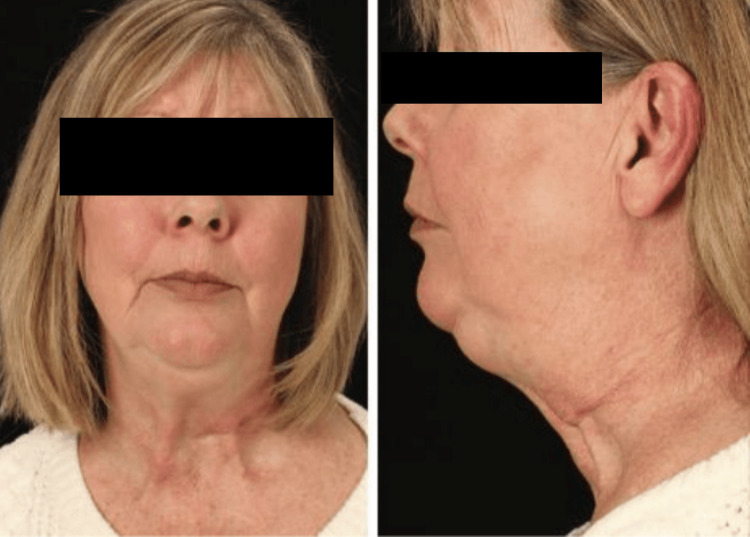 Figure 1
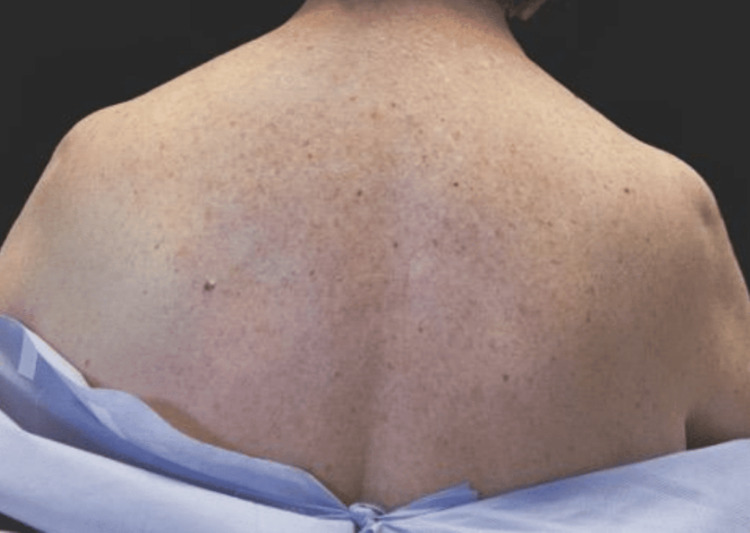 Figure 2
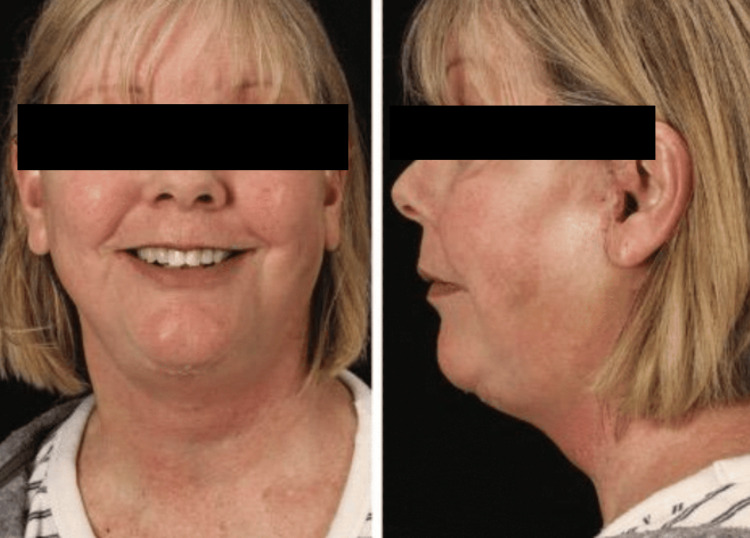 Figure 3
Peer Reviews
No public reviews on file for this paper yet. If you reviewed it on a platform where reviews are public (OpenReview, ICLR, NeurIPS, ICML), you can paste yours below so the community can read it here.
Videos
No videos yet. Explain this paper in a talk, walkthrough, or lecture? Add one.
Taxonomy
TopicsBotulinum Toxin and Related Neurological Disorders · Neurological disorders and treatments · Genetic Neurodegenerative Diseases