Multiple asynchronous recurrence as a predictive factor for refractoriness against locoregional and surgical therapy in patients with intermediate-stage hepatocellular carcinoma
Ryosuke Kasuga, Nobuhito Taniki, Po-Sung Chu, Masashi Tamura, Takaya Tabuchi, Akihiro Yamaguchi, Shigeo Hayatsu, Jun Koizumi, Keisuke Ojiro, Hitomi Hoshi, Fumihiko Kaneko, Rei Morikawa, Fumie Noguchi, Karin Yamataka, Shingo Usui, Hirotoshi Ebinuma, Osamu Itano, Yasushi Hasegawa

TL;DR
This study identifies multiple tumor recurrences as a key predictor of treatment resistance in intermediate-stage liver cancer patients, suggesting the need for early multidisciplinary care.
Contribution
The study introduces multiple asynchronous recurrence as a novel predictive factor for treatment refractoriness in intermediate-stage hepatocellular carcinoma.
Findings
Patients with multiple tumor recurrences had significantly shorter time to treatment refractoriness compared to initial occurrences.
Each additional recurrence further reduced the median time to untreatable progression, especially after six recurrences.
Recurrence patterns can guide earlier multidisciplinary treatment decisions in HCC patients.
Abstract
Development of subclassification of intermediate-stage hepatocellular carcinoma (HCC) by treatment suitability is in demand. We aimed to identify predictors that define treatment refractoriness against locoregional(transarterial chemoembolization(TACE) or thermal ablation) and surgical therapy. This multicenter retrospective study enrolled 1167 HCC patients between 2015 and 2021. Of those, 209 patients were initially diagnosed with intermediate-stage HCC. Treatment refractoriness was defined as clinical settings that meets the following untreatable progressive conditions by TACE (1) 25% increase of intrahepatic tumor, (2) transient deterioration to Child–Pugh class C, (3) macrovascular invasion or extrahepatic spread, within one year. We then analyzed factors contributing to treatment refractoriness. The Child–Pugh score/class, number of tumors, infiltrative radiological type, and…
Genes, proteins, chemicals, diseases, species, mutations and cell lines named across the full text — each resolved to its canonical identifier and authoritative record.
Click any figure to enlarge with its caption.
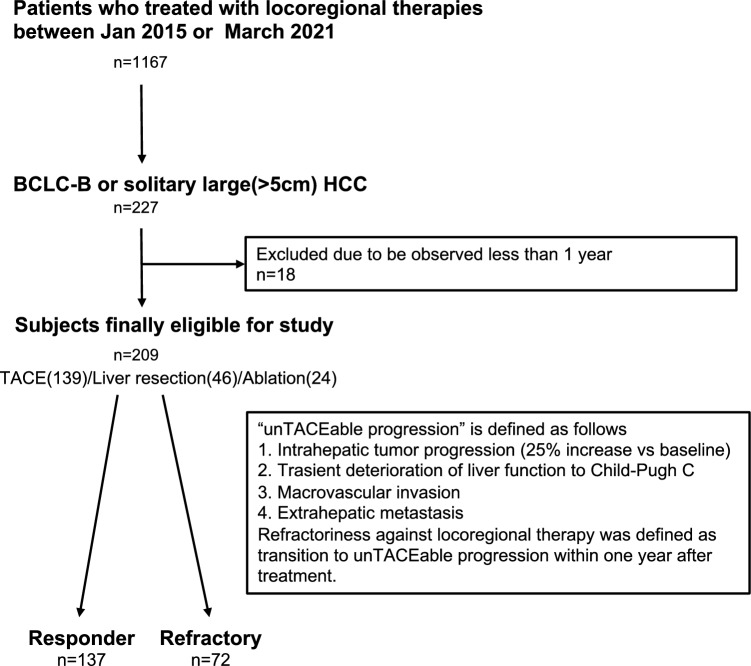 Figure 1
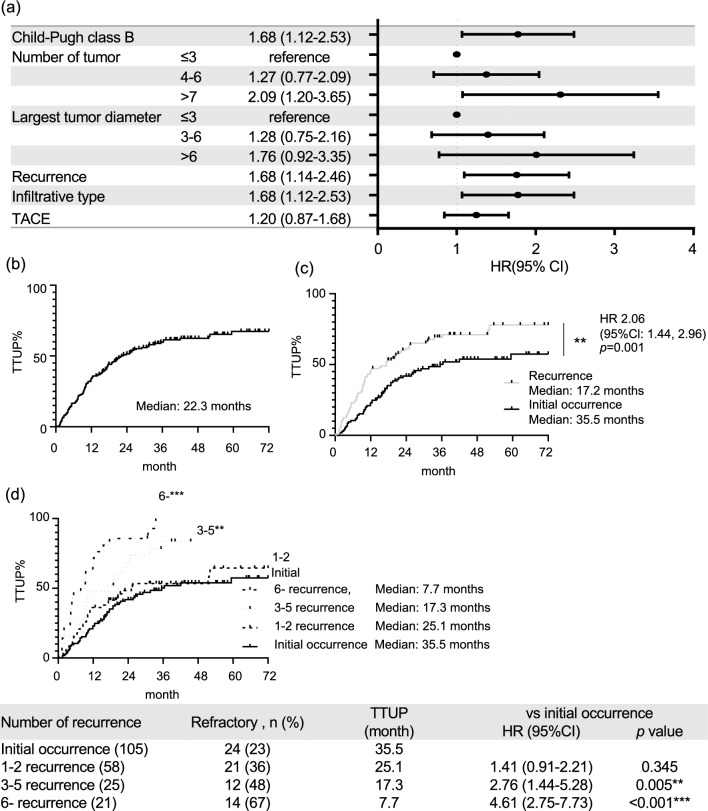 Figure 2
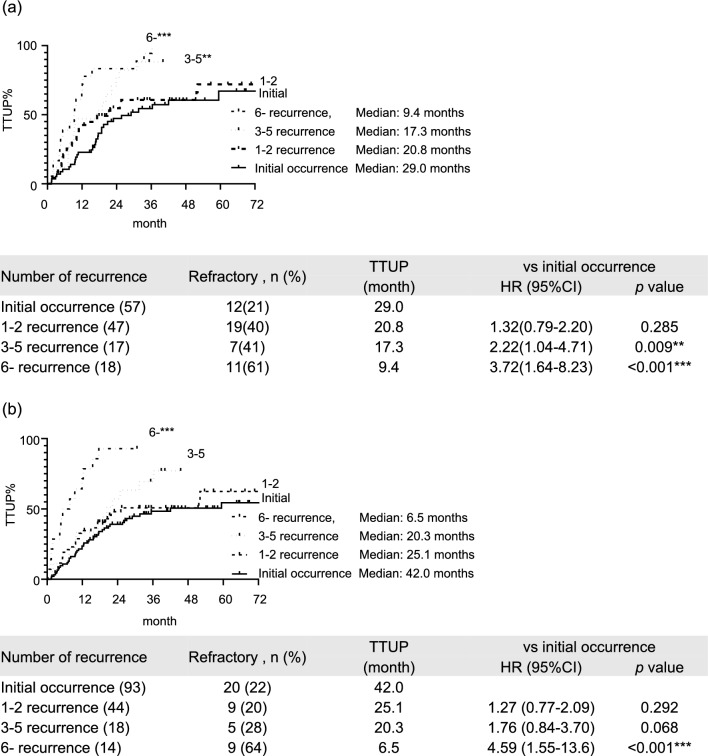 Figure 3
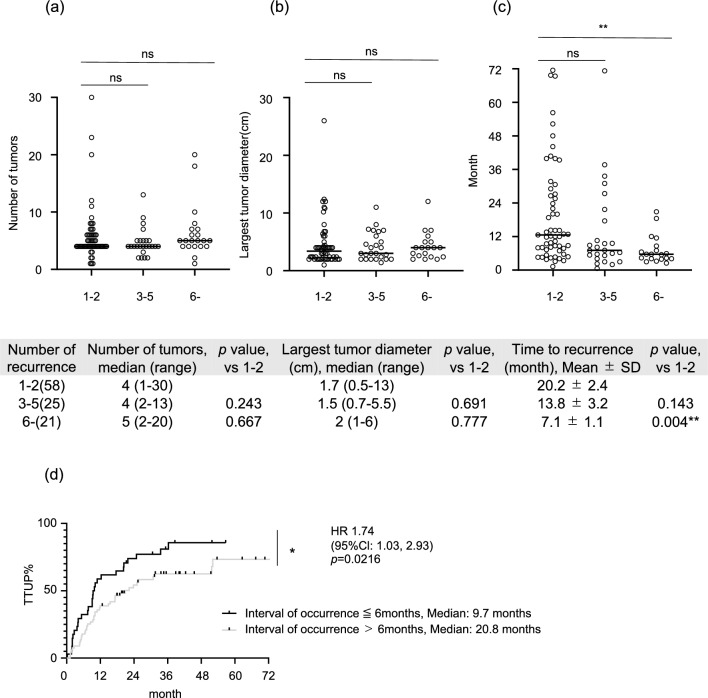 Figure 4
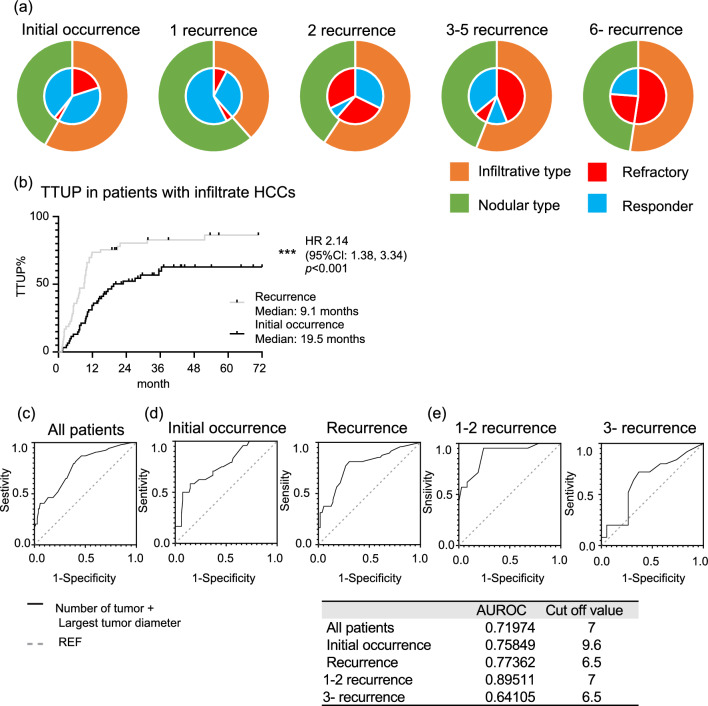 Figure 5
Peer Reviews
No public reviews on file for this paper yet. If you reviewed it on a platform where reviews are public (OpenReview, ICLR, NeurIPS, ICML), you can paste yours below so the community can read it here.
Videos
No videos yet. Explain this paper in a talk, walkthrough, or lecture? Add one.
Taxonomy
TopicsHepatocellular Carcinoma Treatment and Prognosis · Cholangiocarcinoma and Gallbladder Cancer Studies · Liver Disease Diagnosis and Treatment