A dual model of normal vs isogenic Nrf2-depleted murine epithelial cells to explore oxidative stress involvement
Jacques Dupuy, Edwin Fouché, Céline Noirot, Pierre Martin, Charline Buisson, Françoise Guéraud, Fabrice Pierre, Cécile Héliès-Toussaint

TL;DR
Researchers created a dual-cell model to study how oxidative stress affects healthy cells, using normal and Nrf2-depleted cells treated with a lipid peroxidation product.
Contribution
A novel dual-cell model using CRISPR/Cas9 to study oxidative stress in a normal genetic context.
Findings
Nrf2-depleted cells showed altered glutathione levels and gene regulation after HNE treatment.
Significant differences in cell viability were observed between normal and Nrf2-depleted cells.
The model effectively highlights oxidative stress's role in xenobiotic toxicity.
Abstract
Cancer-derived cell lines are useful tools for studying cellular metabolism and xenobiotic toxicity, but they are not suitable for modeling the biological effects of food contaminants or natural biomolecules on healthy colonic epithelial cells in a normal genetic context. The toxicological properties of such compounds may rely on their oxidative properties. Therefore, it appears to be necessary to develop a dual-cell model in a normal genetic context that allows to define the importance of oxidative stress in the observed toxicity. Given that the transcription factor nuclear factor erythroid 2-related factor 2 (Nrf2) is considered to be the master regulator of antioxidant defenses, our aim was to develop a cellular model comparing normal and Nrf2-depleted isogenic cells to qualify oxidative stress–related toxicity. We generated these cells by using the CRISPR/Cas9 technique.…
Genes, proteins, chemicals, diseases, species, mutations and cell lines named across the full text — each resolved to its canonical identifier and authoritative record.
Click any figure to enlarge with its caption.
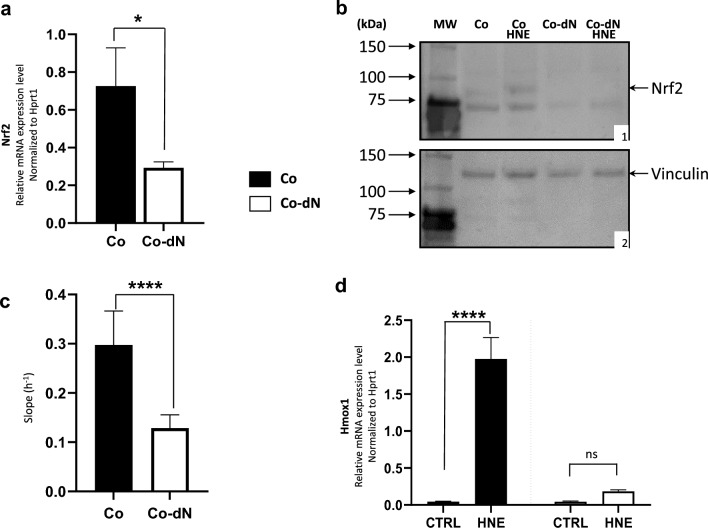 Figure 1
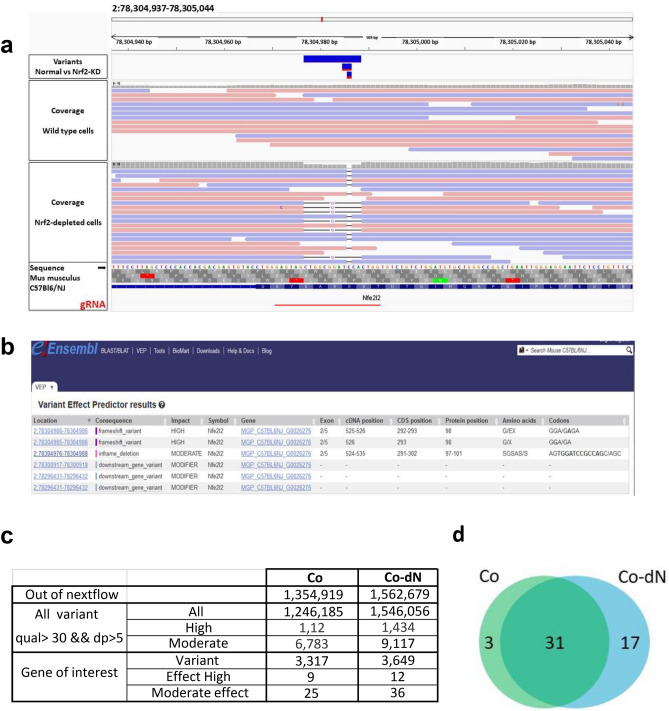 Figure 2
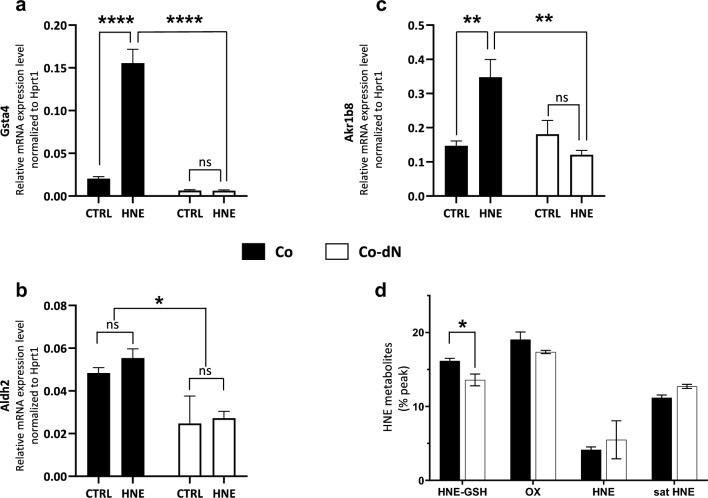 Figure 3
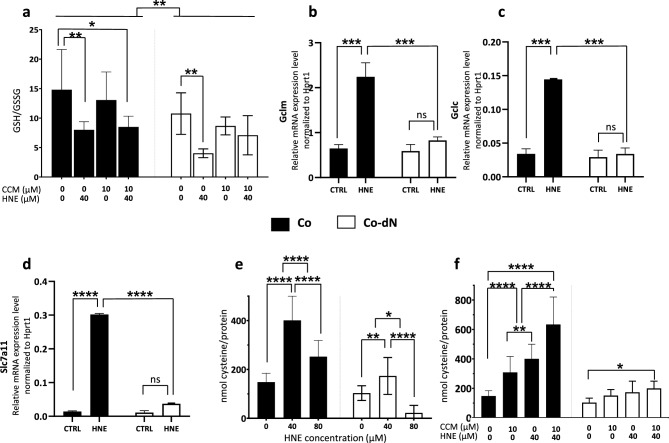 Figure 4
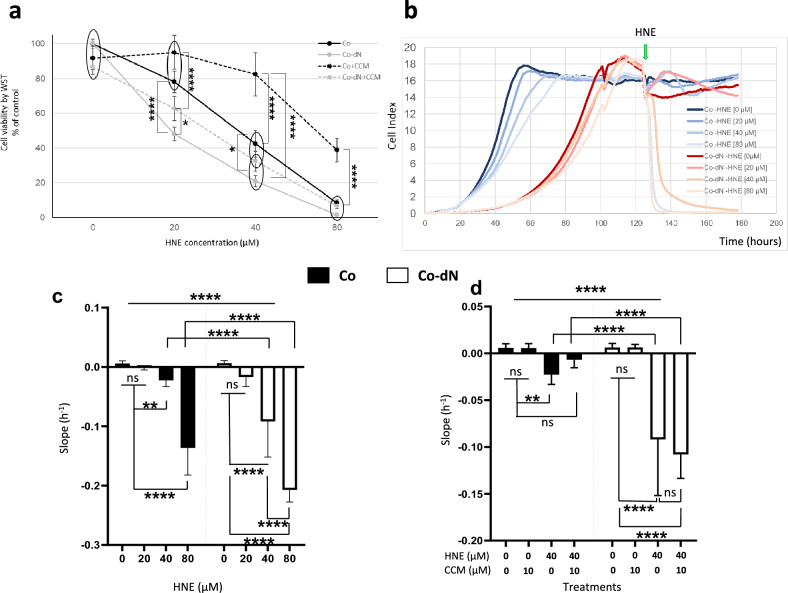 Figure 5
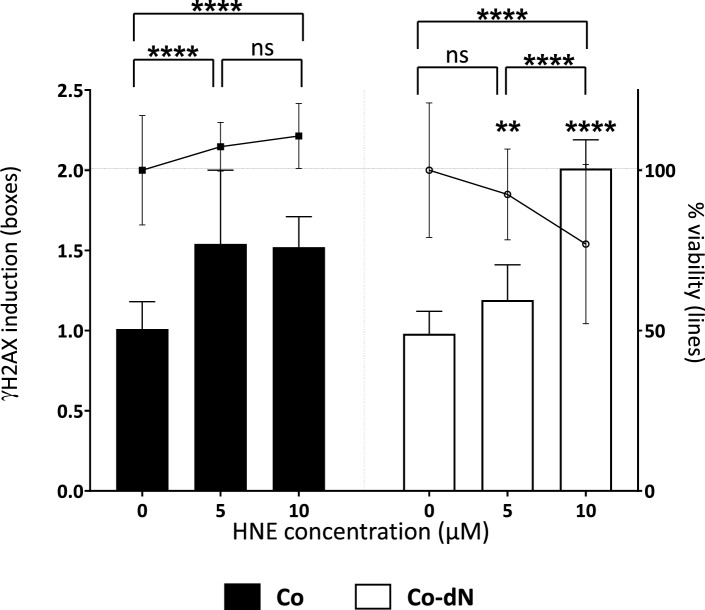 Figure 6
Peer Reviews
No public reviews on file for this paper yet. If you reviewed it on a platform where reviews are public (OpenReview, ICLR, NeurIPS, ICML), you can paste yours below so the community can read it here.
Videos
No videos yet. Explain this paper in a talk, walkthrough, or lecture? Add one.
Taxonomy
TopicsGenomics, phytochemicals, and oxidative stress · Glutathione Transferases and Polymorphisms · Vitamin C and Antioxidants Research