François Rabelais and his dystonic giants
Léo Coutinho, Carlos Henrique Ferreira Camargo, Hélio Afonso Ghizoni Teive

TL;DR
This paper explores how a 16th-century French writer's work inspired the term and understanding of cervical dystonia.
Contribution
It highlights the historical and cultural influence of Rabelais' literary work on the medical terminology and perception of cervical dystonia.
Findings
The term 'torticollis' originated from Rabelais' literary work.
Rabelais' description influenced the medical understanding of cervical dystonia.
Art inspired by Rabelais impacted poetry, art, and photography.
Abstract
Spasmodic torticollis was an early designation used for cervical dystonia. The origin of this name is attributed to French physician and writer François Rabelais in the mid-sixteenth century. This early description of torticollis in the book Pantagruel was an inspiration for the understanding of cervical dystonia. The art expressed in Rabelais' literature ‒ which was immortalized by the drawings of Gustave Doré ‒ influenced poetry, art, and photography, and led to the adoption of the term torticollis in the neurological sciences.
Genes, proteins, chemicals, diseases, species, mutations and cell lines named across the full text — each resolved to its canonical identifier and authoritative record.
Click any figure to enlarge with its caption.
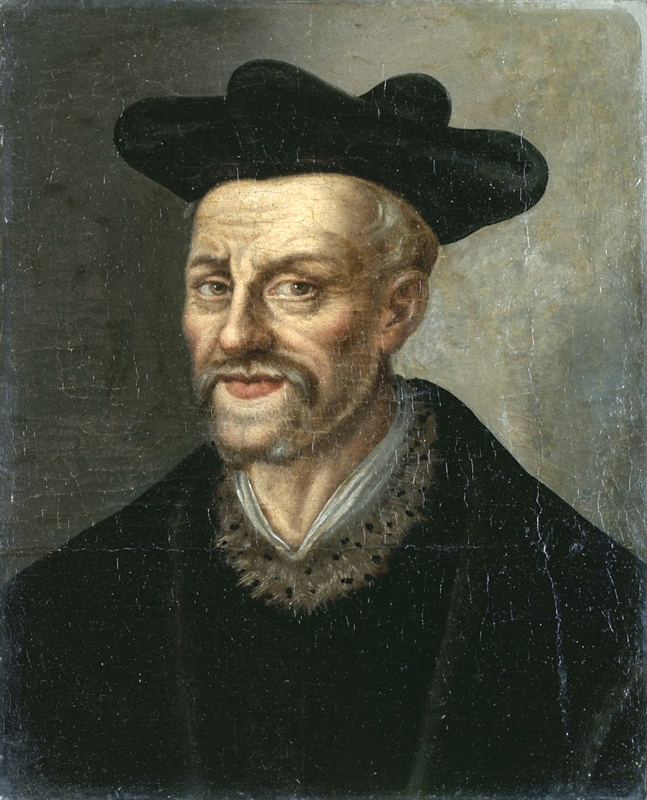 Figure 1
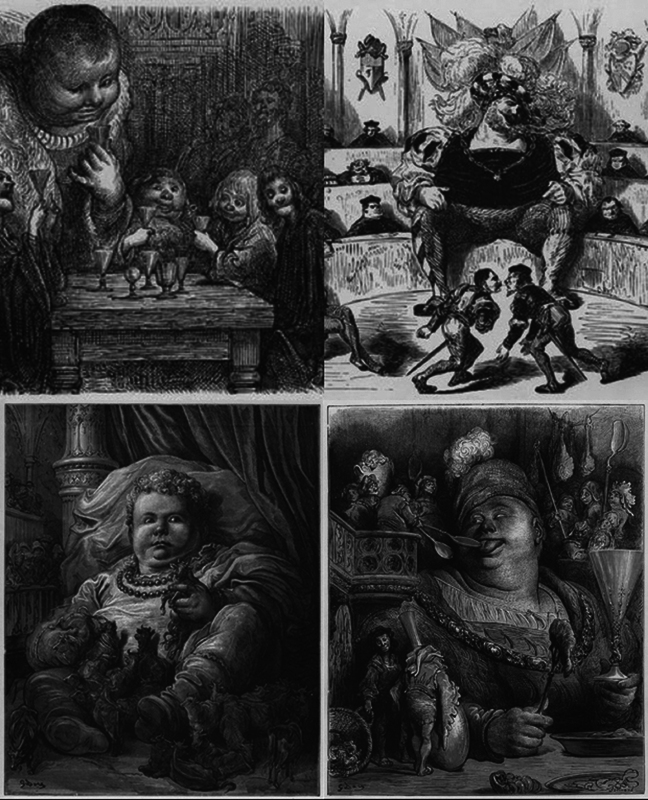 Figure 2
Peer Reviews
No public reviews on file for this paper yet. If you reviewed it on a platform where reviews are public (OpenReview, ICLR, NeurIPS, ICML), you can paste yours below so the community can read it here.
Videos
No videos yet. Explain this paper in a talk, walkthrough, or lecture? Add one.
Taxonomy
TopicsBotulinum Toxin and Related Neurological Disorders · Neurological disorders and treatments · Genetic Neurodegenerative Diseases