Hypertonia of the Big Toe Revealing Parkinson’s Disease: A Case Report
Houssam Mahla, Abdelilah Rhoul, Mohammed Gartit, Souhail Yachaoui, Ahmed Amine EL Oumri

TL;DR
This case report highlights how big toe stiffness can be an early sign of Parkinson's disease, emphasizing the need for thorough neurological exams.
Contribution
The report presents hallux hypertonia as a distinctive and under-recognized clinical feature of Parkinson’s disease.
Findings
Hallux hypertonia is a significant motor symptom in Parkinson’s disease.
Early detection through neurological evaluation can improve diagnostic accuracy.
The case underscores the importance of considering atypical motor signs in PD diagnosis.
Abstract
Despite being less commonly discussed than other motor symptoms such as tremors and bradykinesia, hypertonia of the hallux holds diagnostic and prognostic significance in Parkinson’s disease (PD). This motor anomaly is dissected within the context of the broader clinical spectrum of PD symptoms, emphasizing its importance alongside its cardinal symptoms. This case report underscores the importance of accurate clinical assessment especially thorough neurological evaluation in discerning hallux hypertonia, potentially enabling early disease recognition and intervention. By synthesizing these clinical insights, we trust that this case report contributes to an enhanced understanding of hypertonia of the hallux as a distinctive clinical presentation in PD fostering improved diagnostic precision.
Genes, proteins, chemicals, diseases, species, mutations and cell lines named across the full text — each resolved to its canonical identifier and authoritative record.
Click any figure to enlarge with its caption.
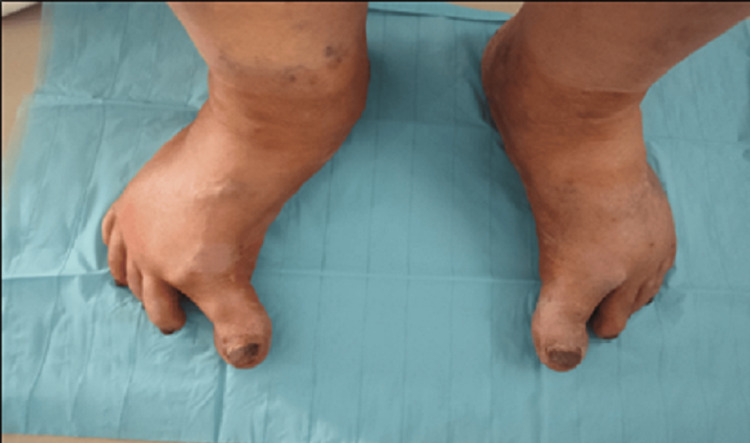 Figure 1
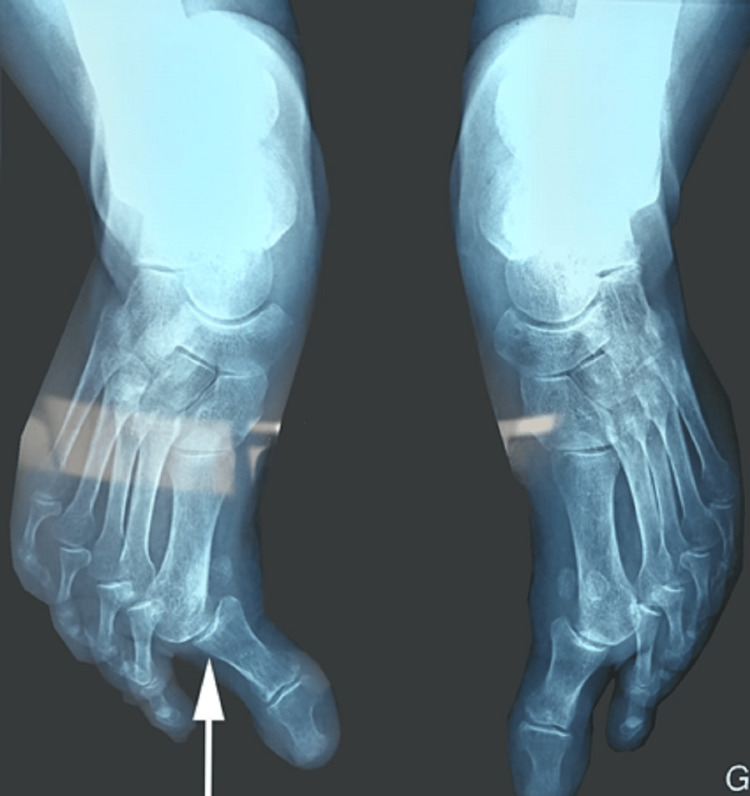 Figure 2
Peer Reviews
No public reviews on file for this paper yet. If you reviewed it on a platform where reviews are public (OpenReview, ICLR, NeurIPS, ICML), you can paste yours below so the community can read it here.
Videos
No videos yet. Explain this paper in a talk, walkthrough, or lecture? Add one.
Taxonomy
TopicsParkinson's Disease and Spinal Disorders · Parkinson's Disease Mechanisms and Treatments · Neurological disorders and treatments