UNNT: A novel Utility for comparing Neural Net and Tree-based models
Vineeth Gutta, Satish Ranganathan Ganakammal, Sara Jones, Matthew Beyers, Sunita Chandrasekaran, Mark Alber, Samuel V. Scarpino, Mark Alber, Samuel V. Scarpino, Mark Alber, Samuel V. Scarpino, Mark Alber, Samuel V. Scarpino

TL;DR
This paper introduces UNNT, a tool for comparing deep learning and tree-based models in cancer drug response prediction, showing that model choice depends on hardware when performance is similar.
Contribution
The novel UNNT framework simplifies comparing CNNs and XGBoost for drug response modeling and highlights hardware-dependent model performance.
Findings
Tree-based models like XGBoost outperform CNNs in single drug response prediction accuracy.
Neither CNNs nor XGBoost show clear superiority in training time on CPUs and GPUs.
UNNT is a flexible tool applicable to cancer and other domains like chemistry.
Abstract
The use of deep learning (DL) is steadily gaining traction in scientific challenges such as cancer research. Advances in enhanced data generation, machine learning algorithms, and compute infrastructure have led to an acceleration in the use of deep learning in various domains of cancer research such as drug response problems. In our study, we explored tree-based models to improve the accuracy of a single drug response model and demonstrate that tree-based models such as XGBoost (eXtreme Gradient Boosting) have advantages over deep learning models, such as a convolutional neural network (CNN), for single drug response problems. However, comparing models is not a trivial task. To make training and comparing CNNs and XGBoost more accessible to users, we developed an open-source library called UNNT (A novel Utility for comparing Neural Net and Tree-based models). The case studies, in this…
Genes, proteins, chemicals, diseases, species, mutations and cell lines named across the full text — each resolved to its canonical identifier and authoritative record.
Click any figure to enlarge with its caption.
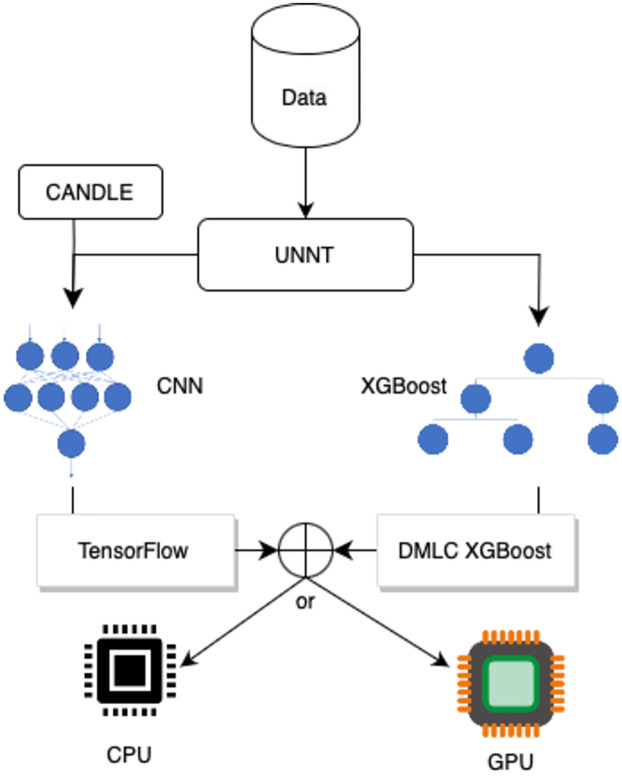 Figure 1
 Figure 2
 Figure 3
 Figure 4
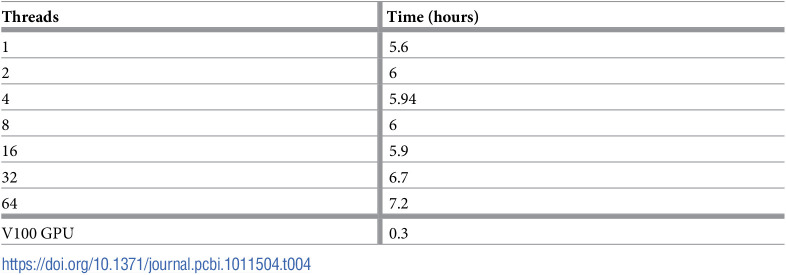 Figure 5
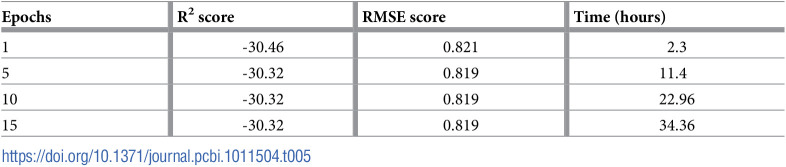 Figure 6
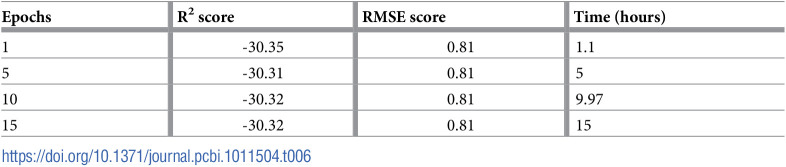 Figure 7
 Figure 8
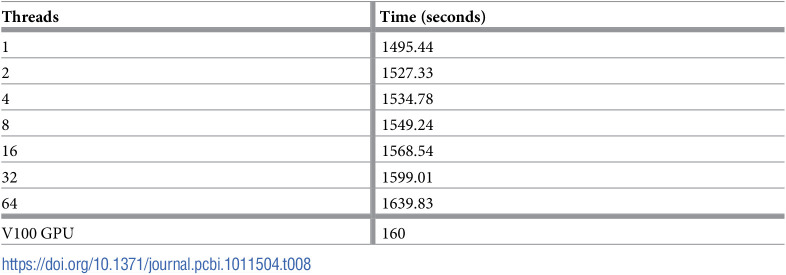 Figure 9
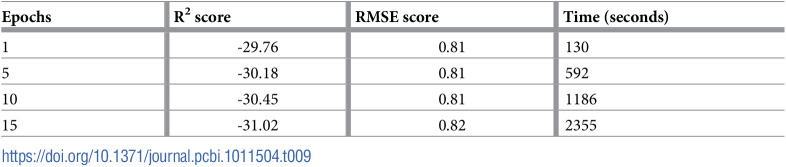 Figure 10
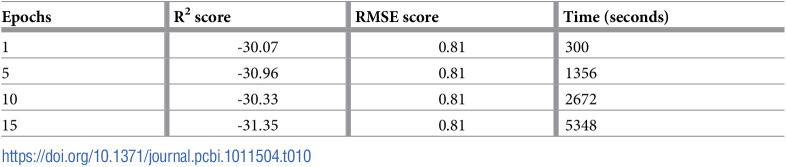 Figure 11
 Figure 12
Peer Reviews
No public reviews on file for this paper yet. If you reviewed it on a platform where reviews are public (OpenReview, ICLR, NeurIPS, ICML), you can paste yours below so the community can read it here.
Videos
No videos yet. Explain this paper in a talk, walkthrough, or lecture? Add one.
Taxonomy
TopicsComputational Drug Discovery Methods · Machine Learning in Materials Science · Machine Learning and Data Classification