Feral frogs, native newts, and chemical cues: identifying threats from and management opportunities for invasive African Clawed Frogs in Washington state
David Anderson, Olivia Cervantez, Gary M. Bucciarelli, Max R. Lambert, Megan R. Friesen

TL;DR
The study explores how invasive African clawed frogs may threaten native amphibians in Washington state by analyzing chemical cue interactions.
Contribution
The study provides some of the first evidence that native Pacific Northwest amphibians may be vulnerable to invasive African clawed frogs.
Findings
Red-legged frog tadpoles responded to newt chemical cues but not to African clawed frog cues.
African clawed frogs were attracted to newt chemical stimuli rather than repelled.
Native species may be vulnerable to African clawed frogs due to lack of deterrent from toxic newts.
Abstract
Invasive species threaten biodiversity globally. Amphibians are one of the most threatened vertebrate taxa and are particularly sensitive to invasive species, including other amphibians. African clawed frogs (Xenopus laevis) are native to Southern Africa but have subsequently become invasive on multiple continents—including multiple parts of North America—due to releases from the pet and biomedical trades. Despite their prevalence as a global invader, the impact of X. laevis remains understudied. This includes the Pacific Northwest of the USA, which now hosts multiple expanding X. laevis populations. For many amphibians, chemical cues communicate important information, including the presence of predators. Here, we tested the role chemical cues may play in mediating interactions between feral X. laevis and native amphibians in the Pacific Northwest. We tested whether native red-legged…
Genes, proteins, chemicals, diseases, species, mutations and cell lines named across the full text — each resolved to its canonical identifier and authoritative record.
Click any figure to enlarge with its caption.
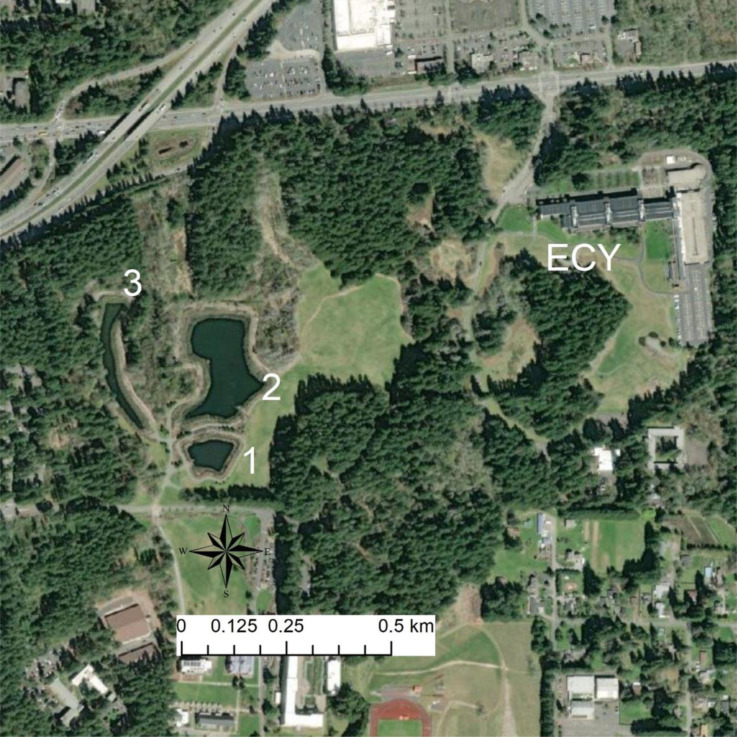 Figure 1
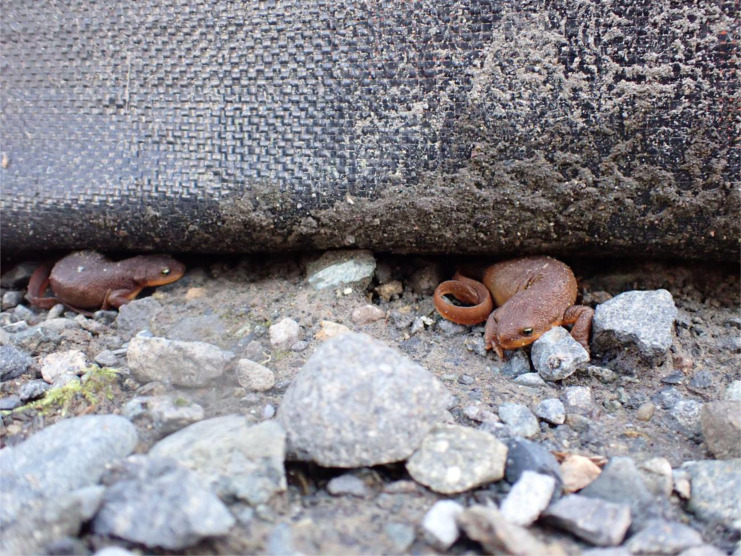 Figure 2
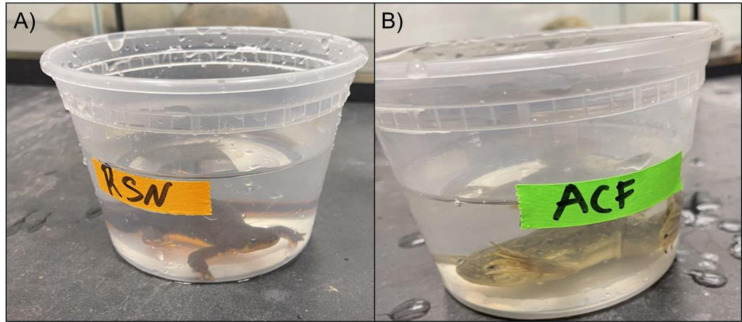 Figure 3
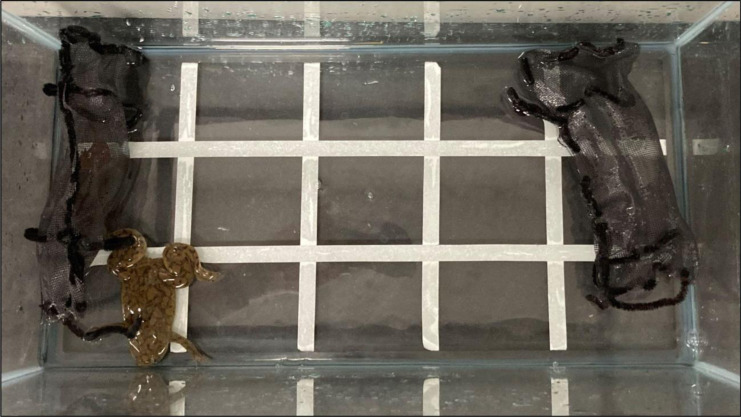 Figure 4
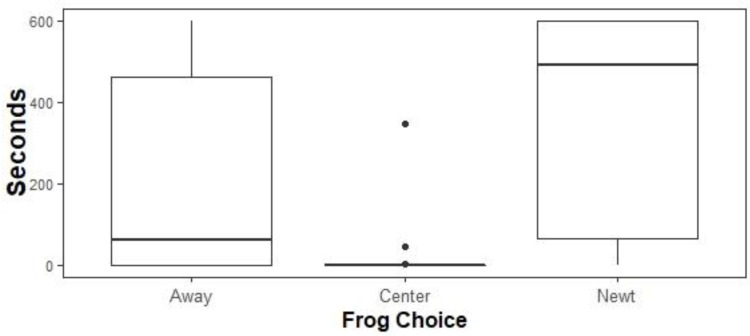 Figure 5
Peer Reviews
No public reviews on file for this paper yet. If you reviewed it on a platform where reviews are public (OpenReview, ICLR, NeurIPS, ICML), you can paste yours below so the community can read it here.
Videos
No videos yet. Explain this paper in a talk, walkthrough, or lecture? Add one.
Taxonomy
TopicsAmphibian and Reptile Biology · Species Distribution and Climate Change · Animal and Plant Science Education