Effect of fence tray matching care on excess adhesive and bracket placement accuracy for orthodontic bonding: an in vitro study
Meichun Hu, Yannan Cao, Xiangbing Wu, Qian Jiang, Fangyong Zhu

TL;DR
This study found that fence tray matching care improves bracket bonding accuracy and reduces adhesive residue compared to a traditional method in orthodontics.
Contribution
The study introduces fence tray matching care as a novel method for improving bracket placement accuracy in orthodontic bonding.
Findings
Fence tray matching care resulted in less adhesive residue compared to the half-wrapped tray method.
The fence tray method showed smaller linear and angular deviations in bracket placement.
Premolars had more adhesive residue and were more prone to placement errors.
Abstract
This study aimed to evaluate the effect of fence tray matching care (FTMC) in bracket bonding by measuring excess adhesive, as well as linear and angular deviations, and by comparing it with the half-wrapped tray (HWT). An intraoral scanner was used to acquire data on the maxillary dental arch of a patient with periodontitis.Furthermore, 20 maxillary dental arch models were 3D printed. Using 3Shape, PlastyCAD software, and 3D printing technology, 10 FTMC (method I) and HWT (method II) were obtained. By preoperative preparation, intraoperative coordination, and postoperative measurement, the brackets were transferred from the trays to the 3D-printed maxillary dental arch models. Additionally, the bracket’s excess adhesive as well as linear and angular deviations were measured, and the differences between the two methods were analyzed. Excess adhesive was observed in both methods, with…
Genes, proteins, chemicals, diseases, species, mutations and cell lines named across the full text — each resolved to its canonical identifier and authoritative record.
Click any figure to enlarge with its caption.
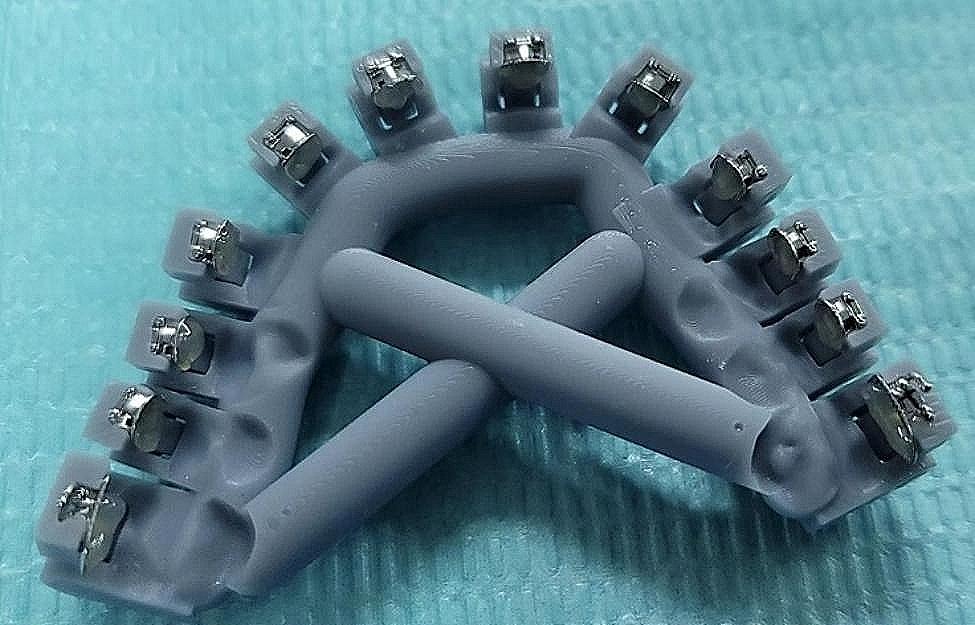 Figure 1
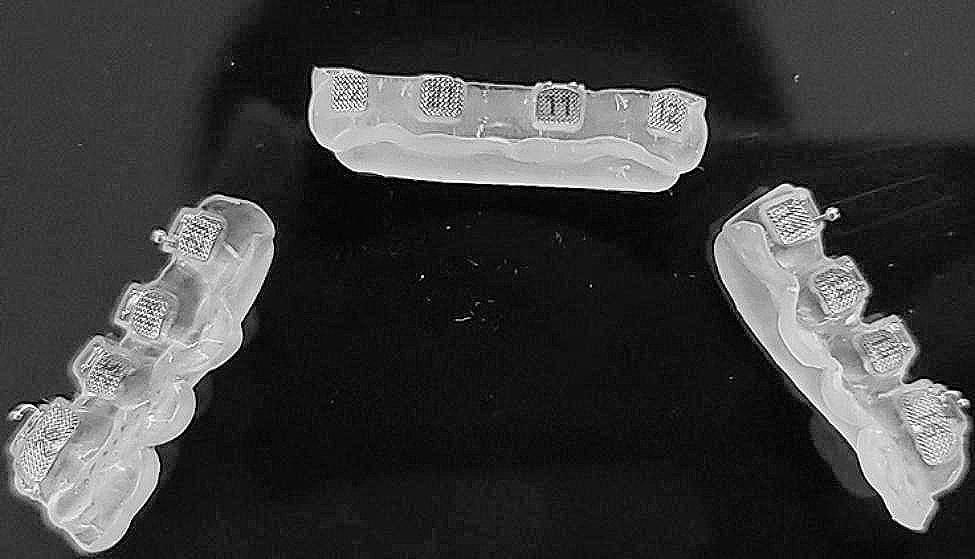 Figure 2
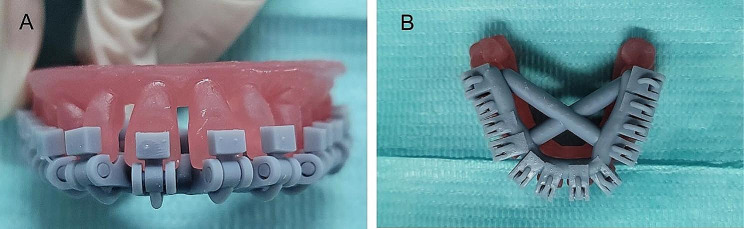 Figure 3
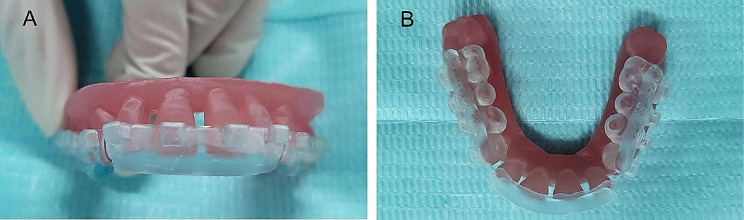 Figure 4
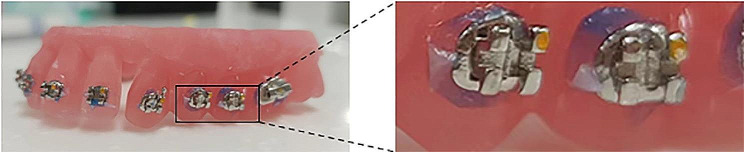 Figure 5
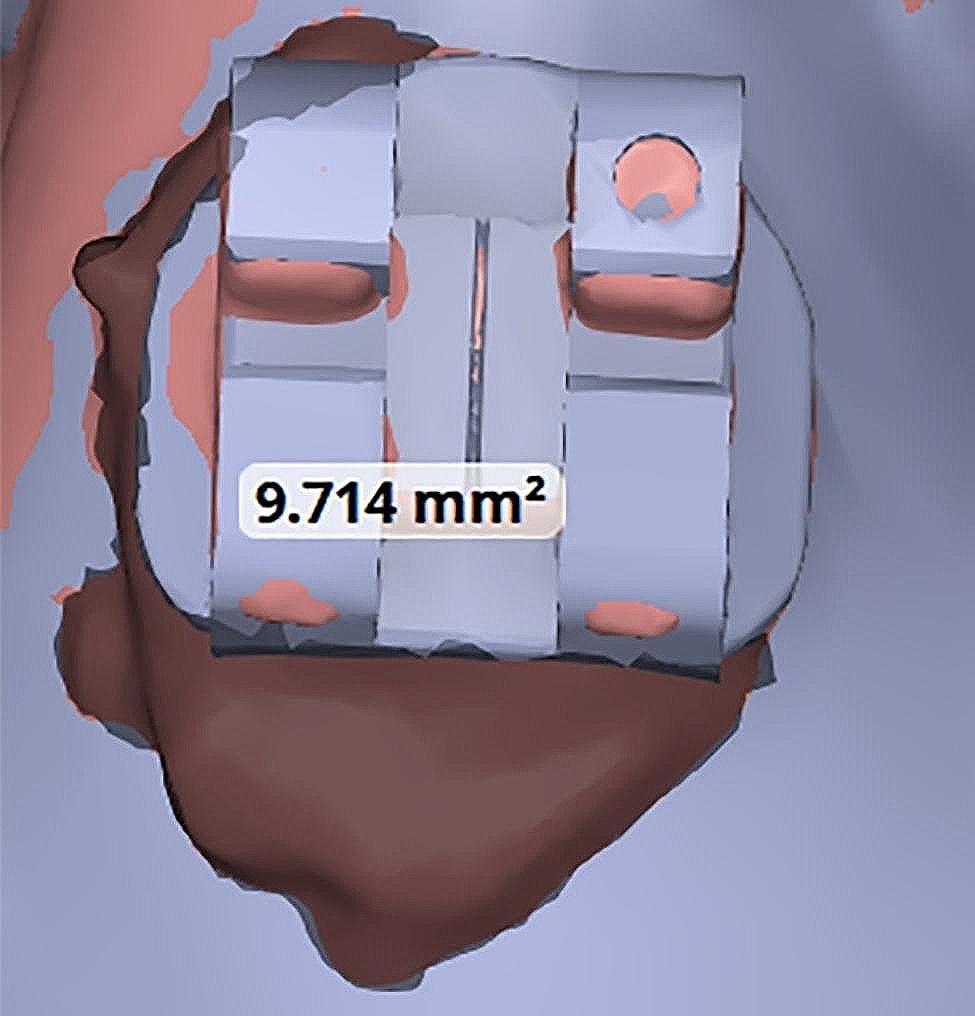 Figure 6
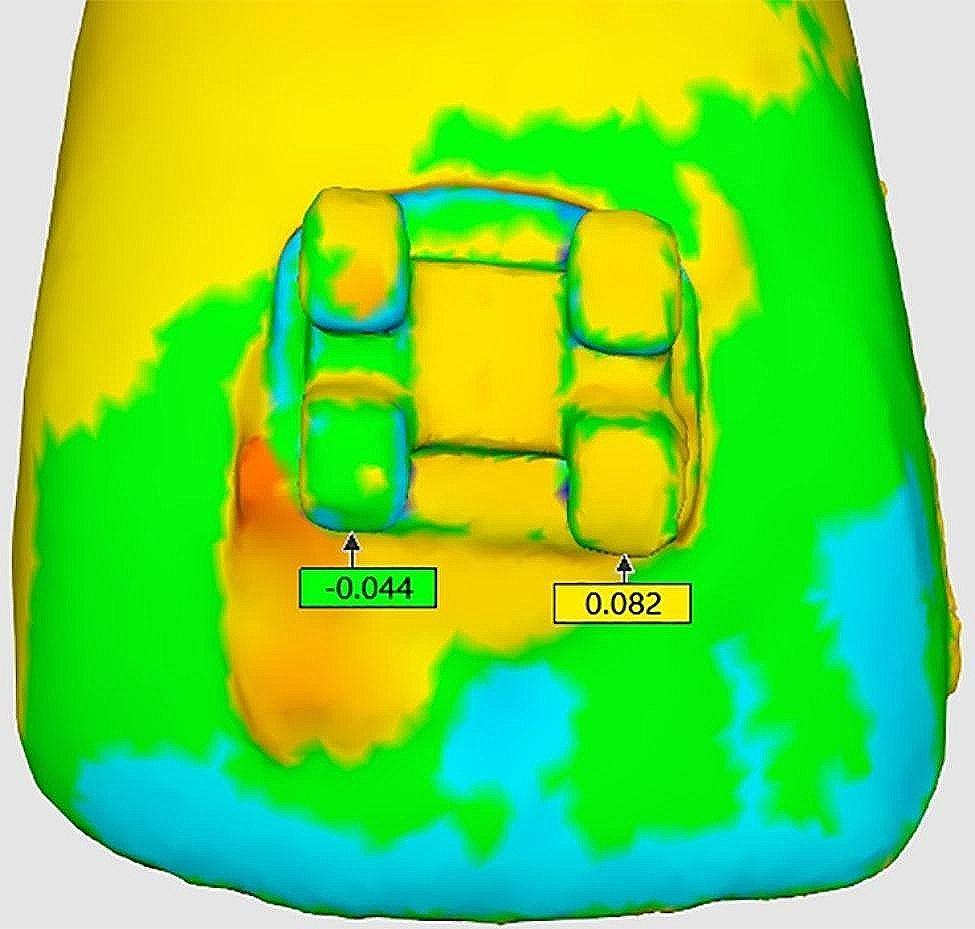 Figure 8
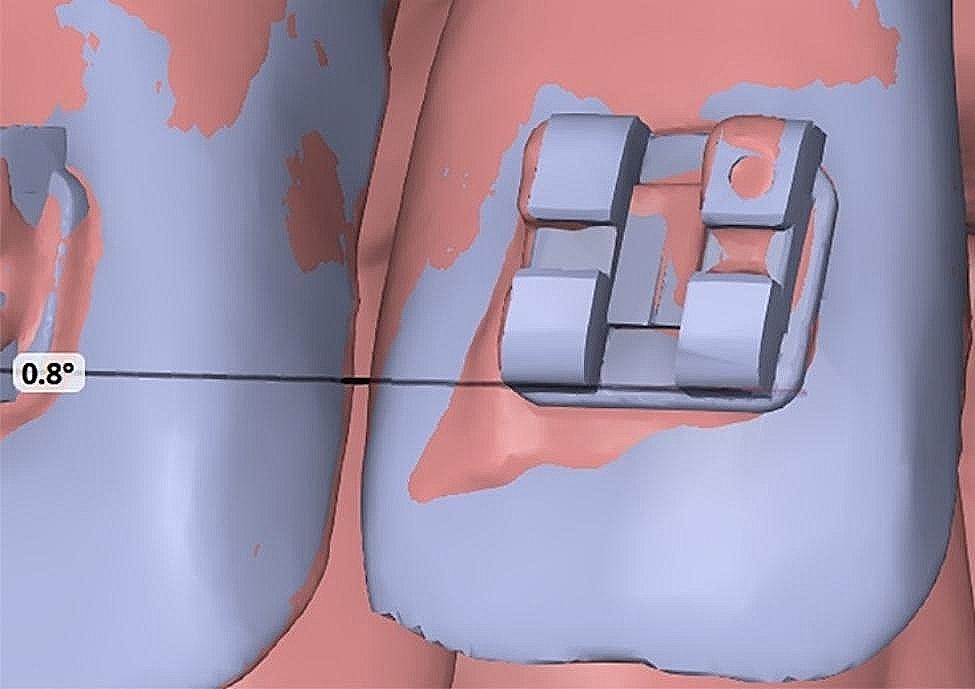 Figure 9
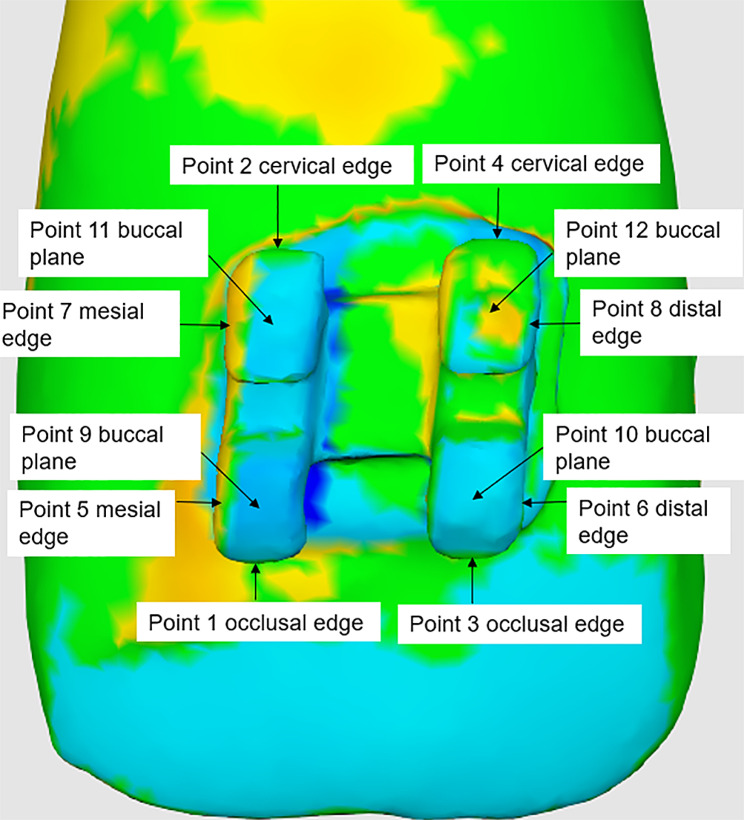 Figure 9
Peer Reviews
No public reviews on file for this paper yet. If you reviewed it on a platform where reviews are public (OpenReview, ICLR, NeurIPS, ICML), you can paste yours below so the community can read it here.
Videos
No videos yet. Explain this paper in a talk, walkthrough, or lecture? Add one.
Taxonomy
TopicsOrthodontics and Dentofacial Orthopedics · Dental materials and restorations · Temporomandibular Joint Disorders