Endovascular Management of Acute Lower Limb Ischemia Linked to Cocaine Abuse: A Case Report
Julián Andrés Muñoz Durán, Santiago Echeverri Isaza, Brayan Muñoz-Caicedo, José Miguel Hidalgo Oviedo

TL;DR
A man's acute leg blood flow issue linked to cocaine use was successfully treated with endovascular therapy.
Contribution
This case report adds to the understanding of cocaine-induced acute limb ischemia and its endovascular treatment.
Findings
Acute lower limb ischemia can occur due to cocaine abuse.
Endovascular therapy with heparin and nitroglycerin effectively managed the condition.
More case reports are needed to improve treatment strategies for this rare complication.
Abstract
Cocaine abuse is a public health concern with well-documented cardiovascular complications. However, acute limb ischemia remains a rare and underreported consequence. We present a case of a 36-year-old man with acute right lower limb ischemia following heavy cocaine use, successfully managed with systemic heparin and intra-arterial nitroglycerin. The case highlights considering cocaine as a potential cause of acute limb ischemia and the efficacy of endovascular therapy. Further case reports with this diagnosis and their management are crucial for establishing the best strategies and improving outcomes in these scenarios.
Genes, proteins, chemicals, diseases, species, mutations and cell lines named across the full text — each resolved to its canonical identifier and authoritative record.
Click any figure to enlarge with its caption.
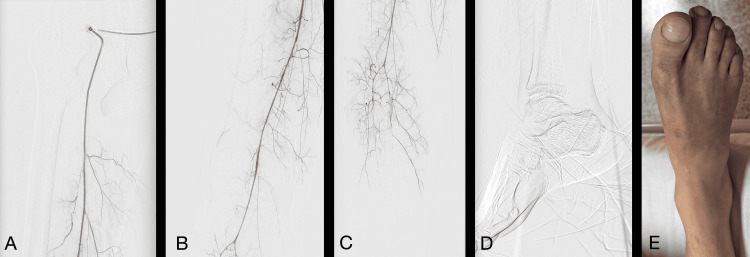 Figure 1
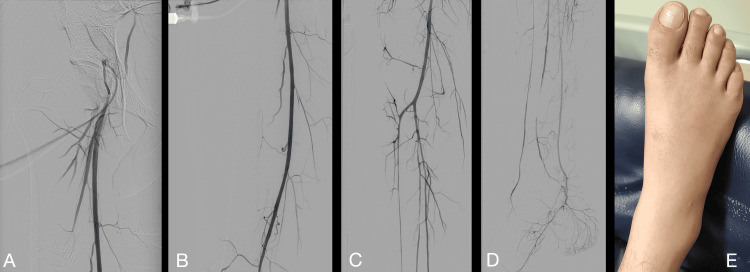 Figure 2
Peer Reviews
No public reviews on file for this paper yet. If you reviewed it on a platform where reviews are public (OpenReview, ICLR, NeurIPS, ICML), you can paste yours below so the community can read it here.
Videos
No videos yet. Explain this paper in a talk, walkthrough, or lecture? Add one.
Taxonomy
TopicsForensic Toxicology and Drug Analysis · Acute Ischemic Stroke Management · Opioid Use Disorder Treatment