High mirror symmetry in mouse exploratory behavior
Ehud Fonio, Ofer Feinerman

TL;DR
This study reveals that mouse exploratory behavior shows high mirror symmetry, suggesting underlying constraints that shape their movement patterns.
Contribution
The paper introduces a novel phenomenon of high mirror symmetry in mouse locomotion and links it to a neural mechanism.
Findings
Mouse exploratory behavior exhibits high mirror symmetry in locomotion.
Adding constraints to locomotion retains the characteristic 'mousiness' in behavior.
The findings are linked to a known neural mechanism that may explain the symmetry.
Abstract
The physicality of the world in which the animal acts—its anatomical structure, physiology, perception, emotional states, and cognitive capabilities—determines the boundaries of the behavioral space within which the animal can operate. Behavior, therefore, can be considered as the subspace that remains after secluding all actions that are not available to the animal due to constraints. The very signature of being a certain creature is reflected in these limitations that shape its behavior. A major goal of ethology is to expose those constraints that carve the intricate structure of animal behavior and reveal both uniqueness and commonalities between animals within and across taxa. Exploratory behavior in an empty arena seems to be stochastic; nevertheless, it does not mean that the moving animal is a random walker. In this study, we present how, by adding constraints to the animal’s…
Genes, proteins, chemicals, diseases, species, mutations and cell lines named across the full text — each resolved to its canonical identifier and authoritative record.
Click any figure to enlarge with its caption.
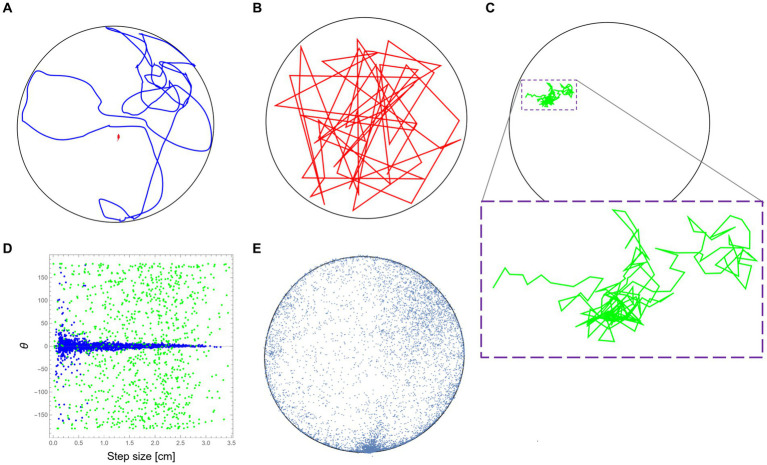 Figure 1
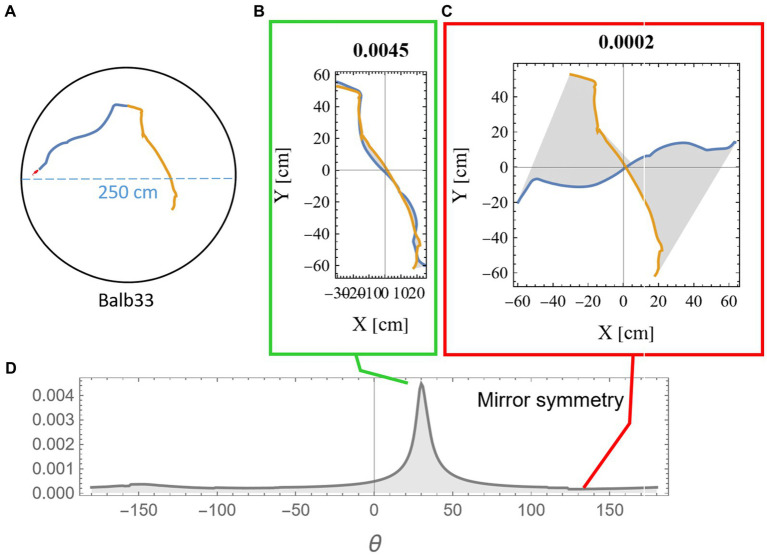 Figure 2
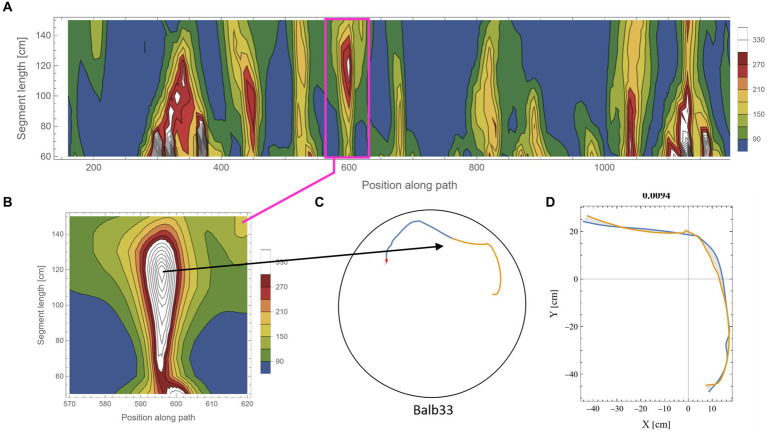 Figure 3
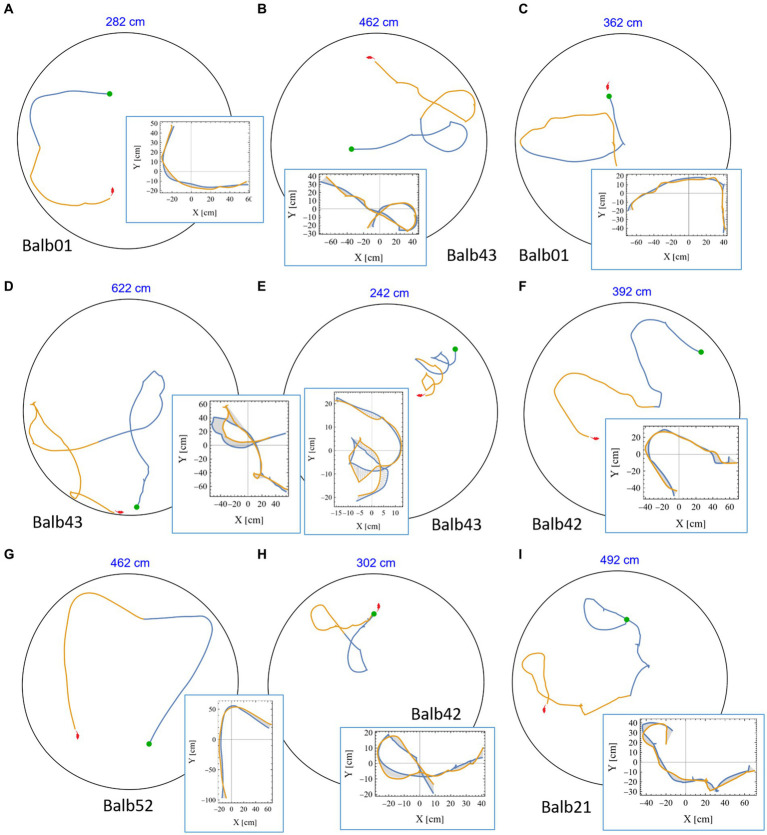 Figure 4
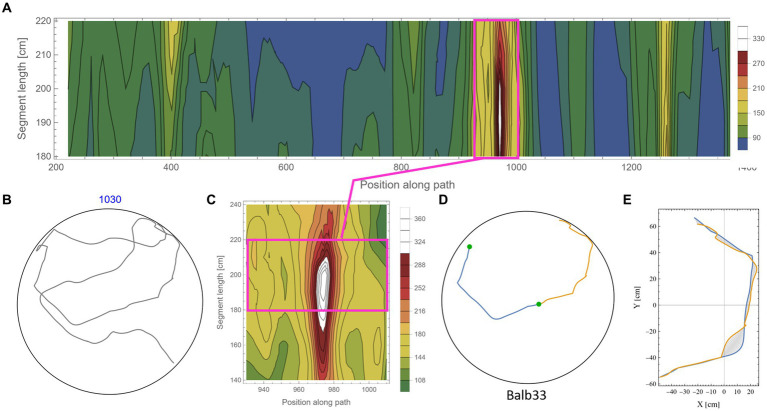 Figure 5
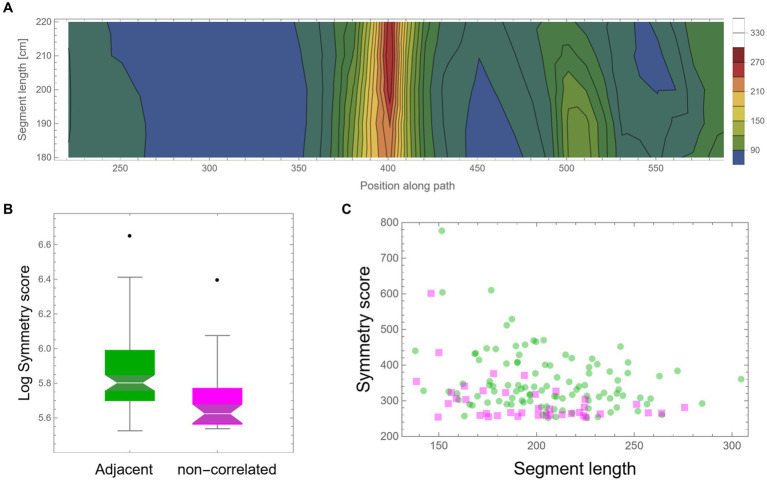 Figure 6
Peer Reviews
No public reviews on file for this paper yet. If you reviewed it on a platform where reviews are public (OpenReview, ICLR, NeurIPS, ICML), you can paste yours below so the community can read it here.
Videos
No videos yet. Explain this paper in a talk, walkthrough, or lecture? Add one.
Taxonomy
TopicsNeural dynamics and brain function · Memory and Neural Mechanisms · Zebrafish Biomedical Research Applications