Efficacy of supervised self-reduction vs. physician-assisted techniques for anterior shoulder dislocations: a systematic review and meta-analysis
Amir Human Hoveidaei, Mahdi Dankoub, Mohammad Mehdi Mousavi Nasab, Amin Nakhostin-Ansari, Alireza Pouramini, Shayan Eghdami, Fatemeh Mashaknejadian Behbahani, Moein Zangiabadian, Bijan Forogh

TL;DR
This study compares self-reduction techniques with physician-assisted methods for treating shoulder dislocations and finds self-reduction more effective and less painful.
Contribution
The study provides a systematic review and meta-analysis showing supervised self-reduction is more effective and less painful for anterior shoulder dislocations.
Findings
Supervised self-reduction had a significantly higher success rate (odds ratio 2.71) compared to physician-assisted techniques.
Physician-assisted methods caused significantly higher maximum pain (mean difference 1.98 on VAS).
Self-reduction techniques were faster and had no reported complications.
Abstract
Reduction manipulation using self-reduction procedures such as Stimson, Milch, and Boss-Holtzach should be easy and effective and also require less force, pain medication, and outside assistance. This technique should not cause damage to arteries, nerves, or shoulder joint components. Self-reduction is straightforward and can be done in clinics, making it ideal for people who suffer from shoulder joint dislocation frequently. The goal of this study is to compare the effectiveness of supervised self-reduction procedures vs. physician-assisted treatments in the treatment of anterior shoulder dislocations. We conducted a comprehensive search on PubMed, Scopus, Web of Science, and Cochrane up to March 22, 2023, using the Preferred Reporting Items for Systematic Reviews and Meta-Analyses (PRISMA) checklist. Relevant articles were reviewed, with a focus on studies comparing supervised…
Genes, proteins, chemicals, diseases, species, mutations and cell lines named across the full text — each resolved to its canonical identifier and authoritative record.
Click any figure to enlarge with its caption.
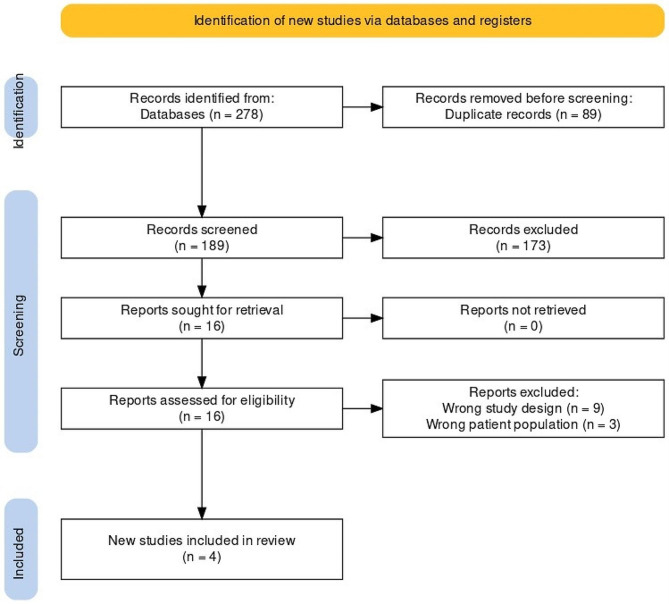 Figure 1
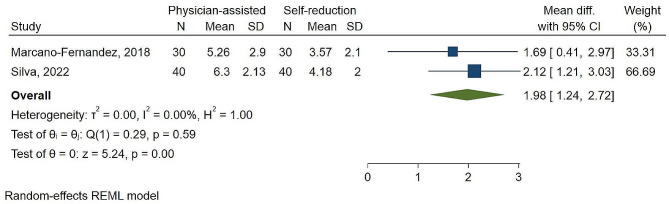 Figure 2
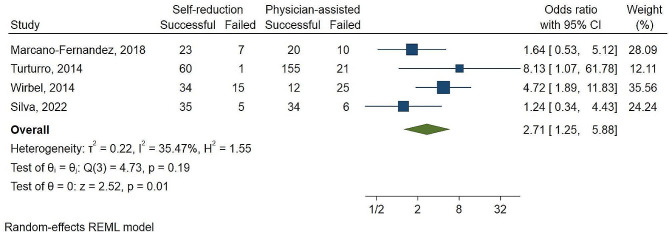 Figure 3
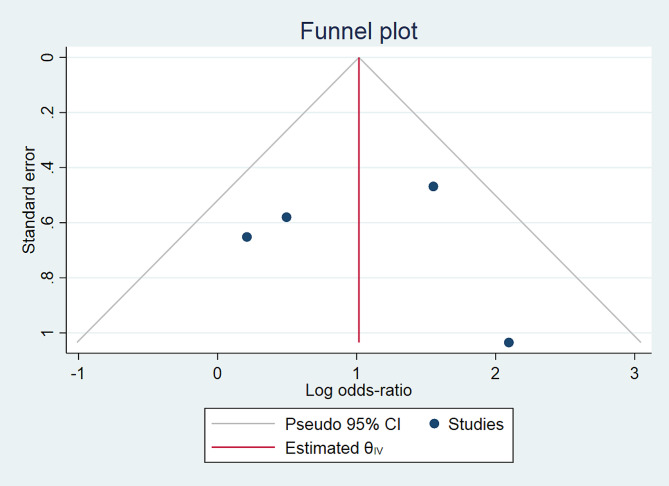 Figure 4
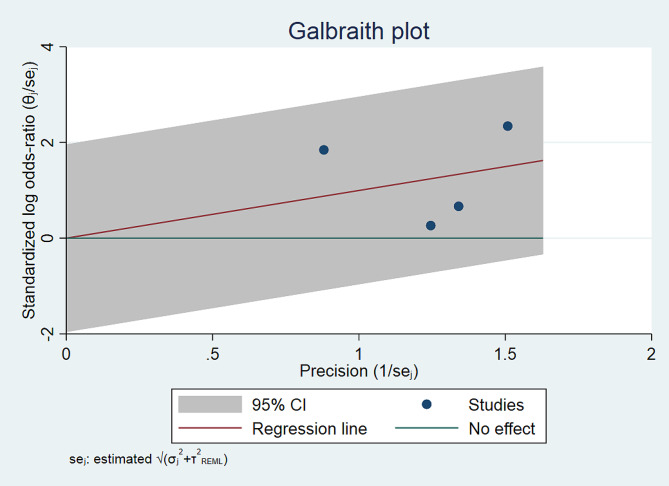 Figure 5
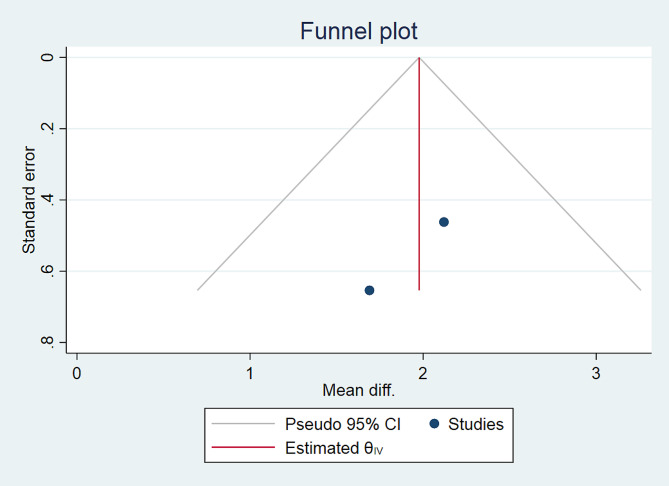 Figure 6
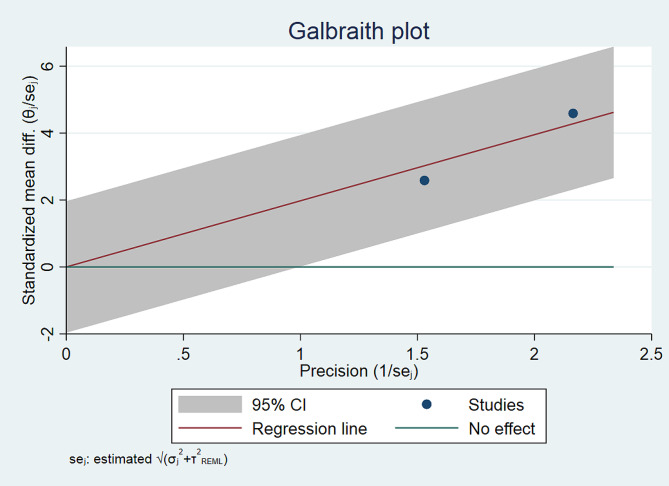 Figure 7
Peer Reviews
No public reviews on file for this paper yet. If you reviewed it on a platform where reviews are public (OpenReview, ICLR, NeurIPS, ICML), you can paste yours below so the community can read it here.
Videos
No videos yet. Explain this paper in a talk, walkthrough, or lecture? Add one.
Taxonomy
TopicsShoulder Injury and Treatment · Shoulder and Clavicle Injuries · Sports injuries and prevention