Interval training suppresses nod-like receptor protein 3 inflammasome activation to improve cardiac function in myocardial infarction rats by hindering the activation of the transforming growth factor-β1 pathway
Wei Wei, Ping Xie, Xuemei Wang

TL;DR
Interval training improves heart function in rats with heart attacks by reducing inflammation and oxidative stress through a specific biological pathway.
Contribution
This study reveals that interval training suppresses NLRP3 inflammasome activation via the TGF-β1 pathway to improve cardiac function in MI rats.
Findings
Interval training improved cardiac function and reduced oxidative stress in MI rats.
Inhibiting the TGF-β1 pathway suppressed NLRP3 inflammasome activation and improved heart function.
Activating NLRP3 partially reversed the benefits of interval training on cardiac function.
Abstract
Myocardial infarction (MI) -induced cardiac dysfunction can be attenuated by aerobic exercises. This study explored the mechanism of interval training (IT) regulating cardiac function in MI rats, providing some theoretical basis for clarifying MI pathogenesis and new ideas for clinically treating MI. Rats were subjected to MI modeling, IT intervention, and treatments of the Transforming growth factor-β1 (TGF-β1) pathway or the nod-like receptor protein 3 (NLRP3) activators. Cardiac function and hemodynamic indicator alterations were observed. Myocardial pathological damage and fibrosis, reactive oxygen species (ROS) level, superoxide dismutase (SOD), catalase (CAT) and glutathione peroxidase (GSH-Px) activities, MDA content, inflammasome-associated protein levels, and inflammatory factor levels were assessed. The binding between TGF-β1 and receptor was detected. MI rats exhibited…
Genes, proteins, chemicals, diseases, species, mutations and cell lines named across the full text — each resolved to its canonical identifier and authoritative record.
Click any figure to enlarge with its caption.
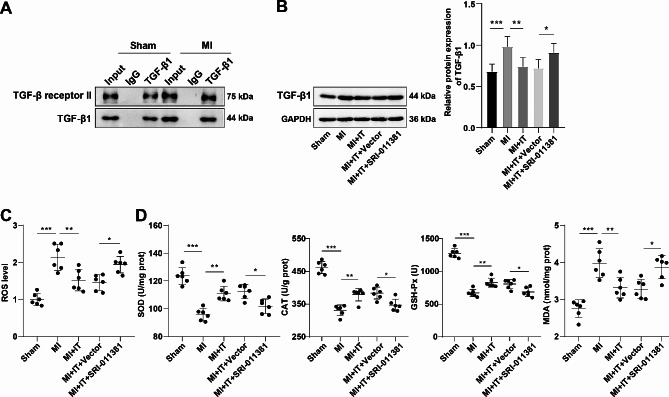 Figure 1
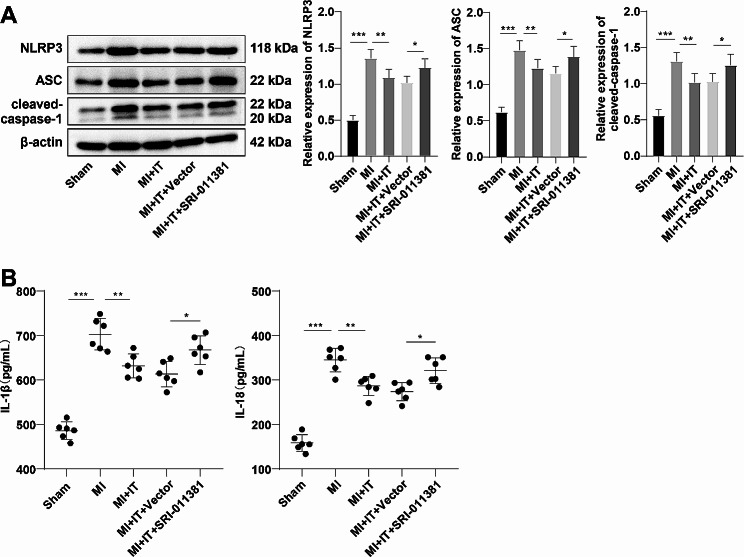 Figure 2
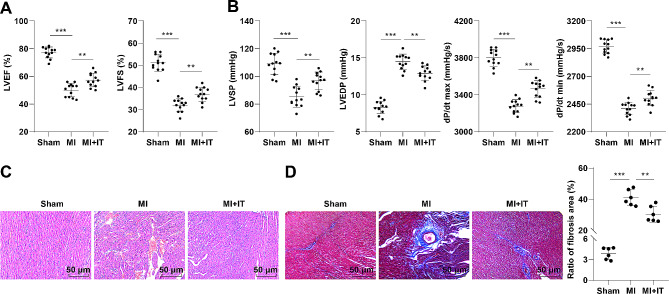 Figure 3
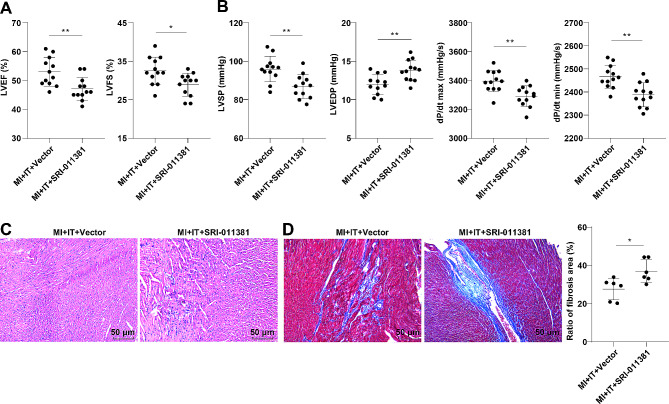 Figure 4
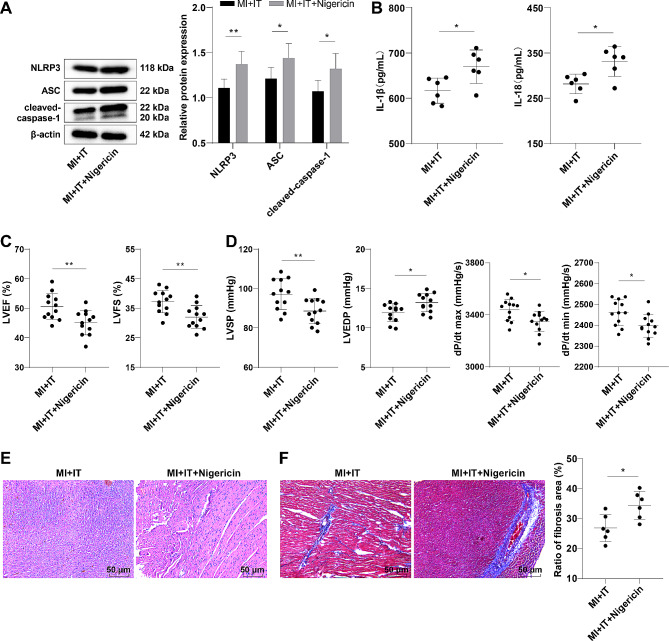 Figure 5
 Figure 6
 Figure 7
Peer Reviews
No public reviews on file for this paper yet. If you reviewed it on a platform where reviews are public (OpenReview, ICLR, NeurIPS, ICML), you can paste yours below so the community can read it here.
Videos
No videos yet. Explain this paper in a talk, walkthrough, or lecture? Add one.
Taxonomy
TopicsCardiac Fibrosis and Remodeling · Cardiovascular Function and Risk Factors · Cardiovascular Effects of Exercise