Clinical diagnosis, prevention, and treatment of neurodyspepsia syndrome using intelligent medicine
Jingyu Zhu, Wei Meng, Liang Liu, Peixin Hu, Yuling Liang, Wenwen Zhu, Xiaoyan Zhu

TL;DR
This paper explores how intelligent medical technology improves the diagnosis and treatment of neurodyspepsia syndrome, reducing patient discomfort.
Contribution
The study introduces the application of intelligent medical technology for diagnosing and managing neurodyspepsia syndrome, showing improved outcomes.
Findings
Intelligent medical technology achieved rapid diagnosis of neurodyspepsia syndrome with high efficiency.
The experimental group using intelligent technology had a 6.3% lower physical function score compared to conventional methods.
Intelligent medicine meets clinical requirements for diagnosing and preventing neurodyspepsia syndrome.
Abstract
Against the backdrop of rapid social economy and scientific and technological development, intelligent medical technology expanded based on the Internet plays a crucial role in the innovation and development of the modern medical industry. Intelligent medical technology has completely changed the fixed medical methods of the past, and it can solve the isolated defects between various unit systems, greatly improving the overall informatization level of hospitals. This article analyzed the clinical diagnosis, prevention, and treatment of neurodyspepsia syndrome (NDS) in intelligent medicine. Dyspepsia can cause palpitations, vomiting, abdominal distension, dizziness, and other symptoms so that it can cause discomfort and pain in the middle or around the epigastric region. Therefore, it is necessary to make a correct diagnosis of neurodyspepsia in order to reduce the discomfort of…
Genes, proteins, chemicals, diseases, species, mutations and cell lines named across the full text — each resolved to its canonical identifier and authoritative record.
Click any figure to enlarge with its caption.
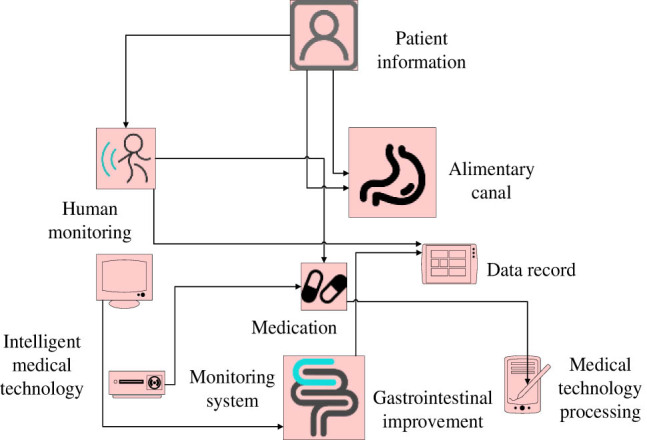 Figure 1
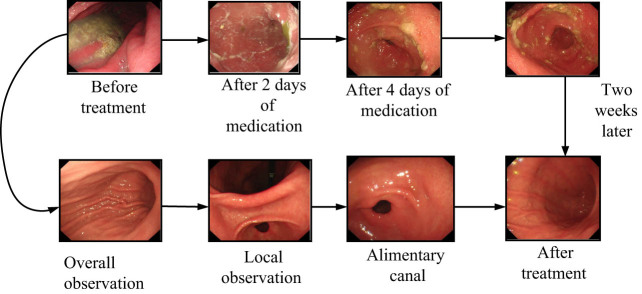 Figure 2
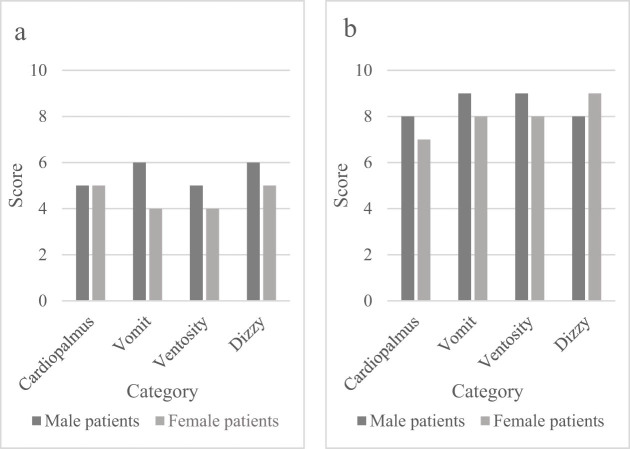 Figure 3
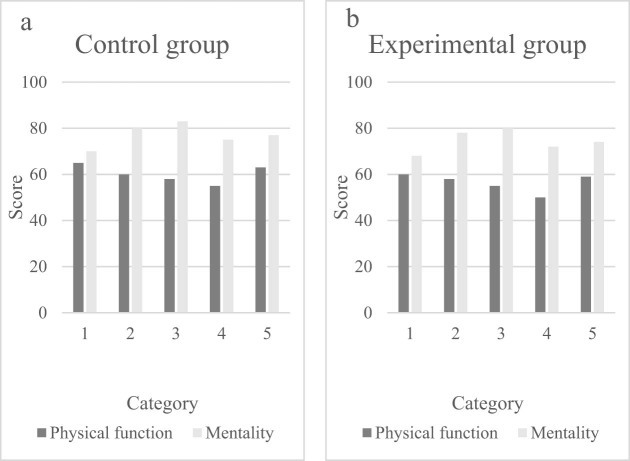 Figure 4
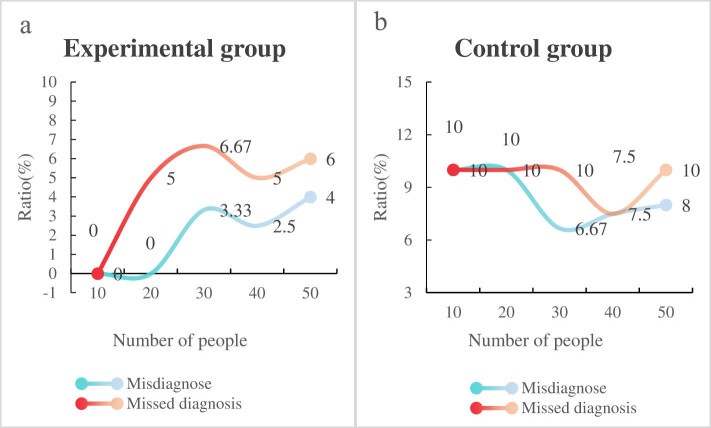 Figure 5
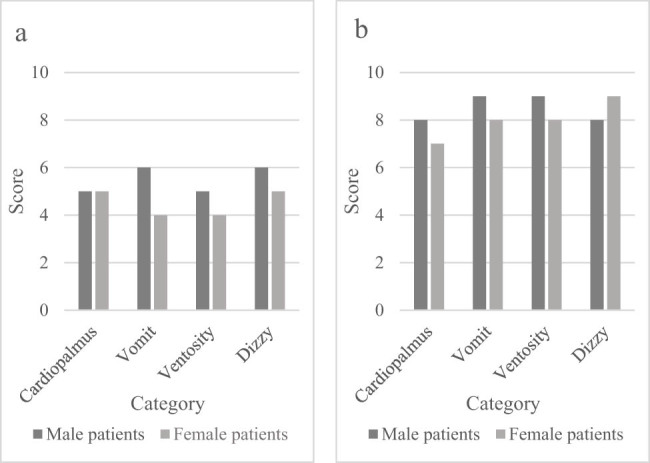 Figure 6
Peer Reviews
No public reviews on file for this paper yet. If you reviewed it on a platform where reviews are public (OpenReview, ICLR, NeurIPS, ICML), you can paste yours below so the community can read it here.
Videos
No videos yet. Explain this paper in a talk, walkthrough, or lecture? Add one.
Taxonomy
TopicsGastrointestinal motility and disorders · Acupuncture Treatment Research Studies · Traditional Chinese Medicine Studies