Clofazimine-induced skin pigmentation
Ashwin Karnan, Anjana Ledwani

Abstract
Genes, proteins, chemicals, diseases, species, mutations and cell lines named across the full text — each resolved to its canonical identifier and authoritative record.
Click any figure to enlarge with its caption.
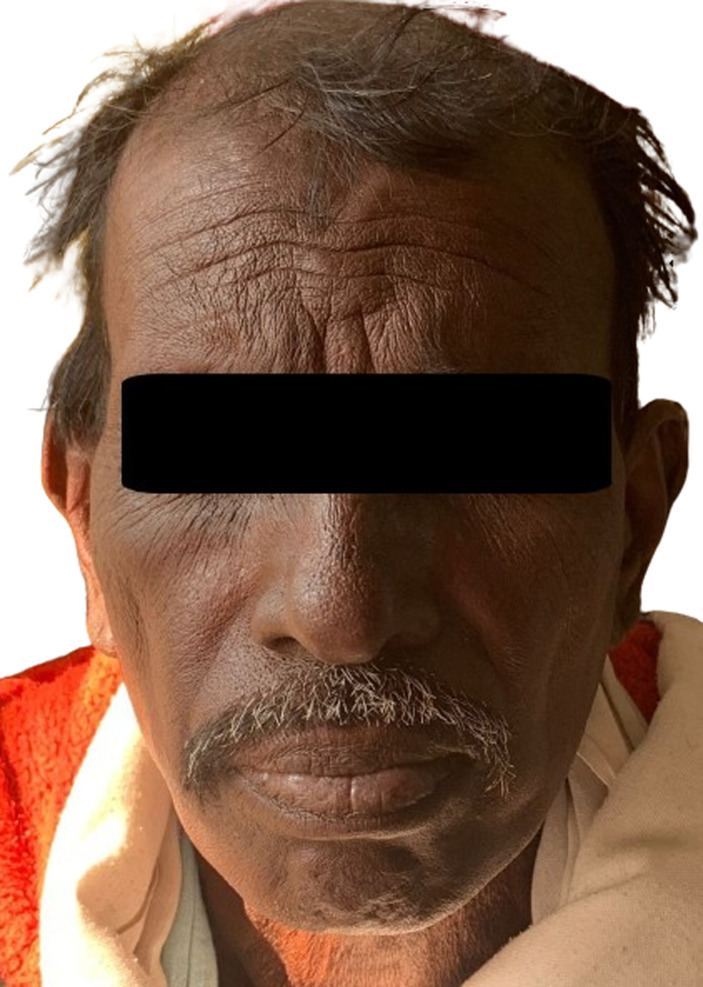 Figure 1
Peer Reviews
No public reviews on file for this paper yet. If you reviewed it on a platform where reviews are public (OpenReview, ICLR, NeurIPS, ICML), you can paste yours below so the community can read it here.
Videos
No videos yet. Explain this paper in a talk, walkthrough, or lecture? Add one.
Taxonomy
TopicsLeprosy Research and Treatment · Acne and Rosacea Treatments and Effects · Plant-based Medicinal Research
Image in medicine
A 54-year-old male presented to the outpatient department with complaints of black discoloration of skin and nails for the past 1 month. The patient gave a history of multi-drug resistant sputum positive tuberculosis for which he is on antitubercular drugs (Isoniazid, Ethambutol, Pyrazinamide, Clofazimine, Bedaquiline, Levofloxacin, and Ethionamide) for the past 9 months. A dermoscopy was done which showed yellow globules in a honeycombing pattern and hyperpigmentation with sparing of the sweat glands. A diagnosis of Clofazimine-induced hyperpigmentation was made. As a physician, with tuberculosis nearing elimination, monitoring and managing the adverse effects of drugs is important. Clofazimine is a riminophenazine dye that has both anti-microbial and anti-inflammatory action. It is absorbed orally and is known to accumulate in tissues. It has a very long half-life of about 70 days and is excreted in small amounts in bile, urine, and sweat. It is used in leprosy, multidrug-resistant tuberculosis, lepra reaction, and in other mycobacterial infections. Clofazimine-induced pigmentation is reversible but takes months to years to clear after stopping the drug.
generalized hyperpigmentation over the face