Azulene and Its Derivatives as Potential Compounds in the Therapy of Dermatological and Anticancer Diseases: New Perspectives against the Backdrop of Current Research
Emilia Slon, Bartosz Slon, Dorota Kowalczuk

TL;DR
This paper reviews azulene and its derivatives as promising compounds for treating skin and cancer diseases, highlighting their benefits and the need for further research.
Contribution
The paper provides a comprehensive review of azulene's therapeutic potential and identifies gaps for future preclinical and clinical studies.
Findings
Azulene derivatives show anti-inflammatory, anticancer, and photoprotective properties.
Unmodified azulene may generate reactive oxygen species under UV radiation, raising safety concerns.
Further studies are needed to understand long-term effects and mechanisms of action.
Abstract
The scientific article focuses on the role of azulene and its derivatives in the therapy of dermatological diseases, presenting the latest laboratory and clinical research as well as prospects for further studies. In a synthetic literature review, various databases such as PubMed, Scopus, Web of Science, and the Database of Polish Scientific Journals were queried to select relevant articles concerning azulene. The conclusions drawn from the thematic analysis of the studies emphasize the multifaceted pharmacological actions of azulene and its derivatives including their anti-inflammatory properties, potential anticancer effects, photoprotective abilities, alleviation of itching, management of atopic dermatitis, and treatment of erectile dysfunction. However, there are certain limitations associated with the application of unmodified azulene on the skin, particularly related to…
Genes, proteins, chemicals, diseases, species, mutations and cell lines named across the full text — each resolved to its canonical identifier and authoritative record.
Click any figure to enlarge with its caption.
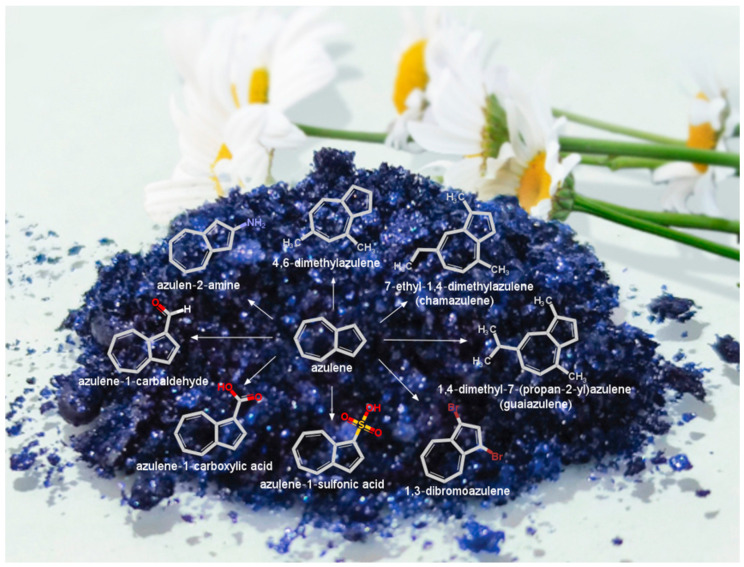 Figure 1
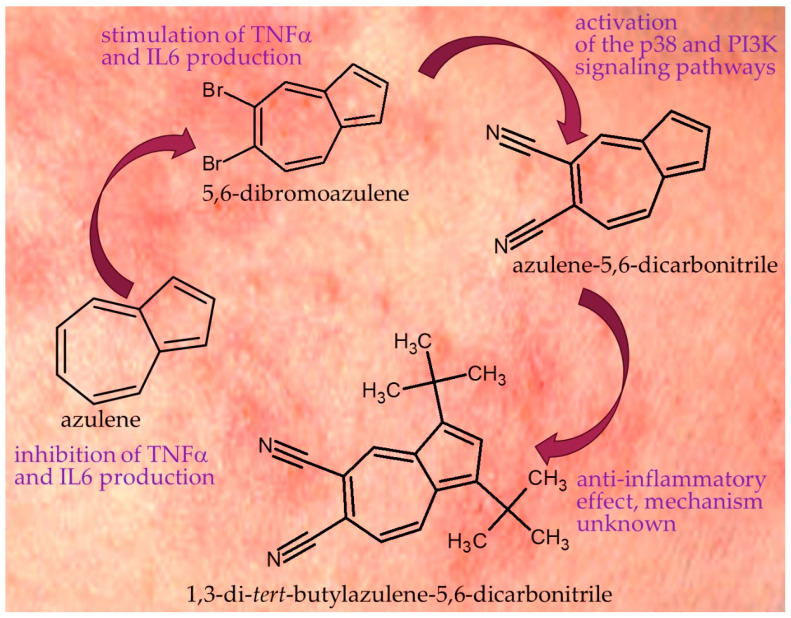 Figure 2
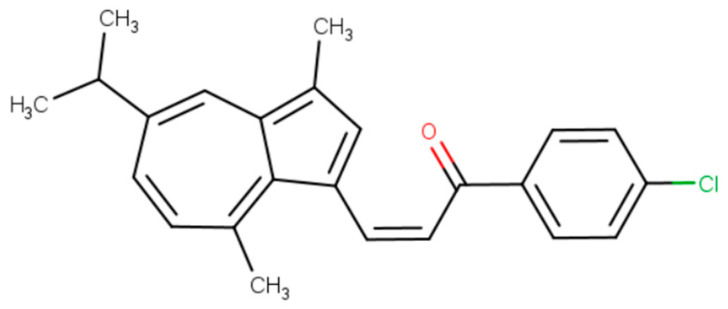 Figure 3
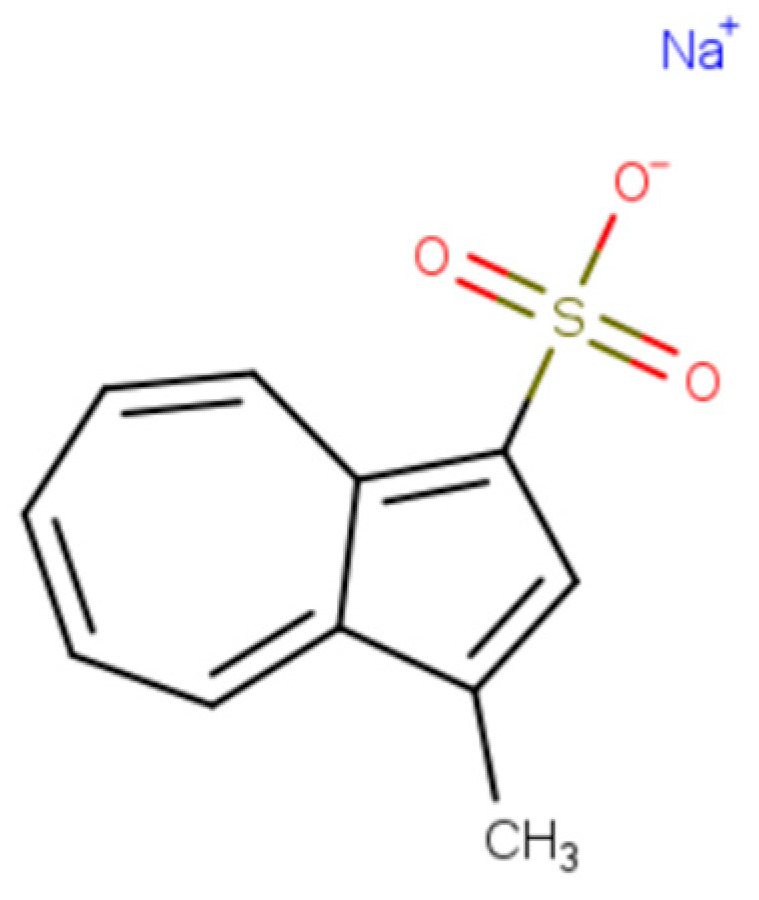 Figure 4
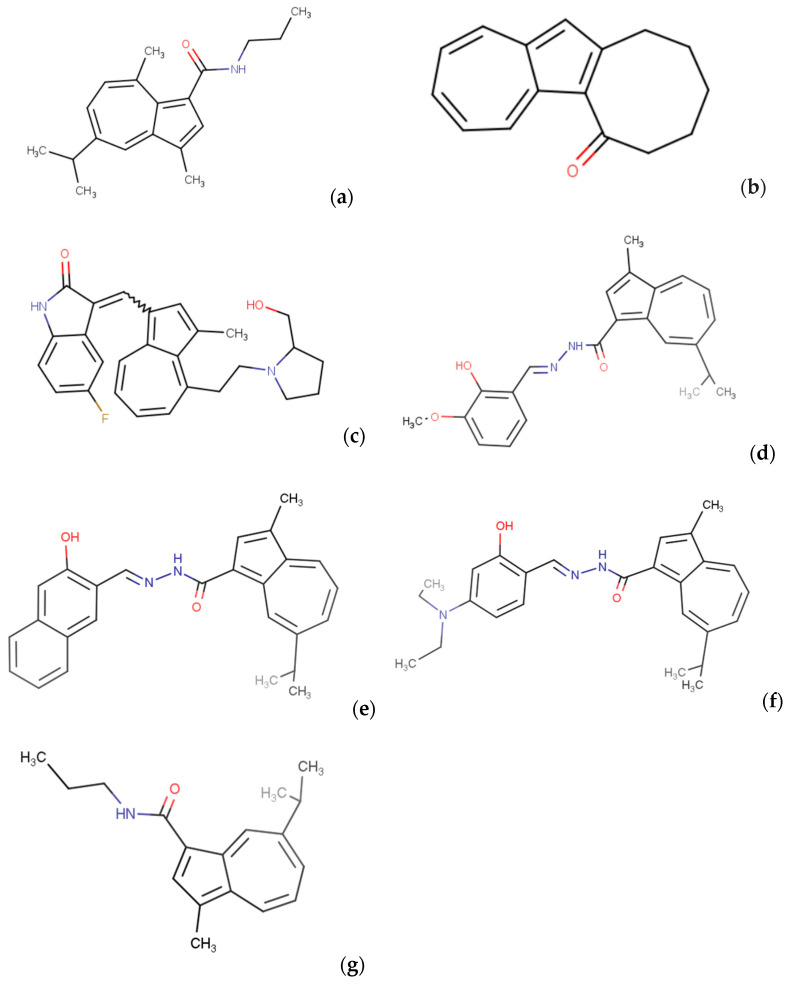 Figure 5
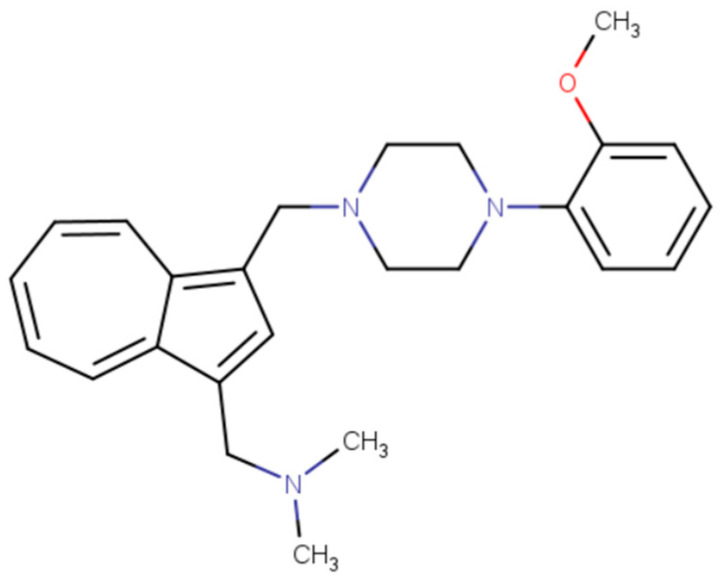 Figure 6
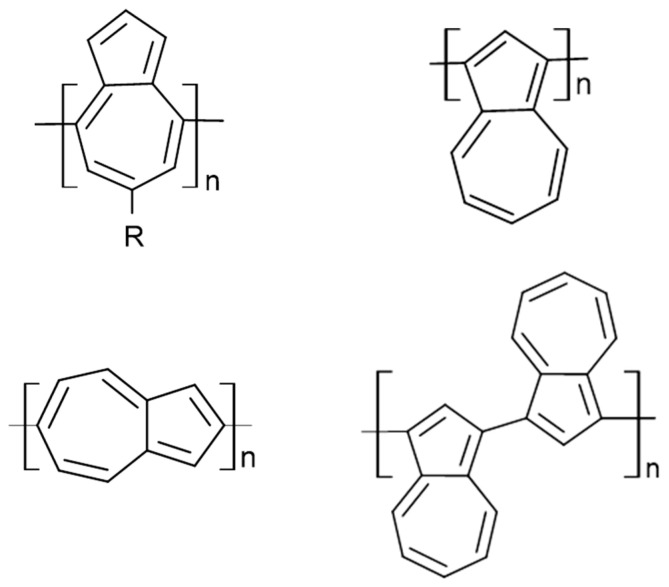 Figure 7
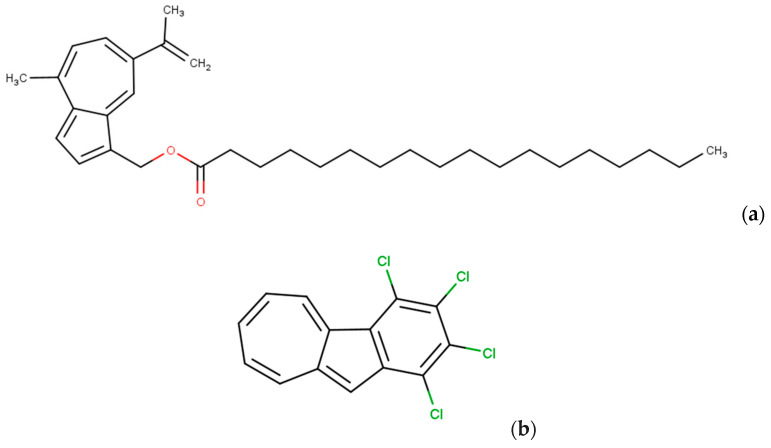 Figure 8
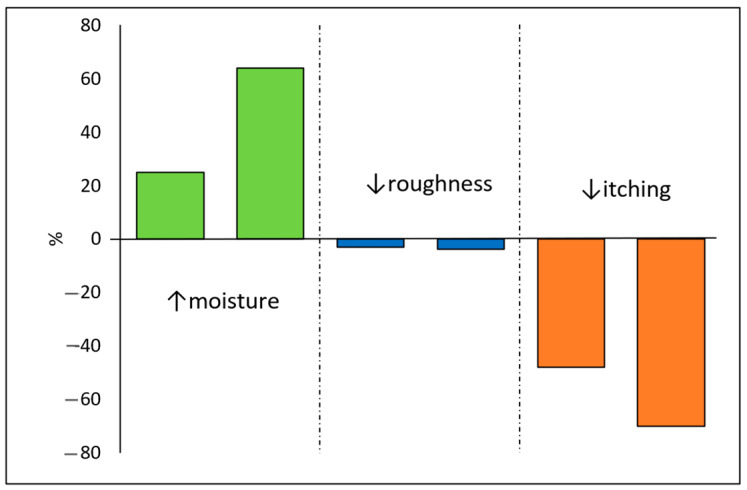 Figure 9
Peer Reviews
No public reviews on file for this paper yet. If you reviewed it on a platform where reviews are public (OpenReview, ICLR, NeurIPS, ICML), you can paste yours below so the community can read it here.
Videos
No videos yet. Explain this paper in a talk, walkthrough, or lecture? Add one.
Taxonomy
TopicsAcne and Rosacea Treatments and Effects · Bee Products Chemical Analysis · Plant chemical constituents analysis