Borane–Trimethylamine Complex: A Versatile Reagent in Organic Synthesis
Dario Perdicchia

TL;DR
This review highlights the diverse uses of the borane–trimethylamine complex in organic chemistry, including reductions and cleavage reactions.
Contribution
The paper provides a focused review on the unique and recent applications of BTM not covered in prior reviews.
Findings
BTM is effective in reducing carbonyl groups and carbon–nitrogen double bonds.
It enables selective N-monomethylation and reductive deprotection in organic synthesis.
Recent uses include CO2 utilization and photocatalytic radical chemistry.
Abstract
Borane–trimethylamine complex (Me3N·BH3; BTM) is the most stable of the amine–borane complexes that are commercially available, and it is cost-effective. It is a valuable reagent in organic chemistry with applications in the reduction of carbonyl groups and carbon–nitrogen double bond reduction, with considerable examples in the reduction of oximes, hydrazones and azines. The transfer hydrogenation of aromatic N-heterocycles and the selective N-monomethylation of primary anilines are further examples of recent applications, whereas the reduction of nitrobenzenes to anilines and the reductive deprotection of N-tritylamines are useful tools in the organic synthesis. Moreover, BTM is the main reagent in the regioselective cleavage of cyclic acetals, a reaction of great importance for carbohydrate chemistry. Recent innovative applications of BTM, such as CO2 utilization as feedstock and…
Genes, proteins, chemicals, diseases, species, mutations and cell lines named across the full text — each resolved to its canonical identifier and authoritative record.
Click any figure to enlarge with its caption.
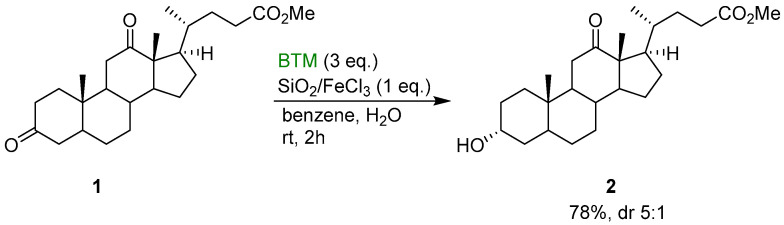 Figure 1
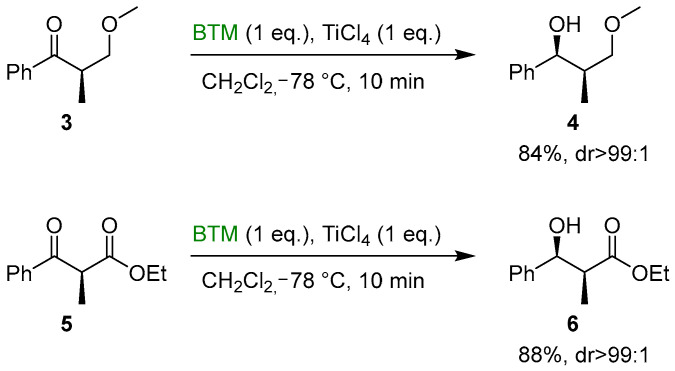 Figure 2
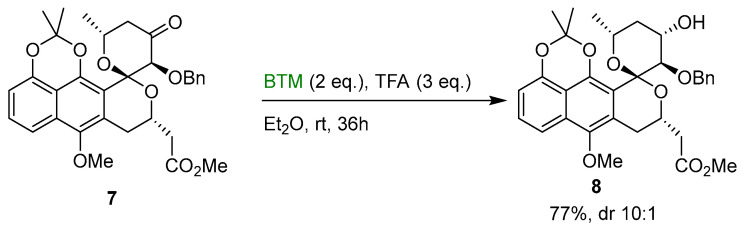 Figure 3
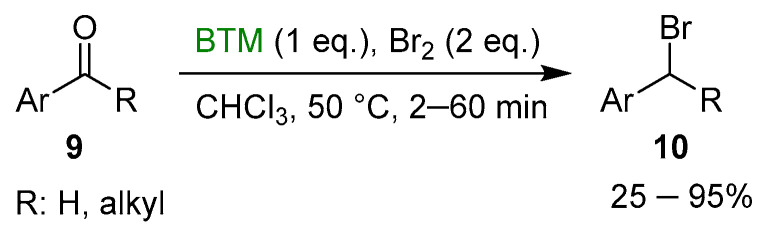 Figure 4
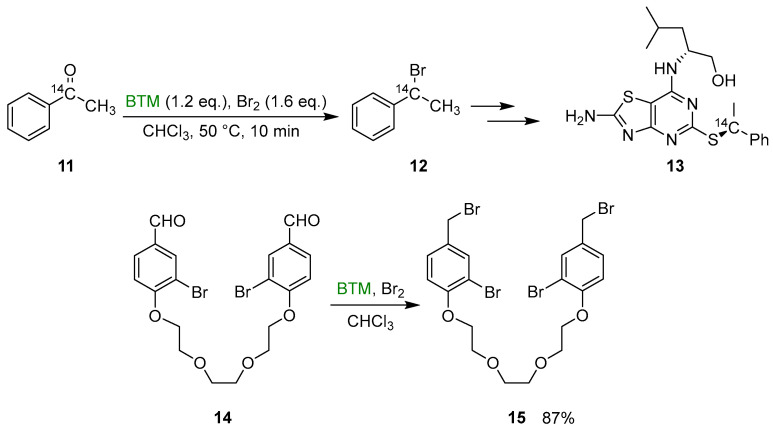 Figure 5
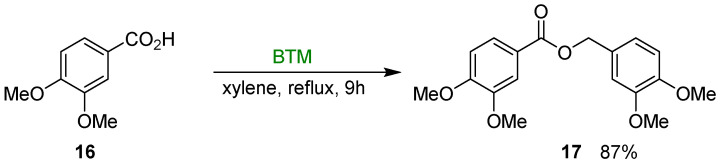 Figure 6
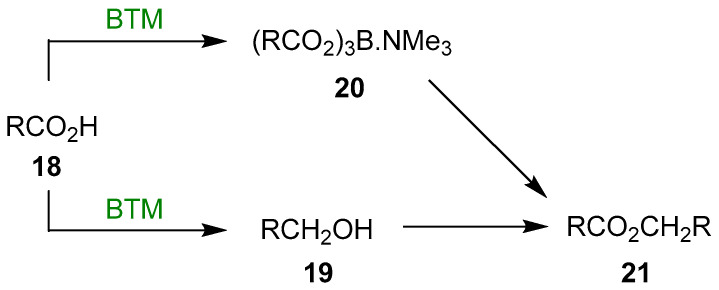 Figure 7
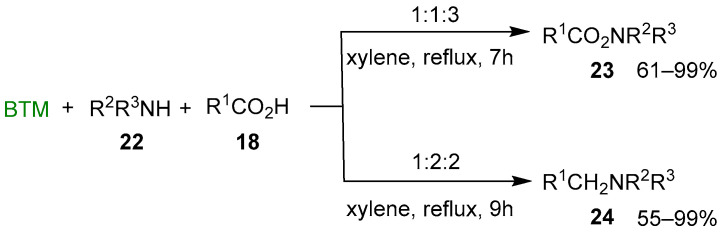 Figure 8
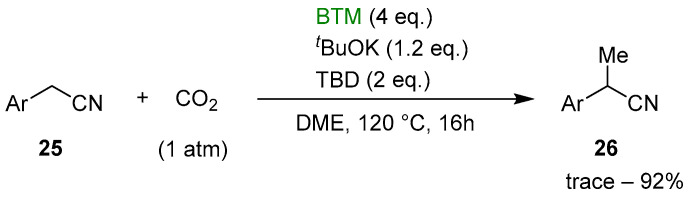 Figure 9
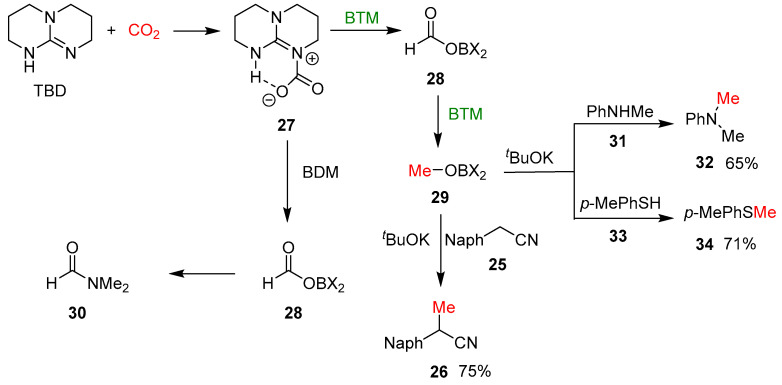 Figure 10
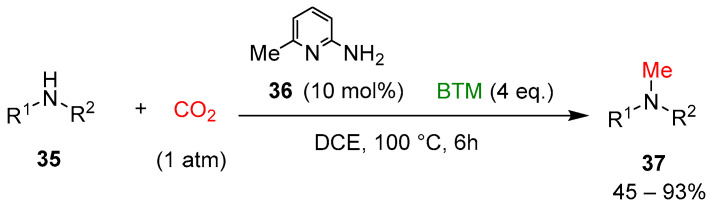 Figure 11
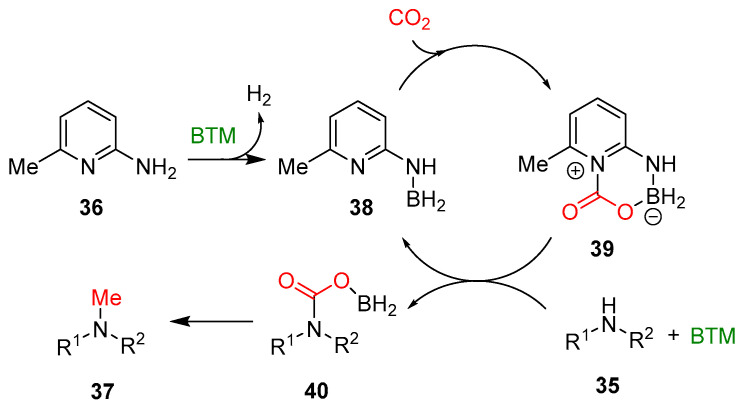 Figure 12
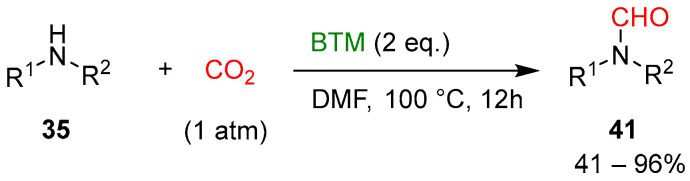 Figure 13
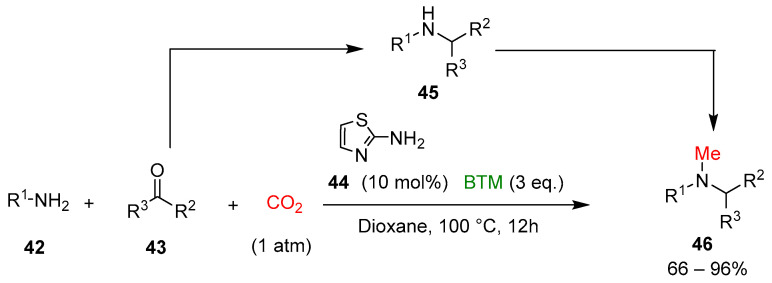 Figure 14
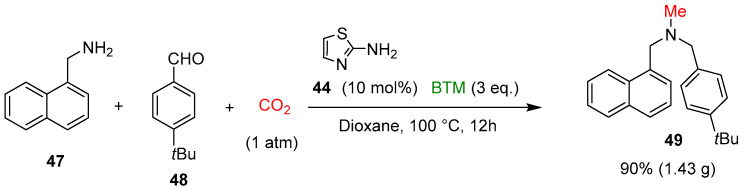 Figure 15
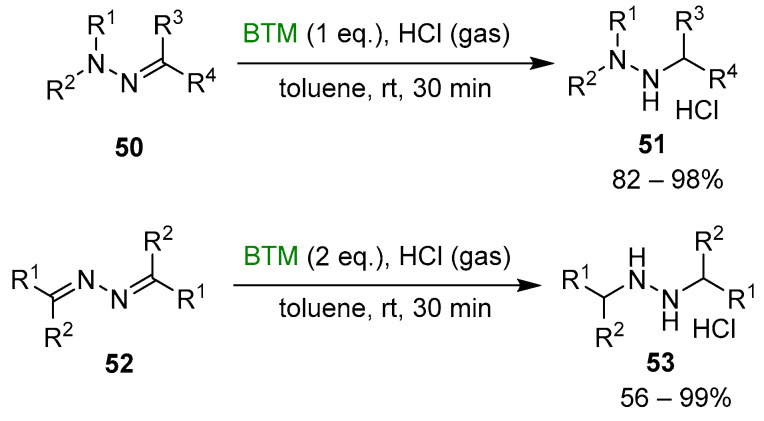 Figure 16
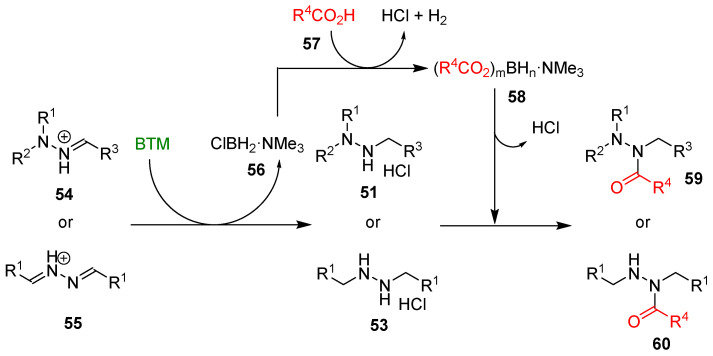 Figure 17
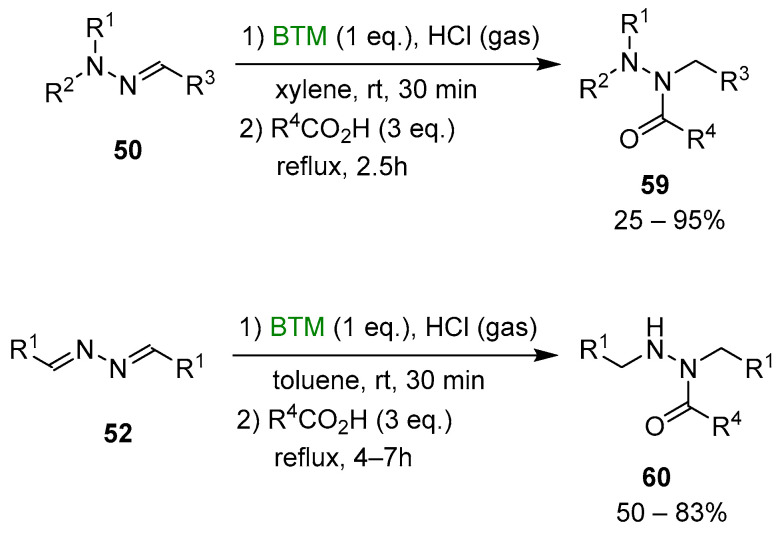 Figure 18
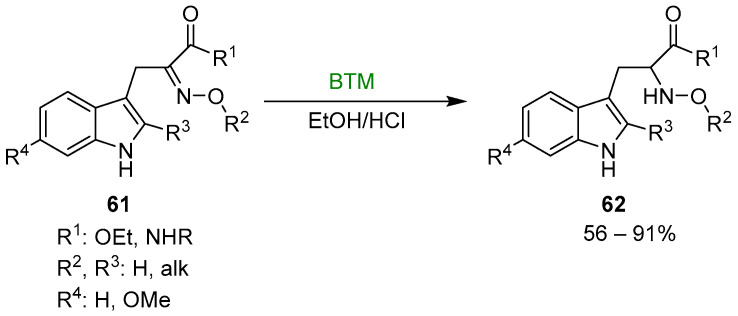 Figure 19
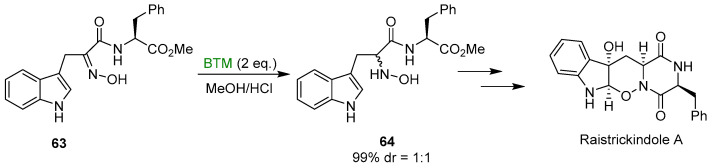 Figure 20
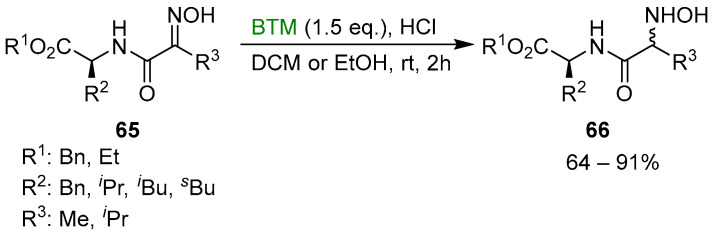 Figure 21
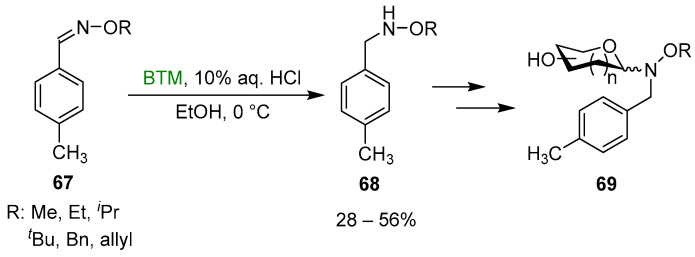 Figure 22
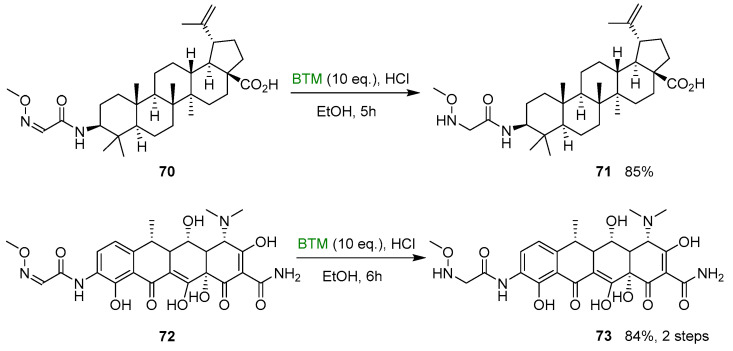 Figure 23
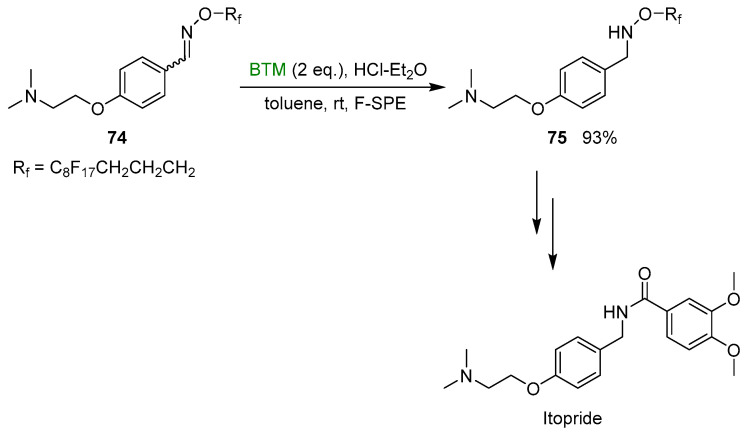 Figure 24
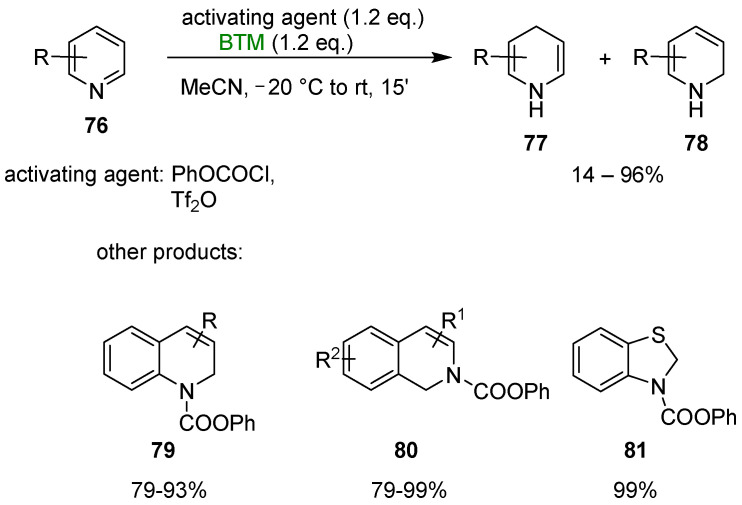 Figure 25
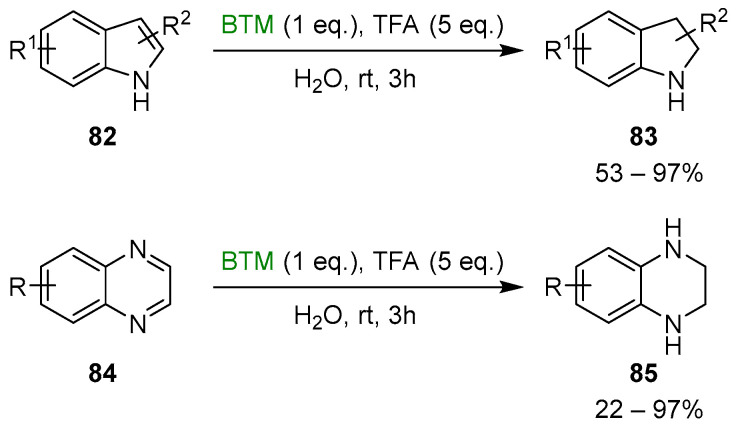 Figure 26
 Figure 27
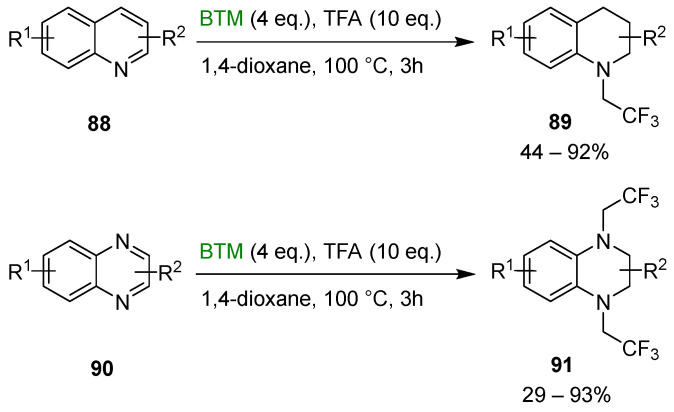 Figure 28
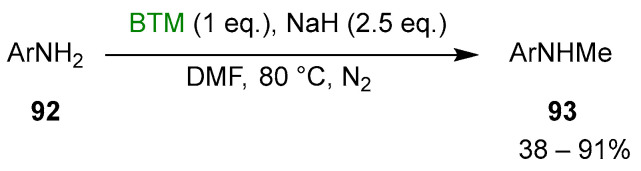 Figure 29
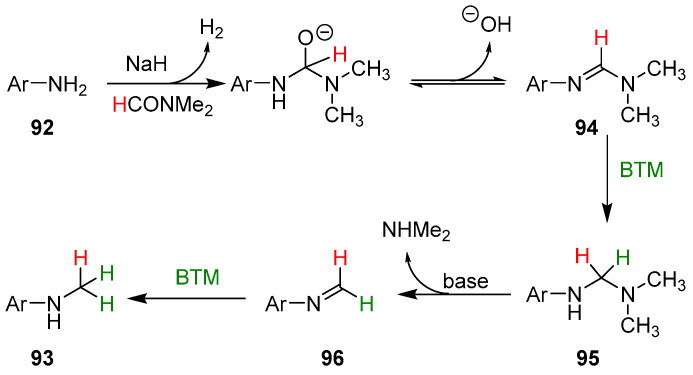 Figure 30
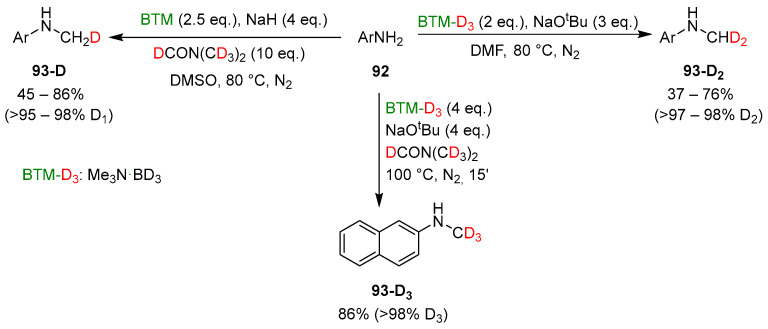 Figure 31
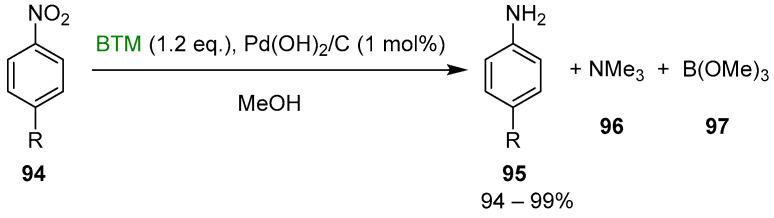 Figure 32
 Figure 33
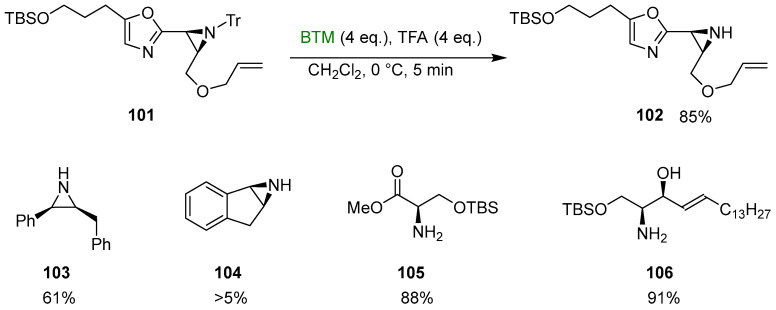 Figure 34
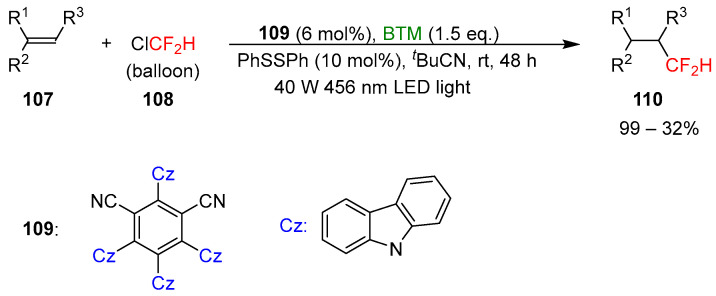 Figure 35
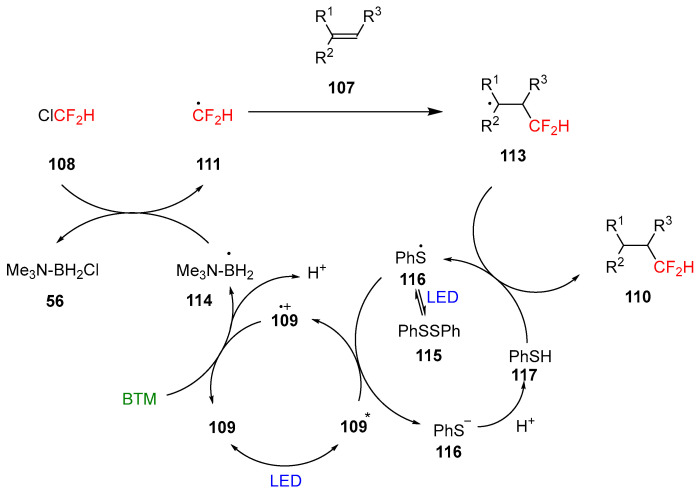 Figure 36
 Figure 37
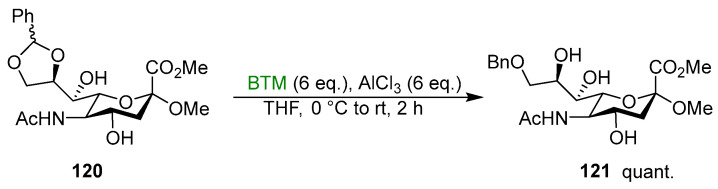 Figure 38
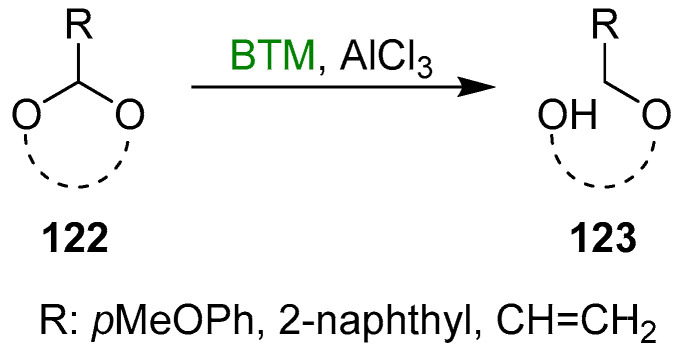 Figure 39
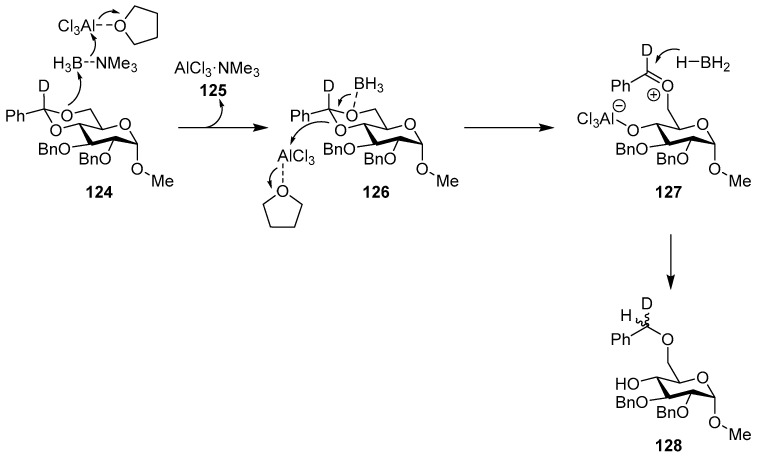 Figure 40
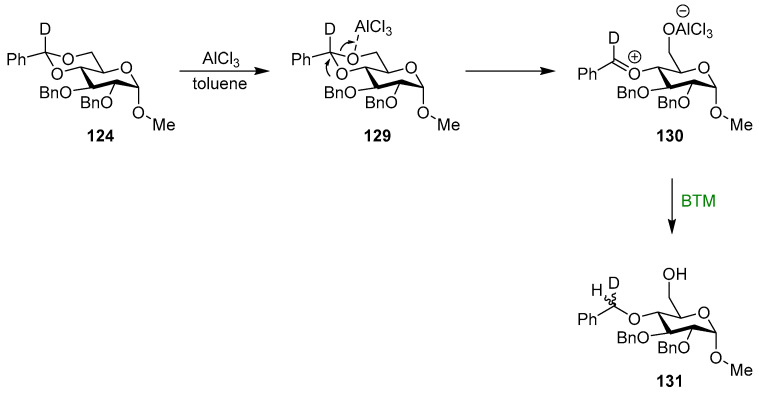 Figure 41
Peer Reviews
No public reviews on file for this paper yet. If you reviewed it on a platform where reviews are public (OpenReview, ICLR, NeurIPS, ICML), you can paste yours below so the community can read it here.
Videos
No videos yet. Explain this paper in a talk, walkthrough, or lecture? Add one.
Taxonomy
TopicsAsymmetric Hydrogenation and Catalysis · Carbon dioxide utilization in catalysis · Organoboron and organosilicon chemistry