Transparent Cellulose/Multi-Walled Carbon Nanotube Hybrids with Improved Ultraviolet-Shielding Properties Prepared from Cotton Textile Waste
Zhen Xu, Yingying Ma, Xiaohui Yao, Hongxu Wang, Qian Zhang, Qiance Ma, Zhanrui Zhang, Guangmei Xia, Jinming Zhang, Fengshan Zhang

TL;DR
Researchers made eco-friendly, UV-protective materials from cotton waste by combining cellulose with carbon nanotubes.
Contribution
A novel hybrid material using cotton textile waste and MCNTs with enhanced UV-shielding and mechanical properties is developed.
Findings
Cellulose/MCNT films with 4% MCNT content showed 19.91% transmittance in the 320–400 nm UV range.
The mechanical strength of the hybrid films reached up to 20.58 MPa with 31.35% elongation at break.
MCNTs improved UV-shielding and water resistance without requiring pretreatment.
Abstract
Plastics offer many advantages and are widely used in various fields. Nevertheless, most plastics derived from petroleum are slow to degrade due to their stable polymer structure, posing serious threats to organisms and ecosystems. Thus, developing environmentally friendly and biodegradable plastics is imperative. In this study, biodegradable cellulose/multi-walled carbon nanotube (MCNT) hybrid gels and films with improved ultraviolet-shielding properties were successfully prepared using cotton textile waste as a resource. It was proven that MCNTs can be dispersed evenly in cellulose without any chemical or physical pretreatment. It was found that the contents of MCNTs had obvious effects on the structures and properties of hybrid films. Particularly, the averaged transmittance of cellulose/MCNT composite films in the range of 320–400 nm (T320–400) and 290–320 nm (T290–320) can be as…
Click any figure to enlarge with its caption.
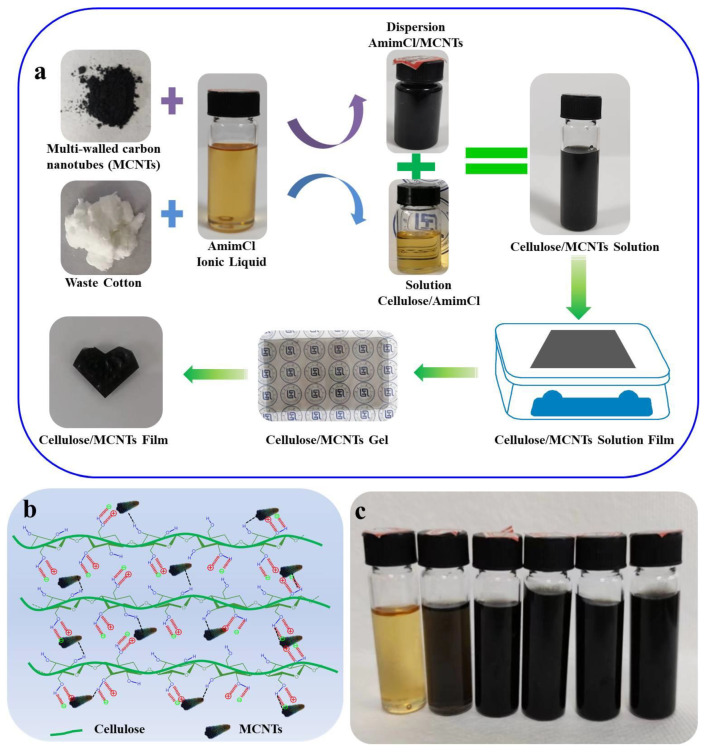 Figure 1
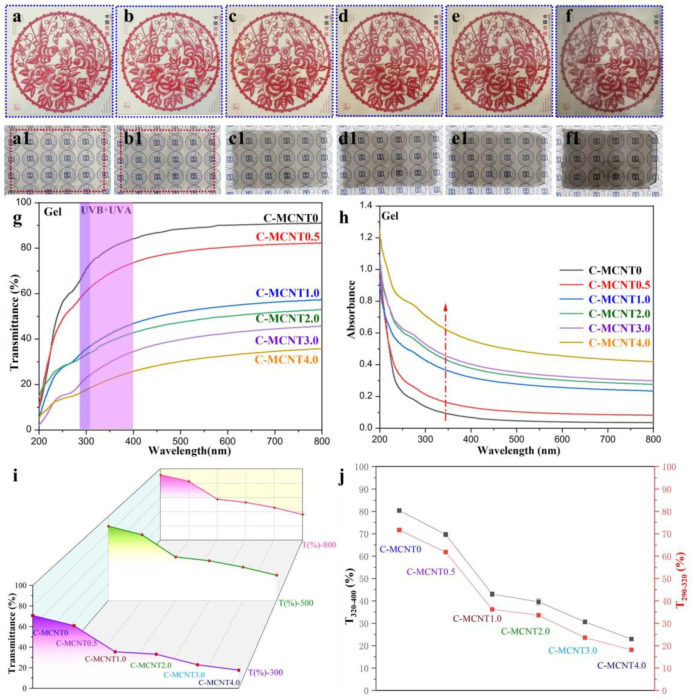 Figure 2
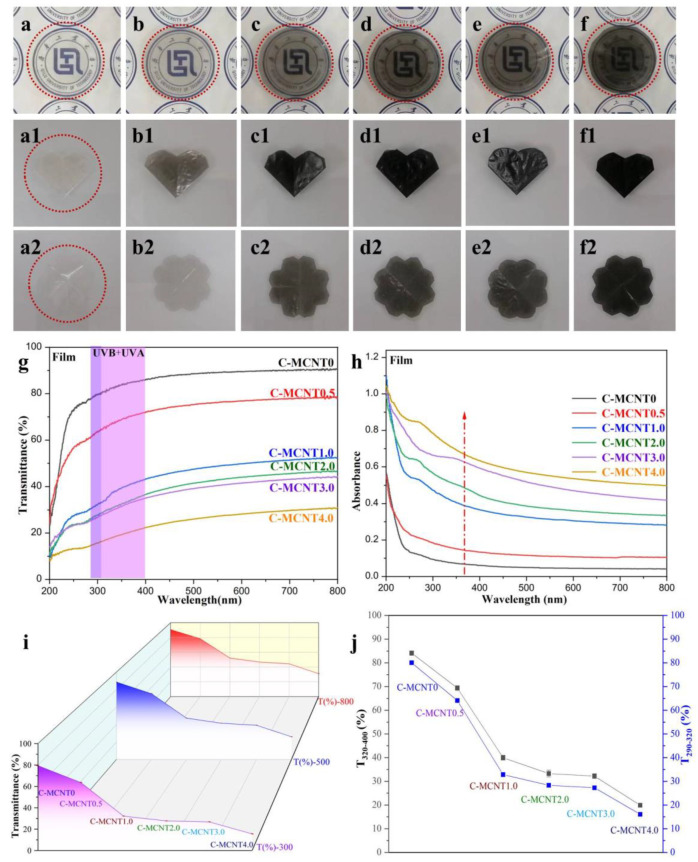 Figure 3
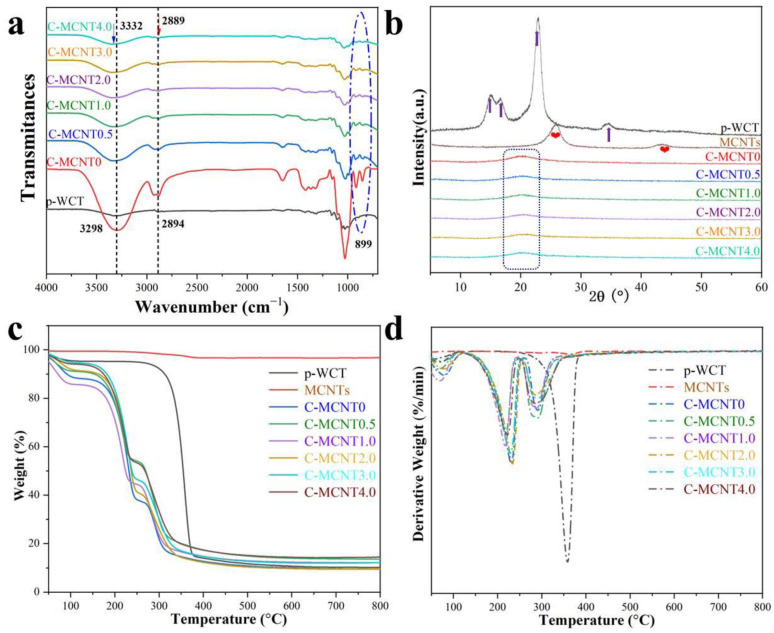 Figure 4
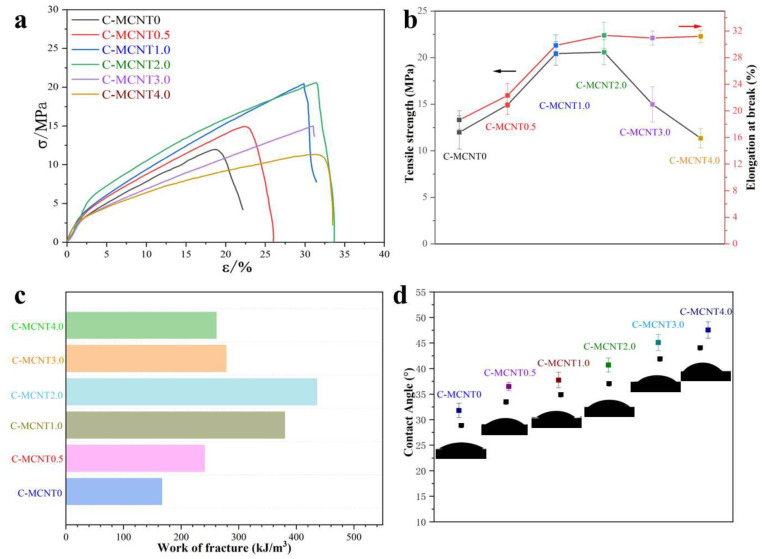 Figure 5
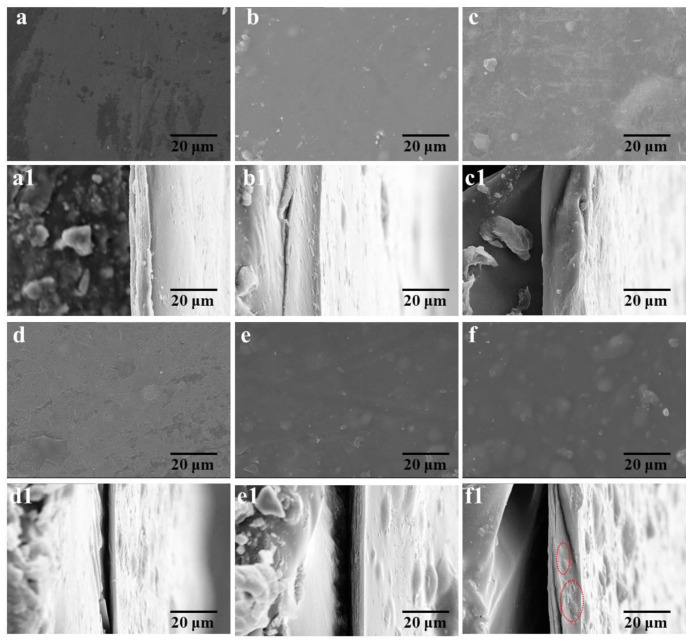 Figure 6
Peer Reviews
No public reviews on file for this paper yet. If you reviewed it on a platform where reviews are public (OpenReview, ICLR, NeurIPS, ICML), you can paste yours below so the community can read it here.
Videos
No videos yet. Explain this paper in a talk, walkthrough, or lecture? Add one.
Taxonomy
TopicsMicroplastics and Plastic Pollution · Natural Fiber Reinforced Composites · biodegradable polymer synthesis and properties