Endovascular Recanalization and Carotid Stenting: The New Approach to Restore Cerebral Perfusion during Aortic Dissection
Maxim Agarkov, Kirill Kozlov, Ekaterina Senkina, Sergey Gornov, Natalia Linkova, Elena Kechaeva, Dmitrii Medvedev, Alexander Krasichkov, Anastasiia Dyatlova, Victoria Polyakova

TL;DR
This paper presents a new approach using endovascular recanalization and carotid stenting to restore cerebral blood flow in patients with aortic dissection and cerebral malperfusion.
Contribution
The study introduces emergency endovascular techniques as a novel treatment option for cerebral malperfusion in aortic dissection.
Findings
Endovascular recanalization and carotid stenting restored cerebral perfusion in two patients with aortic dissection.
Surgical correction was avoided in both cases due to neurological status concerns.
The approach showed potential as a life-saving intervention for acute carotid occlusion in aortic dissection.
Abstract
A type A aortic dissection (TAAD) is a dangerous condition requiring emergency surgery. Due to the similarity of the symptoms of cerebral malperfusion in TAAD and the signs of ischemic stroke, a differential diagnosis of these diseases is not always available. Patients with TAAD after cerebral malperfusion can have a neurological deficit. Thrombolysis is performed in this case. It can worsen the patient’s condition and increase the risk of mortality and disability. The aim of the study is to evaluate the new approach to restoring cerebral perfusion during aortic dissection. This approach includes endovascular recanalization and carotid stenting. Methods: Two clinical cases of TAAD complicated by cerebral malperfusion are described. The first patient is 73 years old and was admitted as planned to perform transcatheter aortic valve implantation (TAVI) for grade III aortic stenosis. The…
Genes, proteins, chemicals, diseases, species, mutations and cell lines named across the full text — each resolved to its canonical identifier and authoritative record.
Click any figure to enlarge with its caption.
 Figure 1
 Figure 2
 Figure 3
 Figure 4
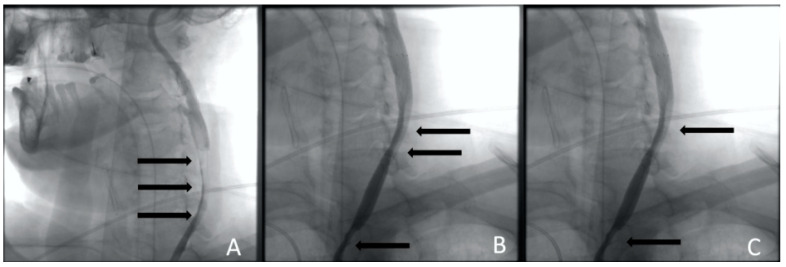 Figure 5
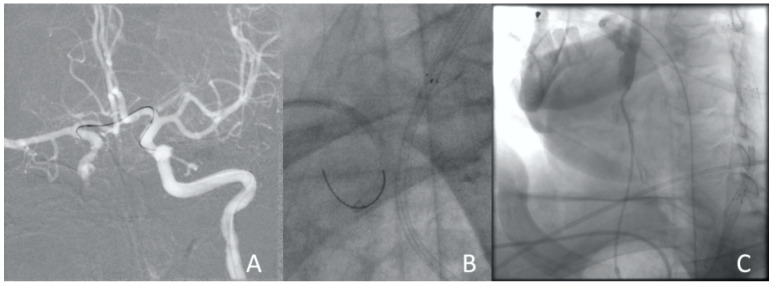 Figure 6
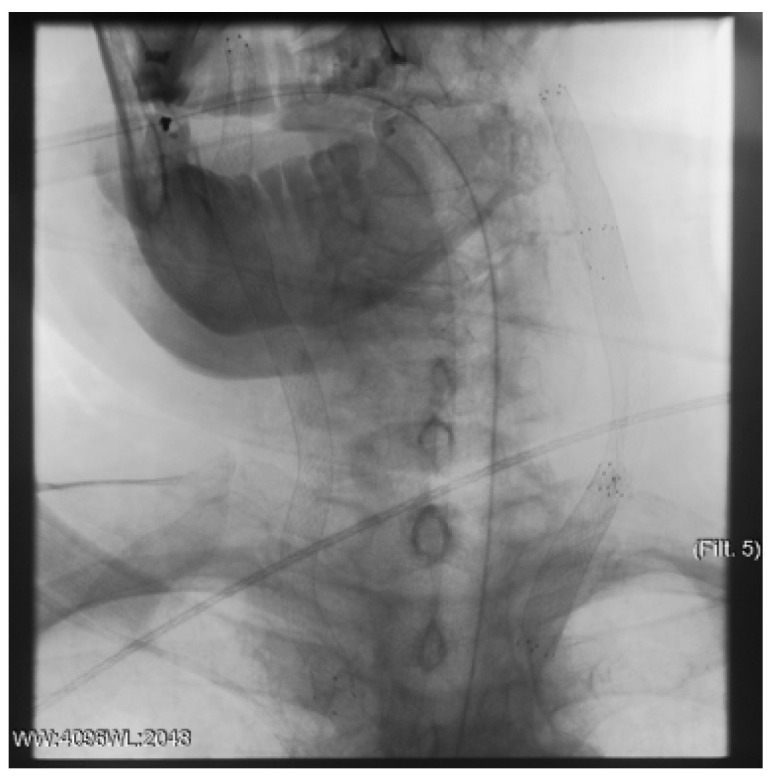 Figure 7
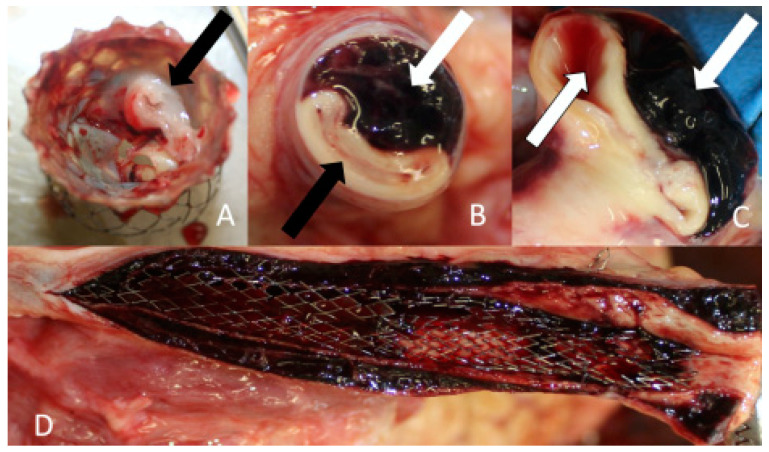 Figure 8
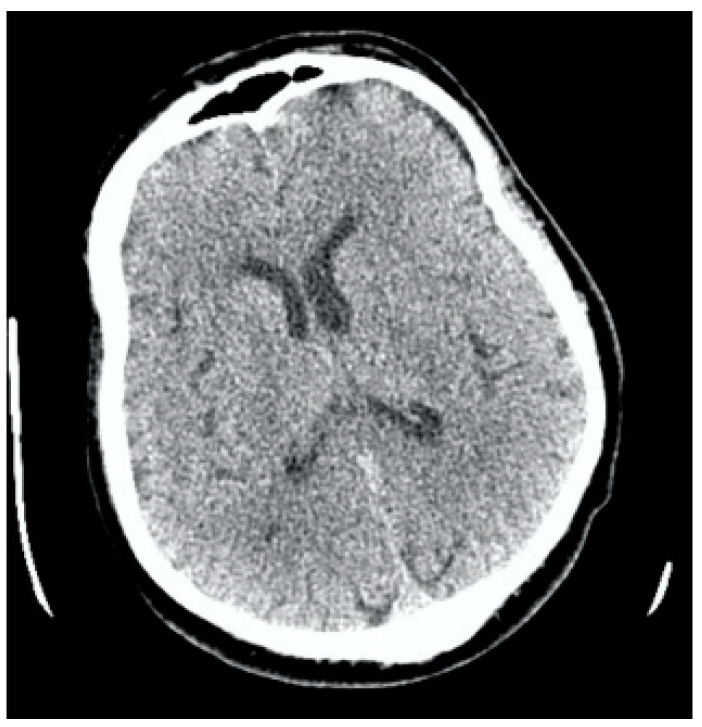 Figure 9
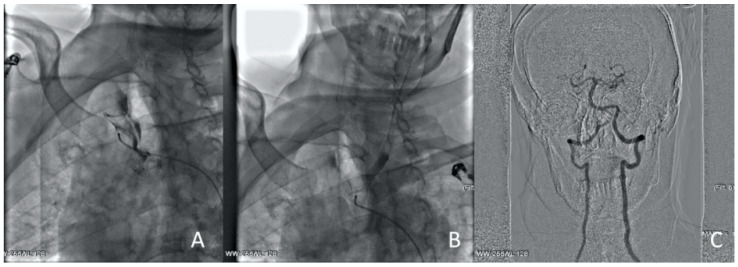 Figure 10
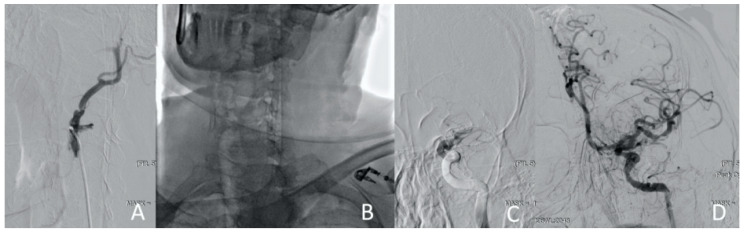 Figure 11
 Figure 12
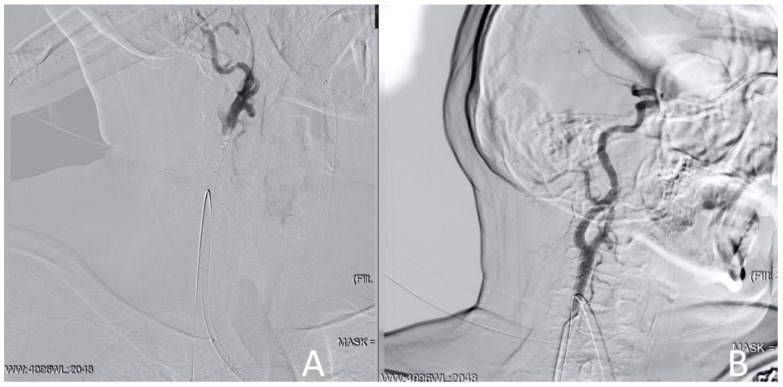 Figure 13
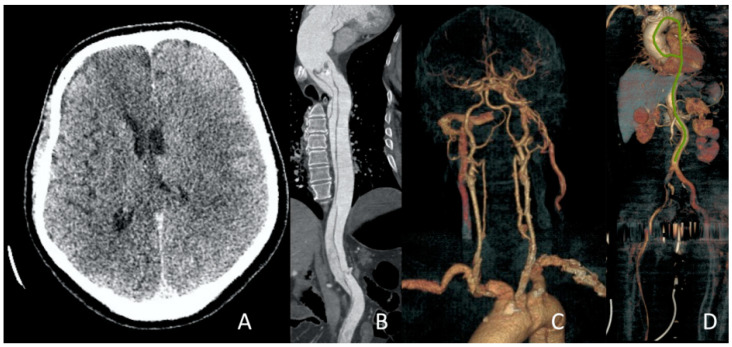 Figure 14
Peer Reviews
No public reviews on file for this paper yet. If you reviewed it on a platform where reviews are public (OpenReview, ICLR, NeurIPS, ICML), you can paste yours below so the community can read it here.
Videos
No videos yet. Explain this paper in a talk, walkthrough, or lecture? Add one.
Taxonomy
TopicsAortic Disease and Treatment Approaches · Aortic aneurysm repair treatments · Acute Ischemic Stroke Management