Alterations in cell arrangements of group B streptococcus due to virulence factor expression can bias estimates of bacterial populations based on colony count measures
Ruby Thapa, Kelvin G. K. Goh, Devika Desai, Ellen Copeman, Dhruba Acharya, Matthew J. Sullivan, Glen C. Ulett

TL;DR
This study shows that the chain length of Group B streptococcus (GBS) affects colony count measurements and influences its ability to colonize and cause infection.
Contribution
The study is the first to demonstrate that GBS chain length impacts colony count estimates and reproductive tract colonization dynamics.
Findings
GBS strains with longer chain lengths produce lower colony count estimates due to clumping.
Longer GBS chains are associated with increased virulence in a murine model of reproductive tract colonization.
Chain length affects bacterial population dynamics and disease pathogenesis in vivo.
Abstract
Group B streptococcus (GBS) is a chain-forming commensal bacterium and opportunistic pathogen that resides in the gastrointestinal and genitourinary tract of healthy adults. GBS can cause various infections and related complications in pregnant and nonpregnant women, adults, and newborns. Investigations of the mechanisms by which GBS causes disease pathogenesis often utilize colony count assays to estimate bacterial population size in experimental models. In other streptococci, such as group A streptococcus and pneumococcus, variation in the chain length of the bacteria that can occur naturally or due to mutation can affect facets of pathogenesis, such as adherence to or colonization of a host. No studies have reported a relationship between GBS chain length and pathogenicity. Here, we used GBS strain 874391 and several derivative strains displaying longer chain-forming phenotypes…
Genes, proteins, chemicals, diseases, species, mutations and cell lines named across the full text — each resolved to its canonical identifier and authoritative record.
Click any figure to enlarge with its caption.
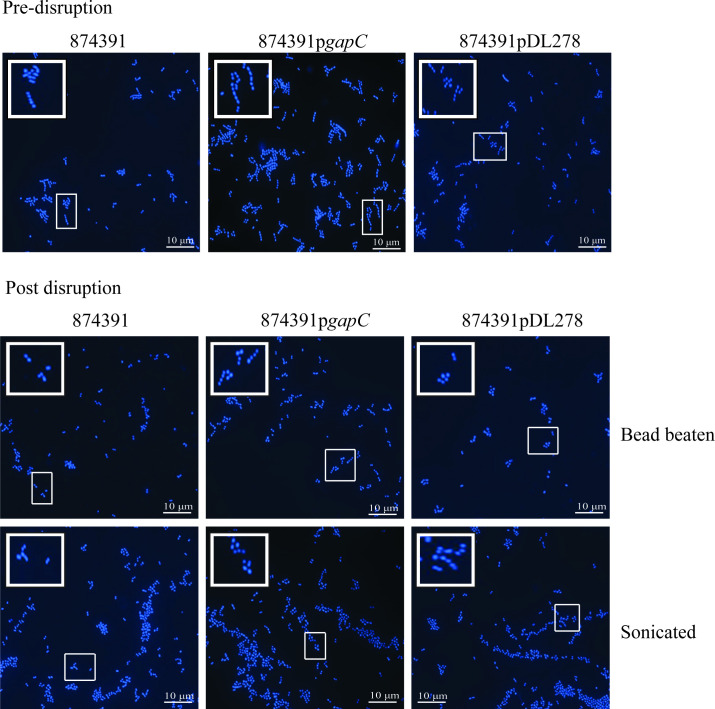 Figure 1
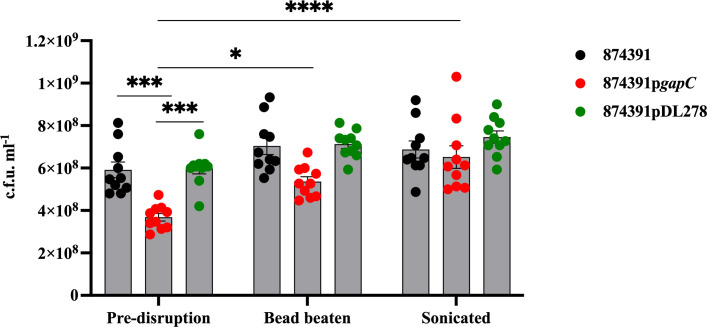 Figure 2
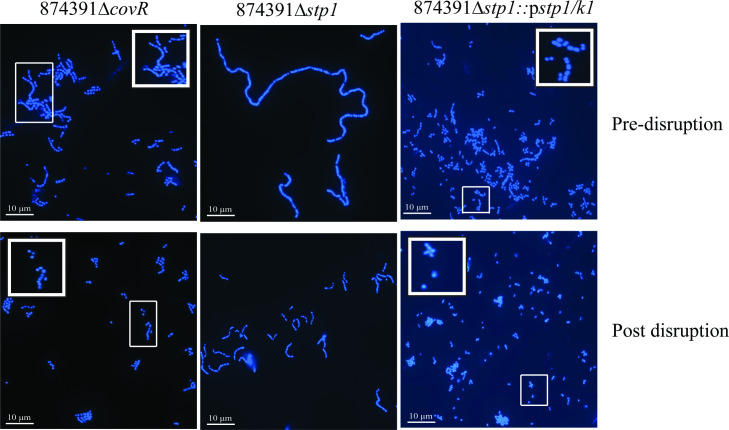 Figure 3
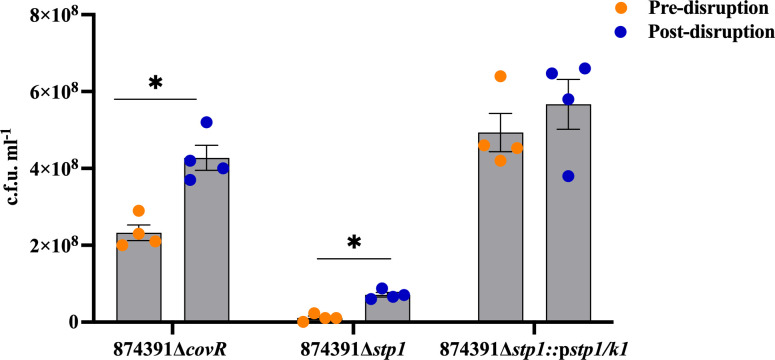 Figure 4
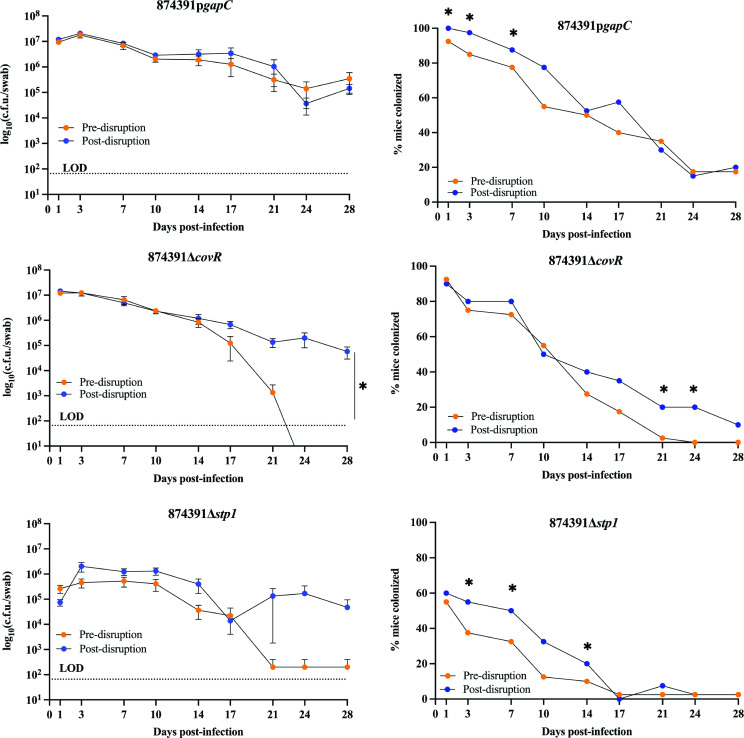 Figure 5
Peer Reviews
No public reviews on file for this paper yet. If you reviewed it on a platform where reviews are public (OpenReview, ICLR, NeurIPS, ICML), you can paste yours below so the community can read it here.
Videos
No videos yet. Explain this paper in a talk, walkthrough, or lecture? Add one.
Taxonomy
TopicsNeonatal and Maternal Infections · Streptococcal Infections and Treatments · Antimicrobial Resistance in Staphylococcus