Human Impact on the Twenty-Four-Hour Patterns of Steller Sea Lions’ Use of a Haulout in Hokkaido, Japan
Yuko Chayahara, Yumiko Nakanowataru, Sara Abe, Runa Kurosawa, Sayuki Suma, Nana Murasato, Rin Oyamada, Natsuki Ebashi, Masatoshi Tsunokawa, Mayu Sakurama, Takanori Kooriyama

TL;DR
Steller sea lions in Hokkaido adjust their haulout behavior in response to human activity and weather, potentially to avoid disturbance and forage for herring.
Contribution
This study reveals how human pressure influences the timing and patterns of Steller sea lion haulout use over three years.
Findings
Steller sea lions increased haulout use during harsh weather or human presence.
The number of sea lions on haulouts decreased as human pressure increased over three years.
SSLs likely return to water around sunrise to avoid human disturbance and forage.
Abstract
The Steller sea lion (SSL) is the largest Otariidae family species widely distributed in the cold North Pacific Ocean. SSLs also migrate to Hokkaido, Japan, in the winter. SSLs travel south along the Sea of Japan coast for winter to catch the herring that spawn near the coast. SSLs utilize haulouts as rest sites during herring season, but this can be affected by weather- and human-related pressures. In this study, we investigated the haulout use patterns of SSLs and the effect of human disturbance over a period of three years. The behavior of the SSLs on the haulouts differed from when they were on rookeries. Furthermore, the number of SSLs on the haulout and the duration of time they spent there reduced from the first year (lower human pressure) to the third year (human presence increased). Based on these findings, the SSLs may adjust the timing of when they enter the water to around…
Genes, proteins, chemicals, diseases, species, mutations and cell lines named across the full text — each resolved to its canonical identifier and authoritative record.
Click any figure to enlarge with its caption.
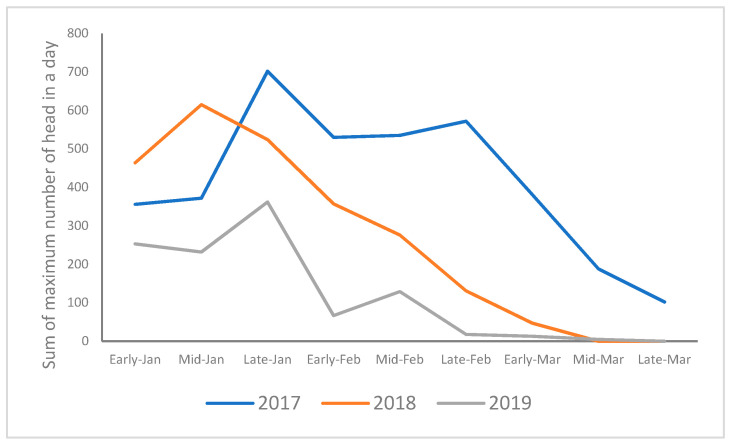 Figure 1
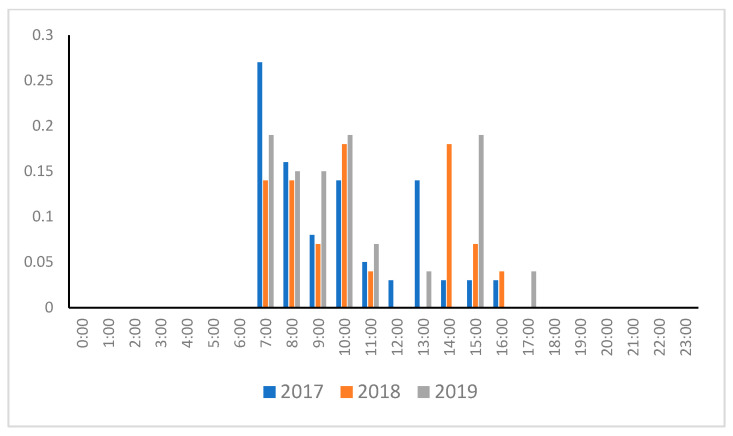 Figure 2
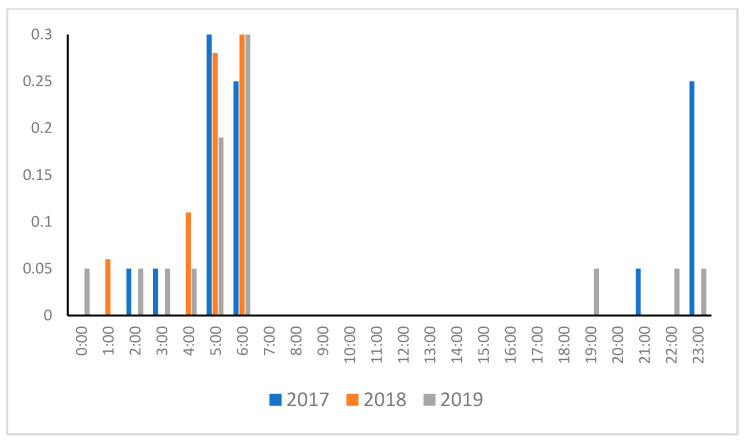 Figure 3
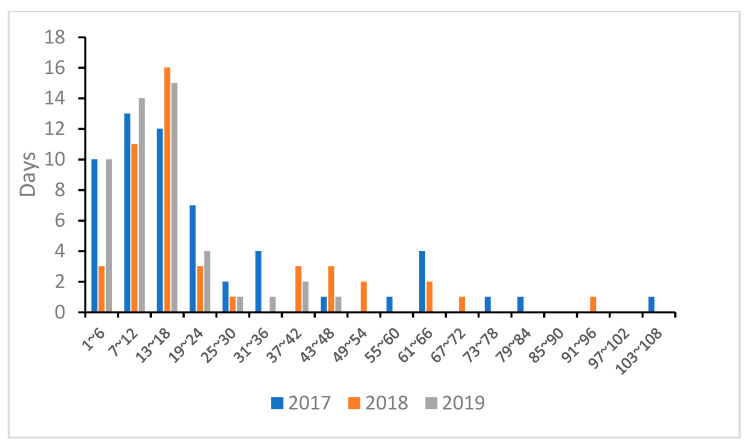 Figure 4
Peer Reviews
No public reviews on file for this paper yet. If you reviewed it on a platform where reviews are public (OpenReview, ICLR, NeurIPS, ICML), you can paste yours below so the community can read it here.
Videos
No videos yet. Explain this paper in a talk, walkthrough, or lecture? Add one.
Taxonomy
TopicsMarine animal studies overview · Arctic and Antarctic ice dynamics · Underwater Vehicles and Communication Systems