Spinal Intradural Tumor Resection via Long-Segment Approaches and Clinical Long-Term Follow-Up
Laura Dieringer, Lea Baumgart, Laura Schwieren, Jens Gempt, Maria Wostrack, Bernhard Meyer, Vicki M. Butenschoen

TL;DR
This study shows that removing large spinal tumors using long surgical approaches can lead to good outcomes without causing long-term spine instability.
Contribution
The study demonstrates that extensive surgical approaches for spinal tumors do not compromise spinal stability and can achieve good clinical results.
Findings
72.2% of patients reported pain improvement after surgery.
Most patients did not require secondary dorsal fixation for spinal instability.
Modified McCormick scores remained low pre- and post-surgery, indicating stable neurological function.
Abstract
Spinal intradural tumors can grow along multiple segments. Extensive approaches such as long-segment laminoplasties may be necessary to achieve the gold standard of gross total resection. Here, we present a comprehensive cohort study describing the satisfying clinical outcome of patients undergoing four or more segment approaches without requiring dorsal fixation for intradural tumor resection. The clinical outcomes are comparable to patients undergoing surgical treatment of short-segment approaches, and no patient underwent a secondary fixation for symptoms of mechanical instability. Introduction: Spinal intradural tumors account for 15% of all CNS tumors. Typical tumor entities include ependymomas, astrocytomas, meningiomas, and neurinomas. In cases of multiple affected segments, extensive approaches may be necessary to achieve the gold standard of complete tumor resection. Methods:…
Genes, proteins, chemicals, diseases, species, mutations and cell lines named across the full text — each resolved to its canonical identifier and authoritative record.
Click any figure to enlarge with its caption.
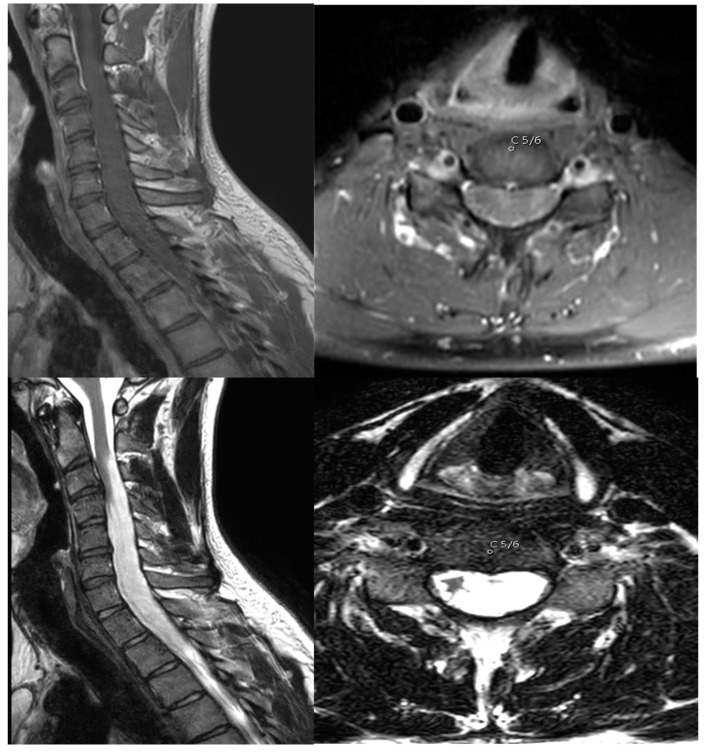 Figure 1
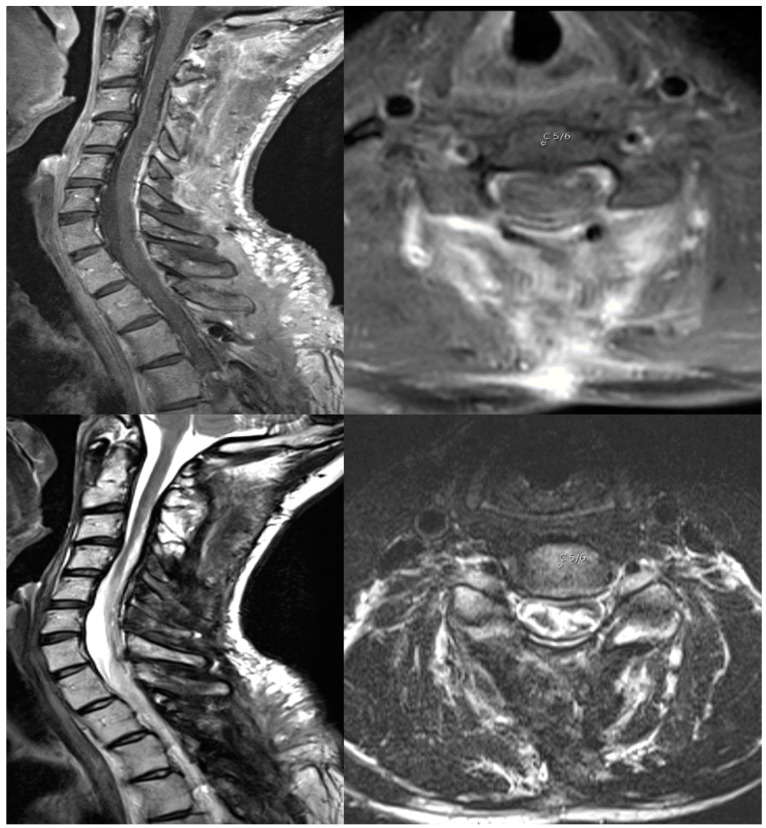 Figure 2
Peer Reviews
No public reviews on file for this paper yet. If you reviewed it on a platform where reviews are public (OpenReview, ICLR, NeurIPS, ICML), you can paste yours below so the community can read it here.
Videos
No videos yet. Explain this paper in a talk, walkthrough, or lecture? Add one.
Taxonomy
TopicsSpine and Intervertebral Disc Pathology · Neurofibromatosis and Schwannoma Cases · Management of metastatic bone disease