How to Personalize General Anesthesia—A Prospective Theoretical Approach to Conformational Changes of Halogenated Anesthetics in Fire Smoke Poisoning
Flavius Nicușor Truicu, Roni Octavian Damian, Mihai Alexandru Butoi, Vlad Ionuț Belghiru, Luciana Teodora Rotaru, Monica Puticiu, Renata Maria Văruț

TL;DR
This paper explores how smoke poisoning affects anesthetic effectiveness and suggests certain anesthetics are better suited for patients exposed to fire smoke.
Contribution
The study introduces a theoretical model to predict optimal anesthetics for patients with fire smoke poisoning based on molecular interactions.
Findings
Hemoglobin forms more stable complexes with anesthetic gases than myoglobin.
Desflurane and sevoflurane show significant conformational and binding energy changes due to HCl intoxication.
Halothane and isoflurane are suggested as optimal anesthetics for patients exposed to fire smoke.
Abstract
Smoke intoxication is a central event in mass burn incidents, and toxic smoke acts at different levels of the body, blocking breathing and oxygenation. The majority of these patients require early induction of anesthesia to preserve vital functions. We studied the influence of hemoglobin (HMG) and myoglobin (MGB) blockade by hydrochloric acid (HCl) in an interaction model with gaseous anesthetics using molecular docking techniques. In the next part of the study, molecular dynamics (MD) simulations were performed on the top-scoring ligand–receptor complexes to investigate the stability of the ligand–receptor complexes and the interactions between ligands and receptors in more detail. Through docking analysis, we observed that hemoglobin creates more stable complexes with anesthetic gases than myoglobin. Intoxication with gaseous hydrochloric acid produces conformational and binding…
Genes, proteins, chemicals, diseases, species, mutations and cell lines named across the full text — each resolved to its canonical identifier and authoritative record.
Click any figure to enlarge with its caption.
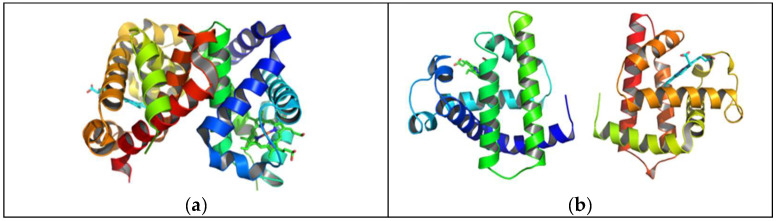 Figure 1
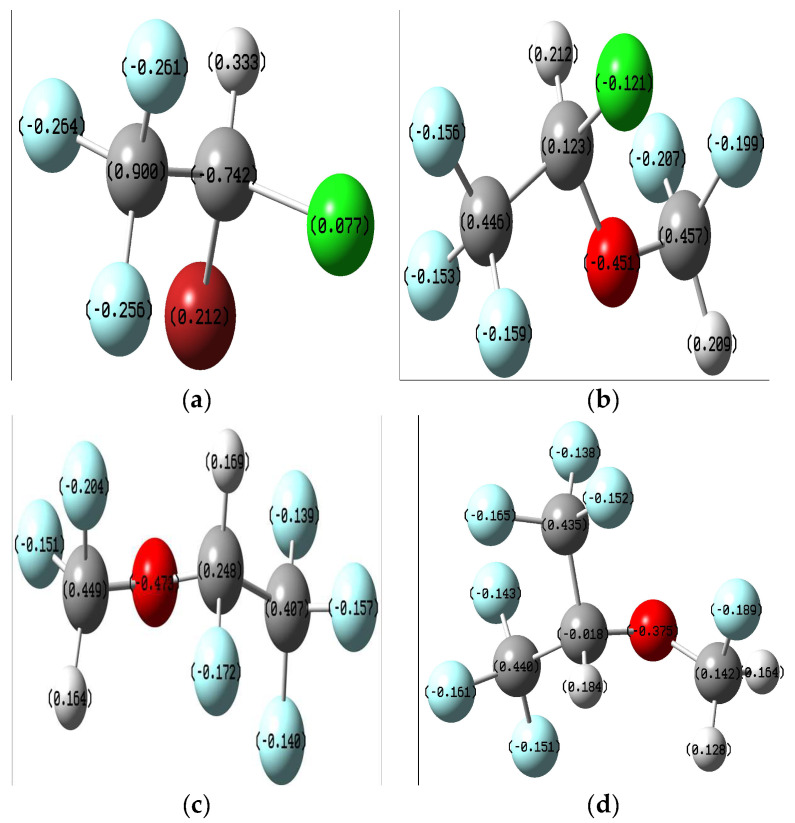 Figure 2
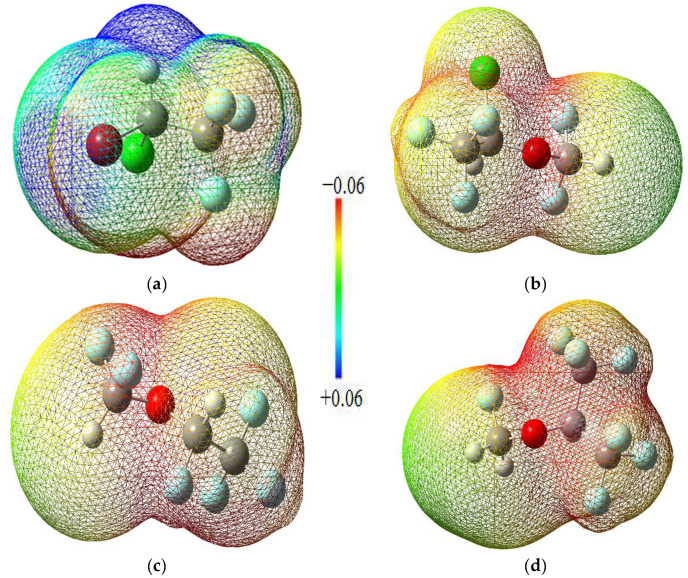 Figure 3
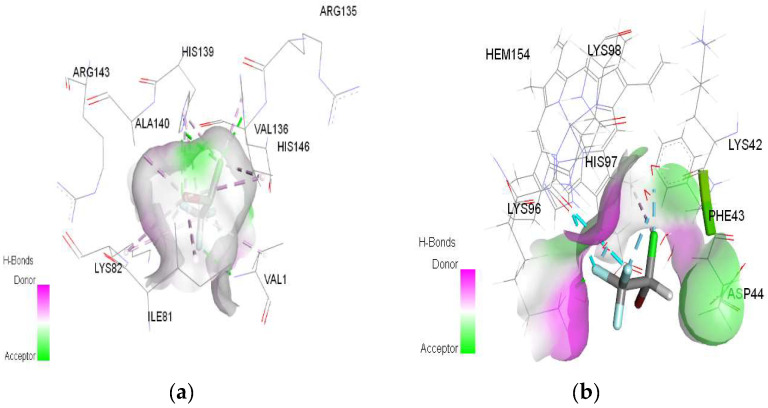 Figure 4
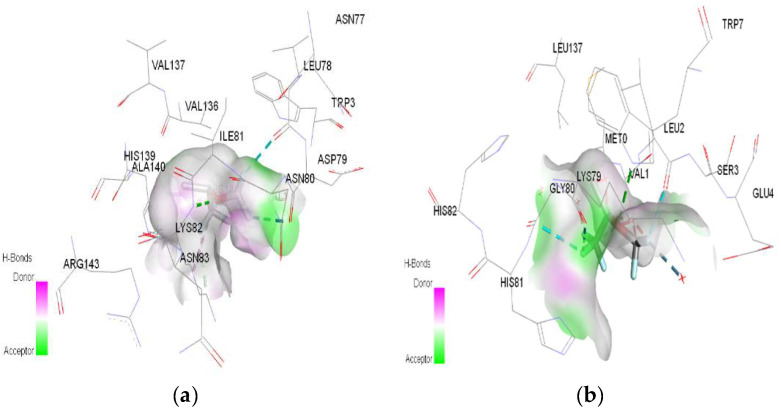 Figure 5
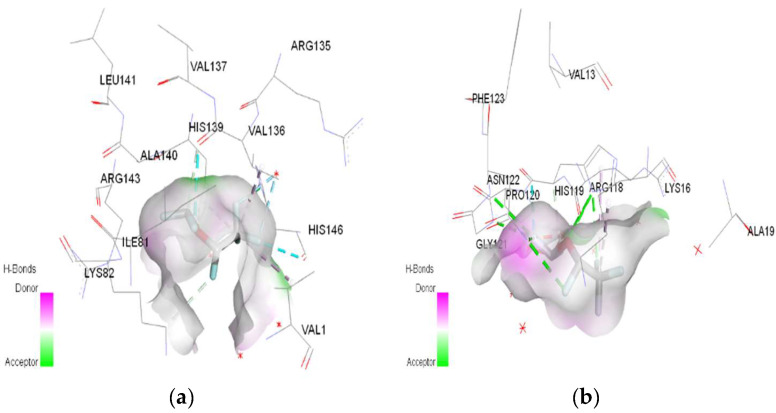 Figure 6
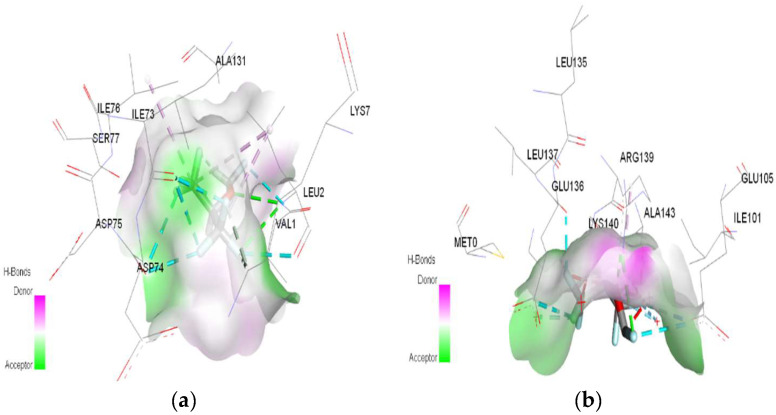 Figure 7
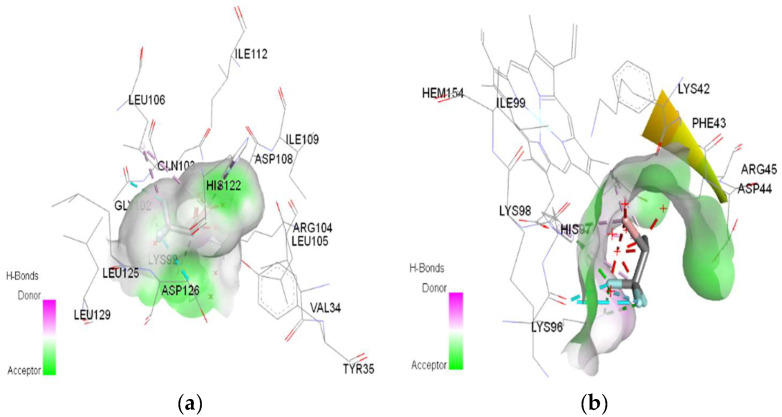 Figure 8
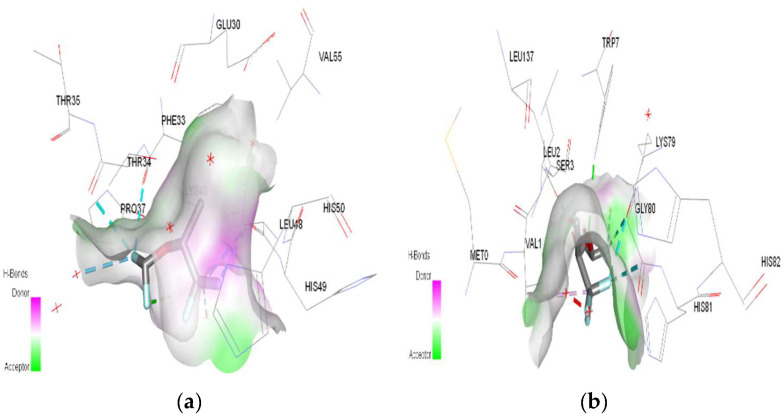 Figure 9
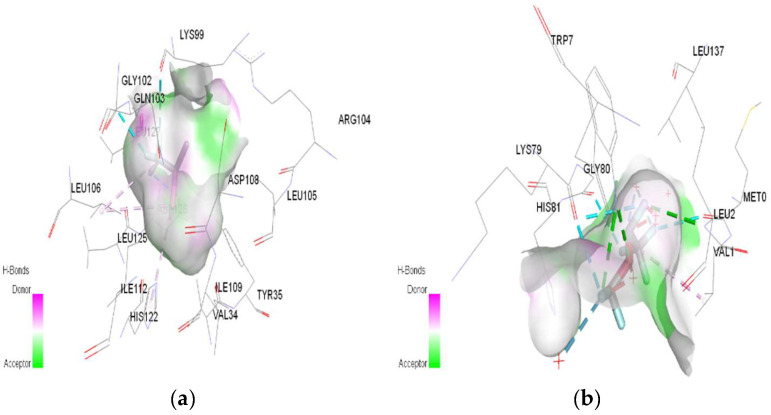 Figure 10
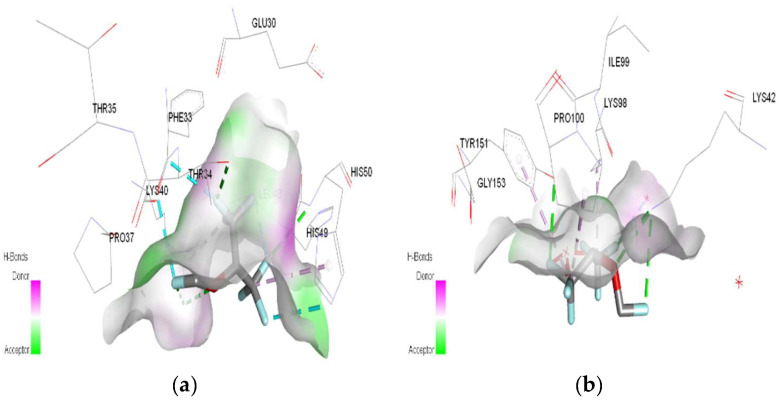 Figure 11
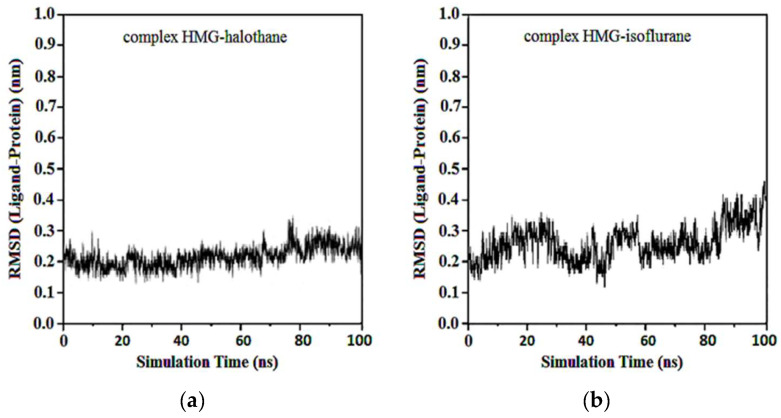 Figure 12
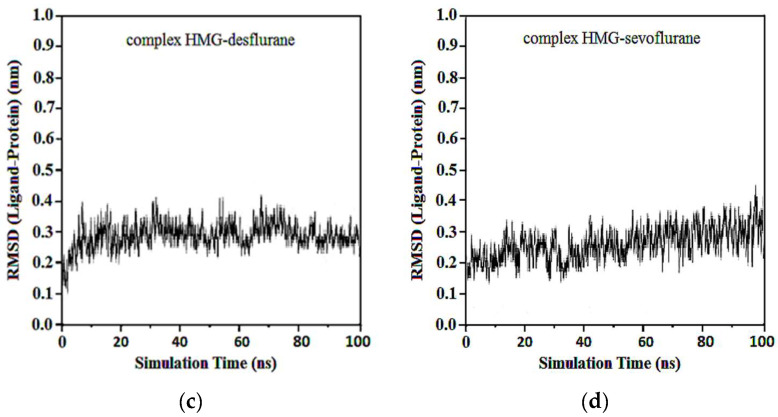 Figure 13
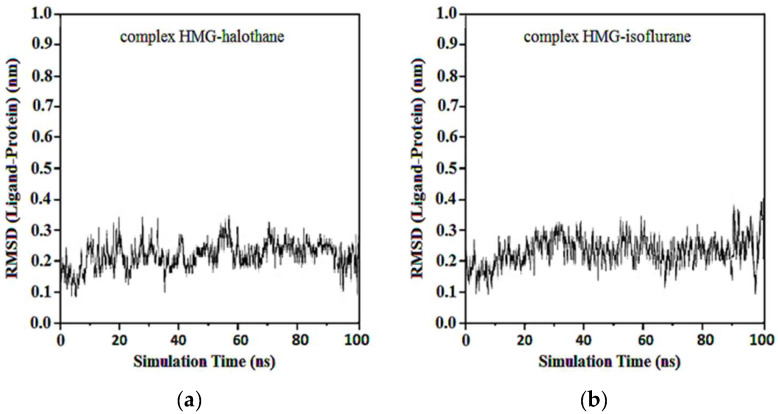 Figure 14
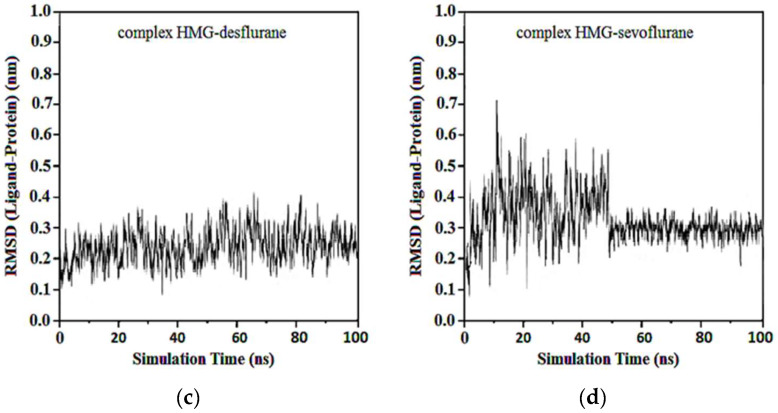 Figure 15
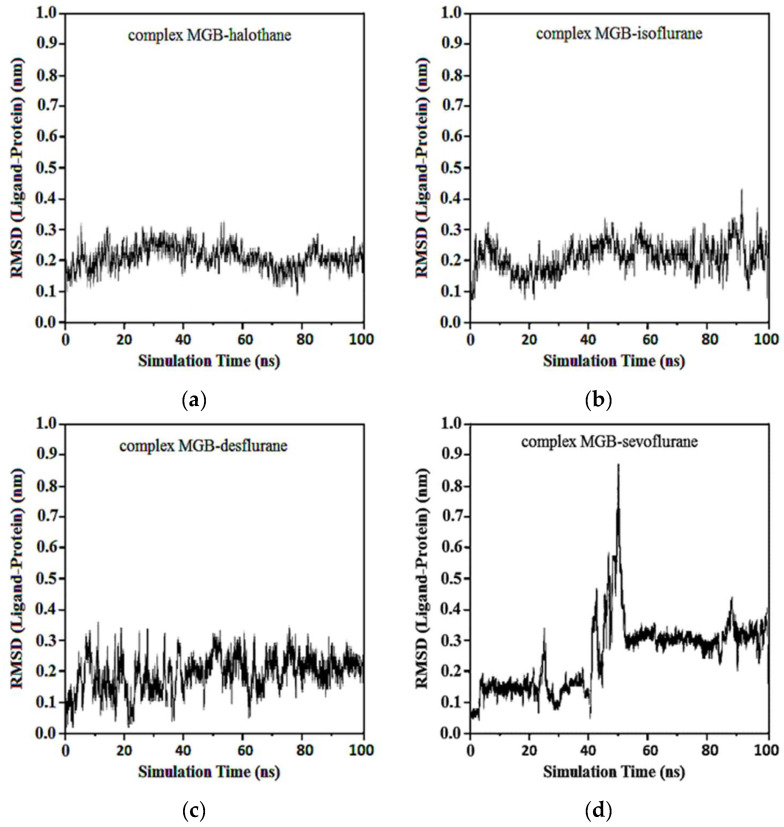 Figure 16
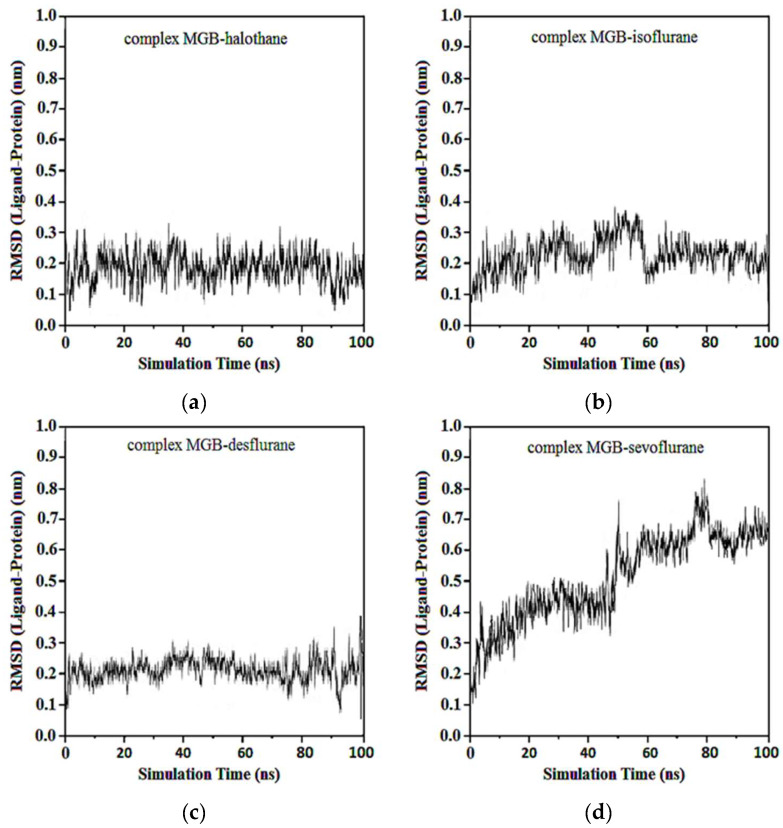 Figure 17
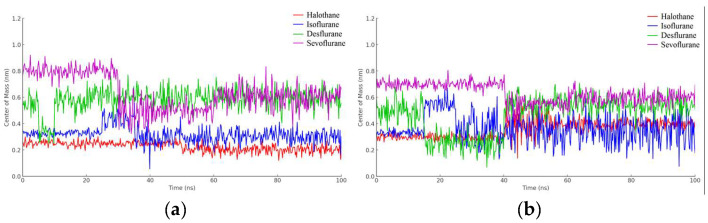 Figure 18
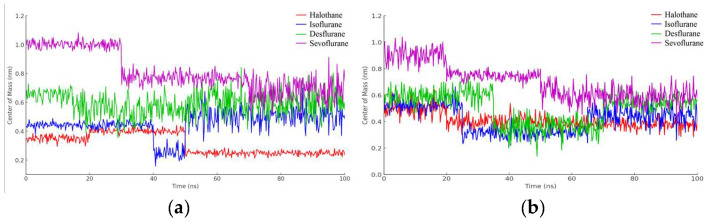 Figure 19
Peer Reviews
No public reviews on file for this paper yet. If you reviewed it on a platform where reviews are public (OpenReview, ICLR, NeurIPS, ICML), you can paste yours below so the community can read it here.
Videos
No videos yet. Explain this paper in a talk, walkthrough, or lecture? Add one.
Taxonomy
TopicsChemical Reaction Mechanisms · Free Radicals and Antioxidants · Energetic Materials and Combustion