Effect of hyperthermia on simulated muscle activation in female when crossing obstacle
I.-Lin Wang, Chin-Yi Gu, Tze-Huan Lei, Yu Su, Shun Yao, Toby Mündel, Shiwei Mo

TL;DR
This study found that higher body heat increases muscle activation in women when crossing obstacles of moderate height or higher.
Contribution
The study reveals how increasing hyperthermia affects muscle activation in females during obstacle crossing.
Findings
Greater hyperthermia (Δ2°C) increased lower limb muscle activation for obstacle heights of 20% and 30% leg length.
Muscle activation was not significantly different between mild hyperthermia (Δ1°C) and control conditions.
Higher muscle activation at Δ2°C suggests a compensatory mechanism for safety and stability during obstacle crossing.
Abstract
It is well known that hyperthermia greatly impairs neuromuscular function and dynamic balance. However, whether a greater level of hyperthermia could potentially alter the lower limb simulated muscle activation when crossing an obstacle in female participants remains unknown. Therefore we examined the effect of a systematic increase in oral temperature on lower limb simulated muscle activation when crossing an obstacle in female participants. Eighteen female participants were recruited where they underwent a control trial (Con) and two progressive passive heating trials with Δ 1°C and Δ 2°C increase of oral temperature (Toral) using a 45°C water bath. In each trial, we assessed lower limb simulated muscle activation when crossing an obstacle height of 10%, 20%, and 30% of the participant’s leg length and toe-off, toe-above-obstacle and heel-strike events were identified and analyzed. In…
Genes, proteins, chemicals, diseases, species, mutations and cell lines named across the full text — each resolved to its canonical identifier and authoritative record.
Click any figure to enlarge with its caption.
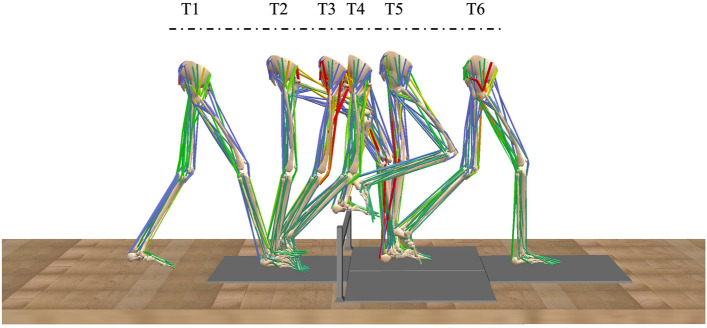 Figure 1
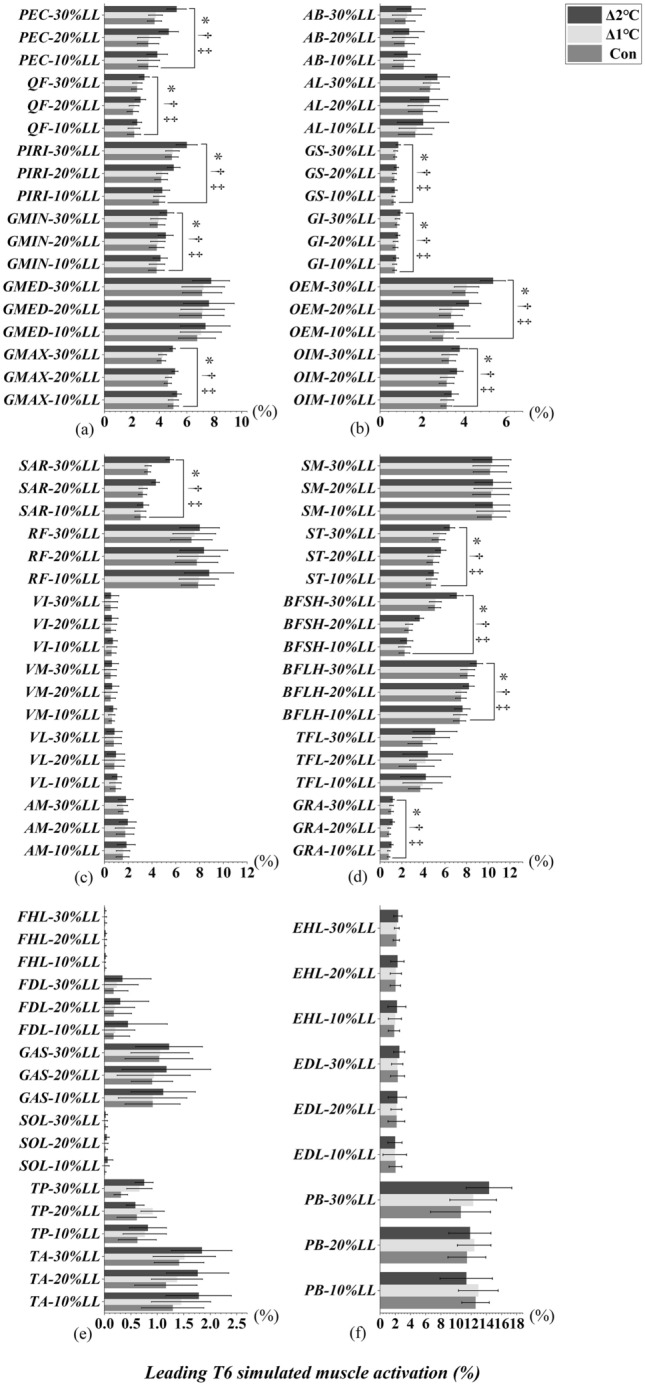 Figure 2
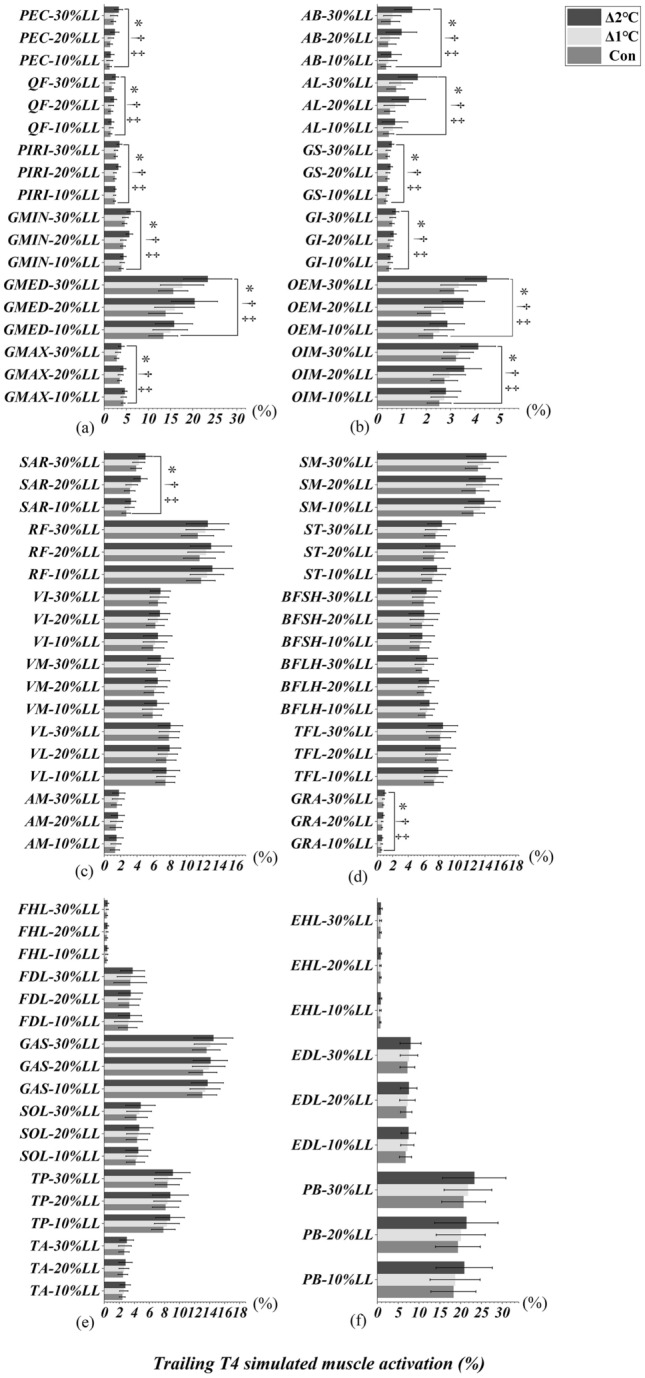 Figure 3
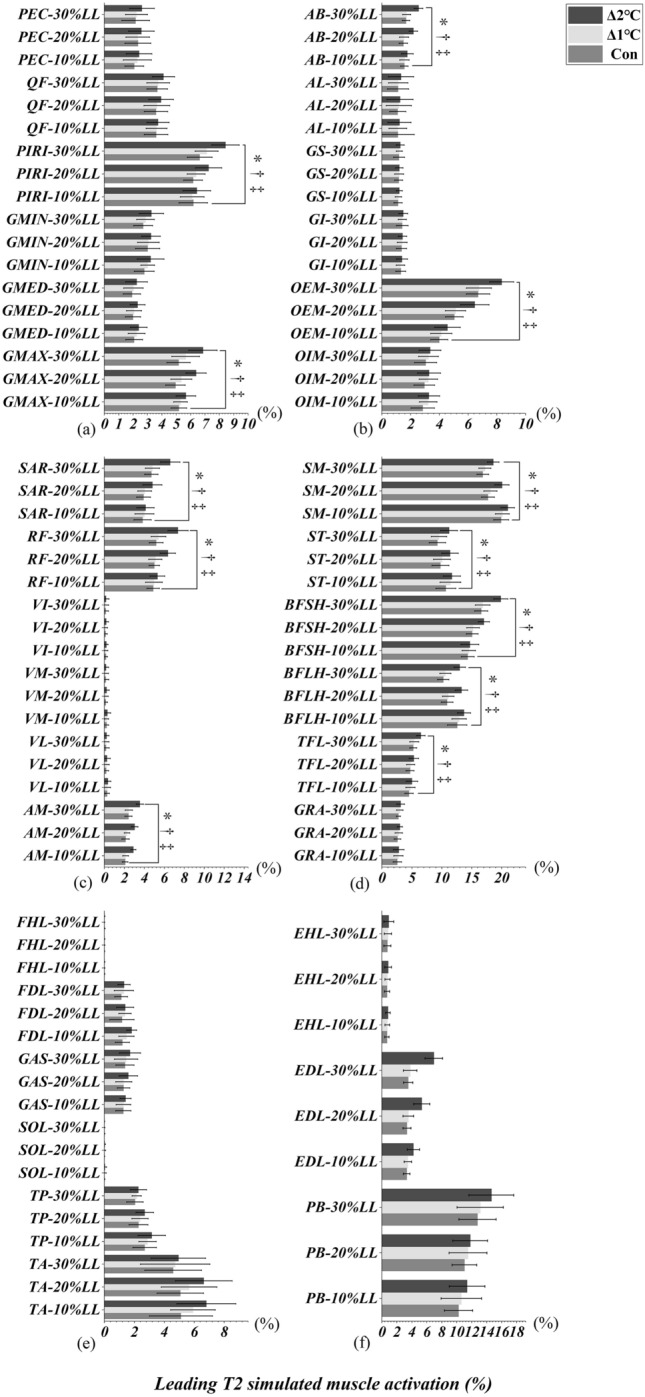 Figure 4
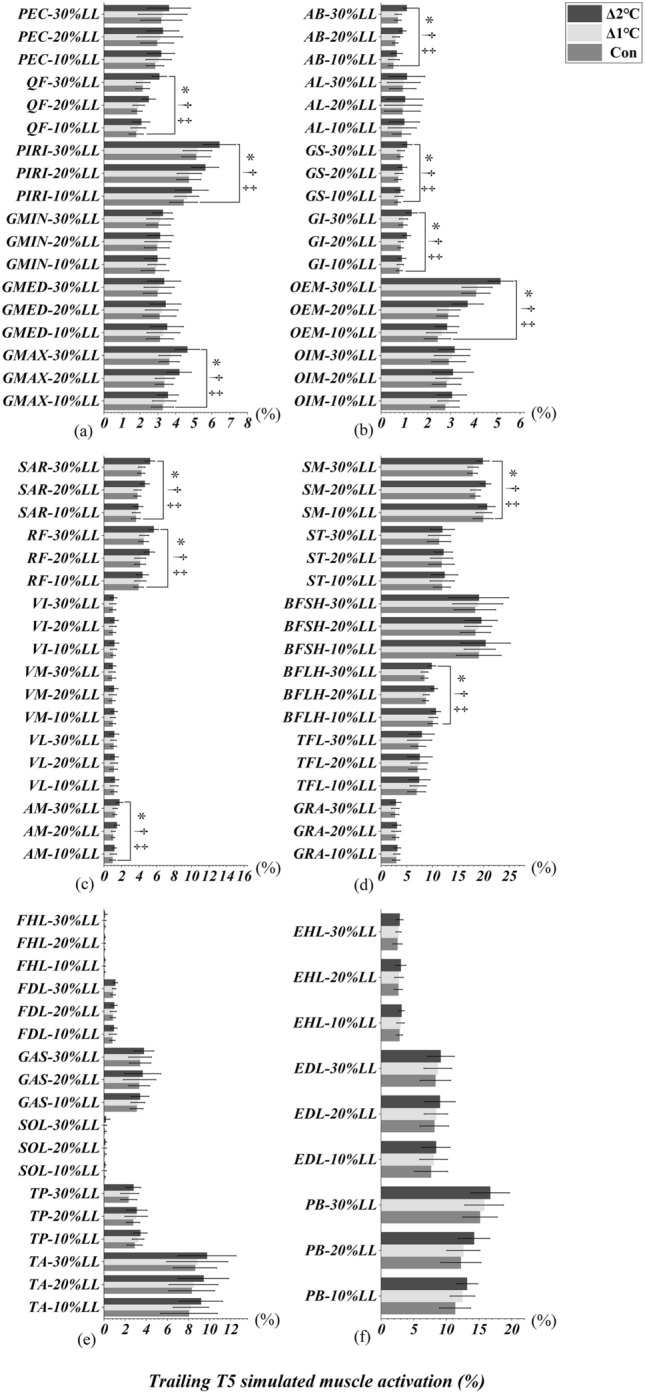 Figure 5
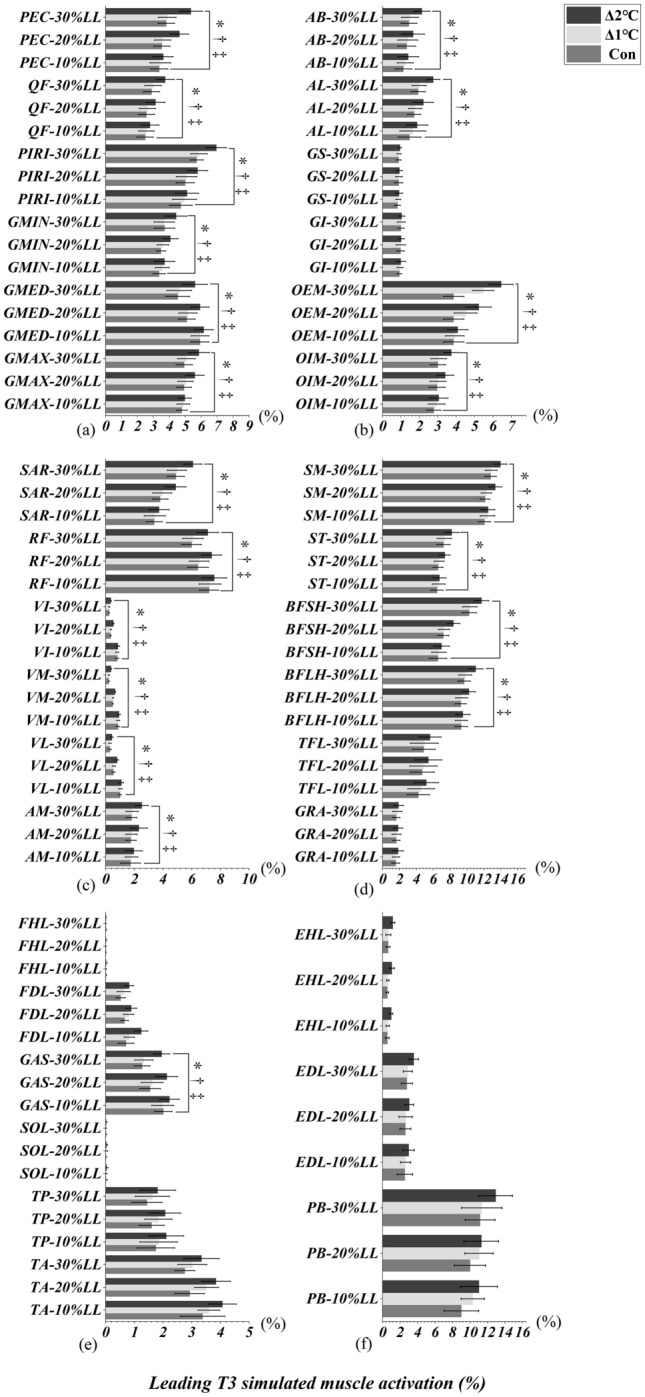 Figure 6
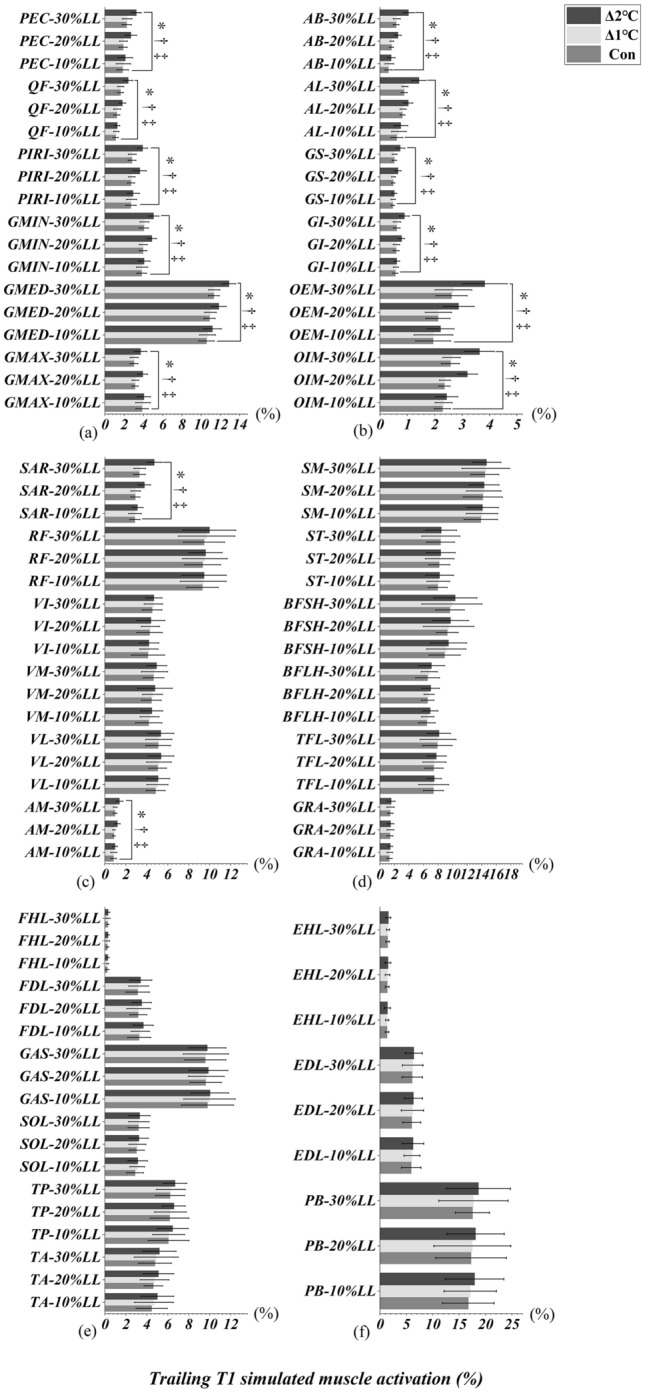 Figure 7
Peer Reviews
No public reviews on file for this paper yet. If you reviewed it on a platform where reviews are public (OpenReview, ICLR, NeurIPS, ICML), you can paste yours below so the community can read it here.
Videos
No videos yet. Explain this paper in a talk, walkthrough, or lecture? Add one.
Taxonomy
TopicsSports Performance and Training · Sports injuries and prevention · Muscle activation and electromyography studies