SRI-30827, a novel allosteric modulator of the dopamine transporter, alleviates HIV-1 Tat-induced potentiation of cocaine conditioned place preference in mice
Haylee R. Hammond, Shainnel O. Eans, Thomas J. Cirino, Subramaniam Ananthan, Ana Catya Jimenez-Torres, Jun Zhu, Jay P. McLaughlin

TL;DR
A new drug called SRI-30827 reduces the increased reward effect of cocaine in mice infected with a protein from HIV.
Contribution
SRI-30827 is a novel allosteric modulator that specifically counteracts HIV-1 Tat-induced enhancement of cocaine reward.
Findings
SRI-30827 eliminated Tat-induced potentiation of cocaine reward in transgenic mice.
The drug did not affect normal cocaine reward or mice unable to express the Tat protein.
This supports allosteric modulation of the dopamine transporter as a potential treatment for HIV and cocaine use disorder.
Abstract
HIV-1 Tat (transactivator of transcription) protein disrupts dopaminergic transmission and potentiates the rewarding effects of cocaine. Allosteric modulators of the dopamine transporter (DAT) have been shown to reverse Tat-induced DAT dysfunction. We hypothesized that a novel DAT allosteric modulator, SRI-30827, would counteract Tat-induced potentiation of cocaine reward. Doxycycline (Dox)-inducible Tat transgenic (iTat-tg) mice and their G-tg (Tat-null) counterparts were tested in a cocaine conditioned place preference (CPP) paradigm. Mice were treated 14 days with saline, or Dox (100 mg/kg/day, i.p.) to induce Tat protein. Upon induction, mice were place conditioned two days with cocaine (10 mg/kg/day) after a 1-h daily intracerebroventricular (i.c.v.) pretreatment with SRI-30827 (1 nmol) or a vehicle control, and final place preference assessed as a measure of cocaine reward.…
Genes, proteins, chemicals, diseases, species, mutations and cell lines named across the full text — each resolved to its canonical identifier and authoritative record.
Click any figure to enlarge with its caption.
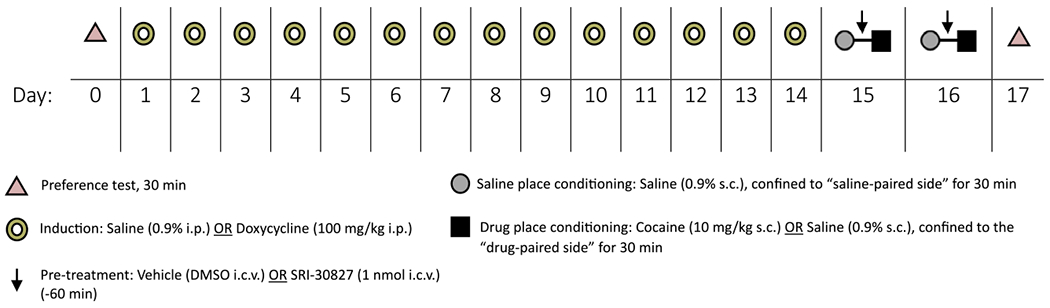 Figure 1
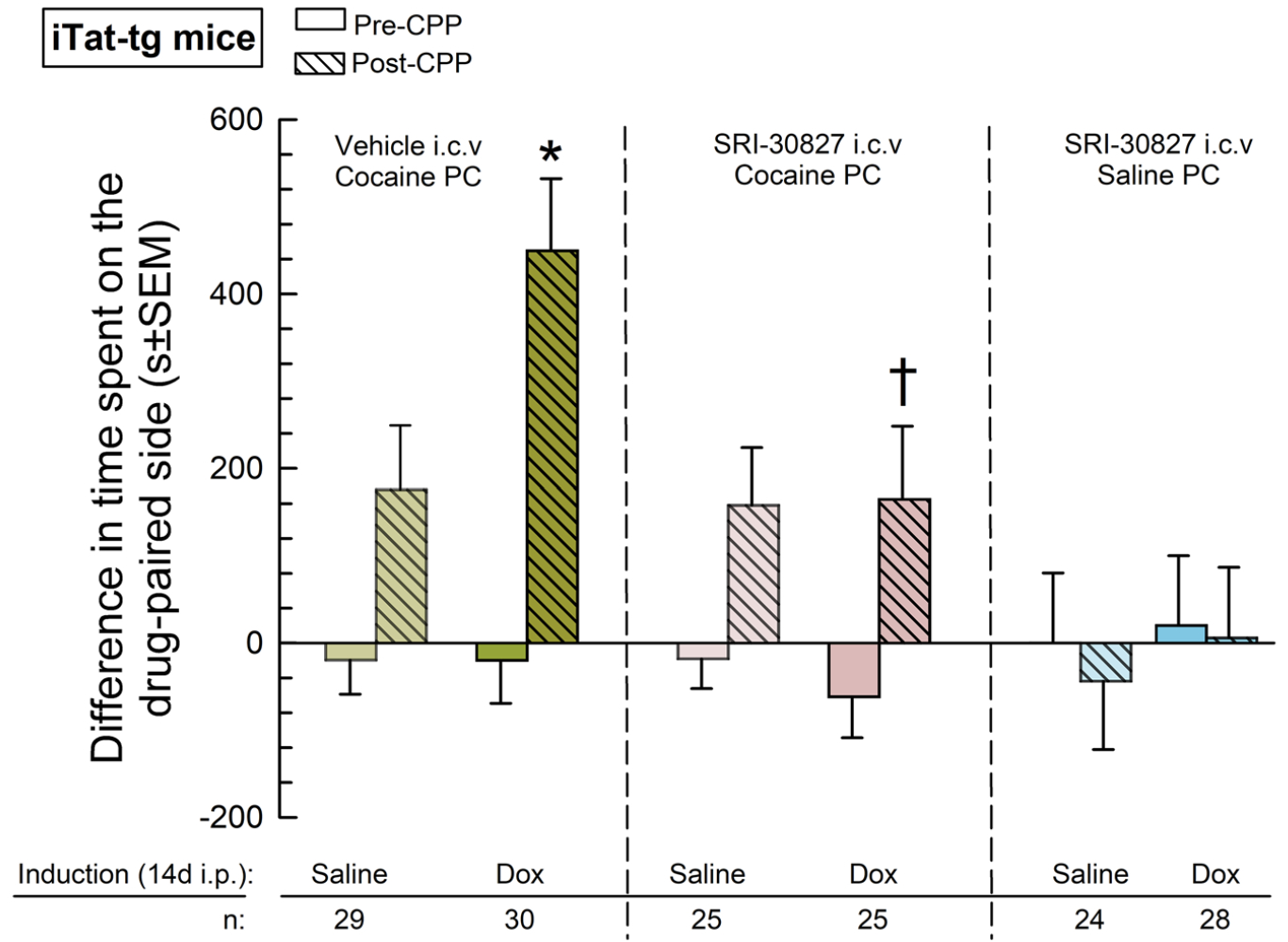 Figure 2
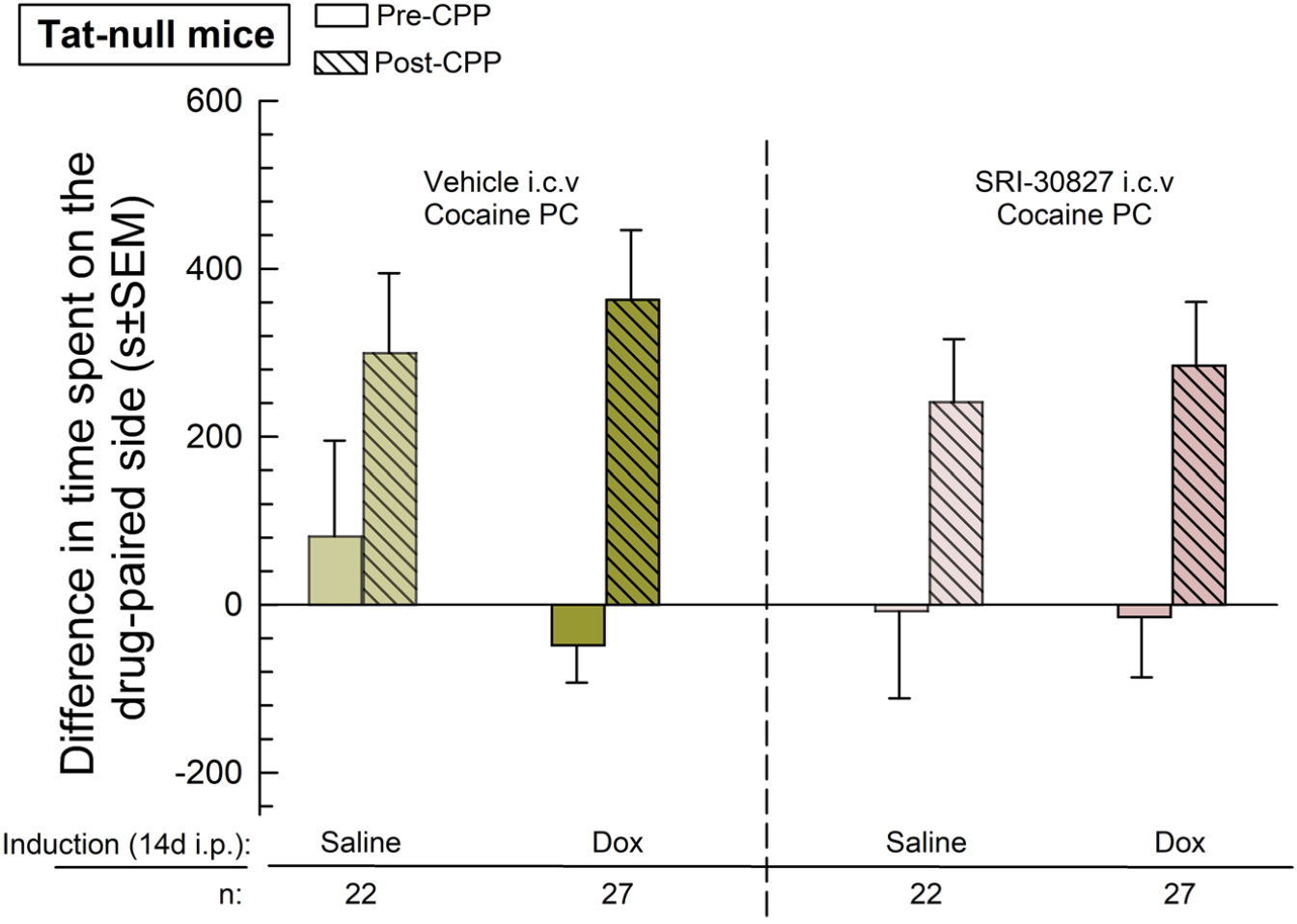 Figure 3
Peer Reviews
No public reviews on file for this paper yet. If you reviewed it on a platform where reviews are public (OpenReview, ICLR, NeurIPS, ICML), you can paste yours below so the community can read it here.
Videos
No videos yet. Explain this paper in a talk, walkthrough, or lecture? Add one.
Taxonomy
TopicsHIV Research and Treatment · HIV/AIDS drug development and treatment · HIV/AIDS Research and Interventions