Predicting effect of anti-PD-1/PD-L1 inhibitors therapy for hepatocellular carcinoma by detecting plasma metabolite based on UHPLC-MS
Botong Liu, Jinyu Shi, Rui Su, Ran Zheng, Fan Xing, Yuan Zhang, Nanya Wang, Huanwen Chen, Shouhua Feng

TL;DR
This study identifies glycerophospholipid metabolites in plasma that can predict how well hepatocellular carcinoma patients will respond to anti-PD-1/PD-L1 immune therapy.
Contribution
The study introduces glycerophospholipid metabolites as novel predictive biomarkers for immune therapy response in hepatocellular carcinoma.
Findings
A PLS-DA model using 14 glycerophospholipid metabolites achieved high prediction accuracy (0.880) for immune therapy response.
Glycerophospholipid metabolite abundance is closely linked to survival benefits in HCC patients undergoing immune therapy.
UHPLC-MS analysis revealed metabolites that could guide patient selection for anti-PD-1/PD-L1 therapy.
Abstract
Anti-PD-1/PD-L1 inhibitors therapy has become a promising treatment for hepatocellular carcinoma (HCC), while the therapeutic efficacy varies significantly among effects for individual patients are significant difference. Unfortunately, specific predictive biomarkers indicating the degree of benefit for patients and thus guiding the selection of suitable candidates for immune therapy remain elusive.no specific predictive biomarkers are available indicating the degree of benefit for patients and thus screening the preferred population suitable for the immune therapy. Ultra-high-pressure liquid chromatography-mass spectrometry (UHPLC-MS) considered is an important method for analyzing biological samples, since it has the advantages of high rapid, high sensitivity, and high specificity. Ultra-high-pressure liquid chromatography-mass spectrometry (UHPLC-MS) has emerged as a pivotal method…
Genes, proteins, chemicals, diseases, species, mutations and cell lines named across the full text — each resolved to its canonical identifier and authoritative record.
Click any figure to enlarge with its caption.
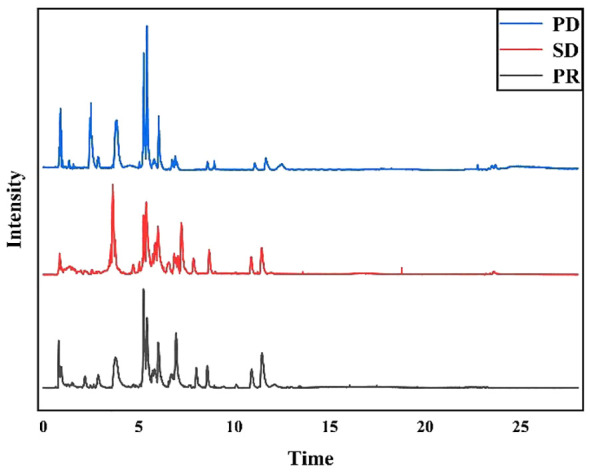 Figure 1
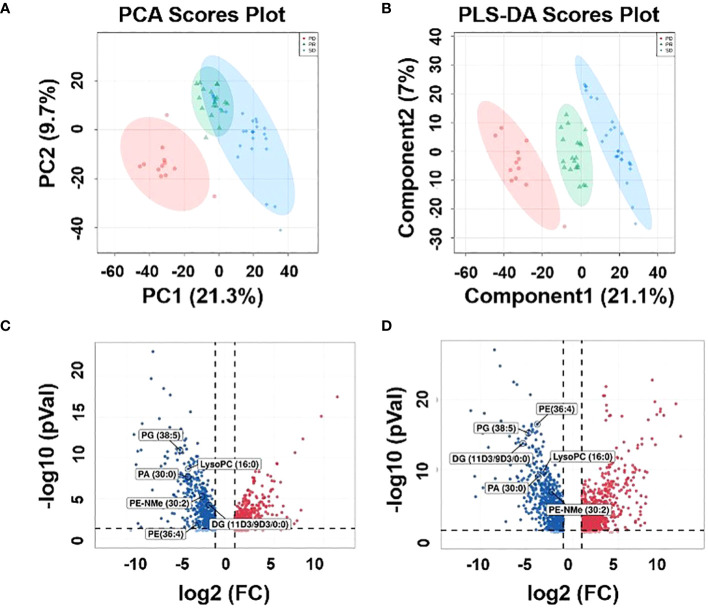 Figure 2
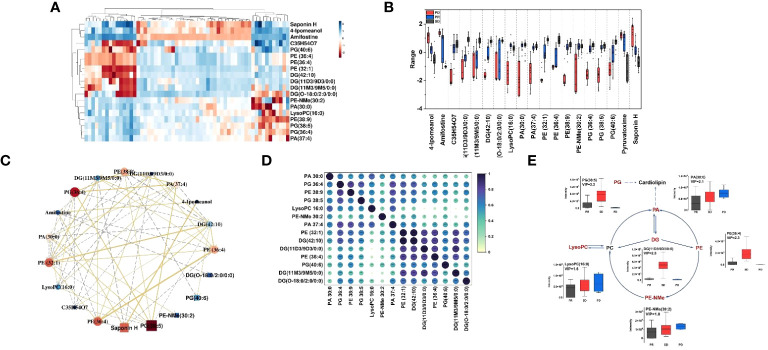 Figure 3
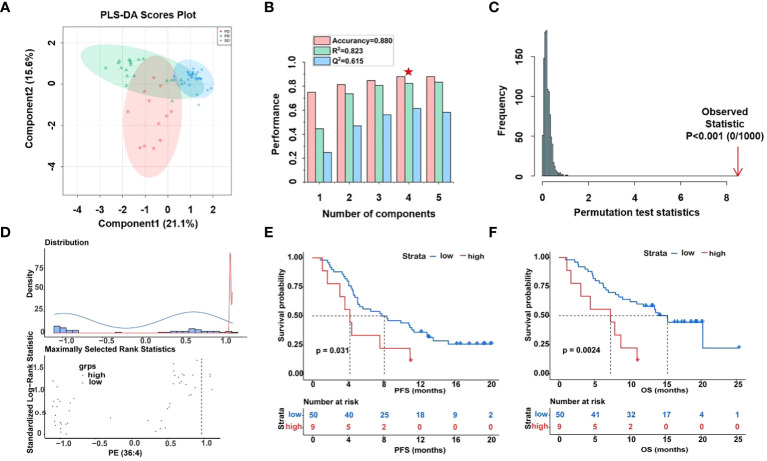 Figure 4
Peer Reviews
No public reviews on file for this paper yet. If you reviewed it on a platform where reviews are public (OpenReview, ICLR, NeurIPS, ICML), you can paste yours below so the community can read it here.
Videos
No videos yet. Explain this paper in a talk, walkthrough, or lecture? Add one.
Taxonomy
TopicsCancer Immunotherapy and Biomarkers · Inflammatory Biomarkers in Disease Prognosis · Colorectal Cancer Treatments and Studies