Physiologic oxygen responses to smoking opioids: an observational study using continuous pulse oximetry at overdose prevention services in British Columbia, Canada
Jessica Moe, Jane A. Buxton, Yueqiao Elle Wang, Tamara Chavez, Damian Feldman-Kiss, Charotte Marr, Roy A. Purssell, Michael Otterstatter

TL;DR
Researchers studied how oxygen levels change when people smoke opioids at overdose prevention sites in Canada, finding inconsistent links between inhalation and oxygen drops.
Contribution
This study introduces continuous pulse oximetry monitoring in real-world opioid smoking settings and identifies factors influencing hypoxemia risk.
Findings
SpO2 levels showed high variability between and within individuals during opioid smoking.
Cumulative inhalations correlated with SpO2 drops, but this link weakened after seven inhalations.
Inhalation rate and timing were not strongly associated with significant oxygen saturation declines.
Abstract
In British Columbia, Canada, smoking is the most common modality of drug use among people who die of opioid toxicity. We aimed to assess oxygen saturation (SpO2) while people smoked opioids during a pilot study that introduced continuous pulse oximetry at overdose prevention services (OPS) sites. This was an observational cohort study, using a participatory design. We implemented our monitoring protocol from March to August 2021 at four OPS. We included adults (≥ 18 years) presenting to smoke opioids. A sensor taped to participants’ fingers transmitted real-time SpO2 readings to a remote monitor viewed by OPS staff. Peer researchers collected baseline data and observed the timing of participants’ inhalations. We analyzed SpO2 on a per-event basis. In mixed-effects logistic regression models, drop in minimum SpO2 ≤ 90% in the current minute was our main outcome variable. Inhalation in…
Genes, proteins, chemicals, diseases, species, mutations and cell lines named across the full text — each resolved to its canonical identifier and authoritative record.
Click any figure to enlarge with its caption.
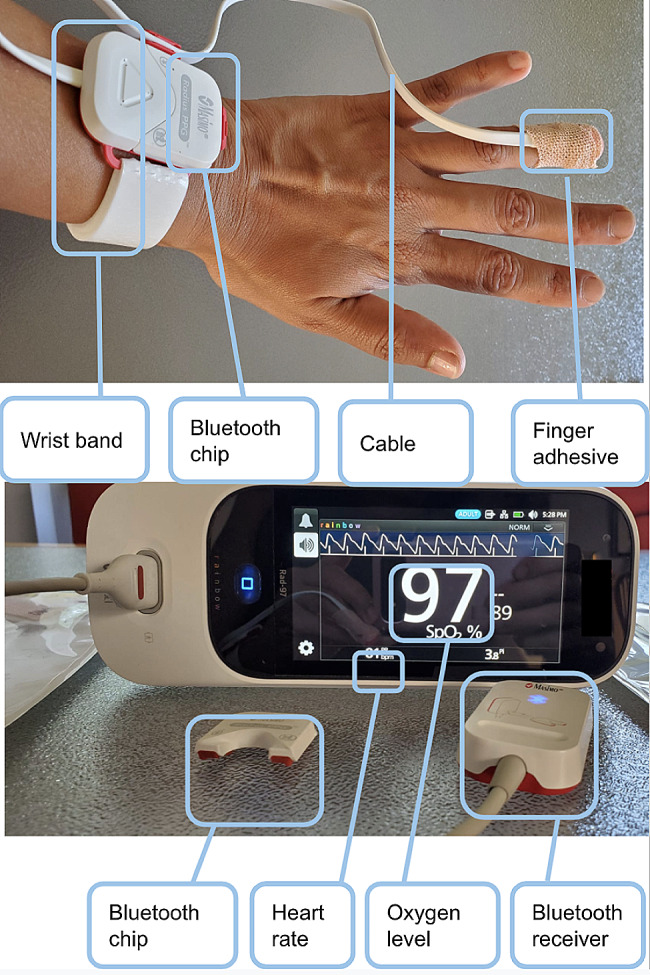 Figure 1
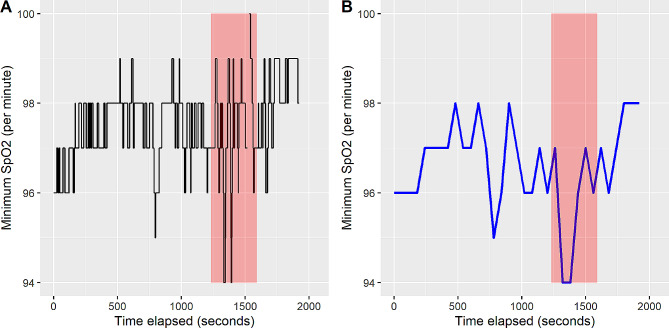 Figure 2
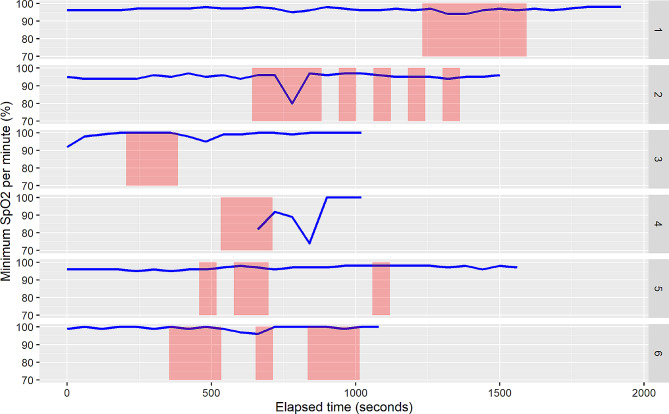 Figure 3
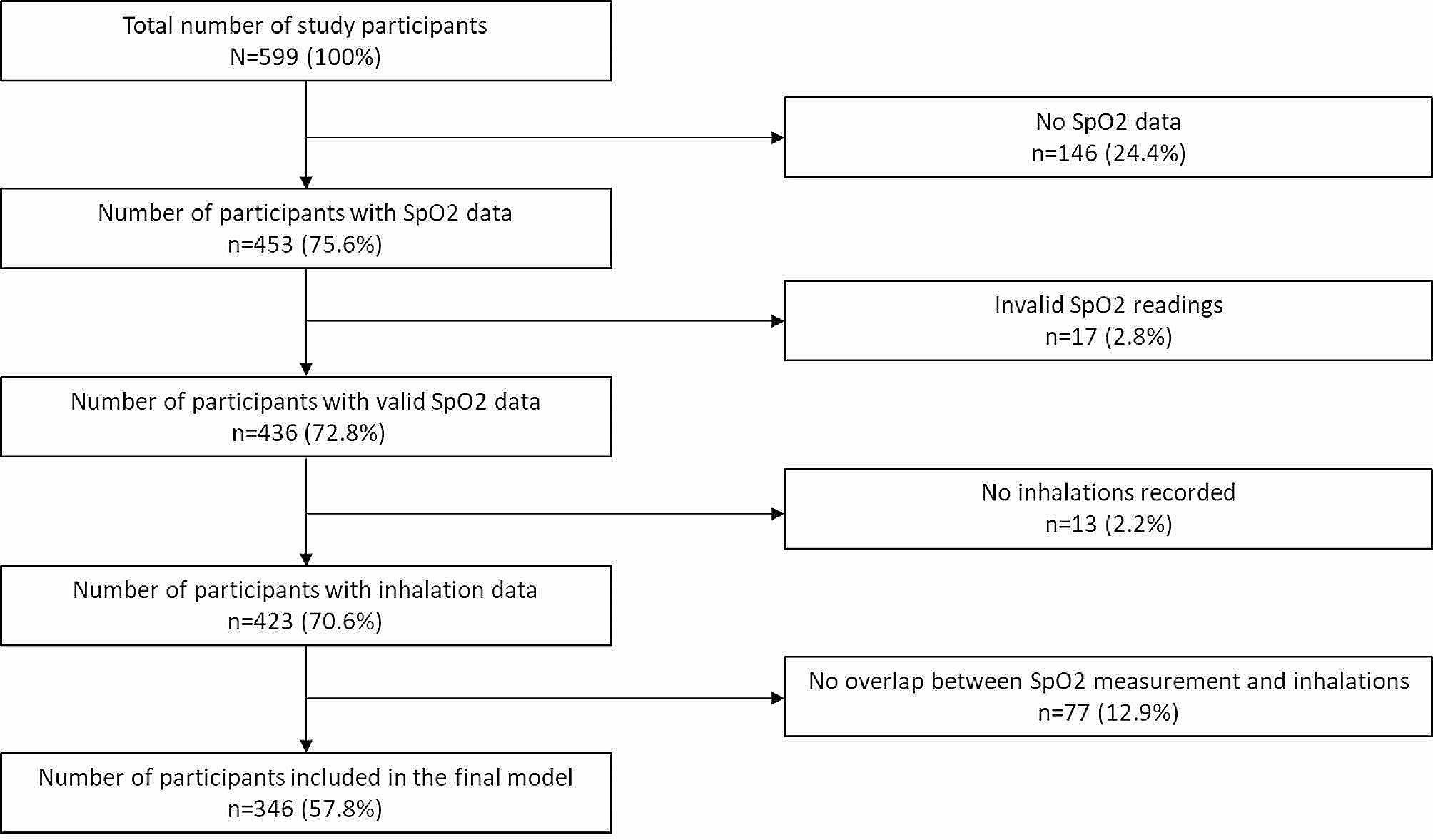 Figure 4
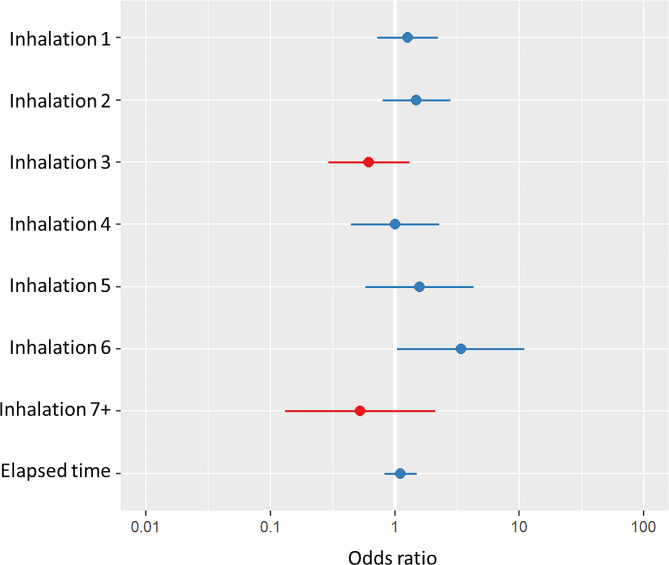 Figure 5
Peer Reviews
No public reviews on file for this paper yet. If you reviewed it on a platform where reviews are public (OpenReview, ICLR, NeurIPS, ICML), you can paste yours below so the community can read it here.
Videos
No videos yet. Explain this paper in a talk, walkthrough, or lecture? Add one.
Taxonomy
TopicsChronic Obstructive Pulmonary Disease (COPD) Research · Cardiac Arrest and Resuscitation · Respiratory Support and Mechanisms